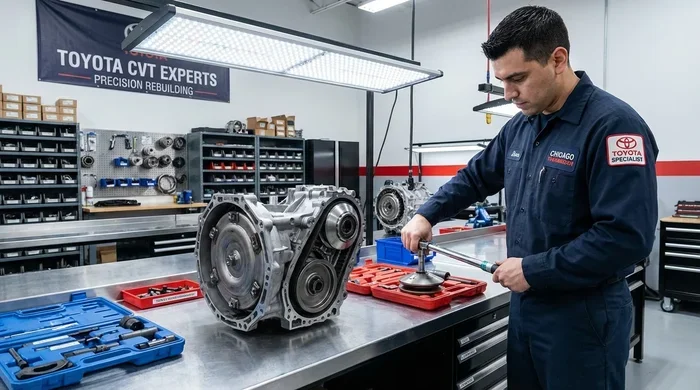
Can a Toyota Transmission Be Repaired or Replaced
Can a Toyota Transmission Be Repaired or Replaced? Yes, in most cases Toyota transmissions can be fixed. The right choice depends on the damage, your budget, and the model year. This guide covers every option, cost, and warning sign so you can decide with confidence.
Your Toyota is built to last. But even the most dependable vehicles face mechanical issues over time. One of the biggest worries car owners face is a failing transmission. It can feel overwhelming. The cost can be scary. And the decisions seem complicated.
So can a Toyota transmission be repaired? The short answer is yes. In most cases, Toyota transmissions can be fixed, rebuilt, or replaced. The real question is which option makes the most sense for your specific situation. This guide walks you through everything you need to know.
We will cover the common problems, the repair costs, when replacement is the better choice, and how to keep your transmission healthy for the long haul. Whether you drive a Camry, a Tacoma, a Prius, or any other Toyota model, this article has you covered.
Key Takeaways
- Minor transmission issues like fluid leaks or sensor problems are often affordable to fix.
- Major transmission failure may require a full rebuild or replacement.
- Toyota transmissions are generally reliable and often worth repairing rather than replacing the whole vehicle.
- Regular maintenance like fluid changes can prevent costly repairs down the road.
- Repair costs vary widely based on the Toyota model, transmission type, and labor rates in your area.
- Always get a second opinion from a trusted mechanic before committing to a major repair.
📑 Table of Contents
Understanding Toyota Transmissions
Before diving into repairs, it helps to understand what you are working with. Toyota uses several types of transmissions across its lineup. Each type has its own strengths and common issues.
Types of Toyota Transmissions
Toyota vehicles come with different transmission systems. Here are the most common ones:
- Automatic Transmission: The most popular option. Found in models like the Camry, RAV4, and Highlander. It shifts gears on its own for a smooth ride.
- Manual Transmission: Less common in newer Toyotas but still available in some models. The driver controls gear changes manually.
- CVT (Continuously Variable Transmission): Used in many newer Toyotas like the Corolla and RAV4. It provides seamless acceleration without traditional gear shifts.
- Automatic Hybrid Transmission: Found in hybrid models like the Prius. It combines a traditional automatic with electric motor components.
How Toyota Transmissions Work
Your transmission manages the power from the engine to the wheels. It shifts gears to keep your engine running at the right speed. When everything works well, you barely notice it. When something goes wrong, you definitely notice. Strange noises, slipping gears, or hesitation during shifts are all red flags.
Toyota transmissions are known for being durable. Many Toyotas clock over 200,000 miles with the original transmission still intact. But like any mechanical part, they wear out over time. Regular Toyota maintenance goes a long way in keeping everything running smoothly.
Common Toyota Transmission Problems
What goes wrong with a Toyota transmission? Several issues come up again and again. Knowing the signs early can save you a lot of money.
Transmission Slipping
Slipping is one of the most common problems. You might feel the transmission shift unexpectedly or lose power while driving. It can feel like your car is struggling to stay in gear. This often happens when the transmission fluid is low or worn out.
Sometimes slipping points to a bigger issue like worn clutch plates or a failing solenoid. A mechanic can diagnose the exact cause with a proper inspection.
Transmission Fluid Issues
Transmission fluid is the lifeblood of your system. It keeps everything lubricated and cool. Over time, fluid breaks down and loses its effectiveness. Dirty or low fluid can cause overheating, rough shifting, and even permanent damage.
Here are some signs your fluid might be the problem:
- Dark or burnt-smelling fluid
- Difficulty shifting between gears
- Delayed engagement when moving from park to drive
- Unusual whining or grinding noises
Warning Signs to Watch For
Do not ignore warning signs. Your Toyota will tell you when something is wrong. Pay attention to these signals:
- Check Engine Light: A lit check engine light can point to transmission trouble. It is always worth getting scanned for error codes.
- Delayed Shifting: If there is a pause before your car engages a gear, get it checked.
- Fluid Leaks: Puddles of red or brown fluid under your car mean something is leaking.
- Vibrations or Shudders: Unusual vibrations, especially at certain speeds, often indicate transmission problems.
If you notice any of these signs, act quickly. Early intervention often means a simpler and cheaper fix. And if you own a hybrid, you might also want to check whether a hybrid sitting too long could be contributing to the issue.
Can a Toyota Transmission Be Repaired?
This is the big question. And the answer is: it depends. The severity of the damage determines whether a repair is possible. Let us break down the different scenarios.
Minor Repairs vs Major Overhauls
Not all transmission problems require a full rebuild. Many issues fall into the minor category:
- Fluid Change or Flush: If the fluid is dirty but the transmission is otherwise healthy, a simple fluid change can work wonders. This is the cheapest and easiest fix.
- Sensor Replacement: Faulty sensors can cause shifting problems. Replacing a transmission sensor is relatively affordable and straightforward.
- Solenoid Repair: A bad solenoid can prevent proper gear engagement. Swapping it out is a common and cost-effective repair.
- Seal Replacement: Leaking seals are a common source of fluid loss. Replacing them stops the leak and prevents further damage.
These minor repairs often cost between $150 and $500. They can extend the life of your transmission by years. But more serious damage requires bigger interventions.
When a Rebuild Is Needed
A transmission rebuild is a middle-ground option. The mechanic removes the transmission, disassembles it, and replaces worn parts. The housing and casing are reused. Only the internal components are swapped out.
A rebuild typically costs between $2,500 and $4,500 depending on the Toyota model. It is less expensive than a full replacement. And when done by a skilled technician, a rebuilt transmission can last just as long as the original.
What Toyota Transmission Repair Costs
Cost is always a factor. Here is a general breakdown of what you might expect:
- Fluid Change: $100 – $250
- Sensor Replacement: $150 – $400
- Solenoid Replacement: $200 – $500
- Seal Replacement: $150 – $600
- Transmission Rebuild: $2,500 – $4,500
- Transmission Replacement: $4,000 – $8,000+
These numbers vary based on your location, the specific Toyota model, and the extent of the damage. Always get a detailed estimate before approving any work.
When Replacement Makes More Sense
Sometimes repair is not the best path. A full transmission replacement might be the smarter choice in certain situations.
Repair vs Replace Decision
How do you decide between repairing and replacing? Consider these factors:
- Age of the Vehicle: If your Toyota has high mileage and other major issues, a new transmission might not be worth the investment.
- Cost Comparison: If the repair estimate is close to the replacement cost, replacement often gives you a longer-lasting solution.
- Extent of Damage: Catastrophic damage like a cracked housing or seized gears usually calls for a full replacement.
- Resale Value: A vehicle with a replaced transmission can still hold good value, especially if it is a popular Toyota model.
Average Replacement Cost
A brand-new transmission for a Toyota can cost anywhere from $4,000 to $8,000 or more. This includes the part and labor. A remanufactured transmission is a more affordable option, typically costing $2,500 to $5,000.
It is worth noting that Toyota transmissions are known for longevity. Many owners report their transmissions lasting well beyond 200,000 miles with proper care. So investing in a repair or replacement can be worthwhile, especially for models known for their Toyota reliability.
How to Prevent Transmission Issues
The best repair is the one you never need. Preventive maintenance is your best friend when it comes to your Toyota transmission.
Regular Maintenance Tips
Follow these simple tips to keep your transmission healthy:
- Change Your Transmission Fluid Regularly: Most Toyota owners should change fluid every 30,000 to 60,000 miles. Check your owner’s manual for the exact recommendation.
- Use the Right Fluid: Always use the Toyota-specified transmission fluid. Using the wrong fluid can cause damage over time.
- Check for Leaks: Periodically look under your car for any signs of fluid drips or puddles.
- Get Regular Inspections: A routine inspection can catch small problems before they become big ones.
Driving Habits That Help
How you drive affects your transmission more than you might think. Here are some habits that help:
- Warm Up Your Car: Give your Toyota a minute or two to warm up before driving hard, especially in cold weather.
- Avoid Riding the Brake: Riding the brake puts extra strain on the transmission. Keep a safe following distance to avoid unnecessary braking.
- Shift to Park Properly: Always come to a complete stop before shifting into park. This protects the parking mechanism.
- Do Not Overload Your Vehicle: Exceeding the towing capacity or payload limit puts extra stress on the transmission.
For hybrid owners, it is also worth noting that letting your hybrid sit for extended periods can affect the transmission and hybrid battery. If you are wondering about this, you can read more about how long a hybrid can sit without being driven on our site.
Expert Insights and Final Thoughts
So, can a Toyota transmission be repaired? Absolutely. The vast majority of transmission issues are fixable. From simple fluid changes to full rebuilds, there is almost always a path forward. The key is catching problems early and working with a trusted mechanic.
Toyota builds some of the most reliable transmissions on the road. Their CVT, automatic, and hybrid systems are engineered to last. When issues do arise, they are often repairable without breaking the bank.
If you are unsure about your specific situation, consider visiting a Toyota dealership or a certified transmission specialist. They can diagnose the problem accurately and give you a clear picture of your options. And remember, taking care of small issues now prevents expensive repairs later.
Your Toyota is a significant investment. Protecting that investment means paying attention to warning signs, staying on top of maintenance, and making informed decisions. A well-maintained Toyota transmission can serve you reliably for hundreds of thousands of miles.
Do not let transmission worries keep you from enjoying your Toyota. With the right knowledge and the right team, you can keep your vehicle running strong for years to come.
And if you are dealing with other Toyota concerns, check out our article on jump starting a Toyota hybrid or learn about how long a Toyota Sequoia lasts for more insights into keeping your Toyota in top shape.
FAQs
How much does it cost to repair a Toyota transmission?
Minor repairs like fluid changes or sensor replacements cost between $100 and $500. A transmission rebuild typically ranges from $2,500 to $4,500. A full replacement can cost $4,000 to $8,000 or more. The exact cost depends on your Toyota model, the type of transmission, and your local labor rates.
Can a Toyota transmission last 300,000 miles?
Yes, many Toyota transmissions can last 300,000 miles or more with proper maintenance. Regular fluid changes, gentle driving habits, and prompt attention to warning signs all contribute to a long transmission lifespan. Toyota is known for building durable and reliable transmissions.
Is it better to rebuild or replace a Toyota transmission?
A rebuild is usually more affordable and can be just as reliable as a new transmission. Replacement is better when the damage is catastrophic or the housing is cracked. Your mechanic can help you decide based on the specific condition of your transmission.
What causes Toyota transmission failure?
Common causes include low or dirty transmission fluid, overheating, worn clutch plates, faulty solenoids, and high mileage. Neglecting regular maintenance is the biggest contributing factor. Driving habits like towing heavy loads or riding the brakes also accelerate wear.
Can I drive my Toyota with a bad transmission?
It is not recommended. Driving with a failing transmission can cause further damage and lead to more expensive repairs. If you notice slipping, delayed shifting, or unusual noises, have your vehicle inspected as soon as possible. Continuing to drive may turn a repairable issue into a full replacement.
How often should I change my Toyota transmission fluid?
Most Toyota experts recommend changing transmission fluid every 30,000 to 60,000 miles. Check your owner’s manual for the specific interval for your model. If you tow frequently or drive in stop-and-go traffic, you may need to change it more often.