Should You Start a Forklift in Neutral Correctly Now
Starting a forklift in neutral is not just a good habit — it is a critical safety step. Many operators skip this step and risk damaging the machine or causing workplace accidents. This guide shows you the correct way to start a forklift in neutral, why it matters, and what mistakes to avoid.
Have you ever jumped into a forklift and cranked the key without thinking? Most operators do it without a second thought. But here is the thing. How you start a forklift matters a lot more than you might think.
Starting a forklift in neutral is one of the most important habits you can build. It keeps the machine safe. It keeps you safe. And it keeps your workplace running smoothly. In this guide, we will walk you through everything you need to know about starting a forklift in neutral the right way.
Whether you drive a diesel forklift, an electric forklift, or a gas-powered model, the starting process matters. We will cover the correct steps, the common mistakes, and the safety rules you should never skip. By the end, you will know exactly how to start your forklift correctly every single time.
Let us get into it. Because the way you start your forklift today can save you from costly repairs, injuries, or even accidents tomorrow.
Key Takeaways
- Always start a forklift in neutral: This protects the transmission and prevents unexpected movement.
- Follow a pre-start checklist: A simple routine keeps you and your workspace safe every shift.
- Know the difference between diesel and electric models: Each has its own starting procedure.
- Avoid common mistakes like skipping the parking brake: Small oversights lead to big problems.
- OSHA guidelines support neutral starts: Compliance keeps your workplace safe and your record clean.
- Regular maintenance starts with proper starting habits: How you start your forklift affects its lifespan.
📑 Table of Contents
- Why Starting a Forklift in Neutral Matters
- The Correct Procedure to Start a Forklift in Neutral
- Common Mistakes People Make When Starting a Forklift
- Diesel vs Electric Forklift Starting Differences
- Quick Tips for a Safe Forklift Start Every Time
- Expert Insights on Forklift Starting Best Practices
- Key Takeaways
- Conclusion
Why Starting a Forklift in Neutral Matters
You might wonder why this is even a question. Can you not just start a forklift in any gear? The short answer is no. Starting a forklift in neutral is a fundamental safety practice. Here is why it matters so much.
Protects the Transmission System
When you start a forklift in gear, the engine sends power directly to the wheels. Even if you are not pressing the accelerator, the machine can lurch forward or backward. This puts unnecessary strain on the transmission. Over time, it causes wear and tear that you do not want to deal with.
Starting in neutral lets the engine warm up without loading the drivetrain. It is like stretching before a workout. Your forklift needs that gentle start to perform at its best.
Prevents Unexpected Movement
This is the big one. A forklift starting in gear can move without warning. If the forks are raised and the machine shifts, it can crash into shelves, walls, or even people. That is a serious workplace hazard.
Starting in neutral ensures the forklift stays completely still while the engine turns over. You have full control from the very first second. That is what forklift safety is all about.
Follows OSHA and Manufacturer Guidelines
The Occupational Safety and Health Administration, or OSHA, has clear rules about forklift operation. Most manufacturers also state in their owner’s manuals that the forklift must be in neutral before starting. Ignoring these guidelines can lead to fines, liability issues, and voided warranties.
When you follow OSHA regulations and manufacturer instructions, you are not just checking a box. You are building a culture of safety in your workplace.
The Correct Procedure to Start a Forklift in Neutral
Now that you know why it matters, let us talk about how to do it. The process is simple, but every step counts. Here is the step-by-step procedure you should follow every time you start your forklift.
Step 1: Perform a Pre-Operation Inspection
Before you even touch the key, walk around the forklift. Check the tires, the forks, the hydraulic hoses, and the lights. Look for any leaks or damage. This pre-operation inspection is your first line of defense against problems.
Make sure the area around the forklift is clear of people and obstacles. You want a clean, open space to start the machine safely.
Step 2: Sit Down and Fasten Your Seatbelt
This sounds basic, but you would be surprised how many operators skip it. Always sit in the operator’s seat and buckle up. The seatbelt is your best friend if the forklift tips over.
Adjust the seat so you can reach all pedals and controls comfortably. Good posture leads to better control.
Step 3: Set the Gear Lever to Neutral
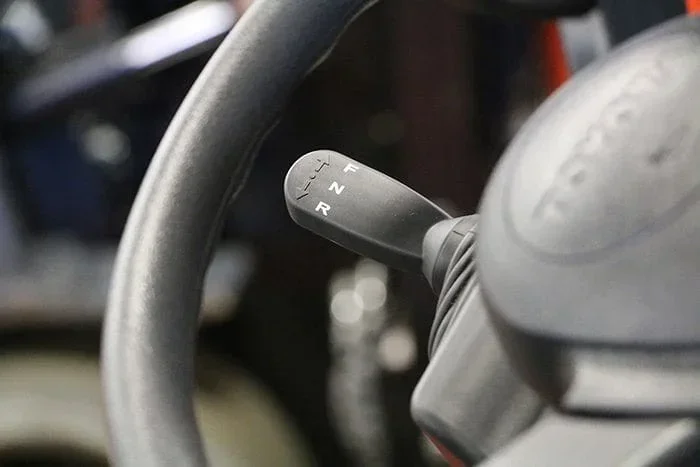
This is the key step. Move the gear lever or shift handle to the neutral position. On most forklifts, you will see a clearly marked neutral setting. On some models, it is in the middle of the gear pattern.
Double-check that the lever is fully in neutral. Do not assume it is. A slight bump or shift during operation can move it out of position.
Step 4: Engage the Parking Brake
Even in neutral, you should always set the parking brake before starting the engine. This adds an extra layer of safety. If something goes wrong with the neutral position, the parking brake will keep the forklift from moving.
Think of the parking brake as your backup plan. It is a simple action that makes a big difference in forklift operation safety.
Step 5: Turn the Key or Press the Start Button
With the gear in neutral and the parking brake engaged, you are ready to start the engine. Turn the ignition key or press the start button. Let the engine run for a few moments before moving the forklift.
For diesel forklifts, you may hear a slight cranking sound before the engine catches. That is normal. For electric forklift models, the start is usually quieter and smoother.
Step 6: Check Your Gauges and Lights
Once the engine is running, glance at the dashboard. Check the oil pressure, temperature gauge, and battery level. Make sure all warning lights are off. If anything looks off, shut the engine down and investigate before operating the forklift.
Step 7: Release the Parking Brake and Move Safely
After the engine has warmed up slightly, release the parking brake. You can now shift into gear and begin your work. Always move slowly at first and test the brakes before carrying any loads.
Common Mistakes People Make When Starting a Forklift
Even experienced operators make mistakes. The problem is that small errors can lead to big consequences. Here are the most common mistakes you should avoid.
Starting in Gear Instead of Neutral
This is the number one mistake. Some operators start the forklift while the gear lever is in forward or reverse. The machine can lurch forward or backward the moment the engine turns over. This is dangerous for everyone nearby.
Always double-check that the gear lever is in neutral before you start the engine. Make it a habit. Do not rely on memory alone.
Skipping the Pre-Operation Inspection
Time is tight on busy workdays. But skipping the walk-around inspection is a shortcut that can cost you dearly. A damaged hydraulic hose or a worn tire can turn a routine job into an emergency.
Take the extra two minutes to inspect your forklift. It is time well spent.
Forgetting to Set the Parking Brake
Some operators think neutral alone is enough. It is not. The parking brake provides an additional safety net. Without it, a forklift in neutral can still roll if the floor is sloped or uneven.
Always set the parking brake before you start the engine. It takes just a second and adds significant protection.
Not Letting the Engine Warm Up
Especially with diesel forklifts, letting the engine idle for a minute or two before putting it in gear is important. Cold starts put extra stress on the engine and hydraulic system. A brief warm-up period extends the life of your forklift.
Diesel vs Electric Forklift Starting Differences
Not all forklifts are the same. The type of power source affects how you start and operate the machine. Here is a quick comparison of diesel and electric forklifts.
| Feature | Diesel Forklift | Electric Forklift |
|---|---|---|
| Starting Method | Key ignition with cranking | Push-button start or key |
| Neutral Start Required? | Yes, absolutely | Yes, always |
| Warm-Up Time | 2-3 minutes recommended | Minimal warm-up needed |
| Noise Level at Start | Loud cranking sound | Quiet and smooth |
| Battery Consideration | N/A | Check charge level before start |
| Best For | Outdoor and heavy-duty use | Indoor and warehouse use |
Both types require a neutral start. The process is slightly different, but the principle is the same. Always begin in neutral, engage the parking brake, and start the engine safely.
Electric Forklift Battery Tips
For electric forklifts, the battery is the heart of the machine. Before starting, make sure the battery is sufficiently charged. A low battery can cause weak starts and reduced performance. If your forklift has a battery indicator, check it every time you sit down to operate the machine.
Quick Tips for a Safe Forklift Start Every Time
Here are some quick, practical tips to make your forklift starting routine foolproof.
- Create a checklist: Write down your starting steps and post it near the forklift. A visual reminder helps build good habits.
- Do a neutral check twice: Move the gear lever to neutral, then nudge it gently to confirm it is fully engaged.
- Listen to the engine: A healthy start sounds smooth and steady. Grinding or sputtering means something needs attention.
- Keep the area clear: Always look around before starting. Make sure no one is in your blind spots.
- Follow the maintenance schedule: Regular forklift maintenance keeps the starting system in top shape.
- Train new operators: If you manage a team, make sure every operator knows the correct starting procedure.
Expert Insights on Forklift Starting Best Practices
We asked experienced forklift operators and safety trainers for their top advice. Here is what they had to say.
Consistency Is Everything
One veteran operator shared that he never skips a step, no matter how rushed he is. “I have been driving forklifts for twenty years,” he said. “And I still follow the same starting routine every single time. Consistency keeps you safe.”
That is a powerful reminder. No matter how experienced you are, the basics matter every day.
Train the New Guys Right
A safety trainer emphasized the importance of proper forklift training from day one. “If new operators learn bad habits early, those habits stick,” she explained. “Teaching them to start in neutral from the beginning sets them up for a lifetime of safe operation.”
Respect the Machine
An equipment specialist put it simply. “A forklift is a powerful machine. You need to respect its capabilities and its limits. Starting it correctly is the first act of respect.”
These insights highlight a common thread. Safe forklift operation starts with how you begin each shift. The starting procedure sets the tone for everything that follows.
Key Takeaways
- Always start a forklift in neutral: This protects the transmission and prevents unexpected movement.
- Follow a pre-start checklist: A simple routine keeps you and your workspace safe every shift.
- Know the difference between diesel and electric models: Each has its own starting procedure.
- Avoid common mistakes like skipping the parking brake: Small oversights lead to big problems.
- OSHA guidelines support neutral starts: Compliance keeps your workplace safe and your record clean.
- Regular maintenance starts with proper starting habits: How you start your forklift affects its lifespan.
Conclusion
The answer to whether you should start a forklift in neutral is a clear and definite yes. Starting your forklift in neutral is not optional. It is a fundamental safety practice that every operator must follow. It protects the machine, protects you, and protects everyone around you.
By following the correct starting procedure, avoiding common mistakes, and respecting the equipment, you set yourself up for a safe and productive shift. Whether you drive a diesel forklift or an electric forklift, the neutral start rule applies to every model.
Make it a habit. Share this knowledge with your team. And never underestimate the power of starting your forklift correctly. It is one of the simplest things you can do, and it makes the biggest difference in forklift safety and performance.
So next time you sit down in the operator’s seat, take a breath. Check the gear. Engage the parking brake. And start your forklift in neutral, the right way. Your future self and your coworkers will thank you for it.
Frequently Asked Questions
Can starting a forklift in gear damage the transmission?
Yes, it absolutely can. Starting a forklift in gear sends sudden power to the drivetrain, which causes unnecessary wear on the transmission components. Over time, this leads to costly repairs and reduced machine lifespan. Always start in neutral to protect your forklift.
Do OSHA regulations require forklifts to start in neutral?
OSHA guidelines strongly support safe forklift operation, which includes starting in neutral. Most manufacturers also require it in their operating manuals. While OSHA may not have a single sentence that says “start in neutral,” their broader safety standards make it clear that preventing unexpected movement is essential.
What should I do if the forklift starts in gear by accident?
If this happens, do not panic. Release the ignition immediately. Do not press the accelerator. Engage the parking brake and shift to neutral before restarting. Always check the gear position before turning the key to prevent this from happening again.
Is the neutral start procedure different for electric forklifts?
The principle is the same. You must start an electric forklift in neutral as well. The difference is in the starting mechanism. Electric forklifts often use a push-button start instead of a key ignition, but the gear must still be in neutral and the parking brake engaged before you start.
How long should I let a diesel forklift idle before moving?
Let a diesel forklift idle for about two to three minutes after starting. This allows the engine oil to circulate and the hydraulic system to build proper pressure. In cold weather, you may need to let it idle a bit longer. This simple step extends the life of your forklift significantly.
What is the most common forklift starting mistake?
The most common mistake is starting the forklift without checking the gear position. Operators who are in a rush often skip the neutral check and start the forklift in gear. This can cause the machine to lurch forward or backward unexpectedly, creating a serious safety hazard. Always take a moment to verify the gear is in neutral before starting.