How to Calibrate Subaru EyeSight for Clearer Vision
Calibrating your Subaru EyeSight system ensures your driver-assist features work at their best. Whether you have a new windshield, a camera reset, or recurring warnings, proper Subaru EyeSight calibration keeps adaptive cruise control, pre-collision braking, and lane departure warning functioning correctly. This guide walks you through every method, from DIY resets to professional calibration, so you can drive with total confidence.
Your Subaru comes packed with smart safety tech, and EyeSight sits at the top of that list. It is the system that watches the road ahead, helps you brake before a crash, and even keeps your car centered in the lane. But like any camera-based system, it needs proper calibration to work right. If you have ever seen a warning light on your dashboard or noticed that adaptive cruise control feels off, calibration might be the fix you need.
How to Calibrate Subaru EyeSight is a question many owners ask, especially after a windshield replacement or a battery disconnect. The good news is that you do not always need a trip to the dealer. Some calibration steps are simple enough to handle at home, while others require a professional touch. In this article, we break down everything you need to know about EyeSight system calibration, from the basics to the advanced steps. By the end, you will feel confident tackling this maintenance task yourself or knowing exactly what to ask your mechanic.
Key Takeaways
- EyeSight calibration keeps your safety systems accurate: Proper alignment ensures pre-collision braking and adaptive cruise control work as designed.
- You can calibrate at home or visit a dealer: Simple resets are DIY-friendly, while camera alignment requires a professional setup.
- Common triggers include windshield replacement and battery disconnect: Knowing when calibration is needed helps you stay safe.
- Clearing error codes is often the first step: Use diagnostic tools or manual resets before deeper troubleshooting.
- Regular maintenance extends EyeSight reliability: Keep cameras clean and check for software updates frequently.
📑 Table of Contents
- What Is Subaru EyeSight and Why Does Calibration Matter?
- How to Calibrate Subaru EyeSight at Home
- Professional EyeSight Calibration: When and Why
- Common EyeSight Calibration Problems and Solutions
- Tips for Maintaining EyeSight Calibration
- EyeSight Calibration and Cruise Control
- Expert Insights on Subaru EyeSight Calibration
- Key Takeaways
- Conclusion
What Is Subaru EyeSight and Why Does Calibration Matter?
Subaru EyeSight is a driver-assist technology that uses two cameras mounted near the rearview mirror. These cameras feed real-time data to your car’s computer, which then controls features like adaptive cruise control, pre-collision braking, and lane departure warning. Think of it as your car’s pair of eyes. When those eyes are out of alignment, the system cannot see the road the way it should.
How the EyeSight System Works
The two stereo cameras work together to create a 3D view of the road ahead. They measure distance to vehicles, detect lane markings, and monitor your driving patterns. When the cameras are perfectly aligned, the system reacts quickly and accurately. But even a slight misalignment can cause delayed braking, false warnings, or a complete system shutdown.
Calibration ensures that the cameras are positioned correctly and that the software is reading data accurately. Without proper calibration, you lose the full benefit of Subaru’s safety package. This is why understanding the calibration process matters for every EyeSight owner.
When Do You Need EyeSight Calibration?
Several situations trigger the need for EyeSight camera alignment. Recognizing these signs early can prevent bigger problems down the road.
- Windshield replacement: Even a new windshield with the correct specifications can shift the camera angle slightly.
- Battery disconnect or dead battery: Losing power resets the system and often requires recalibration.
- Dashboard warning lights: A steady or flashing EyeSight warning means the system has detected an alignment issue.
- Aftermarket windshield installation: Non-OEM windshields may interfere with camera positioning.
- Physical impact to the camera area: Even minor bumps near the mirror can throw off calibration.
- Software updates: Sometimes a Subaru software update requires a recalibration step.
How to Calibrate Subaru EyeSight at Home
Not every calibration situation requires a trip to the shop. Subaru has built in a few methods you can try yourself. These steps are straightforward and take only a few minutes.
Method 1: The Basic Reset Procedure
This method works for minor calibration issues and after a battery disconnect. Follow these steps carefully:
- Park your Subaru on a flat, level surface.
- Turn the ignition to the “ON” position without starting the engine.
- Wait for the dashboard lights to fully illuminate.
- Locate the steering wheel controls and find the EyeSight or SET button.
- Press and hold the button for about 10 seconds until you hear a beep.
- Release the button and start the engine.
- Drive slowly for a few minutes and check if the warning light clears.
If the system still shows a warning, move on to the next method. This basic reset resolves many common calibration hiccups.
Method 2: Using the Steering Wheel Controls
Some Subaru models allow you to initiate a calibration check through the infotainment system. Navigate to the settings menu and look for the EyeSight or driver-assist section. Select the option to perform a system check. The car will guide you through the process, which usually involves driving at a slow speed in a straight line.
During this process, keep your hands on the wheel and stay focused on the road. The system is verifying that the cameras are reading correctly. If the check passes, your Subaru EyeSight calibration is restored. If it fails, you will need to move to a more advanced method.
Method 3: Clearing Error Codes
Sometimes the EyeSight system throws a code that blocks calibration. In these cases, clearing the codes first can help. You can do this by manually clearing your car codes with an OBD-II scanner or by disconnecting the battery for about 15 minutes. After clearing the codes, restart the calibration process from the beginning.
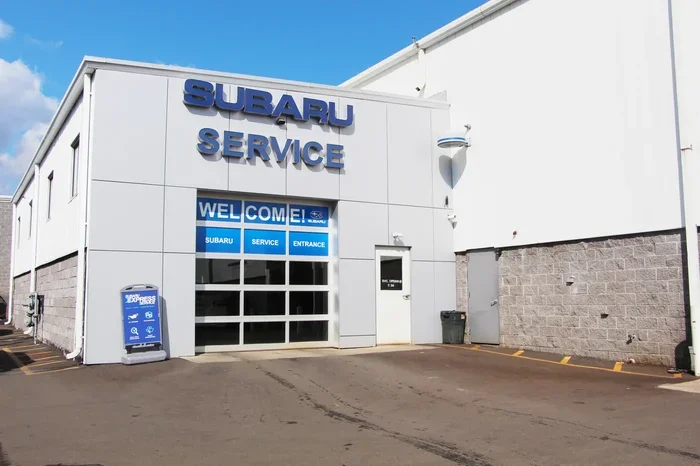
Professional EyeSight Calibration: When and Why
Home methods work for basic resets, but some situations demand professional equipment and expertise. Knowing when to seek help saves you time and keeps your safety systems reliable.
Static Calibration vs. Dynamic Calibration
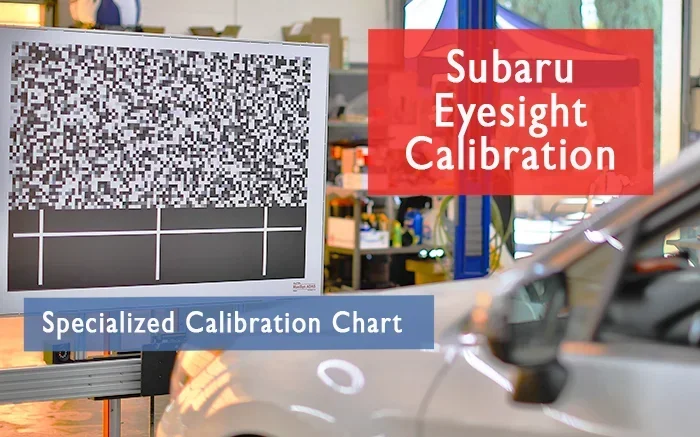
Professional calibration comes in two forms. Static calibration is done while the car is stationary. A technician places targets at specific distances in front of the vehicle and uses specialized software to align the cameras. This method is precise and is usually required after a windshield replacement.
Dynamic calibration happens while you drive. The technician guides you through specific driving conditions, and the system adjusts the camera alignment in real time. Both methods are effective, but static calibration is more common for Subaru EyeSight systems.
How Long Does Professional Calibration Take?
A full calibration session typically takes between 30 minutes and two hours. The time depends on the method used and the condition of your vehicle. You can also expect a full car diagnostic to take some time if the technician needs to check related systems before starting the calibration.
Cost of Professional EyeSight Calibration
Professional calibration costs vary. On average, you can expect to pay between $150 and $400. The price depends on your Subaru model, the type of calibration needed, and your location. Static calibration tends to cost more because it requires specialized equipment and more hands-on time.
| Calibration Type | Average Cost | Time Required | Best For |
|---|---|---|---|
| Static Calibration | $200-$400 | 1-2 hours | After windshield replacement |
| Dynamic Calibration | $150-$300 | 30-90 minutes | Post-battery disconnect |
| Basic Reset (DIY) | $0 | 10-15 minutes | Minor warnings and resets |
Common EyeSight Calibration Problems and Solutions
Even after calibration, some issues can persist. Understanding these common problems helps you troubleshoot effectively.
EyeSight Warning Light Stays On
The most common reason the warning light stays on is an incomplete calibration. Try the basic reset procedure again and make sure your car is on a level surface. If the light persists, there may be a sensor issue or a software bug that requires a dealer visit.
Adaptive Cruise Control Malfunctions
If your adaptive cruise control feels erratic or does not engage, the camera alignment may be off. Dirty camera lenses are another frequent culprit. Clean the area near the rearview mirror with a soft, lint-free cloth. If cleaning does not help, a recalibration should restore proper function.
False Pre-Collision Warnings
False braking alerts can be startling. They often happen when the cameras are misaligned or when the system is overly sensitive. Recalibrating the cameras and ensuring the lens area is clean usually resolves this issue.
EyeSight System Completely Disabled
In some cases, the entire EyeSight system shuts down. This usually happens after a significant impact or a major electrical issue. A full diagnostic scan and professional calibration are necessary to restore the system.
Tips for Maintaining EyeSight Calibration
Once your EyeSight system is calibrated, keeping it that way is straightforward. A few simple habits go a long way toward preventing future issues.
- Keep the camera area clean: Gently wipe the area near the rearview mirror during regular car washes.
- Avoid aftermarket accessories near the cameras: Suction-cup mounts or accessories can block or shift the camera view.
- Check for software updates: Subaru occasionally releases updates that improve EyeSight performance. Ask your dealer about available updates.
- Address warning lights immediately: Ignoring EyeSight warnings can lead to bigger problems and safety risks.
- Use OEM-spec windshields: Aftermarket windshields may not meet the precise specifications needed for camera alignment.
- Drive smoothly: Aggressive driving puts extra strain on the EyeSight sensors and can cause misalignment over time.
EyeSight Calibration and Cruise Control
Subaru EyeSight works hand in hand with your cruise control system. When the EyeSight cameras are properly calibrated, adaptive cruise control maintains a safe following distance and adjusts your speed smoothly. If calibration is off, cruise control behavior changes noticeably.
Some owners find that after calibration, they need to adjust their cruise control preferences. You can learn more about managing your cruise control settings if you notice any inconsistencies after the calibration process.
The EyeSight system also includes a feature that brings your car to a complete stop in traffic and then accelerates again when the car ahead moves. This stop-and-go function relies heavily on accurate camera calibration. If you notice delays or jerky behavior in this feature, recalibration is likely needed.
Expert Insights on Subaru EyeSight Calibration
Experienced Subaru technicians agree that calibration should not be taken lightly. The EyeSight system is one of the most advanced safety features in any Subaru lineup, and it depends on precision. Here is what the experts recommend:
- Always recalibrate after a windshield change: Even when the technician says it is not necessary, a quick calibration check adds peace of mind.
- Do not ignore soft warnings: A dimmed or intermittent EyeSight light still signals a problem. Address it early.
- Use genuine Subaru parts: Aftermarket cameras or sensors may not integrate properly with the EyeSight system.
- Keep your service records updated: Documenting every calibration helps you track patterns and stay ahead of recurring issues.
Many Subaru owners do not realize that EyeSight calibration is not a one-time event. Over time, vibrations from driving, temperature changes, and minor impacts can slowly shift the camera alignment. Scheduling a calibration check during regular service visits is a smart habit that keeps your safety systems performing at their best.
Key Takeaways
- EyeSight calibration keeps your safety systems accurate: Proper alignment ensures pre-collision braking and adaptive cruise control work as designed.
- You can calibrate at home or visit a dealer: Simple resets are DIY-friendly, while camera alignment requires a professional setup.
- Common triggers include windshield replacement and battery disconnect: Knowing when calibration is needed helps you stay safe.
- Clearing error codes is often the first step: Use diagnostic tools or manual resets before deeper troubleshooting.
- Regular maintenance extends EyeSight reliability: Keep cameras clean and check for software updates frequently.
- Professional calibration costs $150-$400: Static calibration is more thorough and recommended after windshield work.
- Stop-and-go cruise control depends on calibration: Jerky behavior or delays signal that recalibration is needed.
Conclusion
How to Calibrate Subaru EyeSight is a skill every Subaru owner should have in their toolkit. Whether you handle a simple reset at home or schedule a professional static calibration, the goal is the same: keeping your safety systems sharp and responsive. Your EyeSight system works hard every time you drive, watching the road and helping you avoid potential collisions.
Remember that calibration is not a one-and-done task. Windshield changes, battery issues, and normal wear can all affect your camera alignment. Staying proactive with maintenance and addressing warning lights quickly keeps the entire system running smoothly. With the steps outlined in this guide, you have the knowledge to tackle most calibration situations with confidence.
Take a few minutes today to check your EyeSight system. A quick calibration check could make all the difference the next time you need your Subaru to brake, steer, or warn you of danger on the road. Drive safely, and let your EyeSight system do what it was designed to do.
Frequently Asked Questions
Can I drive my Subaru if the EyeSight warning light is on?
You can still drive, but the safety features like pre-collision braking and adaptive cruise control will be disabled. It is best to address the warning as soon as possible and recalibrate the system to restore full functionality.
How often should I recalibrate my Subaru EyeSight?
There is no set schedule for recalibration. You should calibrate whenever the system has been disrupted, such as after a windshield replacement, battery disconnect, or when warning lights appear. Regular checks during routine service visits are also a good practice.
Can I calibrate EyeSight myself without any tools?
Yes, for basic resets you need nothing more than your steering wheel controls and a flat surface. However, full camera alignment requires professional equipment and should be handled by a trained technician or Subaru dealer.
What happens if EyeSight calibration fails?
A failed calibration usually means there is a hardware issue, a dirty camera lens, or a deeper electrical problem. In these cases, a professional diagnostic scan and possibly component replacement may be needed to get the system working again.
Does weather affect EyeSight calibration?
Extreme temperatures and heavy snow or rain can temporarily affect EyeSight performance, but they do not cause permanent calibration issues. Once conditions clear, the system should return to normal. Persistent problems after weather exposure may indicate a calibration need.
Is EyeSight calibration covered under Subaru warranty?
Warranty coverage depends on the reason for calibration. If the issue stems from a manufacturing defect or a covered repair like a windshield replacement, it may be included. Routine calibration after aftermarket work typically falls outside warranty coverage. Check with your dealer for specifics on your vehicle.