How Much Does a Car Cost in Japan in 2024 and Beyond
The cost of a car in Japan varies widely, from affordable compact models under $10,000 to luxury vehicles exceeding $100,000. New cars in Japan tend to be cheaper than in the US or Europe due to local manufacturing and competition. Used cars offer even better value, with Japan’s well-maintained vehicle market and low mileage options attracting buyers worldwide.
Have you ever wondered how much a car costs in Japan? Whether you are planning a trip to Tokyo, considering importing a vehicle, or just curious about car prices in Japan, this guide has you covered. Japan is one of the world’s largest car-producing nations, and that means consumers benefit from fierce competition and lower prices.
The Japan car market is unique. It offers everything from ultra-economical kei cars to premium sedans and rugged SUVs. Unlike many countries where cars are expensive due to import tariffs and limited options, Japan builds most vehicles domestically. This local production keeps new car cost Japan surprisingly low. In this article, we will break down every price range, hidden fee, and practical tip you need to know.
By the end of this guide, you will understand exactly what to expect when budgeting for a vehicle in Japan. We will cover new car pricing, the booming used car market, taxes, maintenance, and the costs of exporting a car from Japan. Let us dive in.
Key Takeaways
- New Car Prices: Compact cars in Japan can start as low as 1 million yen (around $7,000), while sedans and SUVs range from $15,000 to $40,000.
- Used Car Market: Japan has one of the world’s largest used car markets, with well-maintained vehicles often priced 30-50% below Western equivalents.
- Taxes and Fees: Japan imposes acquisition tax, weight tax, and annual automobile tax that add to the total cost of ownership.
- JDM Advantage: Japanese Domestic Market cars are built to higher standards and often have lower mileage than their export counterparts.
- Export-Friendly: Many dealers offer export services, making it easier to buy a car in Japan and ship it overseas.
- Depreciation: Japanese cars depreciate faster than European or American models, making used purchases even more attractive.
- Inspection System: Japan’s strict inspection (shaken) system ensures quality but adds periodic maintenance costs.
📑 Table of Contents
- Understanding the Japan Car Market
- New Car Prices in Japan (2024)
- The Used Car Market in Japan
- Hidden Costs of Car Ownership in Japan
- Exporting a Car from Japan
- Comparing New vs. Used: Which Is Better?
- Quick Tips for Buying a Car in Japan
- Common Mistakes to Avoid
- Expert Insights on Japan Car Pricing
- Key Takeaways
- Conclusion
Understanding the Japan Car Market
Before looking at specific prices, it helps to understand how the Japan car market works. Japan is home to major automakers like Toyota, Honda, Nissan, Mazda, Subaru, and Mitsubishi. These brands compete aggressively, which keeps prices down and quality high.
The Japanese domestic market (JDM) operates differently from markets in the US or Europe. Most cars sold in Japan are built in Japan. This means fewer shipping costs and import duties compared to countries that rely on vehicle imports. The result is a vehicle pricing Japan system that favors local buyers with competitive rates.
Why Are Cars Cheaper in Japan?
Several factors keep car prices Japan lower than in many other countries:
- Local Manufacturing: Most vehicles are produced domestically, eliminating costly import tariffs.
- Fierce Competition: Dozens of brands and models compete for buyers, driving prices down.
- Economies of Scale: Japanese factories produce millions of vehicles annually, reducing per-unit costs.
- Government Incentives: The Japanese government occasionally offers subsidies for fuel-efficient and hybrid vehicles.
- Strong Yen Periods: When the yen is strong, imported parts are cheaper, which benefits local production costs.
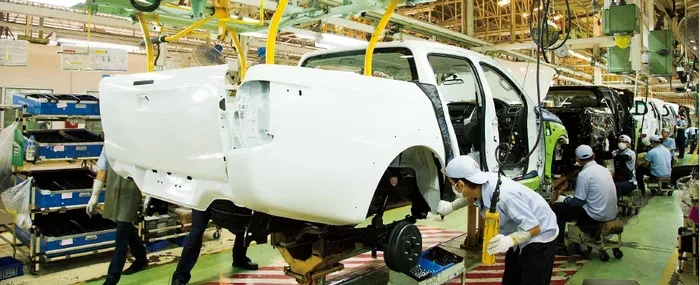
It is worth noting that how long does a factory take to build a car in Japan is remarkably efficient. Production times are short, which also contributes to lower retail prices. Additionally, how many cars does a car factory make in a day is staggering, with some plants producing thousands of units daily. This massive output keeps supply high and prices competitive.
New Car Prices in Japan (2024)
So, what does it actually cost to buy a new car in Japan? Prices vary by vehicle type, brand, and trim level. Here is a general breakdown of new car prices Japan in 2024.
Kei Cars: The Ultra-Affordable Option
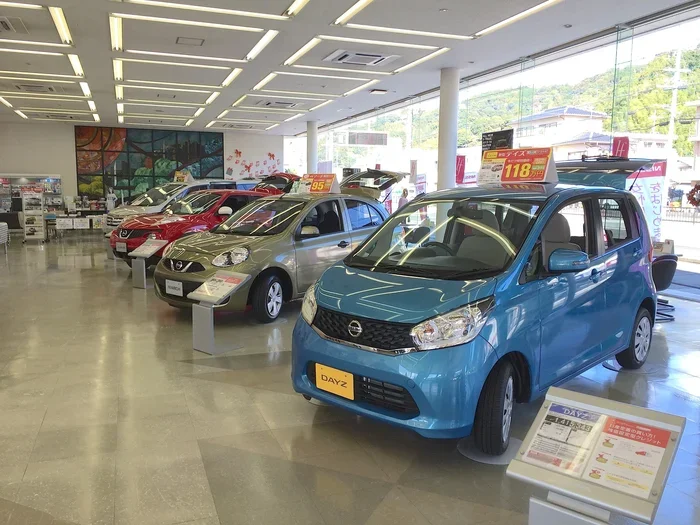
Kei cars are Japan’s answer to the micro-car. These tiny vehicles are designed to meet strict size and engine regulations. They are incredibly popular among Japanese buyers who want an affordable, fuel-efficient daily driver.
Price Range: 700,000 yen to 1.5 million yen (approximately $4,800 to $10,200 USD)
Popular kei car models include the Suzuki Alto, Honda N-Box, Daihatsu Move, and Nissan Dayz. These cars are perfect for city driving and offer excellent fuel economy. Many first-time car buyers in Japan start with a kei car because of the low car ownership cost Japan associated with these vehicles.
Compact and Economy Cars
For buyers who want a slightly larger vehicle, compact cars offer more space without breaking the bank. These models are ideal for small families or daily commuters.
Price Range: 1.2 million yen to 2.5 million yen (approximately $8,200 to $17,000 USD)
Common models in this category include the Toyota Yaris, Honda Fit, Mazda3, and Nissan Tiida. These vehicles balance affordability with practicality, making them some of the best-selling cheapest cars Japan offers.
Sedans and Mid-Size Vehicles
Mid-size sedans and crossover SUVs cater to buyers who need more room and comfort. These vehicles often come well-equipped with modern technology and safety features.
Price Range: 2.5 million yen to 5 million yen (approximately $17,000 to $34,000 USD)
Popular choices include the Toyota Corolla, Honda Civic, Nissan Sentra, and Subaru Legacy. These models are reliable, comfortable, and offer strong resale value.
Luxury and Premium Vehicles
Japan also has a strong luxury car market. Brands like Lexus, Acura, and Infiniti offer premium experiences, and even domestic brands like Toyota and Nissan have luxury divisions.
Price Range: 5 million yen to 15 million yen+ (approximately $34,000 to $100,000+ USD)
Luxury car prices Japan can reach very high levels for imported models like BMW, Mercedes-Benz, and Audi. However, domestic luxury brands like Lexus often offer better value for the same level of quality and features.
The Used Car Market in Japan
Japan has one of the most active used car markets in the world. The used vehicle pricing Japan market is massive, with millions of transactions every year. Buying a used car Japan can save you a tremendous amount of money compared to purchasing new.
Why Buy Used in Japan?
There are several compelling reasons to consider a used car from Japan:
- Low Mileage: Many Japanese drivers use public transportation daily. As a result, used Japanese cars often have surprisingly low mileage.
- Well-Maintained Vehicles: Japan’s strict inspection system (called “shaken”) ensures that cars are regularly serviced and maintained.
- Affordable Prices: Used car prices Japan are often 30 to 50 percent lower than comparable vehicles in Western markets.
- Wide Selection: From economy kei cars to luxury sedans, the used market has something for every budget.
- Export-Friendly: Many Japanese dealers specialize in exporting vehicles, simplifying the purchase and shipping process.
If you are buying a used car, it is a good idea to learn how do you find out fair market value of a car before making a purchase. Several online platforms and auction sites provide pricing data for Japanese used vehicles. Understanding fair market value helps you avoid overpaying and ensures you get a good deal.
Used Car Price Ranges
Here is a rough guide to used car prices Japan based on vehicle type:
- Kei Cars (Used): 300,000 to 800,000 yen ($2,000 to $5,400 USD)
- Compact Cars (Used): 500,000 to 1.5 million yen ($3,400 to $10,200 USD)
- Sedans and Crossovers (Used): 800,000 to 3 million yen ($5,400 to $20,400 USD)
- Luxury Vehicles (Used): 2 million to 8 million yen ($13,600 to $54,400 USD)
Keep in mind that prices vary based on the vehicle’s age, condition, mileage, and service history. Cars that have passed recent inspection (shaken) commands higher prices but also offers peace of mind.
Hidden Costs of Car Ownership in Japan
Buying a car is only part of the equation. Owning a vehicle in Japan comes with additional costs that many buyers overlook. Understanding these expenses helps you budget accurately for car ownership cost Japan.
Taxes and Registration Fees
Japan imposes several taxes and fees on vehicle owners:
- Acquisition Tax: A one-time tax paid when purchasing a new or used car. Rates vary based on the vehicle’s size and engine displacement.
- Weight Tax: An annual tax based on the vehicle’s weight. Heavier vehicles cost more to tax.
- Automobile Tax: An annual tax based on engine size. Larger engines attract higher tax rates.
- Registration Fees: Costs associated with registering the vehicle with local authorities.
These taxes can add thousands of yen to your total car cost Japan over the ownership period. Always factor them into your budget when planning a purchase.
Insurance Costs
Car insurance in Japan is mandatory for all vehicle owners. Premiums vary based on your age, driving history, location, and the type of vehicle. On average, expect to pay between 50,000 and 150,000 yen per year ($340 to $1,020 USD) for basic coverage. Comprehensive policies cost more but provide better protection.
Maintenance and Inspection
Japan’s shaken inspection system requires vehicles to pass a rigorous safety and emissions check. The cost of a shaken inspection ranges from 50,000 to 200,000 yen ($340 to $1,360 USD) depending on the vehicle’s age and condition. Regular maintenance, including oil changes, tire replacements, and brake servicing, also adds to the ongoing car maintenance cost Japan.
Fuel Costs
Fuel prices in Japan are generally higher than in the US but lower than in many European countries. As of 2024, gasoline costs approximately 160 to 180 yen per liter ($4.30 to $4.85 USD per gallon). Diesel fuel is slightly cheaper. Hybrid and electric vehicles offer significant savings on fuel costs over time.
Exporting a Car from Japan
One of the most interesting aspects of the Japan car market is the export industry. Thousands of vehicles are shipped overseas every year to buyers in the Middle East, Southeast Asia, Africa, and beyond.
How Does the Export Process Work?
Buying a car in Japan for export involves a few extra steps:
- Find an Export-Friendly Dealer: Many Japanese dealers specialize in selling vehicles to international buyers. They handle documentation and shipping arrangements.
- Complete the Purchase: Pay for the vehicle through bank transfer or escrow services. Export dealers often accept international payment methods.
- Arrange Shipping: The dealer or a freight forwarder ships the vehicle by container or roll-on/roll-off (RoRo) method.
- Clear Customs: Your home country’s customs process will apply. Import duties and taxes vary by nation.
- Register the Vehicle: Once the car arrives, complete local registration and inspection requirements.
The entire process from purchase to delivery typically takes several weeks to a few months. It is important to research your home country’s import regulations before buying. Some countries have strict emissions and safety standards that may require modifications to Japanese-spec vehicles.
Also, consider how long does it take to get a car after the build date when planning your purchase timeline. New vehicles that have just been manufactured may still be in transit or sitting in dealer lots, while used vehicles are typically available for immediate purchase or quick export.
Comparing New vs. Used: Which Is Better?
Deciding between a new and used car depends on your budget, needs, and preferences. Here is a quick comparison to help you decide:
New Car Advantages
- Latest technology and safety features
- Full manufacturer warranty
- Lower maintenance costs in the first few years
- Better fuel efficiency in newer models
- Customization options
Used Car Advantages
- Significantly lower purchase price
- Slower depreciation rate after the first few years
- Lower insurance premiums
- More budget available for upgrades or modifications
- Access to higher-end models for less money
For most buyers looking for the best value car Japan, a used vehicle from the 3-to-5-year age range offers the sweet spot. You get a well-maintained car with modern features at a fraction of the new-car price. Plus, how long is 200000 miles on a car in Japan is still considered relatively young due to the low annual mileage many Japanese drivers accumulate.
Quick Tips for Buying a Car in Japan
Whether you are a local or an international buyer, these practical tips will help you navigate the car prices Japan landscape:
- Research Multiple Dealers: Compare prices across several dealers and online platforms before committing to a purchase.
- Check the Shaken Status: A vehicle with a recent shaken inspection is worth paying a premium for.
- Consider Fuel Type: Hybrid vehicles offer excellent fuel economy and lower running costs in the long run.
- Budget for All Costs: Remember to include taxes, insurance, inspection, and fuel in your total budget.
- Use Export Specialists: If buying for export, work with a reputable export dealer to avoid complications.
- Learn Basic Japanese Car Terminology: Understanding terms like “shaken,” “kei car,” and “JDM” helps you communicate better with dealers.
- Get a Pre-Purchase Inspection: For used cars, always have an independent mechanic inspect the vehicle before finalizing the deal.
Common Mistakes to Avoid
Buying a car in Japan can be a great experience, but watch out for these common pitfalls:
- Skipping the Inspection: Never buy a used car without a thorough inspection. Hidden problems can cost thousands of yen to fix.
- Ignoring Tax Obligations: Failing to account for acquisition tax, weight tax, and annual automobile tax can blow your budget.
- Overlooking Export Regulations: If you plan to ship a car overseas, make sure you understand your country’s import rules first.
- Choosing Based on Looks Alone: A beautiful exterior means nothing if the engine or transmission has problems. Always prioritize mechanical condition.
- Not Comparing Prices: The Japan car market is competitive. Take advantage of this by shopping around for the best deal.
Expert Insights on Japan Car Pricing
Industry experts agree that Japan remains one of the best places in the world to buy a car. The combination of local manufacturing, intense competition, and high-quality standards creates a market that benefits consumers. According to automotive analysts, car prices Japan have remained relatively stable over the past few years, despite global supply chain challenges.
One expert noted that the used car export market from Japan has grown significantly, particularly to developing nations where affordable, reliable transportation is in high demand. Japanese vehicles are known for their durability and low maintenance requirements, making them ideal for markets with limited access to spare parts and service centers.
Another insight from industry professionals is that hybrid vehicles are gaining popularity in Japan. With government incentives and rising fuel costs, more buyers are choosing hybrid models over traditional gasoline cars. This trend is expected to continue as Japan car market trends evolve toward electrification.
For those wondering about long-term costs, it is worth noting that how many miles is too much for a cruiser varies by vehicle type. Japanese compact cars and sedans often handle high mileage exceptionally well, with many examples surpassing 300,000 kilometers with proper care. This longevity adds to the value proposition of buying Japanese vehicles.
Key Takeaways
- Affordable New Cars: New vehicles in Japan start from under $10,000 for kei cars and go up to $100,000+ for luxury models.
- World-Class Used Market: Japan’s used car market offers well-maintained, low-mileage vehicles at competitive prices.
- Taxes Add Up: Acquisition tax, weight tax, and annual automobile tax are significant costs that buyers must budget for.
- Export Opportunities: Buying a car in Japan for export is straightforward, with many dealers offering dedicated international services.
- Quality and Reliability: Japanese vehicles are built to last, with strict inspection standards ensuring ongoing quality.
- Hybrid Savings: Hybrid and electric vehicles offer the best long-term value in terms of fuel and maintenance costs.
- Depreciation Advantage: Japanese cars depreciate faster than Western models, making the used market even more attractive.
Conclusion
So, how much does a car cost in Japan? The answer depends on your budget, needs, and whether you choose new or used. From affordable kei cars under $5,000 to luxury vehicles exceeding $100,000, the Japan car market has something for everyone. New cars benefit from local manufacturing and competition, while the used market offers incredible value with well-maintained, low-mileage vehicles.
Hidden costs like taxes, insurance, and inspection fees are important to consider. But with proper planning and research, buying a car in Japan can be an excellent investment. Whether you are a local resident or an international buyer looking to import a vehicle from Japan, the options are plentiful and the prices are hard to beat.
Take your time, do your research, and always compare options before committing. The car prices Japan market rewards informed buyers who know what they are looking for. Happy car shopping.
Frequently Asked Questions
What is the average cost of a new car in Japan?
The average cost of a new car in Japan ranges from about 1.2 million yen ($8,200 USD) for compact models to 5 million yen ($34,000 USD) for mid-size sedans and SUVs. Kei cars can be found for as low as 700,000 yen ($4,800 USD), making them the most affordable new car option available.
Is it cheaper to buy a car in Japan than in the US?
Yes, cars are generally cheaper in Japan than in the US, especially when comparing similar models. Local manufacturing, fierce competition, and fewer import tariffs keep car prices Japan lower. However, remember to factor in export shipping costs and your home country’s import duties when calculating total expenses.
Can I buy a used car in Japan and export it to my country?
Absolutely. Japan has a thriving used car export industry. Many dealers specialize in selling vehicles to international buyers. They handle documentation, shipping, and sometimes even arrange customs clearance. Just make sure your home country allows imports of Japanese-spec vehicles and meets any local registration requirements.
What is the shaken inspection system in Japan?
The shaken (or shaken) is Japan’s mandatory vehicle inspection system. It checks safety, emissions, and overall roadworthiness. Vehicles must pass the shaken to remain legal for road use. The inspection costs between 50,000 and 200,000 yen ($340 to $1,360 USD) and is required every two years for newer vehicles and annually for older ones.
Are Japanese cars reliable for long-term ownership?
Yes, Japanese cars are renowned for their reliability and durability. Brands like Toyota, Honda, and Nissan consistently rank among the most reliable automakers worldwide. With regular maintenance and proper care, many Japanese vehicles easily surpass 300,000 kilometers. To learn more about long mileage ownership, check how long is 200000 miles on a car for additional insights.
What are the cheapest cars available in Japan?
The cheapest new cars in Japan are kei cars like the Suzuki Alto, Honda N-Box, and Daihatsu Move, which start at around 700,000 yen ($4,800 USD). Used kei cars can be found for as little as 300,000 yen ($2,000 USD). These ultra-compact vehicles offer the lowest car ownership cost Japan and are perfect for city driving and fuel savings.