How Many Honda Civics Were Made The Production Numbers
The Honda Civic is one of the most produced cars in history, with over 27 million units sold worldwide since 1972. From its humble beginnings in Japan to becoming a global phenomenon, the Honda Civic production numbers tell a remarkable story of engineering and demand. Let us break down the numbers by generation, region, and year so you can see just how popular this iconic vehicle really is.
Have you ever wondered how many Honda Civics were made in total? This little car has been turning heads and winning hearts for over five decades. The answer might surprise you. We are talking about tens of millions of units rolling off assembly lines around the world.
The Honda Civic first hit the roads in 1972. At the time, it was a small, fuel-efficient hatchback designed for everyday drivers. Nobody could have predicted that it would become one of the best-selling cars of all time. Today, the Honda Civic production numbers reflect a legacy of quality, affordability, and smart engineering.
Whether you are a current Civic owner or just curious about car history, this article breaks down the numbers in a way that is easy to understand. We will look at each generation, explore global sales, and share some fascinating facts along the way. So buckle up and let us dive into the world of Honda Civic manufacturing.
Key Takeaways
- Over 27 million Honda Civics have been sold worldwide since the first model rolled off the line in 1972.
- The Honda Civic has gone through 11 major generations, each with unique design and engineering changes.
- The United States is the largest single market for Honda Civic sales, accounting for millions of units.
- Honda Civic production numbers peaked during the 8th and 9th generations due to global demand.
- The Honda Civic reliability and fuel efficiency are key reasons for its massive production volume.
- Honda factories in the US, Japan, and other countries contribute to the total Honda Civic units produced each year.
- Understanding Honda Civic production numbers helps buyers appreciate the value and longevity of this vehicle.
📑 Table of Contents
- The History of Honda Civic Production
- Honda Civic Generations and Production Numbers
- Where Are Honda Civics Made?
- Honda Civic vs. Other Popular Cars: Production Comparison
- Factors That Drive Honda Civic Production Numbers
- Common Mistakes Buyers Make When Considering a Honda Civic
- Quick Tips for Honda Civic Owners
- The Future of Honda Civic Production
- Conclusion
The History of Honda Civic Production
The story of the Honda Civic starts in Japan. Honda needed a small car that could compete with the growing demand for fuel-efficient vehicles. The first Civic was introduced in July 1972. It came with a 1.2-liter engine and a choice of a three-door hatchback or a five-door body style.
Why the Honda Civic Became So Popular
Several factors drove the massive popularity of the Civic. First, it was affordable. Second, it offered excellent fuel economy during a time when gas prices were rising. Third, it was reliable. Honda built a reputation for making engines that last, and the Civic was no exception.
The Honda Civic reliability is one of the main reasons so many people chose this car over competitors. Owners trusted Honda to deliver a vehicle that would not break the bank on repairs. This trust translated into strong sales year after year.
Another reason is the car’s versatility. Honda offered the Civic in sedan, coupe, hatchback, and wagon body styles. There was a Civic for almost every type of driver. This flexibility helped Honda capture a large share of the compact car market globally.
Honda Civic Generations and Production Numbers
The Honda Civic has gone through 11 major generations since 1972. Each generation brought new technology, updated styling, and improved performance. Let us walk through the key generations and their approximate production numbers.
First Generation (1972–1979)
The first-generation Honda Civic was a game-changer. It came with a 1.2-liter engine that delivered about 50 horsepower. The car was lightweight and incredibly fuel-efficient. Honda sold approximately 1.5 million first-generation Civics worldwide. This was a strong start for a brand-new model.
The oil crisis of the 1970s boosted demand for small, efficient cars. The Civic fit perfectly into this market shift. Honda quickly expanded production to meet the surge in orders.
Second and Third Generations (1979–1987)
The second and third generations saw steady improvements. Honda introduced fuel injection and larger engine options. The Civic became more refined and comfortable. Combined sales for these two generations exceeded 5 million units.
Honda also began exporting Civics to North America and Europe in larger numbers. The Honda Civic global production network started taking shape during this period. Factories in Mexico and other locations helped meet international demand.
Fourth and Fifth Generations (1987–1996)
The fourth and fifth generations brought the Civic into the modern era. Honda introduced the Si trim for enthusiasts who wanted more power. The VTEC engine technology debuted in the fifth generation, which became a huge hit.
Production numbers for these two generations were strong. Honda sold roughly 7 million Civics combined. The car’s popularity in the United States grew significantly. The Civic became one of the top-selling imported cars in America.
Sixth and Seventh Generations (1996–2006)
Honda continued to refine the Civic during the sixth and seventh generations. The design became more aerodynamic. Safety features improved. Honda also offered hybrid versions, which was rare for a compact car at the time.
These two generations accounted for approximately 8 million units sold. The Honda Civic market share in the compact car segment remained very strong. Competitors struggled to keep up with Honda’s combination of quality and value.
Eighth and Ninth Generations (2006–2016)
The eighth and ninth generations represent the peak of Civic production volume. Honda sold over 9 million Civics during this period. The global financial crisis of 2008 did not slow down Civic demand as much as it affected other brands.
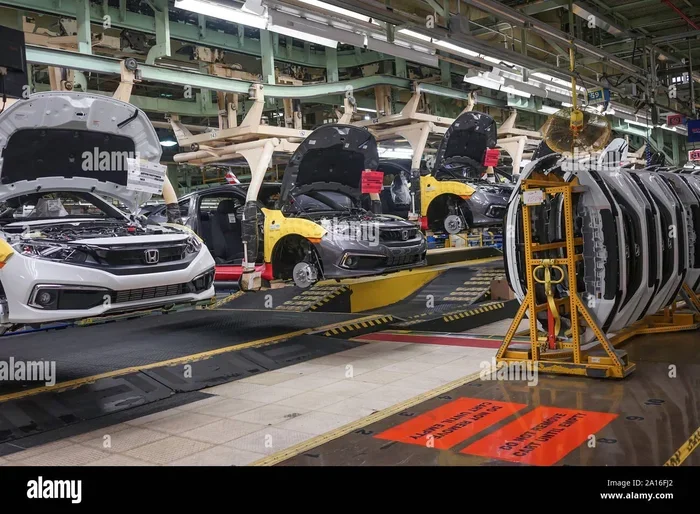
Honda’s manufacturing efficiency played a big role here. The company streamlined its assembly processes. This allowed Honda to produce Civics at a lower cost while maintaining high quality. The Honda Civic factory output reached record levels during these generations.
Tenth and Eleventh Generations (2016–Present)
The latest generations of the Civic continue to be strong sellers. Honda has sold an estimated 5 million units so far for the tenth and eleventh generations combined. The introduction of the turbocharged engine and the Type RS variant added excitement to the lineup.
Honda also invested heavily in its production facilities. The company updated its factories to handle new technologies and emissions standards. This ensures that the Civic remains competitive for years to come.
Where Are Honda Civics Made?
Honda manufactures the Civic in several countries around the world. The main production facilities are located in Japan, the United States, Mexico, China, and Thailand. Each factory contributes to the total Honda Civic units produced each year.
The Marysville Auto Plant in Ohio is one of the largest Honda Civic assembly facilities in the world. It produces Civics primarily for the North American market. Honda also operates plants in Swindon, England, and Sumaré, Brazil, which serve their respective regional markets.
Understanding where Civics are made helps explain the Honda Civic production numbers by region. Let us look at the breakdown.
North America
The United States is the single largest market for Honda Civics. Honda sells millions of Civics in the US each year. Canada and Mexico also contribute to North American sales. The Marysville plant and Honda’s other US facilities handle a large portion of this demand.
Asia and Pacific
Japan remains a key market for the Civic. Honda also sells large numbers of Civics in China, Thailand, and Pakistan. These Asian markets are essential to Honda’s overall production strategy. The regional factories help keep costs down and delivery times short.
Europe and Other Markets
Europe has been a strong market for the Civic as well. Honda’s Swindon plant in the UK has been a major contributor. However, Brexit and changing trade rules have affected Honda’s European operations. Still, the Civic remains a popular choice in countries like the UK, Germany, and France.
Honda Civic vs. Other Popular Cars: Production Comparison
How do Honda Civic production numbers compare to other popular cars? Let us look at a quick comparison to put things in perspective.
| Vehicle | Total Units Produced | Years in Production |
|---|---|---|
| Honda Civic | 27+ million | 1972–Present |
| Toyota Corolla | 50+ million | 1966–Present |
| Ford F-Series | 40+ million | 1948–Present |
| Volkswagen Golf | 35+ million | 1974–Present |
| Chevrolet Cruze | 2+ million | 2011–2019 |
The Honda Civic ranks among the top five best-selling cars of all time. While the Toyota Corolla holds the record, the Civic is not far behind. The Honda Civic total sales figure is a testament to the car’s enduring appeal.
One interesting comparison is with the Ford F-Series. The F-Series has been around much longer, which explains its higher total. But on a per-year basis, the Civic has been remarkably consistent in its sales. If you want to learn more about how long these numbers translate into real-world ownership, check out how long 200,000 miles really is on a car. Many Civics easily reach that milestone thanks to Honda’s durability.
Factors That Drive Honda Civic Production Numbers
Several factors have contributed to the massive scale of Honda Civic manufacturing. Understanding these factors gives us insight into why Honda produces so many of these cars.
Fuel Efficiency and Affordability
The Honda Civic has always been positioned as an affordable, fuel-efficient car. In times of rising gas prices, the Civic becomes even more attractive. Honda has consistently delivered engines that balance performance with economy. This keeps buyers coming back generation after generation.
Reliability and Low Maintenance Costs
Honda’s reputation for reliability is well earned. The Civic consistently ranks high in reliability surveys. Owners spend less on repairs compared to many competitors. This lowers the total cost of ownership and makes the Civic a smart financial choice.
Want to know more about what makes Honda Civics so dependable? Read our article on are Honda Civics reliable for a deep dive into their track record.
Strong Brand Loyalty
Honda has built a loyal fan base over the decades. Many Civic owners trade in their old Civic for a new one. This brand loyalty creates a steady stream of repeat customers. Honda also benefits from word-of-mouth referrals, which are incredibly powerful in the car buying world.
Global Demand and Market Expansion
Honda’s ability to expand into new markets has boosted Civic production significantly. The company built factories in countries with growing middle classes. China and India are prime examples. As these markets develop, demand for affordable cars like the Civic grows with them.
Common Mistakes Buyers Make When Considering a Honda Civic
Even though the Civic is a great car, buyers sometimes make mistakes. Here are a few to avoid.
- Ignoring the model year: Different generations have different strengths. Research the specific model year before buying.
- Skipping the maintenance history: Always check the service records. A well-maintained Civic will last much longer than a neglected one.
- Overlooking fuel economy: The Civic is known for its efficiency. Do not buy a trim level that sacrifices fuel economy without a good reason.
- Not test-driving: Every Civic feels a little different. Always test drive the exact car you are considering.
- Forgetting about resale value: Civics hold their value well. This should factor into your buying decision.
Quick Tips for Honda Civic Owners
- Change your oil every 5,000 to 7,500 miles to keep the engine running smoothly.
- Check your tire pressure monthly. Proper inflation improves fuel economy.
- Use genuine Honda parts for repairs to maintain warranty coverage.
- Wash your Civic regularly, especially in winter, to prevent rust.
- Keep up with scheduled maintenance at authorized Honda service centers.
The Future of Honda Civic Production
Honda is investing in electric and hybrid technology. The next generation of the Civic may offer a fully electric variant. This would mark a new chapter in the Civic’s long history.
Honda has also committed to reducing its environmental footprint. Future factories will use more renewable energy and sustainable materials. These changes will shape how the next generation of Civics is built.
Despite all the changes in the auto industry, one thing remains constant. The Honda Civic will continue to be a car that people trust, enjoy driving, and rely on for daily transportation. The Honda Civic production numbers of the past give us a glimpse of what the future may hold.
For those interested in the broader picture of car manufacturing, Honda’s factory efficiency is worth exploring. To understand how long it takes to build a car from start to finish, check out how long does a factory take to build a car. It puts Honda’s impressive output into even better perspective.
Conclusion
The Honda Civic production numbers tell a powerful story. Over 27 million units sold worldwide. Eleven generations of innovation. A car that has adapted to changing markets, technologies, and driver needs for more than 50 years.
Whether you are looking at a used Civic or considering a new one, understanding these numbers gives you confidence. The Civic is a proven product with a track record of success. Its combination of reliability, affordability, and fun-to-drive character has made it a global icon.
So the next time you see a Honda Civic on the road, remember that you are looking at one of tens of millions. That little car represents a huge piece of automotive history. And with Honda continuing to innovate, the best may still be ahead for this legendary vehicle.
Frequently Asked Questions
How many Honda Civics have been made in total?
Over 27 million Honda Civics have been produced and sold worldwide since the first model was introduced in 1972. This makes the Civic one of the best-selling cars in automotive history.
Which Honda Civic generation sold the most units?
The eighth and ninth generations sold the most units combined, with over 9 million Civics sold during that period. Their popularity was driven by strong global demand and Honda’s efficient manufacturing processes.
Where are Honda Civics manufactured?
Honda manufactures the Civic in several countries including Japan, the United States, Mexico, China, and Thailand. The Marysville Auto Plant in Ohio is one of the largest production facilities for the North American market.
How long does a Honda Civic typically last?
A well-maintained Honda Civic can easily last 200,000 miles or more. Many owners report reaching 300,000 miles with proper care and regular maintenance. This longevity is a key reason for the Civic’s popularity.
Is the Honda Civic still being produced today?
Yes, Honda is currently producing the eleventh generation of the Civic. The car continues to be one of Honda’s best-selling models worldwide and remains a strong competitor in the compact car segment.
Why are Honda Civics so popular compared to other compact cars?
The Honda Civic is popular because it offers a winning combination of reliability, fuel efficiency, affordability, and fun driving dynamics. Honda has also built strong brand loyalty over decades of consistent quality and low maintenance costs.