Do Honda Civics Have Catalytic Converters Find Out Here
Yes, Honda Civics have catalytic converters. These essential emissions control devices reduce harmful exhaust fumes and help your vehicle pass emissions tests. Understanding how your Honda Civic catalytic converter works can save you money and keep your car running smoothly for years.
Do Honda Civics have catalytic converters? This is a question many car owners ask, especially when they hear about rising theft rates or notice strange sounds coming from their exhaust system. The short answer is yes. Every Honda Civic ever sold in the United States comes with a catalytic converter. This small but mighty component plays a huge role in keeping your car running clean and legal on the road.
Whether you drive a brand-new Honda Civic or a classic model from the 1990s, understanding your catalytic converter matters. It affects vehicle performance, fuel economy, and even whether you pass your annual emissions test. In this guide, we will break down everything you need to know about the Honda Civic catalytic converter. We will cover how it works, how long it lasts, what happens when it fails, and how to protect it from theft.
If you own or are thinking about buying a Honda Civic, this article is for you. We will walk through the details in plain language. No jargon. No fluff. Just honest, practical information that helps you take better care of your car.
Key Takeaways
- All Honda Civics come equipped with catalytic converters as part of the standard exhaust system.
- Catalytic converters reduce harmful emissions by converting toxic gases into less harmful substances before they exit the tailpipe.
- Honda Civic catalytic converters typically last 100,000 miles or more with proper vehicle maintenance.
- Catalytic converter theft is a real concern, so parking in safe areas helps protect your Honda Civic.
- Signs of a failing catalytic converter include reduced performance, a check engine light, and failed emissions tests.
- Replacement costs vary but can be significant, especially for newer Honda Civic model years.
- Regular car maintenance helps extend the life of your catalytic converter and keeps your Honda Civic running at its best.
📑 Table of Contents
- What Is a Catalytic Converter and Why Does It Matter?
- Do All Honda Civic Models Have Catalytic Converters?
- How Long Does a Honda Civic Catalytic Converter Last?
- Common Honda Civic Catalytic Converter Problems
- How Much Does a Honda Civic Catalytic Converter Cost to Replace?
- How to Keep Your Honda Civic Catalytic Converter Healthy
- Final Thoughts
What Is a Catalytic Converter and Why Does It Matter?
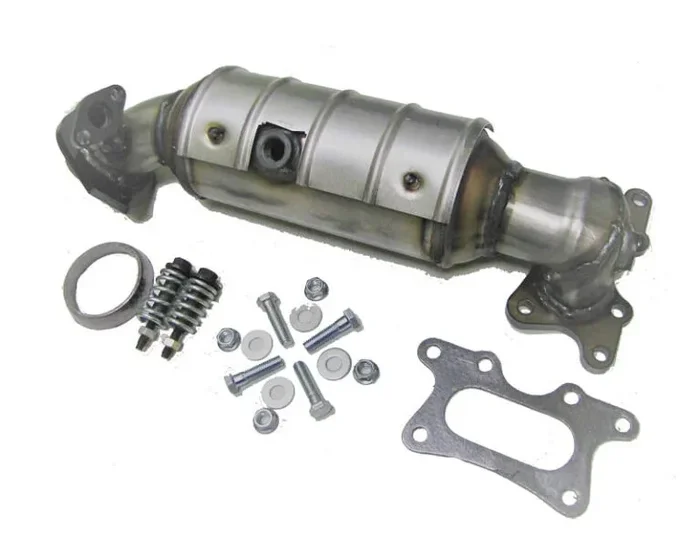
A catalytic converter is part of your car’s exhaust system. It sits between the engine and the tailpipe. Its job is simple but critical. It cleans up the exhaust fumes before they leave the vehicle and reach the atmosphere.
How Does a Catalytic Converter Work?
Inside the catalytic converter, you will find a honeycomb structure coated with precious metals. These metals include platinum, palladium, and rhodium. When hot exhaust gases flow through the converter, these metals trigger a chemical reaction. They convert harmful gases like carbon monoxide, nitrogen oxides, and hydrocarbons into less dangerous substances. The result is carbon dioxide, nitrogen, and water vapor. These are much safer for the environment.
Think of it like a filter for your car’s breath. Without it, your Honda Civic would pump out toxic fumes every time you drive. This is why emissions control is so important. Every car sold in the U.S. since 1975 has required a catalytic converter by law.
Why Is the Catalytic Converter Important for Honda Civics?
Honda Civics are known for being reliable and efficient. The catalytic converter helps maintain that reputation. It ensures your engine runs cleanly and your Honda Civic meets government emissions standards. A working converter also helps your engine breathe properly. When the converter is clogged or damaged, vehicle performance drops. You might notice sluggish acceleration or poor fuel economy.
For those wondering whether Honda Civics reliable reputation holds up when it comes to emissions parts, the answer is generally yes. Honda builds their Civic catalytic converters to last. But like any car part, they do not last forever.
Do All Honda Civic Models Have Catalytic Converters?
Yes. Every Honda Civic model, from the base LX to the sporty Si and Type R, comes with a catalytic converter. This applies to all generations and all model years. Whether you drive a front-wheel-drive sedan or a rear-wheel-drive coupe, your Honda Civic has one.
Honda Civic Model Years and Catalytic Converters
The design of the catalytic converter has evolved over the years. Older Honda Civics from the 1980s and early 1990s used simpler single-bed converters. Newer models from the 2000s onward use more advanced three-way catalytic converters. These modern units are more efficient at reducing emissions.
Here is a quick look at how catalytic converters changed across Honda Civic generations:
- 1980s Civics: Early catalytic converters with basic construction. These were the first generation of emissions control for the Civic.
- 1990s Civics: Improved converter designs. Better materials meant longer catalytic converter lifespan.
- 2000s Civics: Three-way catalytic converters became standard. These handle three types of pollutants at once.
- 2010s and Newer Civics: Advanced converters with tighter emissions controls. Some models use dual converters for even better emissions control.
No matter what year your Honda Civic is, it has a catalytic converter. This is a non-negotiable part of the exhaust system. If someone tells you a Honda Civic does not have one, that person is wrong.
How Long Does a Honda Civic Catalytic Converter Last?
A well-maintained Honda Civic catalytic converter can last a very long time. Most converters last between 100,000 and 150,000 miles. Some last even longer, especially if you take good care of your car.
Factors That Affect Catalytic Converter Lifespan
Several things influence how long your converter lasts. Understanding these factors can help you extend its life:
- Engine health: If your Honda Civic engine runs rich (too much fuel), unburned fuel can damage the converter. Keeping your engine in good shape is essential.
- Oil and coolant leaks: If oil or coolant enters the exhaust system, it can coat the converter and clog it. Fix leaks promptly.
- Driving habits: Short trips that do not let the engine fully warm up can cause buildup inside the converter. Occasional highway driving helps keep it clean.
- Fuel quality: Using low-quality fuel can create more carbon deposits. Stick with reputable gas stations.
- Physical damage: Potholes, road debris, and accidents can dent or damage the converter. The exhaust system is exposed and vulnerable.
If you want your Honda Civic catalytic converter to last, stay on top of regular maintenance. Change your oil on schedule, fix engine codes quickly, and use quality fuel. These simple steps go a long way.
Can You Drive Without a Catalytic Converter?
Technically, yes. Some people remove their catalytic converters, either for performance gains or because the part is damaged. But driving without a converter comes with serious consequences. Your Honda Civic will fail emissions tests in most states. It will also produce much louder exhaust noise. Plus, removing the converter is illegal in all 50 states under federal emissions standards.
So, can you drive without a catalytic converter and get away with it? You might get away with it temporarily. But the risks far outweigh any perceived benefits. Your Honda Civic is designed to run with a converter. Keep it there.
For more information on what happens when a car runs without one, check out our guide on can a car run without a catalytic converter.
Common Honda Civic Catalytic Converter Problems
Even though Honda Civics are dependable, catalytic converter problems do happen. Here are the most common issues owners face.
Clogging and Blockage
Over time, carbon deposits can build up inside the converter. This restricts exhaust flow. A clogged converter creates back pressure. You may notice your Honda Civic feels slow or lacks power. In severe cases, the engine may stall or refuse to start.
Common causes of clogging include:
- Oil burning from worn piston rings
- Coolant leaks into the combustion chamber
- Rich fuel mixture from faulty sensors
- Using leaded fuel or low-quality gasoline
Check Engine Light and Error Codes
A failing catalytic converter often triggers the check engine light. Your Honda Civic’s computer monitors the converter’s efficiency. When it detects a problem, it stores a diagnostic trouble code. Common codes related to converter issues include P0420 and P0430. These codes indicate that the converter is below efficiency thresholds.
If your check engine light comes on, do not ignore it. Use an OBD2 scanner to read the codes. You can also visit a mechanic who can manually clear car codes and run diagnostics. Addressing problems early can prevent expensive repairs down the road.
Rattling Noises
A rattling sound from underneath your Honda Civic can signal a damaged converter. Inside the converter, the honeycomb structure can break apart over time. Loose pieces rattle when you drive, especially when idling or starting the car. If you hear this noise, get it checked soon. A broken converter can eventually block the exhaust completely.
Catalytic Converter Theft
Unfortunately, catalytic converter theft has become a serious problem in recent years. The precious metals inside converters make them targets for thieves. They can remove a converter in minutes using simple tools. Honda Civics are not the most targeted vehicles, but theft can still happen.
To protect your Honda Civic, consider these tips:
- Park in well-lit, secure areas whenever possible
- Install an anti-theft device or protective cage
- Engrave your vehicle identification number on the converter
- Use a garage or secure parking when available
Being proactive about catalytic converter theft can save you from a costly and stressful experience.
How Much Does a Honda Civic Catalytic Converter Cost to Replace?
The cost of replacing a Honda Civic catalytic converter varies widely. Several factors influence the price, including the model year, the type of converter, and labor costs in your area.
Average Replacement Costs
For most Honda Civics, you can expect to pay between $800 and $2,500 for a full replacement. This includes both the part and labor. Newer models tend to cost more because the converters are more advanced. Older models from the 1990s or early 2000s usually cost less to replace.
Here is a rough breakdown:
- Parts only: $400 to $1,500 depending on the model year and converter type
- Labor: $200 to $600 for most Honda Civic models
- Aftermarket converters: Cheaper but may not meet OEM quality standards
- OEM converters: More expensive but designed specifically for your Honda Civic
Can You Save Money on Replacement?
Yes. Shopping around for parts can make a big difference. Some aftermarket converters cost significantly less than OEM parts. Just make sure the aftermarket part meets federal emissions standards. Cheap, non-compliant converters can cause you to fail inspections and lead to bigger problems.
Also, if your Honda Civic is older and has high mileage, weigh the cost of replacement against the car’s overall value. In some cases, it may make more sense to sell the vehicle or upgrade my vehicle to something newer. You can read more about upgrading in our article on how do I upgrade my vehicle.
How to Keep Your Honda Civic Catalytic Converter Healthy
Prevention is always better than repair. Taking care of your Honda Civic catalytic converter does not require a lot of effort. A few simple habits can add years to its life.
Follow the Maintenance Schedule
Stick to Honda’s recommended maintenance schedule. Regular oil changes, spark plug replacements, and air filter changes all contribute to a healthy exhaust system. When your engine runs cleanly, it produces fewer pollutants that can damage the converter.
Address Engine Problems Promptly
If your Honda Civic has a misfire, rough idle, or any other engine issue, fix it quickly. Unburned fuel entering the exhaust system is one of the fastest ways to destroy a catalytic converter. A small engine problem today can become a converter problem tomorrow.
Use Quality Fuel and Oil
Do not skimp on fuel or oil quality. Top-tier gasoline helps reduce carbon buildup. High-quality synthetic oil burns cleaner and produces fewer deposits. These small choices add up over time.
Watch for Warning Signs
Stay alert for early warning signs of converter trouble. A check engine light, reduced fuel economy, unusual rattling sounds, or a sulfur smell from the exhaust should all prompt immediate attention. Catching problems early saves money and prevents more serious damage.
Remember, your Honda Civic is a well-engineered car. But it still needs your care and attention. The Honda Civic catalytic converter works hard every day to keep your car clean and legal. Show it some love with regular maintenance.
Final Thoughts
So, do Honda Civics have catalytic converters? Absolutely. Every Honda Civic on the road has one, and it plays a vital role in your vehicle’s exhaust system and emissions control. Whether you drive a daily commuter or a weekend cruiser, understanding how your converter works helps you be a better car owner.
Take care of your Honda Civic, and the catalytic converter will take care of you. Keep up with maintenance, fix problems early, and protect your car from theft. Your Honda Civic will reward you with years of reliable, clean-running performance. And if you ever need to dig deeper into your Honda Civic’s health, remember that Honda Civics reliable reputation starts with knowing every part of your car, including the unsung hero under your chassis: the catalytic converter.
For more information about Honda Civic ownership, check out our detailed guide on are Honda Civics reliable. Understanding every aspect of your car builds confidence and saves money in the long run.
Frequently Asked Questions
What does a catalytic converter do in a Honda Civic?
A catalytic converter reduces harmful exhaust emissions by converting toxic gases into less dangerous substances. It uses precious metals like platinum and rhodium to trigger chemical reactions that clean up the exhaust fumes before they leave the tailpipe.
Can you drive a Honda Civic without a catalytic converter?
Technically yes, but it is illegal in all 50 states. A Honda Civic without a catalytic converter will fail emissions tests and produce excessive pollution. It is not recommended and can result in fines or vehicle impoundment.
How much does it cost to replace a Honda Civic catalytic converter?
Replacement costs typically range from $800 to $2,500, depending on the model year and whether you use OEM or aftermarket parts. Labor costs usually add $200 to $600 to the total price.
Why are Honda Civic catalytic converters stolen?
Catalytic converters contain precious metals like platinum and palladium that thieves can sell for scrap. Honda Civics are not the most targeted vehicles, but any car parked in unsafe areas is at risk of theft.
How do I know if my Honda Civic catalytic converter is failing?
Common signs include a check engine light, rattling noises from underneath the car, reduced engine performance, poor fuel economy, and a rotten egg smell from the exhaust. If you notice any of these symptoms, have your converter inspected right away.
Do older Honda Civics need catalytic converter replacement more often?
Older Honda Civics with high mileage are more likely to need converter replacement. Years of exposure to exhaust heat and carbon buildup can degrade the converter over time. Regular maintenance helps extend its life significantly.
=== CONCLUSION ===
Your Honda Civic catalytic converter is one of the most important parts of your vehicle’s exhaust and emissions system. It keeps your car running clean, legal, and efficient. Now that you know the answer to “Do Honda Civics have catalytic converters,” you can take better care of this vital component. Stay on top of maintenance, watch for warning signs, and protect your car from theft. A healthy converter means a healthy Honda Civic. And a healthy Honda Civic means many more miles of trouble-free driving ahead.