Why Is My Tire Pressure Light On When My Tires Are Full
Your tire pressure light can stay on even with full tires due to temperature changes, a faulty TPMS sensor, a weak sensor battery, or a slow leak. Understanding the tire pressure monitoring system helps you avoid unnecessary trips to the shop and keep your car safe.
There is nothing more frustrating than seeing that little yellow warning light on your dashboard, especially when you just checked your tires and they feel rock solid. You are not alone. Thousands of drivers face this exact situation every single day. The tire pressure light comes on for many reasons, and most of them have nothing to do with actually being low on air.
Understanding why your tire pressure monitoring system is throwing a fit can save you time, money, and a lot of stress. In this guide, we will walk through every common cause, explain how the system works, and give you practical steps to fix the problem yourself. Whether you are dealing with cold morning air or a dying sensor battery, we have you covered.
Key Takeaways
- Temperature drops cause air contraction: Cold weather can trigger the light even when tires were recently filled to the correct pressure.
- TPMS sensor battery failure is common: Most sensor batteries last 5–10 years and need replacement when they die.
- A faulty sensor gives false readings: Damaged or corroded sensors send incorrect data to your car’s computer.
- Slow leaks are sneaky: Tiny punctures or valve stem issues can drain air so slowly you never notice.
- Resetting the system is often the fix: A simple tire pressure reset can turn off the light after you confirm your pressures are correct.
- Overinflation triggers the light too: Too much air in your tires is just as problematic as too little.
- Regular checks save money: Using a tire pressure gauge monthly keeps your tires healthy and your dashboard quiet.
📑 Table of Contents
- What Is the Tire Pressure Monitoring System?
- Why Does the Tire Pressure Light Come on When Tires Are Full?
- How to Check Your Tire Pressure the Right Way
- How to Reset the Tire Pressure Light
- When Should You See a Mechanic?
- Common Mistakes Drivers Make With Tire Pressure
- How Seasonal Changes Affect Tire Pressure
- Tips to Keep Your TPMS in Good Shape
- Final Thoughts
What Is the Tire Pressure Monitoring System?
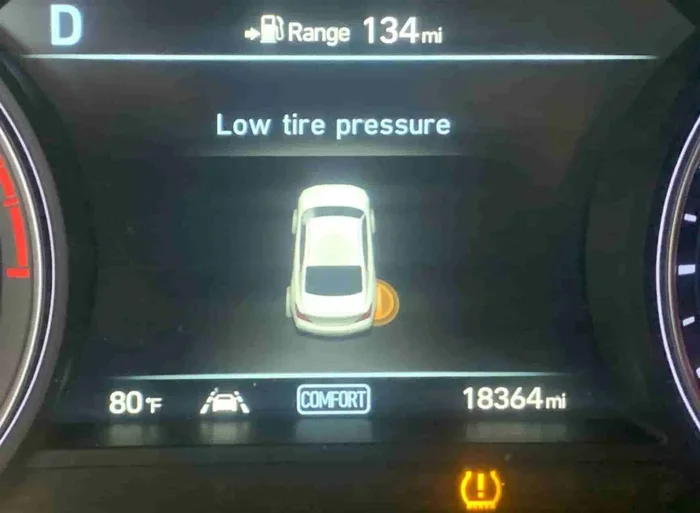
Your car has a built-in system called the Tire Pressure Monitoring System, or TPMS for short. This system uses sensors inside each wheel to measure the air pressure in your tires. When the pressure drops below a certain level, the system triggers a warning light on your dashboard.
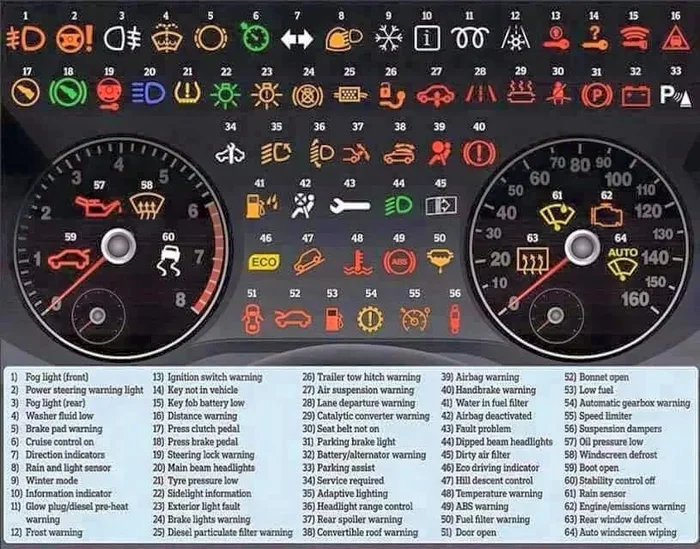
The light usually looks like a horseshoe shape with an exclamation point in the middle. Some cars show a more detailed graphic, but the message is the same: check your tire pressure. The TPMS was mandated in all new vehicles sold in the United States starting in 2008, so if you drive a newer car, you have this safety feature working for you.
The system is designed to protect you. Underinflated tires can lead to poor fuel economy, uneven tire wear, and even blowouts. However, the system does not always tell the full story. It can activate for reasons that have nothing to do with actual low pressure. That is where things get tricky.
Why Does the Tire Pressure Light Come on When Tires Are Full?
This is the question that confuses most drivers. You know your tires are full. You might have even just filled them yesterday. So why is that annoying yellow light still glowing on your dashboard? There are several very common reasons for this.
1. Temperature Changes Cause Air Pressure to Fluctuate
Air behaves differently when the temperature changes. When it gets cold outside, the air inside your tires contracts and takes up less space. This causes the pressure to drop slightly. A change of just 10 degrees Fahrenheit can reduce your tire pressure by about 1 PSI (pounds per square inch).
That might sound tiny, but your TPMS is very sensitive. It can detect pressure drops as small as 10% below the recommended level. So if you filled your tires on a warm afternoon and then drove home on a cold morning, the light might come on even though your tires are still safe to drive on.
This is one of the most common reasons drivers see the tire pressure warning light activate. It does not mean anything is broken. It just means the air inside is reacting to the weather. Once the tires warm up from driving, the air expands and the light often goes away on its own.
2. The TPMS Sensor Battery Is Dying
Every tire pressure sensor has a small battery inside it. These batteries typically last between 5 and 10 years. When the battery starts to weaken, the sensor cannot send accurate readings to your car’s computer. This often triggers the warning light even when your tire pressure is perfectly normal.
You cannot recharge these batteries. When they die, the entire sensor unit needs to be replaced. This is a common issue in older vehicles or cars with high mileage. If your car is more than 7 years old and the light keeps coming on, a dying sensor battery is a very likely culprit.
3. A Faulty or Damaged Sensor
Sometimes the sensor itself is the problem. Sensors can get damaged from road debris, potholes, or even normal wear and tear over time. Corrosion around the valve stem can also interfere with the sensor’s ability to read pressure correctly.
A faulty sensor might send incorrect data to your car’s computer, causing it to think your tires are underinflated when they are not. In some cases, the sensor simply stops working altogether and needs to be replaced. Can I Fix My Own Tire Pressure Sensor? In many cases, yes, but it depends on the type of sensor your vehicle uses.
4. You Overinflated the Tires
Here is something many drivers do not expect: putting too much air in your tires can also trigger the tire pressure light. Every tire has a recommended pressure range printed on the driver’s side door jamb. Going above that range can cause the system to flag a warning.
Overinflated tires have a smaller contact patch with the road, which reduces traction and causes uneven wear in the center of the tread. They also feel harder and provide a harsher ride. Always use a tire pressure gauge to check your pressure rather than just guessing by feel.
5. A Slow Leak You Cannot See
A very slow puncture or a tiny crack in the valve stem can drain air from your tire so gradually that you never notice it. By the time the TPMS triggers the warning light, the tire might be low enough to be unsafe. This is especially common with older tires or after hitting a pothole or curb.
If your light keeps coming back after you fill the tires, a slow leak is probably the cause. Check each tire visually and feel around the valve stem for any hissing air. You can also apply soapy water to the tire and look for bubbles forming, which will reveal the exact location of a leak.
6. You Recently Changed or Rotated Your Tires
If you have recently had your tires rotated or replaced, the TPMS light might come on simply because the system needs to be recalibrated. The sensors need time to relearn the new tire positions and pressure levels. In some vehicles, you need to manually reset the system after any tire service.
How to Check Your Tire Pressure the Right Way
Before you assume anything is wrong with your car, the first step is to verify your tire pressure with a reliable gauge. Here is how to do it correctly.
- Find the recommended pressure for your vehicle. Look on the sticker inside the driver’s door frame or in your owner’s manual. Do not use the number printed on the tire sidewall, as that is the maximum pressure, not the recommended pressure.
- Check your tires when they are cold. Driving heats up the air inside the tires, which increases the pressure reading. Wait at least 30 minutes after driving before checking.
- Remove the valve cap from the tire and press the gauge firmly onto the valve stem.
- Read the number on the gauge and compare it to the recommended pressure.
- Add air if the pressure is low. Let out air if it is too high.
- Replace the valve cap and repeat for all four tires, including the spare if applicable.
Using a digital tire pressure gauge gives you the most accurate reading. The pencil-style gauges you find at gas stations are convenient but often less precise. Investing in a good personal gauge takes the guesswork out of tire maintenance.
Also, keep in mind that Can You Tell If Your Car Is Low On Oil is a separate check entirely, but both tire pressure and oil level fall under the broader category of routine vehicle maintenance that keeps your car running safely and efficiently.
How to Reset the Tire Pressure Light
Once you have confirmed your tires are at the correct pressure, the next step is to reset the TPMS light. The reset process varies depending on your vehicle, but here are the most common methods.
Method 1: Use the Reset Button
Many vehicles have a dedicated TPMS reset button located beneath the steering wheel. Press and hold it until the warning light on the dashboard blinks three times. Then start the engine and let it run for about 20 minutes. The system should recalibrate and the light should turn off.
Method 2: Through the Infotainment System
Some newer cars allow you to reset the tire pressure monitoring system through the vehicle settings menu. Navigate to the vehicle or tire settings on your screen and look for a TPMS reset option. Follow the on-screen prompts to complete the reset.
Method 3: Drive at a Steady Speed
Certain vehicles will automatically reset the TPMS light after you drive at a steady speed of 50 mph or above for about 10 minutes. This method works on some Honda, Toyota, and Ford models but is not universal.
If none of these methods work, the problem might be deeper than a simple reset. In that case, it is worth visiting a mechanic or tire shop to have the sensors professionally checked. You can also learn more about How Do I Manually Clear My Car Codes for related troubleshooting steps.
When Should You See a Mechanic?
Most of the time, a tire pressure light on a full set of tires is nothing to worry about. But there are situations where professional help is the right call.
- The light stays on even after you reset the system and confirm correct pressure.
- You notice one tire losing air faster than the others.
- The TPMS light flashes instead of staying solid. A flashing light often indicates a malfunctioning sensor rather than a pressure issue.
- You see visible damage to the tire, such as bulges, cuts, or punctures.
- You have tried replacing the sensor battery and the light still does not go off.
A mechanic can run a diagnostic scan to read the error codes from each individual sensor. This tells you exactly which sensor is failing and whether it needs repair or replacement. Sometimes the fix is as simple as replacing a $10 battery inside the sensor. Other times, the entire sensor unit needs to be swapped out.
It is also worth noting that warning lights on your dashboard work similarly across different systems. If you have ever wondered Can A Check Engine Light Turn Off On Its Own, the answer is yes in many cases, and the same principle applies to the TPMS light. Both systems can self-correct once the underlying issue is resolved.
Common Mistakes Drivers Make With Tire Pressure
Avoiding these simple mistakes can save you a lot of trouble with your tire pressure light.
- Ignoring the light: Even if your tires feel fine, a persistent warning light means something needs attention. Ignoring it can lead to safety issues or costly tire damage.
- Relying only on the TPMS: The system is a backup, not a replacement for regular manual checks. It only alerts you when pressure is significantly low, not when it is slightly off.
- Checking pressure when tires are hot: This gives inaccurate readings and can lead to overinflation.
- Using the wrong pressure number: Always use the vehicle manufacturer’s recommended pressure, not the number molded into the tire.
- Forgetting the spare tire: Some vehicles have TPMS sensors in the spare. If your spare is flat, it can trigger the light too.
- Not replacing valve stems: Old or cracked valve stems can cause slow leaks that are hard to detect without a pressure check.
How Seasonal Changes Affect Tire Pressure
Your tires are more sensitive to weather than you might think. As a general rule, tire pressure drops by about 1 PSI for every 10-degree drop in outside temperature. This means going from a warm 75-degree day to a chilly 45-degree night can reduce your pressure by 3 PSI.
In winter, this is the number one cause of unexpected tire pressure warning lights. Many drivers fill their tires in the fall and then see the light pop on in January when temperatures plunge. The fix is usually as simple as adding a little air and resetting the system.
In summer, the opposite can happen. Hot pavement heats up the air inside your tires, increasing the pressure. If you filled your tires in the cool morning and then drove on hot asphalt all day, the pressure could rise enough to trigger the light. This is why checking your pressure in the cool morning is always the best practice.
Tips to Keep Your TPMS in Good Shape
Taking care of your tire pressure monitoring system is easier than most people think. Follow these simple tips and you will avoid most common TPMS problems.
- Check your tire pressure at least once a month with a personal gauge.
- Always check pressure when the tires are cold for the most accurate reading.
- Keep a record of your tire pressure readings so you can spot trends over time.
- Replace valve stem caps to prevent moisture and dirt from entering the valve.
- Have your TPMS sensors inspected during every tire rotation or oil change.
- Replace sensor batteries proactively every 5 to 7 years to avoid unexpected failures.
- Use the correct tire size and type recommended by your vehicle manufacturer.
These small habits add up over time and help you avoid the frustration of a constantly lit tire pressure light. They also keep your tires wearing evenly, your fuel economy optimized, and your family safe on the road.
Final Thoughts
A tire pressure light on when your tires are full is almost always a solvable problem. In most cases, it comes down to temperature changes, a sensor issue, or a simple need to reset the system. By understanding how your TPMS works and staying on top of routine tire maintenance, you can handle this situation with confidence.
Do not let that yellow light stress you out. Grab a tire pressure gauge, check your readings, and follow the steps in this guide. In the vast majority of cases, the fix is quick, easy, and costs nothing. Your tires will thank you, and your dashboard will finally go quiet.
Stay proactive with your vehicle maintenance, and remember that a little attention today can prevent big problems tomorrow. Safe driving starts with properly inflated tires, and now you have the knowledge to keep them in great shape.
Frequently Asked Questions
Can I drive my car with the tire pressure light on?
If the light is on but your tires feel firm and the pressure checks out normal, you can likely drive carefully to a safe location or mechanic. However, if the tires actually feel soft or look deflated, you should not drive far. Low pressure can cause tire failure at highway speeds, so it is best to pull over safely and check the pressure before continuing.
How much does it cost to replace a TPMS sensor?
Individual TPMS sensors typically cost between $50 and $100 each, and labor for installation runs about $20 to $50 per sensor. Some shops offer a bundled price for all four sensors. The sensor battery itself is not sold separately on most modern units, so you replace the entire sensor assembly.
Why does my tire pressure light come on in cold weather?
Cold weather causes the air inside your tires to contract, which lowers the pressure. Your TPMS is sensitive enough to detect even small drops. This is completely normal and usually resolves once the tires warm up from driving or the outside temperature rises.
How do I know which TPMS sensor is faulty?
A mechanic can connect a diagnostic scanner to your vehicle’s OBD-II port to read the specific error codes from each sensor. This will tell you exactly which wheel has the failing sensor. Some newer vehicles also display individual tire pressure readings on the dashboard or infotainment screen.
Can I replace a TPMS sensor battery myself?
On most vehicles, the sensor battery is not user-replaceable because the entire sensor unit is sealed. You would need to replace the whole sensor. However, some aftermarket sensors allow battery replacement with the right tools. If you are not comfortable working with tire-mounted electronics, it is best to let a professional handle it.
Does the tire pressure light mean I need new tires?
Not necessarily. The light is almost always about pressure, not tire condition. However, if your tires are old, worn, or damaged, the light could be a sign that a slow leak has developed. A quick pressure check and visual inspection will tell you whether you need air, a repair, or a full tire replacement.
=== CONCLUSION ===
The tire pressure light on when tires are full is a common and usually simple problem. Whether it is caused by cold weather, a dying sensor battery, a slow leak, or just needs a reset, you now have the knowledge to handle it like a pro. Keep a quality tire pressure gauge in your glove box, check your pressures monthly, and do not ignore the light when it appears. Your tires, your fuel economy, and your safety all depend on keeping that air pressure just right.