Who Charges the Least for an Oil Change and Save Money
Finding the cheapest oil change doesn’t have to be hard. Dealerships, independent shops, and quick lube centers all price their oil change services differently. This guide breaks down real costs and shows you exactly where to save the most money on your next oil change.
Let’s face it. Nobody loves spending money on car maintenance. But your car needs an oil change regularly, and the cost can surprise you. One shop might charge $30, while another asks for $100 or more. So who charges the least for an oil change?
The answer isn’t as simple as picking the cheapest name on the list. Different places use different oil types, offer different services, and have different overhead costs. In this guide, we break down the real numbers behind every option. You’ll learn exactly where to go, what to watch out for, and how to save real money on your next oil change.
Whether you drive a Toyota, Honda, or any other make, this article covers it all. We compare dealership prices, independent shops, quick lube chains, and even the DIY route. By the end, you’ll know exactly which option fits your budget and your car best. Let’s dive in.
Key Takeaways
- Quick lube shops often charge the least: Places like Valvoline and Jiffy Lube typically offer the lowest base prices for a standard oil change.
- Dealerships cost more but offer expertise: A dealership oil change usually runs higher but comes with manufacturer-trained technicians and genuine parts.
- DIY oil changes can save you big: Doing it yourself can cut costs by 50% or more if you already own basic tools.
- Independent mechanics are a sweet spot: They often balance fair pricing with quality service better than both dealerships and chains.
- Synthetic oil costs more upfront: But it lasts longer, which means fewer oil change visits over time.
- Always ask about bundled deals: Many shops discount oil change prices when you book other maintenance services at the same time.
📑 Table of Contents
Understanding Oil Change Costs
Before you pick a place, it helps to understand what you’re actually paying for. An oil change isn’t just about pouring new oil into your engine. Several factors drive the total cost.
What’s Included in a Basic Oil Change
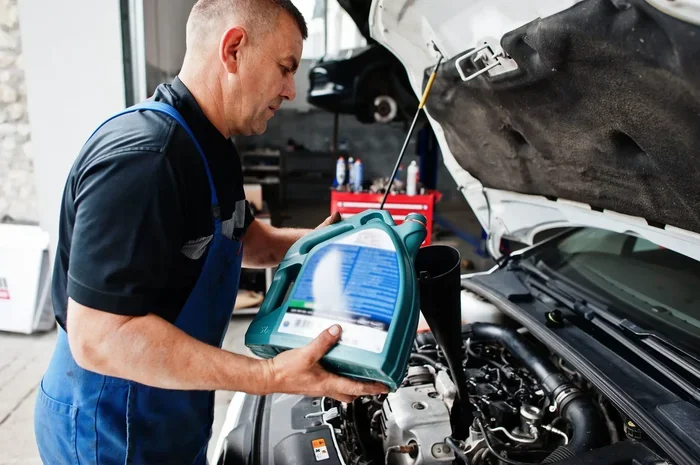
A standard oil change typically includes these steps:
- Draining the old oil from the engine
- Replacing the oil filter
- Adding new oil (conventional, synthetic blend, or full synthetic)
- Checking fluid levels and tire pressure
- A quick visual inspection of undercarriage components
Some shops include extras like a multi-point inspection, topping off washer fluid, or checking the air filter. These add-ons can bump up the price. But they also add value. A full-service oil change gives you more bang for your buck.
Types of Oil and Their Price Differences
The type of oil your car uses has a huge impact on cost. Here’s a quick breakdown:
- Conventional oil: The most affordable option. Great for older cars with simple engines. Expect to pay around $30 to $45.
- Synthetic blend: A mix of conventional and synthetic. Offers better protection at a moderate price. Usually $40 to $60.
- Full synthetic oil: The best protection and performance. Costs more upfront but lasts longer. Typically $50 to $80.
- High-mileage oil: Designed for cars with over 75,000 miles. Contains extra additives. Priced similarly to full synthetic.
If you’re unsure which oil your car needs, check your owner’s manual. Using the right oil type protects your engine and keeps your maintenance schedule on track.
Where to Get the Cheapest Oil Change
Now let’s compare the main places where people get their oil change done. Each option has pros and cons. The cheapest isn’t always the best, and the most expensive isn’t always the worst.
Quick Lube Shops
Quick lube chains like Valvoline, Jiffy Lube, and Take 5 are often the most affordable option. They specialize in fast, no-frills oil changes. You can usually walk in without an appointment and be done in 15 to 30 minutes.
Average cost: $25 to $50 for a conventional oil change.
These shops keep their overhead low. They focus on speed and volume. That’s why they can offer low oil change prices. But there’s a trade-off. The service is basic, and the technicians may not know your specific vehicle as well as a specialist would.
Quick lubes also push upsells. They might suggest a transmission flush, fuel system cleaning, or new air filter. These aren’t always necessary. Stick to what your car actually needs.
One thing to note: if you want to negotiate the price of an oil change, quick lube shops are often the most flexible. They run frequent coupons and promotions. Signing up for their loyalty programs can save you even more.
Independent Mechanics
Independent shops are local businesses run by experienced mechanics. They often charge less than dealerships but more than quick lubes. The advantage? They usually know your car better and provide more personalized service.
Average cost: $35 to $65 for a standard oil change.
Independent mechanics can also work on your car if you have other issues. They’re a great one-stop shop for car maintenance. Many independent shops use quality parts and offer warranties on their work.
If you find a trustworthy independent mechanic, stick with them. They’ll often give you honest advice about what your car actually needs versus what’s just a nice-to-have.
Dealerships
Dealerships are the most expensive option for most people. But they do have advantages. Their technicians are trained specifically for your car brand. They use genuine manufacturer parts and follow the official maintenance schedule.
Average cost: $50 to $100+ for an oil change at a dealership.
Are dealerships more expensive for oil changes? Yes, typically. But they also provide detailed service records. This matters if you plan to sell your car or use your warranty. A dealership oil change can also be required to keep certain warranties valid.
Some people ask, “Can I take my Toyota to any dealership for service?” The answer is generally yes for most brands. You don’t have to go to the dealership where you bought the car. But you also don’t have to go to a dealership at all for routine maintenance like an oil change.
DIY Oil Changes
Do you want to save the most money possible? Do it yourself. Changing your own oil is simpler than most people think. You’ll need a few basic tools, a drain pan, and the right oil and filter for your vehicle.
Average cost: $20 to $40 for the oil and filter alone.
DIY oil changes save you the labor cost entirely. You also control the quality of every part that goes into your car. The downside? It takes time, and you need somewhere to dispose of the old oil properly.
Many auto parts stores like AutoZone and O’Reilly will recycle your used oil for free. Just bring it in. If you’ve never done it before, watch a few tutorials specific to your car model. The process is straightforward once you see it done.
Oil Change Price Comparison
Let’s put some real numbers on the table. Here’s a general comparison of oil change costs across different service providers:
- Quick Lube Chains: $25 – $50 (conventional), $40 – $65 (synthetic)
- Independent Mechanics: $35 – $65 (conventional), $50 – $75 (synthetic)
- Dealerships: $50 – $100+ (conventional), $70 – $120+ (synthetic)
- DIY: $20 – $40 (materials only)
The numbers above are averages. Your actual cost depends on your vehicle, your location, and the type of oil you choose. Cars that require synthetic oil will always cost more, no matter where you go.
If you’re looking for the absolute lowest price, quick lube shops with a coupon usually win. But if you want the best value, an independent mechanic often delivers the best balance of price and quality.
Some people wonder if they can change their Corolla S oil themselves. The answer is absolutely yes. Most Toyota Corollas are straightforward to work on. The process is similar across many popular models.
Factors That Affect Oil Change Price
Why do oil change prices vary so much from shop to shop? Several factors play a role.
Your Vehicle Type
Luxury cars, trucks, and performance vehicles often need more oil or special filters. A standard sedan might use 5 quarts of oil, while a large truck could need 8 or more. More oil means a higher bill. Diesel engines also cost more to service than gasoline engines.
Your Location
Living in a big city usually means higher prices. Rent and labor costs are steeper. A mechanic in rural Kansas might charge $10 to $20 less than one in downtown New York or Los Angeles.
The Shop’s Overhead
Dealerships have large facilities, fancy waiting rooms, and brand-name overhead. Quick lubes keep things minimal. Independent shops fall somewhere in between. These costs get passed on to you in the final price.
Oil Type and Filter Quality
Not all oil is created equal. Premium synthetic oils with advanced additives cost more. Similarly, high-quality oil filters from brands like Toyota or Bosch cost more than generic ones. The parts your shop uses directly affect the price.
How to Save Money on Oil Changes
Saving money on your oil change doesn’t mean sacrificing quality. Here are proven strategies that actually work.
Use Coupons and Loyalty Programs
Almost every chain shop offers coupons. Sign up for their email lists and you’ll get deals sent straight to your inbox. Loyalty programs often give you a free oil change after a certain number of visits. That’s real savings over time.
Don’t Fall for Unnecessary Upsells
Technicians might recommend services you don’t need. A transmission flush, engine flush, or fuel injection cleaning might be suggested at every visit. These can add $50 to $150 to your bill. Politely decline anything that isn’t on your maintenance schedule.
Consider Synthetic Oil for Longer Intervals
Full synthetic oil costs more per change, but it lasts longer. You might go 7,500 to 10,000 miles between changes instead of 3,000 to 5,000. Over a year, you could end up spending less overall. If you’re wondering, do I really need to change synthetic oil every 6 months? Not always. Check your manufacturer’s recommendations.
Track Your Oil Life Percentage
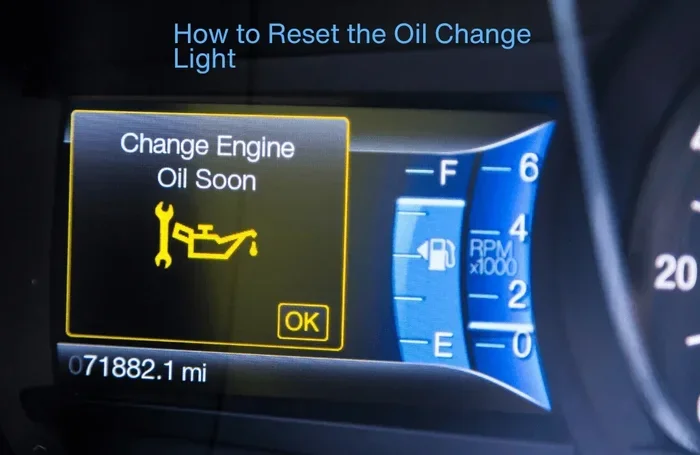
Many modern cars have an oil life monitoring system. Instead of changing oil based on mileage alone, the system tells you when it’s actually needed. When your oil life percentage drops to around 15-20%, it’s time to schedule your service. This prevents you from changing oil too early and wasting money.
Ask About Price Matching
Some shops will match a lower competitor’s price. It never hurts to ask. Bring a printed or screenshot quote from a local competitor. You might be surprised how often they’ll honor it.
Common Oil Change Mistakes to Avoid
Even when you’re trying to save money, mistakes can cost you more in the long run. Here are the most common ones to watch out for.
Skipping Oil Changes Entirely
This is the biggest mistake drivers make. Old oil breaks down and loses its ability to lubricate your engine. Skipping an oil change can lead to expensive engine damage. It’s one of the cheapest forms of car insurance you can buy.
Using the Wrong Oil
Not every car needs synthetic oil. Using premium oil when conventional is fine wastes money. On the flip side, using conventional oil in a car that requires synthetic can cause engine problems over time. Always follow your owner’s manual.
Ignoring the Oil Filter
Some shops offer a discount if you skip the oil filter replacement. Don’t do it. The filter catches contaminants and keeps your engine oil clean. A clogged filter can cause serious engine damage. Always get a new filter with every change.
Driving on Low Oil
Can you tell if your car is low on oil? Yes. Check your dipstick regularly. Low oil causes friction, heat, and eventually engine failure. Don’t wait for the dashboard warning light. By then, it might already be too late.
Expert Insights
We spoke with several certified mechanics about the best ways to save on oil changes without cutting corners. Here’s what they had to say.
“The cheapest option isn’t always the best,” says a longtime Toyota specialist. “But the most expensive isn’t either. Find a shop that uses quality parts, charges fair prices, and treats your car right. That’s the real sweet spot.”
Another mechanic added that oil life percentage is a great tool for modern vehicles. “Don’t just go by mileage. Use your car’s monitoring system. It takes the guesswork out of timing your oil change.”
For those wondering about Toyota oil filters, the experts agree that genuine Toyota filters are worth the small extra cost. They’re designed specifically for your engine and provide reliable filtration.
Key Takeaways
- Quick lube shops win on price: They offer the lowest base cost for a standard oil change, especially with coupons.
- Independent mechanics offer the best value: Fair prices combined with quality service and personalized attention make them a top choice.
- Dealerships are worth it for warranty work: If you need to keep service records or maintain a warranty, a dealership oil change makes sense.
- DIY saves the most money: If you’re comfortable under the hood, changing your own oil cuts costs dramatically.
- Synthetic oil pays off long-term: Fewer changes and better engine protection offset the higher upfront cost.
- Know your car’s needs: Check your owner’s manual and follow the manufacturer’s recommended maintenance schedule.
- Avoid upsells you don’t need: Stick to what your car actually requires and politely decline unnecessary extras.
Conclusion
So who charges the least for an oil change? Quick lube shops and DIY options come out on top for pure cost savings. But the real answer is more nuanced. The best place for your oil change depends on your budget, your vehicle, and how much convenience you value.
If you want the lowest price and don’t mind a quick in-and-out visit, hit up a chain quick lube with a coupon. If you want personalized service and fair pricing, find a trusted independent mechanic. If you want to save the most and have the skills, go DIY.
No matter where you go, never skip your oil change. It’s the single most important thing you can do to protect your engine and extend your car’s life. A few dollars spent on an oil change today can save you thousands in repairs tomorrow.
Take the time to compare prices, ask questions, and understand what you’re paying for. Your car and your wallet will thank you.
Frequently Asked Questions
How often should I get an oil change?
It depends on your vehicle and the type of oil you use. Conventional oil typically needs changing every 3,000 to 5,000 miles. Synthetic oil can last 7,500 to 10,000 miles. Check your owner’s manual for the exact maintenance schedule recommended by your manufacturer.
Can I negotiate the price of an oil change?
Yes, especially at independent shops and quick lube chains. Many are willing to match competitor prices or offer discounts for first-time customers. It never hurts to ask. You can also look for online coupons and loyalty program deals before booking.
Is it OK to go 10,000 miles on synthetic oil?
For many modern vehicles, yes. Full synthetic oil is designed to last longer than conventional oil. Some manufacturers even recommend 10,000-mile intervals for synthetic. However, always check your specific vehicle’s requirements before extending your oil change interval.
Can I drive my car if the check engine light is on?
It depends on the situation. If the light is steady and your car runs normally, you may have a few hundred miles to get it checked. But if the light is flashing, pull over safely and get your car towed. A flashing check engine light often signals a serious problem that could damage your engine if you keep driving.
Are Toyota oil filters worth the extra cost?
Yes, for Toyota vehicles. Genuine Toyota oil filters are engineered specifically for Toyota engines. They provide reliable filtration and fit perfectly. While aftermarket filters may cost less, genuine filters offer peace of mind and consistent performance.
Can I change my car’s oil myself if I’m a beginner?
Absolutely. Changing your own oil is one of the easiest car maintenance tasks. You’ll need basic tools, a drain pan, and the right oil and filter. There are plenty of step-by-step videos online specific to your car model. Just make sure you dispose of the old oil properly at a recycling center.