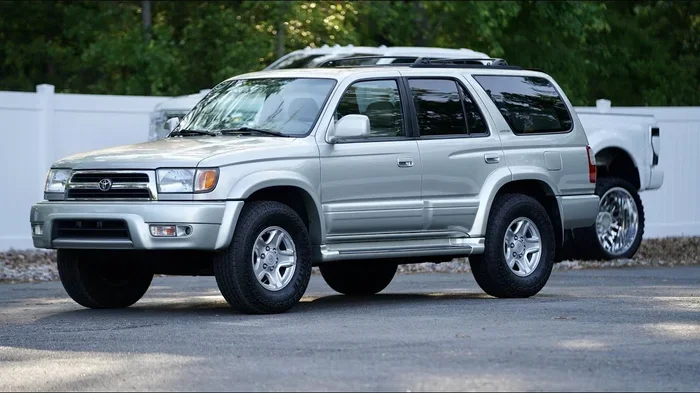
How Many Miles Can A 2000 Toyota 4Runner Last
With proper care and regular maintenance, a 2000 Toyota 4Runner can last well over 300,000 miles, making it one of the most long-lasting SUVs in its class. Owners frequently report crossing the 200,000-mile milestone without major issues, a testament to Toyota’s legendary engineering and the vehicle’s robust components. So if you are asking how many miles can a 2000 Toyota 4Runner last, the simple answer is that this truck is built to go far beyond what most drivers expect.
How Many Miles Can A 2000 Toyota 4Runner Last
The 2000 Toyota 4Runner is one of the most respected SUVs on the road today. If you have been wondering how many miles can a 2000 Toyota 4Runner last, the answer might surprise you. With the right care, this legendary truck-based SUV can easily cross the 300,000-mile mark and keep going strong. Many owners report pushing their 4Runners well past 250,000 miles without major issues.
This guide breaks down everything you need to know about the 4Runner lifespan. We will cover what makes this vehicle so durable, what mileage to expect, and how to keep yours running for years to come. Whether you are buying a used 2000 4Runner or already own one, this article has practical tips that really matter.
The Toyota 4Runner reliability is no accident. Toyota built this vehicle with a simple, proven design that prioritizes toughness over flash. That is why so many drivers trust their 4Runner mileage expectations to last for decades.
Key Takeaways
- A well-maintained 2000 Toyota 4Runner can easily surpass 300,000 miles with proper care.
- Regular oil changes and maintenance are the single biggest factor in extending your 4Runner’s lifespan.
- The 3.4-liter V6 engine is known for durability and reliability over high mileage.
- Rust prevention is critical — check the frame and body panels on older models regularly.
- Replace timing belts and suspension parts on schedule to prevent costly repairs down the road.
- A solid 2000 4Runner retains strong resale value thanks to its legendary reputation.
- Proper storage and climate control significantly reduce wear on aging 4Runner components.
📑 Table of Contents
What Makes The 2000 Toyota 4Runner So Durable
The 2000 Toyota 4Runner earned its reputation through solid engineering and straightforward design. Unlike modern SUVs packed with complex electronics, this model relies on basics that hold up over time. The body-on-frame construction gives it real strength and durability.
The Engine And Drivetrain
Under the hood, the 2000 4Runner came with a 3.4-liter V6 engine that produces around 190 horsepower. This engine is known for being simple and reliable. It uses a traditional overhead valve design that is easier to maintain than more modern setups. The engine has fewer sensors and computer components that can fail over time.
The 4Runner engine life is impressive because of this simplicity. Many mechanics agree that the 3.4-liter V6 can handle high mileage when properly maintained. The drivetrain includes a rugged transmission and solid axle setup that handles heavy use with ease.
Body-On-Frame Construction
Unlike unibody SUVs, the 4Runner uses a body-on-frame design. This means the body sits on a separate, strong steel frame. This design offers several advantages:
- Better durability for off-road use
- Easier and cheaper to repair after damage
- Greater structural strength over time
- Better towing and hauling capability
This construction method is a big reason why the Toyota SUV longevity of the 4Runner stands out in its class.
Simple Electronics And Fewer Failure Points
The 2000 model year predates the era of complex touchscreens and advanced driver-assist systems. There are fewer things that can go wrong. The electrical system is basic and well-understood by mechanics. This simplicity translates directly into fewer repair bills and more reliable daily driving.
Average Lifespan And Mileage Expectations
So, what is the real 4Runner lifespan you can expect? The answer depends on several factors, but the numbers are encouraging for potential buyers.
Typical Mileage Ranges
Most 2000 Toyota 4Runner models can last between 200,000 and 300,000 miles with regular maintenance. Some well-cared-for examples push past 350,000 miles. Here is a general breakdown:
| Condition | Expected Mileage | Key Factors |
|---|---|---|
| Well Maintained | 250,000 – 350,000 miles | Regular oil changes, timely repairs |
| Average Maintenance | 180,000 – 250,000 miles | Basic services kept up, minor neglect |
| Poorly Maintained | 100,000 – 180,000 miles | Delayed repairs, skipped services |
| Off-Road Heavy Use | 150,000 – 250,000 miles | Rust, suspension wear, body damage |
For comparison, how long is 200000 miles on a car is a common question for any vehicle owner. Most cars start showing significant wear around that mark. But the 4Runner is built differently. Its truck heritage gives it a head start in the durability department.
Real-World Owner Reports
Many 4Runner forums and owner reports confirm these numbers. Owners regularly share stories of their 4Runners hitting 300,000 miles or more. The vehicle has a loyal following partly because of this proven track record. When you compare this to other SUVs in the same class, the gap becomes clear.
Keep in mind that how many miles is too much for a cruiser style vehicle depends entirely on maintenance history. A high mileage 4Runner with service records is often a better buy than a low-mileage example with unknown history.
Key Maintenance Tips To Extend Your 4Runner’s Life
Maintenance is the single biggest factor in how many miles can a 2000 Toyota 4Runner last. Following a consistent service schedule can add tens of thousands of miles to your vehicle’s life.
Oil Changes And Fluid Maintenance
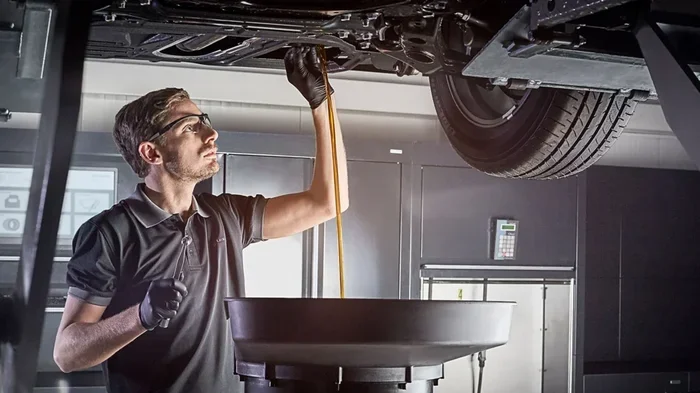
Change your oil every 3,000 to 5,000 miles with quality conventional or synthetic blend oil. The 3.4-liter V6 is not picky about oil type, but consistency matters. Also keep these fluids fresh:
- Transmission fluid every 60,000 miles
- Coolant every 30,000 miles or as recommended
- Brake fluid every 2 years
- Power steering fluid as needed
- Differential fluid every 30,000 miles
Fresh fluids prevent internal wear and keep all systems running smoothly. This is one of the easiest ways to protect your 4Runner mileage investment.
Timing Belt And Major Service Intervals
The 2000 4Runner uses a timing belt that should be replaced around 90,000 to 100,000 miles. Do not skip this service. A broken timing belt can destroy the engine. This is one of the most important maintenance items on the entire vehicle.
Other major service intervals include:
- Spark plug replacement every 60,000 miles
- Drive belt inspection every 30,000 miles
- Suspension component checks every 30,000 miles
- Brake pad and rotor inspection at every service
Rust Prevention And Body Care
The 2000 4Runner is now over 24 years old. Rust is a real concern for vehicles this age. Wash the undercarriage regularly, especially in winter months when salt is used on roads. Apply rust-proofing treatment if the vehicle has not already been treated. Address any paint chips or scratches promptly to prevent rust from spreading.
Off-Road Considerations
If you use your 4Runner for off-roading, additional maintenance is needed. Check suspension bushings, ball joints, and tie rods more frequently. Off-road use puts extra stress on these components. Upgrading to aftermarket parts can help absorb the abuse and extend component life.
Common Issues At High Mileage
Even the most reliable vehicles develop issues as they age. Knowing what to watch for helps you stay ahead of costly repairs.
Common High-Mileage Problems
The 2000 4Runner problems that owners most commonly report include:
- Rust on the frame and body panels – especially in northern states
- Worn suspension components – ball joints, tie rods, and control arm bushings
- Timing belt wear – must be replaced at the proper interval
- Head gasket issues – less common but possible at very high mileage
- Transmission hesitation – often fixed with a fluid change
- Electrical gremlins – corroded connectors and aging wiring
Cost Of Ownership At High Mileage
One advantage of the 4Runner is that parts are widely available and affordable. Toyota has supported this model for decades. Common repairs like suspension components and brake jobs cost reasonable amounts. The 4Runner repair costs remain manageable even at higher mileage because the design is straightforward.
Compare this to vehicles with complex systems where a single sensor failure can cost hundreds of dollars. The 4Runner keeps things simple and cost-effective.
When To Consider Major Repairs
A good rule of thumb is to evaluate repairs against the vehicle’s overall value. If a repair costs more than the vehicle is worth, it may be time to move on. However, for the 2000 Toyota 4Runner, major repairs like engine or transmission work are often worth it because these vehicles hold their value so well.
Is A 2000 4Runner Worth Buying Today
The used 4Runner buying guide for this model year comes down to a simple question: was it maintained? A well-cared-for 2000 4Runner is an excellent purchase. A neglected one can become a money pit.
What To Look For When Buying
Before purchasing a used 2000 4Runner, check these key areas:
- Request full service records if available
- Look for rust, especially on the frame and rocker panels
- Test drive the vehicle and listen for unusual noises
- Check the timing belt replacement history
- Inspect the suspension for worn components
- Verify the odometer reading matches the wear on the vehicle
A high mileage 4Runner with documented service history is often a smarter buy than a low-mileage example with no records. The Toyota 4Runner reliability means these vehicles can handle long distances without major issues.
Resale Value And Long-Term Investment
The 4Runner holds its value remarkably well. Even older models like the 2000 year command strong resale prices in the used market. This is partly due to their reputation for durability and partly due to the growing nostalgia for older Toyota SUVs. When you compare this to how old your car can be for Lyft or similar services, the 4Runner easily qualifies for many years of additional use.
Think about it this way. A 2000 Toyota 4Runner purchased for $5,000 to $8,000 in good condition can easily serve you for another 100,000 miles or more. That is an incredible value proposition for a vehicle that can handle any terrain you throw at it.
Comparison With Other Toyota Models
When considering Toyota reliability, the 4Runner stands alongside models like the Camry and Tacoma. Many people ask whether 000 miles a lot for a Toyota Camry, and the answer is similar. Toyota vehicles in general are built to last. The 4Runner simply adds off-road capability and rugged durability to that proven formula.
If you are comparing options, the 4Runner offers something most SUVs cannot. It combines Toyota SUV longevity with genuine off-road ability. Few vehicles in this price range can match that combination.
Final Thoughts On 4Runner Longevity
The answer to how many miles can a 2000 Toyota 4Runner last comes down to three things: maintenance, driving conditions, and a bit of luck. With proper care, 300,000 miles is a realistic goal. Some owners push past 350,000 miles without major issues.
The 2000 4Runner represents everything Toyota does well. Simple design, proven components, and a build quality that stands the test of time. This vehicle rewards owners who stay on top of maintenance and address small problems before they become big ones.
If you are considering buying one, look for service records and a clean title. If you already own one, keep up with the maintenance schedule and enjoy the miles. The 2000 Toyota 4Runner is a vehicle that genuinely gives back what you put into it. For more information on understanding vehicle mileage benchmarks, check out how long 200,000 miles really is on a car and what counts as too many miles for a cruiser-style vehicle to put your 4Runner’s longevity in context. You can also explore mileage expectations for Toyota vehicles to understand how the 4Runner compares across the Toyota lineup.
Drive it well, maintain it faithfully, and your 4Runner will reward you with many more miles of adventure ahead.
Frequently Asked Questions
What is How Many Miles Can a 2000 Toyota 4Runner Last?
How Many Miles Can a 2000 Toyota 4Runner Last is an important topic with many practical applications and benefits.
How can How Many Miles Can a 2000 Toyota 4Runner Last help me?
Understanding How Many Miles Can a 2000 Toyota 4Runner Last can improve your knowledge and provide practical solutions.