How to Unlock an Ignition Without Calling a Locksmith
Unlocking an ignition yourself is possible with the right approach and a little patience. Whether your ignition key won’t turn, the steering wheel is locked, or the key is stuck, there are several proven methods you can try at home. This guide walks you through every practical solution so you can get back on the road without spending money on a locksmith.
There’s nothing more frustrating than standing by your car, key in hand, and realizing the ignition won’t budge. You’re not late for work. You’re not stranded somewhere unfamiliar. You’re just… stuck. And the first thought that hits your mind is usually the same: “I need to call a locksmith.”
But wait. Before you dial that number, take a breath. Unlocking an ignition without calling a locksmith is often simpler than you think. In many cases, the problem is something you can fix in under five minutes with items you already have at home. This guide will show you exactly how.
We’ve put together every practical method, tip, and warning you need to know. From steering wheel locks to worn keys, we cover it all. By the end of this article, you’ll feel confident tackling most ignition problems on your own.
Key Takeaways
- Steering wheel lock is the most common cause: Jiggling the wheel while turning the key usually fixes it instantly.
- Worn or damaged keys cause ignition problems: Inspecting your key for wear can prevent future lockouts.
- Penetrating lubricant solves most stuck ignition issues: A simple spray can free a jammed lock cylinder.
- Key fob battery replacement often resolves electronic ignition problems: A dead battery mimics a locked ignition.
- Knowing when to call a professional saves time and money: Some ignition issues require expert attention.
- Preventive maintenance keeps your ignition working smoothly: Regular care extends the life of your ignition system.
📑 Table of Contents
Understanding Why Your Ignition Gets Locked
Before jumping into solutions, it helps to understand what’s actually happening. An ignition lock is a security feature designed to prevent theft. When something goes wrong, it’s usually one of a few common culprits. Let’s break them down.
The Steering Wheel Lock Mechanism
This is the number one reason people think their ignition is locked. When you turn off your car and move the steering wheel, it engages a locking pin inside the steering column. The wheel gets stuck, and the key won’t turn in the ignition. It’s designed to make your car harder to steal, but it can feel like a nightmare when you’re standing right there with the key.
The good news? This is the easiest problem to fix. Often, simply wiggling the steering wheel back and forth while gently turning the key unlocks everything at once.
Worn or Damaged Keys
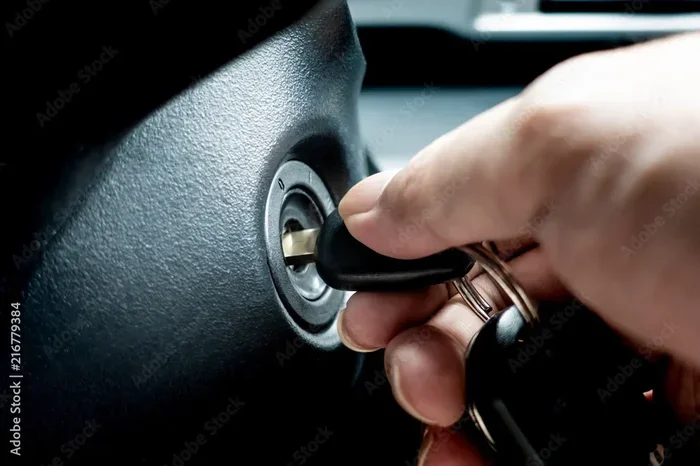
Over time, your car key wears down. The ridges that match the ignition lock cylinder become smooth. When this happens, the key can’t properly engage the tumblers inside the lock. You might notice the key feels loose or doesn’t fit as snugly as it used to.
If you’ve been using the same key for years, this could be your issue. A worn key won’t respond to jiggling or wiggling. It just won’t turn. Recognizing this early can save you from a more serious lockout later.
Debris and Dirt in the Ignition Cylinder
Dust, lint, and tiny particles build up inside the ignition lock cylinder over time. This debris can block the key from moving freely. If your car sits parked for long periods, this problem becomes more likely. The fix is usually straightforward, but we’ll get to that in a moment.
Faulty Ignition Switch or Cylinder
Sometimes the problem is mechanical. The ignition switch or cylinder itself wears out or breaks. This happens more often in older vehicles or cars with high mileage. A faulty ignition switch might let the key turn partially or not at all. This is a more serious issue that may need professional attention.
Step-by-Step Methods to Unlock Your Ignition
Now that you know why your ignition might be locked, let’s get into the solutions. Try these methods in order, starting with the simplest fixes first.
Method 1: Wiggle the Steering Wheel
This is your first move. It works more often than you’d think.
- Grab the steering wheel with both hands.
- Try rocking it gently left and right.
- While wiggling the wheel, insert the key and attempt to turn it.
- Apply light, steady pressure. Don’t force it.
You should feel the lock release. The key will turn freely once the steering column lock disengages. This single trick solves the problem for most drivers.
Quick Tip: If one direction feels tighter than the other, that’s the direction the lock is engaged. Wiggle the wheel against that tension while turning the key.
Method 2: Use a Penetrating Lubricant
If the steering wheel trick doesn’t work, the next step is lubrication. A dry or sticky ignition cylinder needs help. Penetrating lubricant like WD-40 or a similar product can free up the mechanism.
- Spray a small amount of lubricant directly into the ignition keyhole.
- Let it sit for about two minutes.
- Insert the key and gently work it back and forth.
- Repeat if needed until the key turns smoothly.
Quick Tip: Avoid using too much lubricant. Excess spray can attract more dirt and make the problem worse. A little goes a long way.
Note: Some people recommend graphite powder for ignition locks. It’s a clean alternative that won’t attract debris. If you have graphite powder handy, it’s worth trying before chemical lubricants.
Method 3: Check and Replace the Key Fob Battery
Modern cars with push-button start or smart key systems have a different kind of ignition lock. If your car uses a key fob, a dead battery can make it seem like the ignition is locked. The car simply doesn’t recognize the fob.
Replacing the key fob battery is quick and inexpensive. Most key fobs use a CR2032 coin battery, which you can find at any grocery store.
- Locate the small seam on your key fob.
- Pry it open gently with a flat tool or your fingernail.
- Remove the old battery and insert a new one.
- Close the fob and try starting the car again.
If you’re unsure about your specific fob, check your car’s manual. You can also look into whether key fobs are easy to replace for your particular vehicle model.
Method 4: Try a Spare Key
This sounds obvious, but many people don’t think of it in the moment. If you have a spare key, try it now. A spare key can tell you a lot about the problem.
- If the spare key works: Your original key is worn or damaged. Get it copied or replaced.
- If the spare key also fails: The problem is in the ignition cylinder or switch, not the key.
Having a spare key is always a good backup plan. If you don’t have one, now is a great time to get a copy made at a hardware store or locksmith.
Method 5: Tap the Ignition Cylinder
Sometimes the tumblers inside the lock cylinder get stuck. A light tap can free them up. Here’s how:
- Insert the key into the ignition.
- Use a small hammer or the handle of a screwdriver to gently tap around the key.
- While tapping, try turning the key with light pressure.
- The vibration can dislodge stuck tumblers inside the cylinder.
Be gentle. You’re not trying to break anything. You’re just using vibration to help the mechanism move freely again.
Method 6: Apply Heat to the Key
In cold weather, moisture inside the lock cylinder can freeze, making the key impossible to turn. Applying gentle heat can thaw the ice and free the key.
- Use a hairdryer on a low setting.
- Warm the key for about 30 seconds before inserting it.
- Alternatively, warm the lock cylinder itself from the outside.
- Never use an open flame or extreme heat source near your car.
This method works especially well in winter months when frost and ice build up around the ignition lock.
Common Mistakes People Make When Their Ignition Is Locked
When you’re stressed and your car won’t start, it’s easy to make mistakes. Here are the most common errors people make when trying to unlock their ignition.
Forcing the Key Too Hard
This is the biggest mistake. Applying too much force can snap the key off inside the ignition cylinder. A broken key stuck inside the lock makes the problem much worse and usually requires a locksmith to extract it.
Always use gentle, steady pressure. If the key won’t move, stop and try another method. Force is never the answer.
Using the Wrong Lubricant
Not all lubricants are safe for ignition locks. Heavy oils can attract dirt and gum up the mechanism. Avoid using cooking oils, motor oil, or thick grease near your ignition.
Stick with penetrating lubricants or graphite powder. These are designed for lock mechanisms and won’t cause buildup over time.
Ignoring the Steering Wheel Lock
Many people try every trick except the simplest one. Before doing anything else, always check if the steering wheel is locked. This single check solves the majority of ignition lock problems.
Not Checking for a Dead Key Fob Battery
If your car uses a push-button start or smart key system, a dead battery in the fob can mimic an ignition lockout. Before assuming the ignition itself is broken, always check the fob battery first.
For more information on this, you can read our guide on do you have to reset the car key after changing the battery, which covers battery-related ignition issues in detail.
When to Call a Professional Locksmith
DIY fixes work for most ignition lock problems. But there are times when calling a professional is the right move. Knowing the difference saves you time, money, and frustration.
Signs You Need a Locksmith
- The key is broken off inside the ignition cylinder.
- The ignition switch feels loose or wobbly.
- You’ve tried multiple methods and the key still won’t turn.
- Your car starts but stalls immediately after starting.
- The ignition lock cylinder is visibly damaged or corroded.
If any of these apply to your situation, it’s time to call in the experts. A professional locksmith has the tools and expertise to handle complex ignition repairs safely.
How to Choose the Right Locksmith
Not all locksmiths are created equal. Look for someone who specializes in automotive locks. Check reviews, ask for recommendations from friends, and get a quote before any work begins. A trustworthy locksmith will explain the problem clearly and offer transparent pricing.
If you’re dealing with a car that won’t start and you’ve ruled out simple fixes, it might be worth exploring whether the issue relates to your car key not turning in ignition problem specifically. Our detailed guide on that topic covers additional troubleshooting steps you can try.
Preventing Future Ignition Lock Problems
The best way to deal with an ignition lockout is to prevent it from happening in the first place. A few simple habits can keep your ignition working smoothly for years.
Use Your Key Regularly
Ignition cylinders need regular use to stay lubricated internally. If your car sits unused for long periods, the lock mechanism can dry out and seize up. Try to start and drive your car at least once a week, even if it’s just for a short trip.
Keep Your Keys Clean
Dirt and grime on your key can work its way into the ignition cylinder over time. Wipe your key down regularly with a clean cloth. If you notice the key is looking worn, consider getting a replacement before it causes a lockout.
Address Small Problems Immediately
If your key starts feeling loose or doesn’t turn as smoothly as it used to, don’t ignore it. Small issues become big problems fast. A little maintenance now can save you from a full ignition lockout later.
Store a Spare Key Safely
Always keep a spare key somewhere accessible but safe. A spare key at home or with a trusted family member means you’re never completely stuck. It’s a simple habit that provides enormous peace of mind.
Schedule Regular Vehicle Maintenance
During routine service appointments, ask your mechanic to inspect the ignition system. They can spot early warning signs of wear before they become a problem. Regular maintenance is the most cost-effective way to protect your ignition.
How to Unlock an Ignition: Quick Reference Guide
Here’s a fast summary of everything we’ve covered. Save this section for quick reference the next time you’re facing an ignition lockout.
- Step 1: Wiggle the steering wheel while turning the key.
- Step 2: Spray penetrating lubricant into the keyhole.
- Step 3: Replace the key fob battery if your car uses a smart key.
- Step 4: Try a spare key to isolate the problem.
- Step 5: Tap the ignition cylinder gently to free stuck tumblers.
- Step 6: Apply gentle heat in cold weather conditions.
- Step 7: Call a professional locksmith if none of the above works.
Following this sequence gets you from the simplest fix to the most advanced. Most people resolve their ignition lockout at Step 1 or Step 2. The later steps are for more stubborn problems that need extra attention.
For those wondering about related ignition issues, you might find our article on can you start an ignition without a key helpful. It covers alternative starting methods and additional troubleshooting tips for when traditional key-based ignition fails.
Final Thoughts
Unlocking an ignition without calling a locksmith is something most car owners can do with the right knowledge and a calm approach. The methods in this guide cover the most common ignition lock problems, from steering wheel locks to worn keys to frozen cylinders. Start with the simplest fix and work your way up. In most cases, you’ll be on your way within minutes.
Remember that prevention is your best friend. Regular key maintenance, spare key planning, and routine vehicle checks go a long way toward keeping your ignition trouble-free. And when DIY methods aren’t enough, a qualified locksmith is always there to help.
Don’t let an ignition lockout ruin your day. You now have the tools and knowledge to handle it yourself. Stay calm, try the methods in this guide, and get back on the road with confidence.
Frequently Asked Questions
Why won’t my key turn in the ignition?
The most common reason is a locked steering wheel. When the steering wheel moves after the car is turned off, it engages a security lock inside the column. Try wiggling the wheel left and right while gently turning the key. This releases the lock and allows the key to turn freely.
Can I use WD-40 to fix a stuck ignition key?
Yes, WD-40 is a penetrating lubricant that works well for ignition locks. Spray a small amount into the keyhole, wait a couple of minutes, then try turning the key gently. Avoid using too much, as excess lubricant can attract dust and debris over time.
What should I do if my key breaks off in the ignition?
Do not try to extract the broken key yourself with tweezers or other tools, as this can push it deeper. Call a professional locksmith who has specialized tools for key extraction. In the meantime, try using your spare key if you have one available.
How do I know if my ignition switch is faulty?
Signs of a faulty ignition switch include the key turning but the car not starting, the ignition feeling loose or wobbly, or electrical accessories flickering when you turn the key. If you notice these symptoms, have a mechanic inspect the ignition switch as soon as possible.
Is it safe to use heat to thaw a frozen ignition lock?
Yes, using a hairdryer on a low setting is safe and effective. Direct the warm air at the keyhole and key for about 30 seconds before inserting the key. Never use an open flame or heat gun, as these can damage the lock cylinder and surrounding components.
How often should I replace my car key to prevent ignition problems?
There’s no set schedule for key replacement. However, if you notice your key looking worn, feeling loose in the ignition, or not turning smoothly, it’s time for a replacement. Most keys last several years but heavy use can wear them down faster. For more details, check out our guide on are key fobs easy to replace to understand replacement options for your vehicle.