How to Tell If Coolant Is Low Warning Signs You Need
Knowing how to tell if coolant is low can save you from expensive engine damage. Watch for warning signs like a rising temperature gauge, coolant leaks under your car, a sweet smell from the engine bay, and steam coming from the hood. This guide walks you through every sign, cause, and fix so you can stay safe on the road.
Key Takeaways
- Temperature gauge rising: A hot needle on your dashboard is the most obvious signal that coolant is low.
- Coolant puddles under your car: Bright green, orange, or pink fluid on the ground means a leak is likely.
- Sweet smell from the engine: A syrupy odor near the front of your car often points to a coolant problem.
- Heater blowing cold air: If your heater suddenly stops producing warm air, low coolant could be the culprit.
- Check engine light: Your car may warn you with a dashboard light when coolant levels drop too low.
- Regular checks prevent damage: A simple monthly check of your coolant reservoir can save hundreds in repairs.
- Never ignore steam: Steam or smoke from the hood means stop driving immediately and check your coolant.
📑 Table of Contents
- How to Tell If Coolant Is Low: Warning Signs You Should Never Ignore
- Top Warning Signs That Your Coolant Is Low
- Common Causes of Low Coolant
- How to Check Your Coolant Level Step by Step
- What to Do When You Find Low Coolant
- How to Prevent Low Coolant Problems
- Can Low Coolant Cause Engine Overheating?
- How Often Should You Replace Coolant?
- Comparison: Coolant Warning Signs at a Glance
- Quick Tips to Remember
- Common Mistakes People Make With Coolant
- Final Thoughts: Stay Cool and Keep Driving
How to Tell If Coolant Is Low: Warning Signs You Should Never Ignore
Your car’s cooling system works hard every time you turn the key. It keeps your engine from overheating, freezing, and breaking down. But what happens when the coolant level drops too low? The answer is simple — trouble starts fast.
Learning how to tell if coolant is low is one of the most important skills every car owner should have. You do not need to be a mechanic. You just need to know what to look for. A few warning signs will tell you everything you need to know.
In this guide, we break down every sign, every cause, and every fix. By the end, you will know exactly what to do when your car is running low on coolant. Let us get into it.
What Does Coolant Do, and Why Does It Matter?
Coolant (also called antifreeze) is the liquid that flows through your engine to keep it at the right temperature. It absorbs heat from the engine and carries it away through the radiator. Without enough coolant, your engine has no way to cool itself.
Think of it like sweat on a hot day. Your body sweats to stay cool. Coolant does the same job for your engine. When the coolant level drops, that cooling system breaks down fast.
Most cars use a mix of coolant and water. This mixture freezes in cold weather and boils in hot weather. So it works in all seasons. That is why keeping the right coolant capacity matters so much.
Top Warning Signs That Your Coolant Is Low
Your car gives you plenty of clues when the coolant level drops. The key is knowing what to look for. Here are the most common warning signs.
1. The Temperature Gauge Starts Climbing
This is the number one sign. Your dashboard has a temperature gauge right in the center of the cluster. When coolant is low, that needle starts moving toward the hot side.
Normal operating temperature sits in the middle of the gauge. If you notice the needle creeping up while you drive, pull over safely. Continuing to drive with a hot engine can cause serious damage like a blown head gasket or a cracked engine block.
Some cars also have a coolant warning light on the dashboard. It looks like a thermometer with wavy lines. If this light turns on, check your coolant reservoir right away.
2. You See Puddles Under Your Car
One of the easiest ways to spot a problem is to look under your car after it has been parked. If you see a puddle, especially one that is bright green, orange, pink, or blue, that is most likely coolant.
Coolant has a slightly sticky feel. If you touch a small amount (with your finger), it feels different from oil or water. Oil is slick and dark. Water is clear and thin. Coolant is thick and colorful.
A coolant leak can come from many places. Common spots include the radiator, hoses, water pump, and heater core. Even a small leak can drain your system over time. If you notice a puddle, do not ignore it.
3. A Sweet Smell Coming From the Engine Bay
This one catches a lot of people off guard. Coolant has a sweet, syrupy smell. It is nothing like gasoline or burning oil. If you smell something sweet while driving or after you park, open the hood carefully and take a look.
The smell often comes from a leak that is dripping onto hot engine parts. Even a tiny crack in a coolant hose can cause this. The fluid evaporates quickly on hot metal, which is why you smell it before you see a puddle.
If you notice this smell often, it is a strong sign that you should learn how to tell if coolant is low and check your levels right away. Ignoring it can lead to overheating and costly repairs.
4. Steam or Smoke Coming From Under the Hood
This is the most alarming sign. If you see steam or white smoke billowing from under your hood, stop driving immediately. Pull over to a safe spot and turn off the engine.
Steam means your engine is overheating. When there is not enough coolant to absorb the heat, the remaining fluid boils. That creates steam that escapes through the radiator cap or hoses.
Do not open the radiator cap while the engine is hot. The system is under pressure, and hot coolant can spray out and burn you. Wait at least 15 to 20 minutes for the engine to cool down before you look inside.
5. Your Heater Starts Blowing Cold Air
This is a sign many people miss. Your car’s heater actually uses hot coolant to warm the cabin. The heater core is a small radiator inside your dashboard. Hot coolant flows through it, and a fan blows warm air into the car.
If the coolant level drops too low, the heater core does not get enough hot fluid. As a result, your heater blows cold air even when you turn the dial to max heat.
If your heater suddenly stops working on a cold day, check your coolant. This is a simple and often overlooked clue that your levels are low.
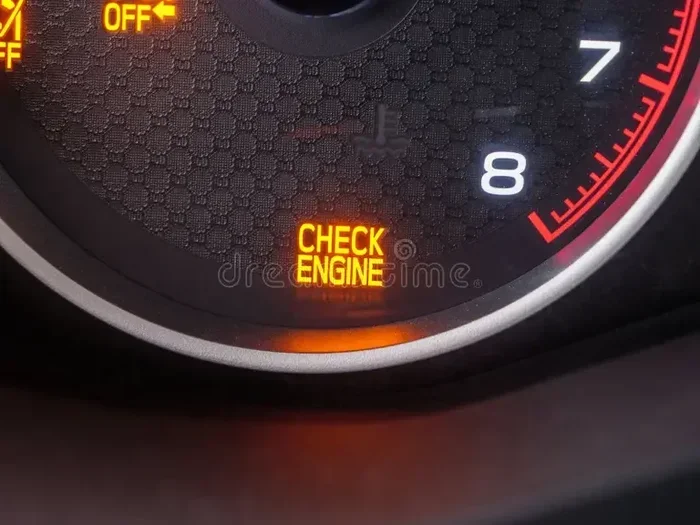
6. The Check Engine Light Turns On
Your car has many sensors that monitor the cooling system. When something goes wrong — like low coolant — one of these sensors can trigger the check engine light.
The check engine light can mean many things. A loose gas cap, a faulty sensor, or low coolant can all set it off. If the light comes on along with a rising temperature gauge, the problem is almost certainly low coolant.
You can use an OBD2 scanner to read the code. Common codes related to low coolant include P0128 (coolant thermostat) and P0115 (coolant temperature sensor). But even without a scanner, the combination of the light and a hot engine is a clear warning.
Common Causes of Low Coolant
Now that you know the signs, let us talk about why coolant gets low in the first place. Understanding the causes helps you prevent the problem from coming back.
Leaks in the Cooling System
Leaks are the number one reason coolant drops over time. The cooling system has many parts that can develop leaks. Rubber hoses crack with age. The radiator can corrode. The water pump has seals that wear out.
Even the coolant reservoir itself can crack or develop a loose cap. A loose reservoir cap lets coolant escape as steam. Over time, this slowly drains the system.
If you keep topping off your coolant but it keeps dropping, you likely have a leak somewhere. A mechanic can pressure-test the system and find the exact spot.
Normal Evaporation Over Time
Some coolant loss is normal. Even a perfectly healthy system loses a tiny amount over months and years. The heat from the engine slowly evaporates small amounts of fluid through the overflow hose.
This is why most car makers recommend checking your coolant level every few months. A quick check takes less than a minute and can catch small drops before they become big problems.
Head Gasket Failure
A blown head gasket is a serious and expensive problem. The head gasket sits between the engine block and the cylinder head. It keeps coolant and oil separated from the combustion chamber.
When the head gasket fails, coolant can leak into the cylinders or oil passages. You may notice a milky brown residue under the oil cap. You may also see white exhaust smoke that smells sweet. This is a sign that coolant is burning inside the engine.
If you suspect a head gasket issue, get your car to a mechanic as soon as possible. Driving with a blown head gasket can destroy your engine completely.
Wrong Coolant Type or Mixture
Not all coolant types are the same. Your car needs a specific type based on its make, model, and year. Using the wrong coolant can cause corrosion and reduce the effectiveness of the cooling system.
The mixture matters too. Most cars work best with a 50/50 mix of coolant and water. Too much water can cause freezing in winter. Too little water can reduce the cooling ability. Check your owner’s manual for the right coolant mixture for your vehicle.
How to Check Your Coolant Level Step by Step
Checking your coolant level is easy and takes just a few minutes. Here is exactly how to do it safely.
- Park on a flat surface. Make sure the car is on level ground so the reading is accurate.
- Wait for the engine to cool. Never open the coolant system when the engine is hot. Wait at least 30 minutes after driving.
- Open the hood. Locate the hood release lever inside the car and pull it. Then find the hood latch and release it.
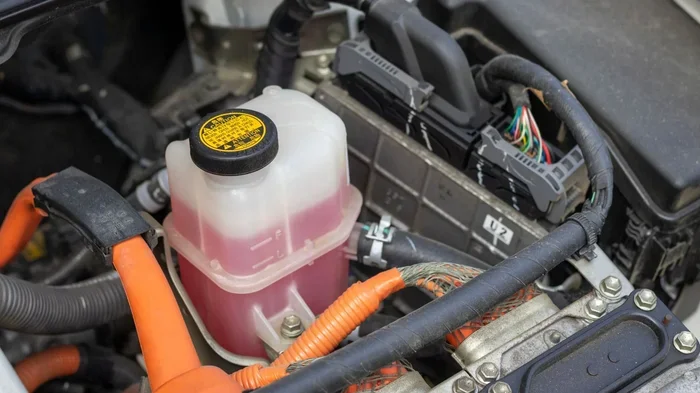
- Find the coolant reservoir. It is a translucent plastic tank near the radiator. It usually has “MIN” and “MAX” lines on the side.
- Look at the level. The coolant should be between the MIN and MAX marks. If it is below MIN, you need to add more.
- Check the color. Healthy coolant is bright green, orange, pink, or blue. If it looks rusty, brown, or oily, you may need a coolant flush.
Always use the type of coolant recommended in your owner’s manual. Mixing different types can cause chemical reactions that damage the cooling system. When in doubt, check with your dealer or a trusted mechanic.
What to Do When You Find Low Coolant
So you checked the level and it is low. What now? Here is a simple plan to follow.
Step 1: Top Off the Coolant
If the level is just slightly below MIN, you can add more coolant yourself. Use a 50/50 pre-mixed coolant for convenience. Open the reservoir cap slowly — there may be slight pressure inside. Pour the coolant until it reaches the MAX line.
Do not overfill. Leave a little room for the fluid to expand when it heats up. Can I add coolant if it is empty? Yes, you can, but it is best to make sure there are no leaks first. If the reservoir was completely empty, have a professional check the system before you drive far.
Step 2: Look for Leaks
After topping off, keep an eye on the level over the next few days. If it drops again, you have a leak. Look under the car for puddles. Check the hoses for cracks or wet spots. A small leak may only drip slowly, but it will get worse over time.
Sometimes the leak is obvious — a cracked hose or a loose radiator cap. Other times, it is hidden inside the engine. A mechanic can do a pressure test to find even tiny leaks.
Step 3: Get a Coolant Flush if Needed
If your coolant looks dirty, rusty, or smells bad, it is time for a coolant flush. Old coolant loses its ability to protect the engine. It can also clog the narrow passages in the radiator and engine block.
A coolant flush replaces the old fluid with fresh fluid. Most mechanics recommend flushing the system every 30,000 to 50,000 miles. Check your owner’s manual for the exact interval for your vehicle.
How to Prevent Low Coolant Problems
Prevention is always better than repair. Here are simple steps to keep your cooling system healthy and your coolant levels right.
- Check coolant monthly. A quick glance at the reservoir takes seconds and catches problems early.
- Use the right coolant type. Check your owner’s manual for the recommended coolant type for your car.
- Replace old coolant on schedule. Do not wait until you see problems. Regular flushes keep the system clean.
- Watch the temperature gauge. Make it a habit to glance at the gauge while driving. Catching a rise early can save your engine.
- Fix small leaks immediately. A tiny drip today can become a big problem tomorrow. Address leaks as soon as you spot them.
- Keep the radiator cap tight. A loose cap lets coolant escape as steam. Make sure it seals properly.
- Inspect hoses regularly. Look for cracks, swelling, or wet spots on the coolant hoses. Replace any that look worn.
Can Low Coolant Cause Engine Overheating?
The short answer is yes — absolutely. Low coolant is the most common cause of engine overheating. Without enough fluid to absorb and carry away heat, the engine temperature rises fast.
When the engine overheats, several bad things can happen. The head gasket can blow. The cylinder head can warp. In worst cases, the engine block can crack. These repairs cost thousands of dollars and can even total a car.
If you ever see steam coming from under the hood or the temperature gauge hits the red zone, pull over and turn off the engine. Do not keep driving. Let the car cool down completely before you open the hood.
Want to learn more about what happens when your car overheats? Check out our article on can old coolant cause engine overheating for more details.
How Often Should You Replace Coolant?
Coolant does not last forever. Over time, it breaks down and loses its protective properties. The question is — how often should you replace it?
The answer depends on the type of coolant your car uses. Traditional green coolant typically needs replacement every 30,000 miles or every two years. Extended-life coolants (orange, red, or purple) can last up to 100,000 miles or five years.
Some people wonder — can coolant last 10 years? In rare cases with extended-life coolant and low mileage, it might. But it is not common. Most manufacturers recommend replacing coolant well before the 10-year mark to keep the cooling system working properly.
If you are unsure what type your car has, check the owner’s manual or ask a mechanic. They can also test the coolant with a refractometer to see if it still has the right protection level.
Need help adding coolant? Read our guide on can I add coolant if it is empty for a full walkthrough.
Comparison: Coolant Warning Signs at a Glance
| Warning Sign | Severity | What It Means | Action Needed |
|---|---|---|---|
| Temperature gauge rising | High | Engine is getting too hot | Pull over immediately |
| Colored puddles under car | Medium | Coolant leak in the system | Check level and find leak |
| Sweet smell from engine | Medium | Coolant is dripping on hot parts | Inspect and top off |
| Steam from hood | Critical | Engine is overheating | Stop driving, call for help |
| Heater blowing cold air | Low | Low coolant in heater core | Check and refill coolant |
| Check engine light on | Medium | Sensor detected cooling issue | Scan codes and check coolant |
Use this table as a quick reference the next time you notice something unusual. Acting fast can save you from a major repair bill.
Quick Tips to Remember
- Always check coolant when the engine is cool. Hot coolant under pressure can cause serious burns.
- Keep a bottle of pre-mixed coolant in your trunk. You never know when you might need it on a road trip.
- Do not mix different coolant colors. Green and orange coolants have different chemical formulas. Mixing them can cause sludge buildup.
- Use distilled water if mixing coolant yourself. Tap water contains minerals that can clog the cooling system over time.
- Check the coolant reservoir cap seal. A worn seal lets coolant escape as steam. Replace the cap if it looks damaged.
Common Mistakes People Make With Coolant
Even careful car owners make mistakes with coolant. Here are the most common ones to avoid.
Mistake 1: Topping off with plain water. Water does not protect against freezing or boiling. It also lacks the anti-corrosion additives that coolant provides. Use proper coolant or a pre-mixed 50/50 solution.
Mistake 2: Ignoring small leaks. A small drip might not seem like a big deal. But it will get worse. A tiny leak today can become a blown hose or a failed water pump tomorrow.
Mistake 3: Opening the radiator cap on a hot engine. The cooling system is pressurized. Opening the cap while hot can cause scalding coolant to spray out. Always wait for the engine to cool completely.
Mistake 4: Using the wrong coolant type. Different cars need different coolants. Using the wrong one can damage seals, hoses, and even the radiator. Always check your owner’s manual.
Mistake 5: Forgetting to check the reservoir. Many people only check the radiator directly. But the reservoir is easier to access and gives you a clear reading of the coolant level without opening the radiator.
Final Thoughts: Stay Cool and Keep Driving
Learning how to tell if coolant is low is one of the simplest things you can do as a car owner. It takes just a few minutes, costs almost nothing, and can save you from thousands of dollars in engine repairs.
Remember the warning signs: a rising temperature gauge, colored puddles under your car, a sweet smell from the engine, steam from the hood, cold air from the heater, and the check engine light. If you notice any of these, take action right away.
Keep your cooling system healthy with regular checks and timely coolant replacements. A little prevention goes a long way. Your engine will thank you with years of reliable service.
Stay proactive. Stay safe. And never let your coolant level drop too low. Your car depends on it — and so does your wallet.
Frequently Asked Questions
Can I drive my car if the coolant is low?
You should not drive a car with low coolant. Even a short trip can cause the engine to overheat. If you must drive, keep the distance short and watch the temperature gauge closely. Stop immediately if the needle starts climbing. Low coolant means the engine has no proper cooling, and driving can lead to serious damage.
How do I know if my car needs a coolant flush?
If your coolant looks rusty, dark, or dirty, it is time for a flush. You may also notice a drop in the coolant level faster than usual, or the heater may not work well. Most manufacturers recommend a flush every 30,000 to 50,000 miles. Check your owner’s manual for the exact schedule.
What color is healthy coolant?
Healthy coolant is usually bright green, orange, pink, or blue depending on the type. If the fluid looks brown, rusty, or oily, the coolant has degraded and should be replaced. Dark or discolored coolant loses its ability to protect the engine and can cause buildup in the cooling system.
Can low coolant cause the check engine light to come on?
Yes, low coolant can trigger the check engine light. Modern cars have sensors that monitor the coolant temperature and level. When the coolant drops too low, these sensors send a warning to the car’s computer, which turns on the check engine light. If the light comes on with a hot engine, check the coolant level first.
Is it safe to add coolant while the engine is running?
No, it is not safe. The cooling system is under pressure when the engine is running, and hot coolant can spray out and cause burns. Always let the engine cool down completely before adding coolant. If you need to top off on the road, wait until the car has been off for at least 30 minutes before opening the reservoir cap.
How much does a coolant flush cost?
A coolant flush typically costs between $100 and $200 at a mechanic shop. The price depends on the type of coolant your car needs and the labor rates in your area. You can save money by doing it yourself with a DIY coolant flush kit, which costs around $20 to $50. Always use the coolant type recommended by your car’s manufacturer.