How Long Do You Have To Drive To Reset Check Engine Light
You typically need to drive between 50 and 100 miles across multiple start-stop cycles for the check engine light to reset on its own. The exact distance depends on your vehicle model, the reason the light came on, and whether you use a manual reset tool or an OBD-II scanner. Driving a specific drive cycle allows your car’s computer to run all its readiness monitors and clear stored codes.
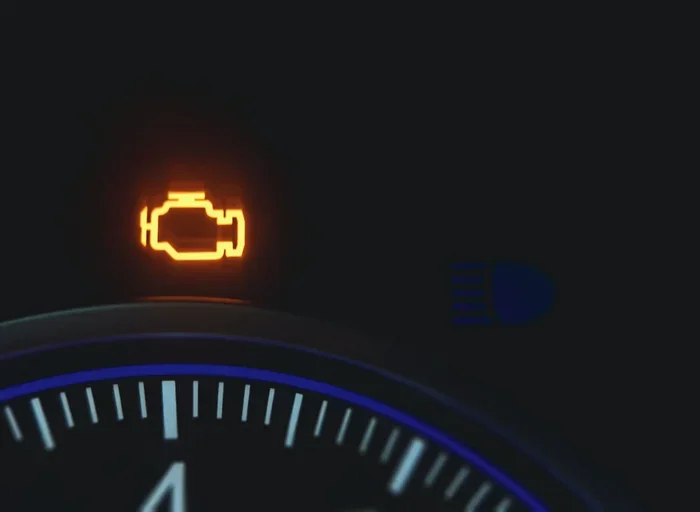
That little orange engine icon on your dashboard can send anyone into a panic. You see it, and suddenly your mind races with worst-case scenarios. But here is the good news. In many cases, the check engine light is not a death sentence for your vehicle. It is simply your car’s way of telling you something needs attention. And in most situations, you can resolve it with a bit of driving.
So how long do you actually need to drive to reset the check engine light? The short answer is somewhere between 50 and 100 miles. But the full story is a bit more nuanced. Your vehicle type, the reason the light triggered, and the reset method you use all play a role. Let us break it all down so you know exactly what to expect.
Key Takeaways
- Drive 50 to 100 miles: Most cars need this distance across several ignition cycles to reset the check engine light.
- A drive cycle matters: Your vehicle needs specific conditions like cold starts, highway driving, and idle periods to complete readiness monitors.
- You can reset it manually: Using an OBD-II scanner or disconnecting the battery are two common methods, but they come with trade-offs.
- The light may return: If the underlying problem isn’t fixed, the check engine light will likely come back after driving.
- Some resets happen on their own: Minor issues like a loose gas cap can trigger the light, and it often turns off after a few drive cycles.
- Readiness monitors need to pass: Your car must complete all emissions checks before the system fully resets.
📑 Table of Contents
- Why Does the Check Engine Light Come On?
- What Is a Drive Cycle and Why Does It Matter?
- Can You Reset the Check Engine Light Yourself?
- How Long Does It Actually Take for the Light to Reset?
- Common Mistakes People Make When Resetting the Check Engine Light
- When Should You See a Mechanic?
- Can the Check Engine Light Go Off on Its Own?
- Tips for Keeping Your Check Engine Light Off
- Conclusion
Why Does the Check Engine Light Come On?
Before we talk about resetting the light, it helps to understand why it turns on in the first place. Your car has a built-in computer called the Engine Control Unit (ECU). This computer constantly monitors sensors throughout the vehicle. When something falls outside its expected range, the ECU stores a diagnostic trouble code and lights up your dashboard.
Common reasons the check engine light appears include:
- A loose or damaged gas cap
- A failing oxygen sensor
- Catalytic converter issues
- Faulty spark plugs or ignition coils
- Problems with the emission system
- Low fuel pressure
- Mass airflow sensor malfunctions
Some causes are minor and easy to fix. Others signal serious problems that need immediate car repair. The key is not to ignore the light, even if your car seems to run fine.
What Is a Drive Cycle and Why Does It Matter?
When people ask how long to drive to reset the check engine light, they are really asking about the drive cycle. A drive cycle is a specific series of driving conditions your car goes through to test all its systems. Think of it as a self-check routine your vehicle runs automatically.
The drive cycle typically includes these phases:
- A cold start with the engine off for several hours
- Idling for a set period
- Light acceleration to a specific speed
- Highway-speed cruising
- Deceleration and coasting
- A final idle period
Your car’s computer runs what are called readiness monitors during each phase. These monitors check different systems like the oxygen sensor, catalytic converter, and emission system. Only after all monitors pass does the check engine light reset itself.
How Long Does a Full Drive Cycle Take?
A complete drive cycle can take anywhere from 30 minutes to a couple of hours depending on your vehicle. You do not need to do it all in one trip. Most cars accumulate the data across multiple trips. This is why the general recommendation is to drive 50 to 100 miles over several days.
Here is a quick breakdown of what to expect:
- Cold start to warm-up: About 10 to 15 minutes
- City driving: 15 to 20 minutes
- Highway cruising: 20 to 30 minutes
- Cool-down period: 5 to 10 minutes
Repeat this pattern over a few days, and your car should complete all its readiness monitors. At that point, the check engine light may turn off on its own.
Can You Reset the Check Engine Light Yourself?
Yes, you can. But whether you should depends on why the light came on in the first place. Let us look at the different methods people use to reset the check engine light.
Method 1: Use an OBD-II Scanner
An OBD-II scanner is the most reliable way to reset the check engine light. You plug it into the diagnostic port under your steering column, read the stored codes, and then clear them. This method works on nearly every car made after 1996.
Here is how to do it:
- Locate the OBD-II port (usually under the dash on the driver side)
- Plug in the scanner and turn the ignition to the “on” position
- Wait for the scanner to read the codes
- Note down the codes for your records
- Select the option to clear the codes
- Turn off the ignition and restart the engine
Many auto parts stores will let you borrow an OBD-II scanner for free. This is a great option if you do not want to buy one. You can also run diagnostics without a check engine light using a scanner, even if the light is not currently on.
Method 2: Disconnect the Battery
Some people reset the light by disconnecting the car battery. This drains the ECU’s memory and forces it to start fresh. It is simple but not always recommended.
Here is what to do:
- Turn off the engine and all electronics
- Disconnect the negative battery terminal
- Wait 15 to 30 minutes
- Reconnect the terminal
- Start the engine and drive normally
The downside is that disconnecting the battery also resets other settings. Your radio presets, clock, and power window calibration may need to be reprogrammed. Some vehicles also need a special reset procedure after a battery disconnect.
Method 3: Just Drive It Off
If the check engine light was triggered by something minor like a loose gas cap, you may not need to do anything at all. Simply tighten the cap and drive for a few days. The car computer reset happens automatically once the system confirms the issue is resolved.
This is the easiest method, but it only works for minor triggers. If the light is flashing or your car is running poorly, do not just wait it out. See a mechanic.
How Long Does It Actually Take for the Light to Reset?
The time it takes for the check engine light to reset varies widely. Here is a comparison of different scenarios:
| Scenario | Driving Needed | Reset Method |
|---|---|---|
| Loose gas cap | 1 to 3 drive cycles | Tighten cap and drive |
| Minor sensor issue | 50 to 100 miles | Drive cycle completion |
| Catalytic converter code | 100+ miles | OBD-II scanner or drive cycle |
| Ignition misfire | 50 to 150 miles | Fix issue first, then drive |
| Emission system fault | Multiple drive cycles | OBD-II scanner recommended |
As you can see, the answer to “how long do you have to drive to reset the check engine light” really depends on what triggered it. A simple issue like a loose gas cap might clear in a day or two. A more serious problem requires a full drive cycle or professional tools.
The Role of Readiness Monitors
Your car has several readiness monitors that check different systems. These monitors must all show “ready” for your vehicle to pass an emissions test. If one or more monitors show “not ready,” the check engine light may stay on even after you fix the problem.
Here are the key readiness monitors in most vehicles:
- Catalyst Monitor: Checks the catalytic converter efficiency
- Oxygen Sensor Monitor: Tests the O2 sensor response
- EVAP Monitor: Checks for fuel vapor leaks
- Misfire Monitor: Detects engine misfires
- Fuel System Monitor: Verifies fuel trim levels
- Secondary Air Monitor: Tests air injection systems
Each monitor needs its own specific driving conditions to run. This is why simply driving around town may not be enough. You need a mix of city and highway driving to trigger all the monitors.
Common Mistakes People Make When Resetting the Check Engine Light
There are a few mistakes that people make over and over again when dealing with the check engine light. Avoiding these can save you time and money.
Ignoring the Light
The biggest mistake is simply ignoring it. Even if your car drives fine, the check engine light means something is wrong. Delaying car maintenance can lead to bigger problems and more expensive repairs down the road.
Resetting Without Fixing the Problem
Some people clear the codes and drive away without addressing the root cause. This is a bad idea. The check engine light will almost certainly come back. Worse, you could be driving with a problem that gets worse over time.
Using the Wrong Reset Method
Not all reset methods work the same way on every vehicle. For example, disconnecting the battery on some newer cars can cause additional issues with the infotainment system and adaptive learning. Always check your owner’s manual before trying a reset method.
Assuming the Light Is Off Means the Problem Is Gone
Just because the check engine light is not on does not mean the problem is fixed. Sometimes the codes clear but the issue persists. Always have the codes read and the problem diagnosed properly.
When Should You See a Mechanic?
Not every check engine light situation is a DIY project. Here are some signs that you should take your car to a professional:
- The light is flashing (this indicates a severe misfire)
- Your car is running rough or losing power
- You notice unusual sounds or smells
- The light comes back immediately after resetting
- Multiple warning lights are on at the same time
- You are unsure what the codes mean
A mechanic has the tools and expertise to properly diagnose the issue. They can read the OBD-II codes, perform a thorough inspection, and fix the problem correctly. Sometimes a quick visit to the shop saves you from a much bigger repair bill later.
If you want to learn more about clearing codes on your own, check out our guide on how to manually clear car codes for a detailed walkthrough.
Can the Check Engine Light Go Off on Its Own?
Yes, it can. In some cases, the check engine light turns off by itself after the issue resolves. This commonly happens with intermittent problems or minor triggers. Your car’s computer monitors conditions continuously, and if the problem does not reappear during multiple drive cycles, it may clear the code and turn off the light.
However, do not count on this happening. The safest approach is to address the issue directly. Even if the light goes away, the underlying problem might still exist. A diagnostic trouble code remains stored in the ECU memory until it is explicitly cleared or the system confirms the fix over multiple drive cycles.
For more details on this topic, read our article about whether a check engine light can go off by itself to understand the different scenarios.
Tips for Keeping Your Check Engine Light Off
Prevention is always better than cure. Here are some simple tips to keep your check engine light from coming back:
- Check your gas cap regularly: Make sure it clicks tightly after every fill-up
- Keep up with scheduled maintenance: Change your oil and spark plugs on time
- Use the right fuel: Using the wrong octane can trigger the light
- Address small issues quickly: A minor sensor problem can become a major one if ignored
- Monitor your dashboard: Pay attention to other warning lights too
- Get periodic diagnostics: A quick scan at an auto parts store can catch problems early
These habits keep your vehicle running well and help you avoid the stress of an unexpected check engine light. They also make your car more reliable and safer to drive.
Conclusion
So, how long do you have to drive to reset the check engine light? The answer is typically 50 to 100 miles across multiple drive cycles, but it depends on your specific vehicle and what triggered the light in the first place. A simple fix like tightening a gas cap might clear it in a day or two. A more complex issue like a catalytic converter problem could take longer and may require professional car repair.
The best approach is always to diagnose the problem first. Use an OBD-II scanner to read the codes, fix the underlying issue, and then let your car complete its drive cycle. This ensures the check engine light stays off and your vehicle runs properly. Remember, the light is your car’s early warning system. Listen to it, and your car will thank you for it.
For more information about resetting warning lights, check out our article on whether a check engine light can turn off on its own and learn what happens when the system clears the codes automatically.
Frequently Asked Questions
Can I drive with the check engine light on?
It depends on the severity of the issue. If the light is solid and your car drives normally, you can usually drive a short distance to a repair shop. If the light is flashing, pull over safely and get your car towed. A flashing light often indicates a serious misfire that can damage the catalytic converter.
Will the check engine light reset after an oil change?
Not automatically in most cases. The check engine light is tied to emission-related issues, not oil changes. However, some oil change services include a manual reset if the light was triggered by a loose sensor or minor issue. You may also need to reset after an oil change manually for other maintenance indicators.
How many drive cycles does it take to reset the check engine light?
Most vehicles need three to five complete drive cycles for all readiness monitors to pass and the light to reset. Each cycle includes a cold start, warm-up, highway driving, and cool-down. The exact number varies by vehicle model and the nature of the fault.
Can I pass an emissions test with the check engine light on?
No. In most states, a lit check engine light means an automatic fail on the emissions test. The readiness monitors also need to be in a “ready” state. If any monitor shows “not ready,” you will not pass the test until the issue is resolved and the monitors complete their checks.
Does disconnecting the battery clear the check engine light permanently?
Not necessarily. Disconnecting the battery clears the codes temporarily, but if the underlying problem is not fixed, the check engine light will return after a few drive cycles. This method also resets other vehicle settings, which can be inconvenient.
How do I know if the check engine light reset was successful?
After resetting, drive your car through a complete drive cycle. If the light stays off and all readiness monitors pass, the reset was successful. You can also use an OBD-II scanner to verify that no new codes have been stored. If codes return, the original problem is still present.