Does Your Car Color Really Affect Your Insurance Rates
Many drivers wonder if the color of their car impacts their insurance rate, but the truth is more nuanced than you might think. Insurance companies focus on factors like your driving record, vehicle model, and location rather than paint color. While some believe red cars cost more to insure, this is largely a myth. Understanding what truly affects your premium can save you money and unnecessary worry.
This is a comprehensive guide about Does the Color of Your Car Affect Your Insurance Rate?.
Key Takeaways
- Car color does not directly affect your insurance rate: Insurers focus on vehicle type, driving history, and location instead.
- The red car myth is persistent: Many people believe red cars cost more to insure, but this has no factual basis.
- Actual factors that raise premiums: Vehicle model, engine size, safety features, and your personal driving record matter far more.
- Car theft rates can indirectly play a role: Popular theft targets may carry higher insurance costs regardless of color.
- You can lower your rate: Safe driving, bundling policies, and choosing vehicles with strong safety ratings help reduce costs.
[FEATURED_IMAGE_PLACEHOLDER]
Does Your Car Color Really Affect Your Insurance Rates?
You have probably heard the old warning: “Don’t buy a red car, or your insurance will go through the roof.” Maybe a friend told you that black cars are more expensive to insure because they are harder to see at night. These ideas are everywhere, but how much of them is actually true?
The short answer is no. Your car color does not directly affect your insurance rate. Insurance companies do not ask about paint color when calculating your premium. Instead, they look at factors that actually predict risk, like your driving history, the make and model of your vehicle, and where you live. Let us dig deeper into why this myth exists and what really drives your insurance costs.
Understanding the truth behind car color and insurance can save you from making unnecessary decisions. You might be avoiding a great car simply because of its paint, or paying extra attention to a color that never mattered in the first place. This guide will clear up the confusion and show you what really matters when it comes to car insurance rates.
The Myth Behind Car Color and Insurance
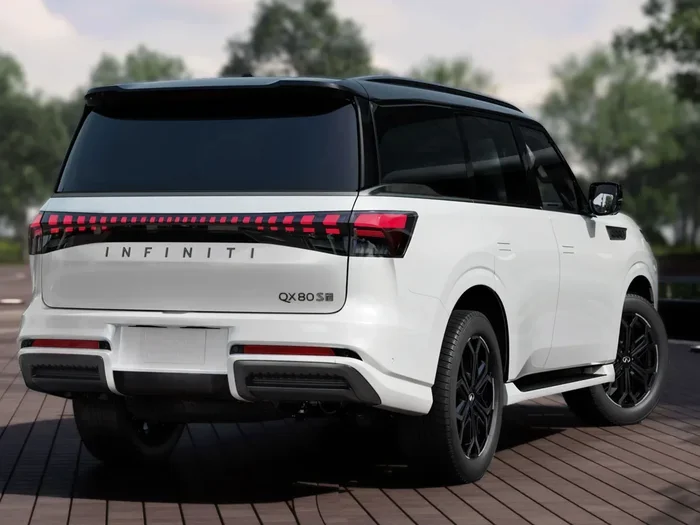
The idea that car color affects insurance is one of the oldest myths in the auto industry. Red cars are supposedly the most expensive to insure because they are linked to speeding and reckless driving. Black cars are said to be risky because they blend into the road. White cars are sometimes called “safe” for the opposite reason.
None of this holds up under scrutiny. Insurance underwriters do not pull paint codes when they build a quote. The color of your vehicle has zero bearing on how likely you are to file a claim. These myths survive because they are easy to remember and fun to repeat at dinner parties. But from a data and risk-assessment standpoint, they carry no weight whatsoever.
So where did these ideas come from? Some trace them back to old stereotypes about sports car drivers. Red has long been associated with speed and aggression, so people assumed red cars meant red flags for insurers. In reality, the car type matters, not the paint. A red sedan and a blue sedan from the same manufacturer with the same engine will be rated identically by any reputable insurer.
What Actually Determines Your Insurance Rate
Now that the color myth is busted, let us talk about what really moves the needle on your premium. Insurance companies use complex algorithms that weigh dozens of factors. These are the elements that truly shape your auto insurance pricing.
Your Driving Record
This is the single biggest factor in most insurance calculations. A clean driving record with no accidents or tickets will keep your rates low. Traffic violations, at-fault accidents, and DUI convictions all signal higher risk to insurers. Even a single speeding ticket can bump your premium noticeably for several years.
If you have a spotless record, you are already ahead of the game. But if you have past infractions, do not despair. Your rates will improve over time as those incidents age. Many insurers also offer safe-driving discounts or usage-based programs that reward good behavior on the road.
Vehicle Make, Model, and Year
The type of car you drive matters a lot more than its color. Insurers look at the vehicle’s safety ratings, repair costs, and theft risk. A compact car with strong crash-test scores will generally be cheaper to insure than a luxury SUV that costs a fortune to fix.
Newer vehicles often carry higher premiums because they are more expensive to replace. However, they may also have advanced safety features that qualify you for discounts. When shopping for a car, it is smart to check insurance costs before you buy. A beautiful vehicle with high repair expenses can cost you more in premiums than a plain-looking model that is cheap to fix.
Where You Live
Your geographic location plays a huge role in your premium. Urban areas with higher traffic density and crime rates typically have higher insurance costs than rural areas. If you live in a region prone to natural disasters, such as hurricanes or floods, you may also pay more for comprehensive coverage.
Even your zip code can shift your rate significantly. Two drivers with identical records and the same car can see very different quotes simply because one lives in the city and the other in the suburbs. This is one of the reasons car insurance rates going up affects different people in different ways across the country.
Your Age, Gender, and Driving Experience
Younger and less experienced drivers almost always pay higher premiums. This is because statistics show that new drivers are more likely to be involved in accidents. Teenagers and drivers in their early twenties often face the highest rates, though this changes as they gain experience.
Gender also plays a role in some states, with young male drivers typically paying more than their female counterparts. These factors are based on actuarial data, not personal judgment. As you age and build a longer driving history, your rates generally trend downward, assuming you maintain a clean record.
Does Car Color Affect Accident Risk?
While car color does not affect insurance rates directly, some research has explored whether color influences accident risk. This is a slightly different question, and the answers are interesting.
Visibility and Safety
Some studies suggest that bright or light-colored cars, like white and yellow, are more visible on the road. This could theoretically reduce accident risk in low-light conditions. Darker colors like black, dark gray, and navy may be harder to see, especially at dawn, dusk, or in poor weather.
However, these findings are not conclusive enough for insurers to adjust rates based on color. Many other factors, such as driver behavior and road conditions, play a far larger role in accident likelihood. A careful driver in a black car is still safer than a reckless driver in a white one.
The Popularity Factor
It is worth noting that the most popular car colors tend to be white, black, silver, and gray. These colors dominate the market, which means more cars of these colors are on the road. More cars on the road means more potential accidents, but this is about volume, not the color itself.
Unusual colors like orange, green, or purple are less common and may stand out more easily. But again, this visibility benefit does not translate into lower insurance premiums. Insurers do not factor color-based visibility into their risk models.
Car Color and Theft Risk
While car color does not affect your insurance rate, theft rates can have an indirect impact. Certain car models are stolen more frequently than others, and insurers take this into account when setting premiums.
Which Colors Are Most Stolen?
Surprisingly, the most stolen car colors tend to be the most common ones. White, black, and silver cars are stolen frequently simply because there are so many of them on the road. Thieves target popular models, and since those models come in every color, the color itself is not the draw.
If you own a high-theft vehicle model, your insurance costs may be higher regardless of what color it is. You can check your specific vehicle’s theft risk through resources like the NICB vehicle theft database. Choosing a car with a strong theft-deterrent system, such as immobilizers or tracking devices, can help lower your rates.
How Theft Risk Affects Your Premium
Insurers consider the likelihood that your vehicle will be stolen when calculating comprehensive coverage costs. If your car model appears on frequent theft lists, you may pay more for this coverage. Adding anti-theft features like alarm systems or GPS trackers can help offset this risk.
Remember, this has nothing to do with paint color. A silver Honda Civic and a red Honda Civic face the same theft risk and the same insurance treatment. The model and security features are what matter, not the exterior shade.
Other Factors That Surprise People
Beyond the main factors we have covered, there are several less obvious elements that can influence your insurance rate. Being aware of these can help you make smarter choices about coverage and savings.
Credit Score and Insurance History
In many states, insurers use credit-based insurance scores as a factor in determining premiums. A higher credit score generally correlates with lower insurance costs. This surprises many people, but studies have shown a statistical link between credit responsibility and claim frequency.
Your insurance history also matters. Gaps in coverage or frequent policy changes can raise red flags for insurers. Maintaining continuous coverage, even with minimal limits, helps build a positive insurance history that works in your favor.
How You Use Your Vehicle
Do you commute long distances or work from home? Your annual mileage affects your rate. Lower mileage typically means lower premiums because you are on the road less and therefore less likely to be involved in an accident. Some insurers offer low-mileage discounts for drivers who clock fewer than a certain number of miles per year.
How you use the vehicle also matters. Personal use is cheaper than commercial use. If you use your car for ride-sharing or delivery services, you need specialized coverage that standard policies may not provide. Always be honest with your insurer about how you use your vehicle to avoid coverage gaps.
Safety Features and Discounts
Modern vehicles come loaded with safety technology, and insurers reward this. Anti-lock brakes, lane departure warnings, automatic emergency braking, and backup cameras can all qualify you for discounts. The more safety features your car has, the lower your risk profile in the eyes of underwriters.
Some insurers also offer discounts for advanced driver-assistance systems (ADAS). If you are shopping for a new car, checking its safety features can pay off in more ways than one. You get better protection on the road and potentially lower insurance costs over time.
Common Mistakes People Make About Car Color and Insurance
Misconceptions about car color and insurance lead to real mistakes that cost drivers money and peace of mind. Let us look at the most common errors and how to avoid them.
Avoiding a Great Car Because of Its Color
Some buyers rule out a car simply because of its paint, fearing higher insurance costs. This is a wasted concern. You could be passing up a safe, reliable, and affordable-to-insure vehicle just because it comes in red or black. Focus on the vehicle’s safety ratings, repair costs, and model reputation instead of its exterior shade.
Choosing a Car Color Based on Insurance Myths
On the flip side, some people choose a specific color thinking it will lower their insurance rate. Painting your car white to “save on insurance” will not work. Insurers do not care about your paint job. If you are considering a repaint for insurance savings, save your money and put it toward a higher deductible or safer driving habits instead.
Not Shopping Around for Better Rates
The biggest mistake most drivers make is not comparing quotes from multiple insurers. Because pricing varies widely between companies, shopping around can save you hundreds of dollars per year. Use comparison tools and get at least three quotes before committing to a policy. The color of your car will never be a factor in these comparisons, but the insurer you choose absolutely will.
Tips to Lower Your Insurance Rate Regardless of Car Color
Since car color does not influence your premium, here are proven strategies that actually work to reduce your insurance costs.
- Maintain a clean driving record: Avoid tickets and accidents to keep your rates low over time.
- Bundle your policies: Combine auto and home insurance with the same provider for multi-policy discounts.
- Increase your deductible: A higher deductible lowers your monthly premium, though you will pay more out of pocket for claims.
- Ask about discounts: Safe driver, low mileage, student, and safety feature discounts can all add up to significant savings.
- Review your coverage annually: Your needs change over time, and so should your policy. Drop coverage you no longer need.
- Improve your credit score: In states where it is allowed, a better credit score can directly lower your premium.
- Choose vehicles with strong safety ratings: Safer cars cost less to insure and protect you better in a crash.
Expert Insight: What Insurance Agents Actually Look At
We spoke with licensed insurance agents to understand what really goes into their rate calculations. The consensus was clear: car color never comes up. Agents focus on the driver profile, vehicle details, and location. They look at your age, driving history, credit score (where permitted), and the specific make, model, and year of your car.
One agent shared that the most common question they get is about red cars costing more. “I hear it all the time,” they said. “But I always explain that the insurance company does not see the car. They see the policyholder and the vehicle data. Paint is invisible to the underwriting system.”
This expert advice reinforces what the data shows. If an agent ever tells you your car color is affecting your rate, it is worth asking for clarification. They may be referring to something else entirely, like the vehicle type or your personal risk profile.
The Bottom Line on Car Color and Insurance
The color of your car does not affect your insurance rate. This is a well-established fact backed by decades of insurance industry data. The myths around red cars, black cars, and visibility have no basis in how insurers actually set premiums.
What does matter is your driving record, the vehicle you choose, your location, and your personal risk profile. These factors are the real drivers of your insurance costs. By focusing on what truly influences your premium, you can make informed decisions that save you money and give you better coverage.
Next time someone tells you to avoid a certain car color, you can confidently share the truth. Your insurance rate has nothing to do with whether your car is red, blue, black, or any other shade. Drive safely, maintain your vehicle, and shop around for the best coverage. Those are the habits that keep both you and your premium in good shape.
If you are curious about other factors that influence your insurance costs, consider reading about whether car insurance rates are going up to stay informed about industry trends. You might also want to learn more about what your insurance covers for engine replacement to make sure your policy meets your needs. For younger drivers, finding car insurance as a 17-year-old involves its own set of considerations that are worth exploring.
Frequently Asked Questions
Does painting your car a different color change your insurance rate?
No. Insurance companies do not consider your car’s paint color when calculating your premium. Whether you repaint your vehicle or keep its original color will have no effect on your insurance rate. Your premium is based on factors like your driving record, vehicle model, and location.
Why do people think red cars cost more to insure?
This myth likely stems from the association between red cars and sports cars or aggressive driving. However, insurers do not use color as a rating factor. A red sedan and a blue sedan of the same model will be priced identically. The vehicle type and driver profile are what matter.
Which car color is safest for insurance purposes?
No car color is safer for insurance purposes because color does not factor into insurance calculations at all. Instead, focus on the vehicle’s safety ratings, your driving habits, and the coverage options you choose when trying to manage your insurance costs.
Can your car color affect your premium indirectly?
Not directly. While some research suggests lighter-colored cars may be more visible, this has not translated into any insurance pricing differences. Insurers do not adjust premiums based on visibility studies or color-related accident theories. The premium calculation remains color-blind.
What should I focus on if I want to lower my insurance rate?
Focus on maintaining a clean driving record, choosing a vehicle with strong safety ratings, bundling your policies, and shopping around for competitive quotes. These actions have a proven, measurable impact on your insurance costs, unlike car color, which has no effect at all.
Do insurance companies ask about car color during the application process?
No. When you apply for auto insurance, you will be asked for your vehicle’s make, model, year, and VIN. You will never be asked about the exterior color. If a form or questionnaire asks for paint color, it is likely a non-standard or incorrect process, and you should question its relevance.