How Do You Know When to Change Your Car Key Battery
Knowing when to change your car key battery saves you from frustrating lockouts and inconvenient breakdowns. Most car key batteries last 2 to 4 years, but warning signs like reduced range, slow response, and warning lights tell you it is time for a replacement. This guide walks you through every symptom, the replacement process, and how to extend your battery life.
Have you ever stood by your car door, pressing the unlock button over and over, wondering why nothing is happening? That frustrating moment usually means one thing — your car key battery is dying. It happens to almost every car owner at some point, and it always seems to come at the worst possible time.
Understanding when to change your car key battery is one of the simplest pieces of car maintenance you can do. It saves you time, money, and the headache of being stranded. Most people do not think about their key fob until it stops working completely. But by then, you are already dealing with a problem that could have been prevented.
This guide covers every sign that your key fob battery needs replacing, how to do it yourself, and what to expect after a new battery. Whether you drive a sedan, SUV, or truck, these tips apply to almost every modern vehicle with a remote key or smart key system. Let us walk through it together.
Key Takeaways
- Early Warning Signs: Reduced range and slow response are the first clues your key battery is fading.
- Common Symptoms: Beeping alerts, unresponsive buttons, and intermittent function signal a dying battery.
- Replacement Is Easy: Most car key batteries are cheap, easy to swap, and take under five minutes.
- Battery Types Matter: CR2032 is the most common, but always check your owner manual for the correct type.
- Reset May Be Needed: After replacing the battery, you might need to reset your car key to restore full function.
- Prevention Helps: Storing your key properly and avoiding extreme temperatures extends battery life significantly.
- When in Doubt: Consult a professional if your key still does not work after a battery swap.
📑 Table of Contents
How Long Does a Car Key Battery Last?
Most car key batteries last between two and four years. However, several factors can shorten or extend that timeline. The type of battery, how often you use the key fob, and environmental conditions all play a role.
If you use your remote key fob multiple times a day, the battery will drain faster. Cold weather is another big factor. Low temperatures reduce battery performance, which means your key battery may die sooner in winter months. On the other hand, if you rarely use the remote and mostly use a physical key, the battery can last even longer.
Here are some average battery life ranges based on usage:
- Heavy use: 1 to 2 years (multiple daily remotes, frequent button presses)
- Moderate use: 2 to 3 years (daily driving with regular remote use)
- Light use: 3 to 4 years (occasional use, mostly physical key operation)
The most common battery type used in car keys is the CR2032 coin cell battery. Some vehicles use CR2025 or other sizes, so always check your owner manual before purchasing a replacement. Using the wrong battery type can damage the key fob or cause it to malfunction.
Warning Signs Your Car Key Battery Needs Replacing
Your car key gives you plenty of warning before the battery dies completely. The trick is knowing what to look for. Most people ignore the early signs until the key stops working entirely. By then, you are stuck pressing buttons on the door lock or trying to manually unlock your car.
Reduced Range and Slow Response
The first and most common sign is reduced range. If you used to unlock your car from 30 feet away and now you need to stand right next to it, your battery is weakening. The same goes for slow response times. When you press the button, there is a noticeable delay before the car reacts.
This happens because the battery cannot produce enough power to send a strong signal to the car’s proximity sensor or receiver. The signal weakens as the battery drains, which means the car does not pick it up from as far away.
Intermittent Function
Sometimes the key fob works inconsistently. It might unlock the doors perfectly fine in the morning but fail in the afternoon. This intermittent behavior is a classic sign of a low battery. The battery has enough charge to work sometimes but not consistently.
You might also notice that certain buttons stop working while others still function. For example, the lock button works but the trunk release does not. This uneven performance points directly to a fading key fob battery.
Warning Lights and Alerts
Many modern vehicles have dashboard warning lights that activate when the key fob battery is low. Look for a battery icon or a key-shaped symbol on your instrument cluster. Some cars also display a message like “Key Battery Low” or “Replace Key Fob Battery” on the dashboard screen.
If your car has a push button start system, you might notice that the system struggles to detect the key. The engine might not start, or you get a warning that says “Key Not Detected.” This is the car telling you the battery in the key is too weak to communicate properly.
Beeping Sounds from the Key
Some car models include a beeping alert from the key fob itself when the battery is running low. If you hear a beep when pressing buttons that you did not hear before, take it as a clear signal. Do not wait for the key to stop working entirely.
Difficulty Starting the Vehicle
For vehicles with smart key systems, a dying battery can make starting the car difficult. You might need to hold the key fob very close to the start button. Some cars have a backup physical key hidden inside the fob that you can use in emergencies. But relying on that backup every day is not practical.
If you are experiencing trouble starting your car and suspect the key battery, you can also check whether you can still start an ignition without a key through alternative methods. This helps you rule out other issues while you address the battery problem.
How to Replace Your Car Key Battery
Replacing a car key battery is one of the easiest maintenance tasks you can do. Most people can do it in under five minutes without any special tools. You do not need to visit a dealership or pay someone else to do it.
If you want to learn the full step-by-step process, you can check out our detailed guide on Can You Replace A Key Fob Battery Yourself. That article covers the exact process for most popular car key models.
Step-by-Step Replacement Process
Here is a simple walkthrough for replacing your car key battery:
- Identify the battery type: Check your owner manual or look at the old battery. Most car keys use CR2032 batteries.
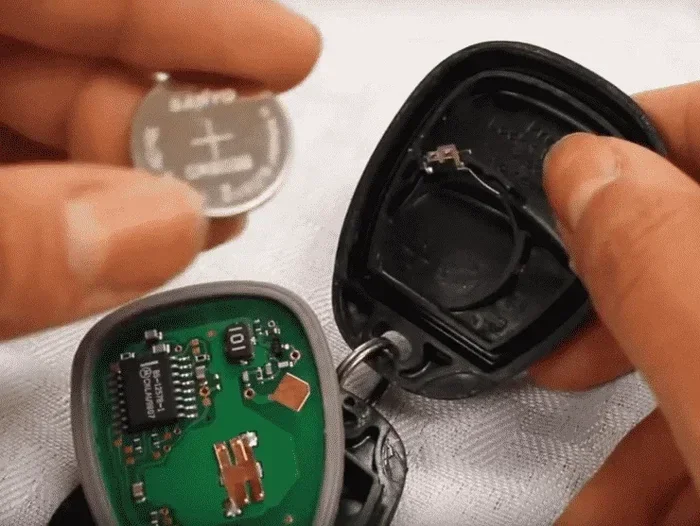
- Open the key fob: Use a small flathead screwdriver or a coin to pry open the casing. Look for a small notch along the seam.
- Remove the old battery: Note which side faces up. Take a photo if you are unsure. Use a non-metallic tool to pop the battery out.
- Insert the new battery: Place the new battery in the same orientation as the old one. Make sure it sits flush in the compartment.
- Close the key fob: Snap the two halves back together until you hear a click.
- Test the key: Stand near your car and test all buttons. Lock, unlock, trunk release, and panic alarm if applicable.
After replacing the battery, you may need to reset the key fob to restore full functionality. Check our article on Do You Have To Reset The Car Key After Changing The Battery for guidance on resetting procedures for different vehicle models.
Common Mistakes During Replacement
Avoid these common mistakes when replacing your car key battery:
- Using the wrong battery type: Always match the exact battery model. Even slight differences in voltage or size can cause problems.
- Forgetting to reset the key: Some vehicles require a reset after battery replacement. Skipping this step can leave the key non-functional.
- Damaging the key fob casing: Use plastic tools when prying open the fob. Metal tools can scratch or crack the casing.
- Touching the battery contacts with metal: This can cause a short circuit and damage the key’s internal electronics.
- Ignoring moisture damage: If the key fob has been exposed to water, replacing the battery alone will not fix the problem.
Can You Still Drive With a Low Key Battery?
One of the most common questions car owners ask is whether they can still drive with a low or dead key battery. The answer depends on your vehicle type and how low the battery is.
For most modern cars with keyless entry and push-button start, you can still drive with a low battery. The car usually has a backup reader that detects the key fob when you hold it close to the start button. You may need to place the fob directly on or very near the start button for the vehicle to recognize it.
However, if the battery dies completely, the situation changes. Some vehicles allow you to start the car using a physical backup key hidden inside the fob. Others may not start at all until the battery is replaced. If you are dealing with a low battery situation, you should also consider whether it is safe to continue driving and what alternatives you have.
For more details on driving with a low or dead key battery, check out Can I Drive My Car With A Low Key Battery and Can You Drive A Car If The Key Fob Battery Dies. These articles cover specific scenarios and vehicle types in depth.
What Happens When the Battery Dies Completely?
When the battery dies completely, you lose remote access to your vehicle. You cannot lock or unlock the car from a distance. You also cannot use the push-button start system in most vehicles.
In this situation, you will need to use the physical key blade that is hidden inside most key fobs. Insert it into the door lock or ignition to manually unlock and start the car. From there, you can replace the battery and continue driving normally.
If you do not have access to the physical backup key, you may need to call a locksmith or roadside assistance. This is why it is so important to replace the battery at the first sign of weakness rather than waiting for complete failure.
How to Extend Your Car Key Battery Life
You can take simple steps to make your car key battery last longer. These small habits add up and help you avoid frequent replacements.
Store Your Key Properly
Keep your key fob away from other electronic devices that emit strong signals. Placing it near your phone, laptop, or other remotes can cause signal interference that drains the battery faster. A dedicated pocket or compartment in your bag works best.
Avoid Extreme Temperatures
Extreme heat and cold both reduce battery performance. Do not leave your key fob in a hot car during summer or in a freezing car during winter. Room temperature storage is ideal for maintaining battery health.
Limit Unnecessary Button Presses
Every button press uses a small amount of battery power. Try to press buttons only when needed. Avoid pressing the panic alarm button unless necessary. These small habits can add weeks or even months to your battery life.
Use Quality Batteries
Cheap off-brand batteries may save a few cents but often have shorter lifespans. Invest in name-brand batteries from reputable manufacturers. They last longer and perform more consistently, which means fewer replacements over time.
When to Seek Professional Help
Most car key battery replacements are simple and straightforward. But there are situations where professional help is the right call.
If you replace the battery and the key still does not work, there may be a deeper issue. The key fob’s internal electronics could be damaged, or the car’s receiver system might have a problem. In these cases, a professional diagnostician can help identify the root cause.
Also, if your vehicle uses a specialized or proprietary battery type, a dealership can handle the replacement for you. They have the right tools and expertise to work with advanced smart key systems.
For vehicles with complex key systems, such as Tesla or other electric vehicles, the process may differ from traditional key fobs. If you own a Tesla and need to transfer ownership or deal with key-related issues, check our article on How Do I Transfer My Tesla To A New Owner for relevant guidance.
Key Battery Types and Where to Buy Them
Car key batteries are widely available and inexpensive. You can find them at grocery stores, pharmacies, auto parts stores, and online retailers. Here is a quick comparison of the most common types:
- CR2032: The most common car key battery. 3-volt coin cell. Used in most Toyota, Honda, Ford, and Chevrolet models.
- CR2025: Slightly thinner than CR2032. Used in some BMW, Mercedes, and Volkswagen models.
- CR1632: Less common. Found in some older vehicle models and specialty keys.
- CR2016: Even thinner. Used in compact key fobs for certain European vehicles.
Prices typically range from $2 to $10 per battery. Buying in bulk can save money if you change batteries regularly. Always check the expiration date on the battery package before purchasing.
Final Thoughts
Knowing when to change your car key battery is a simple skill that every car owner should have. The warning signs are clear — reduced range, slow response, intermittent function, dashboard alerts, and difficulty starting the vehicle. Catching these signs early means you never have to deal with a dead key battery at the worst possible moment.
Replacing the battery is quick, cheap, and easy. Most people can do it themselves in minutes with no special tools. And taking a few simple steps to store your key properly and use quality batteries can extend the time between replacements.
Do not wait until your key stops working completely. Pay attention to the early warning signs and replace the battery as soon as you notice any changes in performance. Your future self will thank you when you are rushing to work or coming home in the rain and your key works perfectly every time.
Keep a spare battery in your glove box or junk drawer. It is a small investment that pays off big time. With the right knowledge and a few minutes of preparation, you will always be ready when your car key battery needs changing.
Frequently Asked Questions
How do I know if my car key battery is low?
The most common signs are reduced remote range, slow response when pressing buttons, intermittent function, and dashboard warning lights. Some vehicles also emit a beeping alert from the key fob itself when the battery is running low. If you notice any of these symptoms, it is time to check and likely replace the battery.
What type of battery does my car key use?
Most car keys use a CR2032 coin cell battery, but some models use CR2025 or other sizes. Always check your vehicle owner manual or look at the old battery before purchasing a replacement. Using the correct battery type ensures proper function and avoids potential damage to the key fob.
Can I drive my car if the key fob battery dies?
In most cases, yes. Many vehicles with push-button start systems have a backup reader that detects the key fob when held close to the start button. Some cars also include a physical backup key blade inside the fob for manual use. However, a completely dead battery limits your convenience and access options.
How long does a car key battery last?
A car key battery typically lasts between two and four years depending on usage frequency, temperature exposure, and battery quality. Heavy daily use tends to drain the battery faster, while light use can extend the lifespan. Cold weather also accelerates battery drain in many vehicles.
Do I need to reset my car key after replacing the battery?
Some vehicles require a reset after battery replacement to restore full functionality. The reset process varies by make and model. If your key does not work properly after a new battery, consult your owner manual or check our guide on resetting procedures. In most cases, the reset is a simple process that takes only a minute or two.
Where can I buy replacement car key batteries?
Car key batteries are available at most grocery stores, pharmacies, auto parts shops, and online retailers. They are inexpensive, usually costing between $2 and $10 per battery. Buying from reputable brands ensures better performance and longer life compared to generic or off-brand alternatives.