How Do I Remove My Windshield Wipers Without Damage
Removing your windshield wipers is a simple DIY task that protects your windshield and keeps your car in top shape. Whether you need to replace blades, store your vehicle for winter, or upgrade your wipers, this guide walks you through every step safely. You will learn how to detach each wiper type without scratching your glass or breaking the arm.
Windshield wipers might not be the flashiest part of your car, but they play a huge role in keeping you safe on the road. Over time, these rubber blades wear down, crack, and lose their ability to clear rain, snow, and debris effectively. When that happens, you need to remove them for replacement or storage. But here is the thing many car owners worry about: how do I remove my windshield wipers without damaging my windshield or the wiper arms?
The good news is that removing windshield wipers is one of the easiest car maintenance tasks you can do at home. You do not need to be a mechanic or have fancy tools. With a little patience and the right technique, you can get the job done in under ten minutes. This guide will walk you through every single step, explain the different connector types you might encounter, and share tips to keep your glass and wiper arms looking brand new.
Whether you are a complete beginner or someone who has done this before but wants to avoid mistakes, you will find everything you need right here. Let us dive into the world of wiper blade removal and make sure your windshield stays scratch-free.
Key Takeaways
- Always turn off your ignition: This prevents accidental wiper activation and protects the motor.
- Know your connector type: J-hook, side-lock, and push-button connectors each require a different removal method.
- Use a protective cloth: Wrapping a towel around the wiper arm prevents scratches on your windshield.
- Never force the connector: If it does not release easily, double-check the release mechanism rather than pulling harder.
- Store removed wipers properly: Keep them in a dry place away from direct sunlight to extend their lifespan.
- Replace blades regularly: Removing wipers is often the first step toward replacing your windshield wipers yourself and saving money.
- Consider upgrading: After removal, you might want to upgrade your vehicle with better-performing wiper blades.
📑 Table of Contents
- Why You Might Need to Remove Your Windshield Wipers
- Tools and Materials You Will Need
- Step-by-Step Guide to Removing Windshield Wipers
- Common Wiper Connector Types and How to Release Them
- Tips to Prevent Damage During Removal
- When to Replace vs. When to Simply Remove
- Quick Tips for Wiper Maintenance
- Common Mistakes to Avoid
- Final Thoughts on Removing Your Windshield Wipers
Why You Might Need to Remove Your Windshield Wipers
There are several reasons why you might need to take your windshield wipers off. Understanding these reasons helps you prepare properly and avoid unnecessary frustration.
Wiper Blade Replacement
The most common reason is simple: your wiper blades are worn out. Most manufacturers recommend replacing your wipers every six to twelve months. When the rubber starts to crack, streak, or chatter across the glass, it is time for a new set. Removing the old blades is the first step in the wiper replacement process.
Winter Storage
In colder climates, many car owners lift their wipers away from the windshield during winter storms. This prevents the rubber from freezing to the glass. However, leaving wipers in the raised position for extended periods can stress the wiper arm spring. Removing them entirely for seasonal storage is an even safer option.
Windshield Repair or Replacement
If you need to repair or replace your windshield, the technician will ask you to remove the wipers first. This gives clear access to the glass and prevents accidental damage during the repair process.
Upgrading Your Wiper System
Some car owners want to switch to a different type of wiper, such as beam-style blades or winter-specific wipers. This requires removing the current wipers and installing the new ones. If you are planning a broader vehicle upgrade, swapping out your wipers is a great place to start.
Tools and Materials You Will Need
One of the best things about this job is that you do not need a lot of tools. Here is what you should gather before you begin:
- Soft microfiber cloth or towel: This protects your windshield from scratches when you handle the wiper arm.
- Protective gloves: Rubber or nitrile gloves keep your hands clean and provide a better grip on slippery wiper connectors.
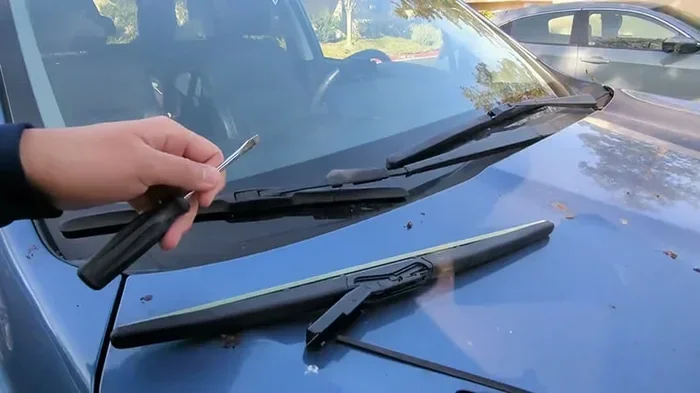
- Flathead screwdriver or release tool: Some wiper connectors need a small flat tool to press or release a locking tab.
- New wiper blades (if replacing): Have your replacement blades ready so you can install them right away.
- Owner’s manual: Your vehicle manual may have specific instructions for your wiper type.
Pro tip: Lay a towel on the windshield before you start working. If the wiper arm accidentally snaps back onto the glass, the towel acts as a cushion and prevents scratches. This simple step has saved many car owners from expensive windshield repairs.
Step-by-Step Guide to Removing Windshield Wipers
Now let us get into the actual removal process. Follow these steps carefully for each wiper blade on your vehicle.
Step 1: Turn Off Your Ignition
This is the most important safety step. Turn your car off completely and remove the key from the ignition. If your vehicle has a push-button start, make sure it is in the off position. Why does this matter? Because if the wiper stalk gets bumped, the wipers could activate suddenly. This could cause injury or damage to the wiper motor and linkage.
Step 2: Lift the Wiper Arm Away from the Windshield
Gently lift the wiper arm away from the windshield until it stands upright. Be careful here. Wiper arms have a spring-loaded mechanism that can snap back quickly if released suddenly. Place a folded towel between the arm and the windshield to cushion it in case it slips.
Step 3: Locate the Wiper Connector
Look at the point where the wiper blade connects to the wiper arm. You will see a small connector mechanism. This is what holds the blade in place. Different vehicles use different connector types, and we will cover each one in detail in the next section.
Step 4: Release the Connector
Depending on your connector type, you will need to press a button, slide a tab, or squeeze a latch to release the wiper blade. We will walk through each type below. Once the connector releases, slide the old blade down the arm and away from the windshield.
Step 5: Repeat for the Other Wipers
If you are removing both front wipers, repeat the entire process for the second blade. Do not rush. Take your time with each one to ensure a clean, damage-free removal.
Step 6: Store or Replace the Blades
If you are storing the wipers, keep them in a dry, cool place. If you are installing new blades, align the new connector with the wiper arm and push firmly until you hear a click. Then gently lower the arm back onto the windshield.
Common Wiper Connector Types and How to Release Them
Not all wiper connectors are the same. Different car manufacturers use different mechanisms, and knowing which type you have makes the removal process much smoother. Here are the three most common types you will encounter.
| Connector Type | How to Identify It | How to Release It |
|---|---|---|
| J-Hook | Looks like a curved hook at the end of the wiper arm | Press the small tab or button on the side of the connector, then slide the blade off the hook |
| Side-Lock | A small lever or clip on the side of the connector | Flip the lever up or sideways, then slide the blade off the arm |
| Push-Button (Bayonet) | A round button in the center of the connector | Press the button firmly and pull the blade straight off the arm |
J-Hook Connectors
The J-hook is one of the most common connector types found on older vehicles and many economy cars. It gets its name from the J-shaped hook at the end of the wiper arm. To remove a blade from a J-hook connector, locate the small release tab on the side of the connector. Use your thumb or a flathead screwdriver to press this tab while simultaneously sliding the blade off the hook. The blade should slide off smoothly once the tab is pressed.
Side-Lock Connectors
Side-lock connectors are common on many modern vehicles, including models from Ford, Honda, and Toyota. These connectors have a small lever or clip on the side. To release the blade, flip the lever to the unlocked position. You may need to use a bit of pressure, but it should not require excessive force. Once the lever is flipped, the blade slides right off the arm.
Push-Button (Bayonet) Connectors
Push-button connectors, also called bayonet-style connectors, are found on many European vehicles and newer models. These connectors have a round button in the center. Simply press the button with your thumb while pulling the wiper blade away from the arm. The blade will release and come right off. These connectors are often the easiest to work with because they require no levers or tabs.
Tips to Prevent Damage During Removal
Removing windshield wipers is straightforward, but a few mistakes can lead to scratches on your windshield, bent wiper arms, or broken connectors. Here are essential tips to keep everything safe.
Always Use a Protective Cloth
Never let the metal wiper arm touch the windshield glass without a barrier. A microfiber towel or soft cloth placed between the arm and the glass prevents scratches. This is especially important if you are lifting the arm for storage or replacement.
Do Not Force the Connector
If the connector does not release easily, stop and reassess. Forcing it can break the locking mechanism, bend the wiper arm, or crack the windshield. Double-check that you have identified the correct release method for your connector type. If needed, consult your vehicle owner’s manual or watch a quick video specific to your car model.
Work on One Side at a Time
It can be tempting to remove both wipers at the same time, but working on one side at a time helps you stay organized. You will also have a reference point if you are unsure about the connector type on the second side.
Keep Small Parts Safe
Some connectors have small clips, tabs, or pins that can fall off during removal. Keep these parts in a small bowl or pocket so you do not lose them. They may be needed if you are reinstalling the same wiper blades.
Avoid Bending the Wiper Arm
Wiper arms are spring-loaded and can be surprisingly strong. Bending them too far or at the wrong angle can damage the spring mechanism. When lifting the arm, do so gently and only as far as needed to remove the blade.
When to Replace vs. When to Simply Remove
It is important to understand the difference between removing your wipers for storage and removing them because they need replacement. Here are some quick guidelines.
Remove for storage: If you are storing your car for the winter or during a long period of non-use, you can remove the wipers and keep the same blades. Store them in a cool, dry place away from direct sunlight. The rubber will last longer if it is not exposed to UV rays or extreme temperatures.
Replace the blades: If you notice streaking, chattering, skipping, or visible cracks in the rubber, it is time for new blades. Most drivers need replacements once or twice a year. Replacing your windshield wipers yourself is a cost-effective way to keep your visibility sharp without visiting a shop.
Inspect the wiper arm: While the blades are off, take a moment to inspect the wiper arm itself. Look for rust, bending, or weak spring tension. A damaged wiper arm will not hold the blade properly against the windshield, even with brand-new rubber.
Quick Tips for Wiper Maintenance
Taking care of your wipers extends their life and keeps your windshield clear. Here are some simple maintenance habits every car owner should follow:
- Clean your wipers monthly: Wipe the rubber blades with a damp cloth and a small amount of white vinegar. This removes built-up grime and keeps the rubber flexible.
- Lift wipers during winter: If you live in a cold climate, lift the wipers away from the windshield during freezing nights. This prevents them from freezing to the glass.
- Avoid using wipers on a dry windshield: Always apply washer fluid before using the wipers. Running dry creates friction that wears down the rubber faster.
- Check blade alignment: Make sure the blades sit flush against the windshield. Misaligned wipers leave streaks and reduce visibility.
- Replace both blades at the same time: Even if only one blade looks worn, replacing both ensures even performance across the windshield.
These small habits make a big difference. Well-maintained wipers last longer, perform better, and protect your windshield from unnecessary wear.
Common Mistakes to Avoid
Even experienced car owners sometimes make mistakes when removing windshield wipers. Here are the most common errors and how to avoid them.
Forgetting to Turn Off the Ignition
This is the number one mistake. If the wipers activate while the blade is detached, the motor can overheat or the linkage can break. Always, always turn off your car before touching the wipers.
Using the Wrong Removal Technique
Every connector type has its own release method. Trying to slide a side-lock blade off like a J-hook connector will only lead to frustration and potential damage. Identify your connector first, then proceed.
Skipping the Protective Cloth
It might seem like an extra step, but placing a towel between the wiper arm and windshield prevents costly glass damage. A single scratch on your windshield can lead to a full windshield replacement, which costs hundreds of dollars.
Rushing the Process
Removing wipers should take about five minutes per blade. Rushing increases the chance of mistakes, broken parts, and accidental damage. Take your time and enjoy the satisfaction of doing it right.
Final Thoughts on Removing Your Windshield Wipers
Removing your windshield wipers without damage is entirely achievable when you follow the right steps. Whether you are swapping out old blades for new ones, storing your car for the season, or simply performing routine maintenance, the process is straightforward and rewarding. You now know how to identify your connector type, use the correct release technique, and protect your windshield throughout the process.
Remember to take your time, use the right tools, and never force a connector that does not want to release. These small precautions go a long way in preserving both your wipers and your windshield. Once you have removed your old blades, you can confidently install new ones or store the originals for later use.
If you are looking to take your car care to the next level, consider exploring other DIY maintenance tasks that keep your vehicle running smoothly. And if you are thinking about making broader improvements to your car, upgrading your vehicle with better parts is a great way to boost performance and appearance.
With the knowledge you have gained from this guide, you are fully equipped to handle wiper removal safely and confidently. Your windshield will thank you, and your wallet will too.
Frequently Asked Questions
Can I remove my windshield wipers without any tools?
Yes, in most cases you do not need any tools at all. Most modern wiper connectors are designed for hand removal. You simply press a button, flip a lever, or slide the blade off the hook. A soft cloth and a pair of gloves are the only things you really need.
How often should I replace my windshield wiper blades?
Most experts recommend replacing your wiper blades every six to twelve months. If you notice streaking, chattering, or visible cracks in the rubber, it is time for a new set. Regular replacement ensures clear visibility and protects your windshield from scratches caused by worn rubber.
Is it safe to lift my windshield wipers during winter?
Lifting your wipers during winter is safe and common practice. It prevents the rubber from freezing to the windshield glass. However, for long-term storage, it is better to remove the wipers entirely to avoid stressing the wiper arm spring over time.
What should I do if the wiper connector is stuck?
If the connector does not release easily, do not force it. Double-check that you have identified the correct connector type and are using the right release method. A small flathead screwdriver or a specialized wiper removal tool can help with stubborn connectors. If it still does not budge, consult a professional to avoid damage.
Can I store removed windshield wipers for the summer?
Absolutely. Removed wipers can be stored during the summer months. Keep them in a cool, dry place away from direct sunlight. UV rays and heat can degrade the rubber over time, so a closet or garage shelf works perfectly for storage.
Do I need to replace both wiper blades at the same time?
It is highly recommended to replace both blades at the same time, even if only one appears worn. This ensures even wiping performance across the entire windshield. Uneven blades can leave streaks and reduce your visibility, which defeats the purpose of replacing just one.