Does the Ignition Lock the Steering Wheel for Good
Yes, the ignition locks the steering wheel as an anti-theft feature, but it does not lock it for good. Most drivers encounter this issue when they turn off the engine and the steering wheel becomes stiff. Understanding how the steering wheel lock works can save you time and frustration.
Have you ever turned off your car, walked away for a second, and then come back to a steering wheel that feels like it’s welded to the column? You try to turn it, and nothing happens. Panic sets in. Did something break? Is this permanent? The short answer is no. The ignition locks the steering wheel, but it does not lock it for good. This is a normal security feature found in almost every car on the road today.
Understanding how this system works can save you a lot of stress. It can also help you avoid making the problem worse. In this guide, we will walk you through everything you need to know about the steering wheel lock mechanism. We will cover why it happens, how to fix it, and when to call for help.
Whether you are dealing with a locked wheel right now or just want to learn more about your car’s security system, this article has you covered. Let us dive in.
Key Takeaways
- The steering wheel lock is a safety feature designed to prevent theft and keep your car secure when parked.
- The ignition lock engages automatically when you remove the key and turn the steering wheel slightly.
- A locked steering wheel is not permanent and can be unlocked with simple steps.
- Forcing the wheel can damage the ignition cylinder and lead to expensive repairs.
- Regular maintenance of your ignition system helps prevent lock-ups and key issues.
- Knowing how to unlock the wheel quickly can get you back on the road in minutes.
📑 Table of Contents
What Is the Steering Wheel Lock Mechanism?
The steering wheel lock is a simple but effective anti-theft device. It is built into almost every modern vehicle. When you turn off the engine and remove the key, the lock engages automatically. This prevents someone from turning the steering wheel and driving away without the key.
Here is how it works in plain terms. Inside the steering column, there is a small pin or lever. When the key is removed, this pin drops into place. It blocks the steering wheel from moving. At the same time, the ignition switch locks the key cylinder so the key cannot be removed or turned.
This dual-lock system is very effective. It has been a standard feature in cars for decades. Car manufacturers introduced it to reduce vehicle theft. It is one of the oldest and most reliable car security features ever made.
Why Do Cars Have Steering Wheel Locks?
The main reason is theft prevention. A steering wheel that cannot turn is very hard to drive. Even if someone hotwires the car, they still cannot steer it. This makes your vehicle a much less attractive target for thieves.
Steering wheel locks also protect your car when it is parked. They work alongside other security systems like alarms and immobilizers. Together, these features create a strong defense against unauthorized access.
How Does the Ignition Lock the Steering Wheel?
The process is automatic and happens every time you turn off your car. You do not need to do anything special. The lock engages the moment you remove the key from the ignition. Here is the step-by-step process.
First, you turn the engine off. The ignition switch moves to the off position. Next, you remove the key from the cylinder. As the key leaves, a small spring-loaded pin drops into the steering column. This pin physically blocks the steering shaft from rotating. Finally, the steering wheel becomes stiff and immobile.
It is important to note that the lock only engages when the wheel is moved slightly after the key is removed. If you remove the key and do not touch the steering wheel, the lock may not activate. This is why some people are surprised when the wheel locks up later.
The Role of the Ignition Cylinder
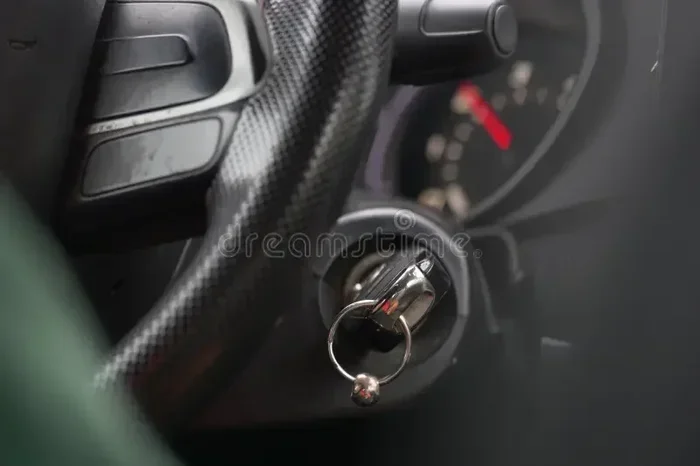
The ignition cylinder is the heart of this system. It houses the key and contains the mechanism that controls the lock. When you insert and turn the key, the cylinder aligns internal pins called wafers or tumblers. This alignment allows the cylinder to rotate and engage the ignition switch.
When you turn the key to the off position, the cylinder retracts a rod that releases the steering lock. But it also locks the cylinder itself. This means the key can only be removed when the lock is fully engaged. This is a clever safety design that keeps your car secure.
Why Does Your Steering Wheel Lock Up?
There are several reasons why your steering wheel might lock up. Most of them are completely normal and nothing to worry about. However, some causes point to underlying issues that need attention.
The most common reason is simply turning off the car and moving the wheel. This is the normal lock engagement we described above. But let us look at other scenarios where the lock might cause problems.
Normal Lock Engagement
This is what happens every day to millions of drivers. You park the car, take the key out, and turn the wheel a little. The lock clicks into place. The wheel will not move until you insert the key and turn the ignition to the accessory or on position. This is by design and works perfectly.
Key Stuck in the Ignition
Sometimes the key gets stuck in the ignition cylinder. This can happen if the steering lock engages while the key is still partially inserted. You may not be able to turn the key or remove it. This is a frustrating but common issue.
If this happens, do not force the key. Gently wiggle the steering wheel left and right while trying to turn the key. This releases the lock pin and allows the key to turn freely. For more detailed help with this issue, check out our guide on Car Key Not Turning In Ignition.
Worn or Damaged Lock Components
Over time, the lock mechanism can wear out. The pin or lever inside the steering column may become loose or bent. The ignition cylinder may develop excessive play. When this happens, the lock might engage unexpectedly or fail to release properly.
Older vehicles are more prone to this problem. The lock components are mechanical and they degrade with age. Regular maintenance can help extend their lifespan. If you notice the lock becoming unreliable, it is worth getting it inspected by a mechanic.
Steering Wheel Lock After Battery Replacement
Some drivers report that the steering wheel locks after replacing the car battery. This can happen if the electrical system resets and the ignition loses power momentarily. The lock mechanism engages as a safety default. Usually, simply reinserting the key and turning the ignition resolves the issue.
For related tips on car battery and key issues, you might find our article on Do You Have To Reset The Car Key After Changing The Battery helpful.
How to Unlock a Locked Steering Wheel
Unlocking a locked steering wheel is simple once you know the steps. You do not need any special tools. In most cases, you can do it yourself in under a minute. Here is exactly what to do.
- Insert the key into the ignition cylinder. Make sure it is the correct key for the vehicle.
- Turn the steering wheel gently to the left or right. You will feel the lock pin release when the wheel moves slightly.
- While holding the wheel in that direction, turn the key. Move the key to the accessory or on position.
- The steering wheel should unlock immediately. You can now turn the wheel freely in both directions.
That is it. The entire process takes just a few seconds. The key is to turn the wheel and the key at the same time. This releases the lock pin and allows normal operation to resume.
What If the Key Will Not Turn?
If the key does not turn, do not force it. Forcing the key can break it inside the cylinder. This creates a much bigger problem. Instead, try these troubleshooting steps.
- Wiggle the steering wheel gently while attempting to turn the key.
- Check that you are using the correct key. Sometimes keys look similar but have different cuts.
- Try jiggling the key slightly while turning it. A worn key may need slight adjustment to align with the tumblers.
- Spray a small amount of graphite lubricant into the ignition cylinder. This can help if the lock is stiff due to debris or rust.
If none of these steps work, the ignition cylinder may need replacement. This is a job for a professional locksmith or mechanic. Avoid trying to drill out or force the lock. That kind of damage is expensive and unnecessary.
Quick Tips for Unlocking the Steering Wheel
- Always use the correct key that came with your vehicle.
- Do not apply excessive force to the steering wheel or the key.
- Keep graphite lubricant in your glove box for lock issues.
- If the wheel feels stuck, try turning it in both directions to find the release point.
- Stay calm. The lock is not permanent and can always be released.
Common Problems with the Ignition Lock System
While the steering wheel lock is a reliable system, it is not immune to problems. Understanding these common issues can help you diagnose problems early and avoid costly repairs.
Ignition Cylinder Wear
The ignition cylinder has moving parts that wear down over time. The key tumblers can become loose. The cylinder may develop excessive wobble. When this happens, the lock may not engage properly or the key may feel sloppy when turning. This is especially common in vehicles with over 100,000 miles.
Steering Column Lock Failure
In rare cases, the steering column lock can fail. The pin or lever that blocks the steering shaft may break or stick. A broken lock means the steering wheel does not lock at all. This is a security risk. A stuck lock means the wheel cannot be unlocked even with the key. Both situations require professional repair.
Key Fob Battery and Electronic Locks
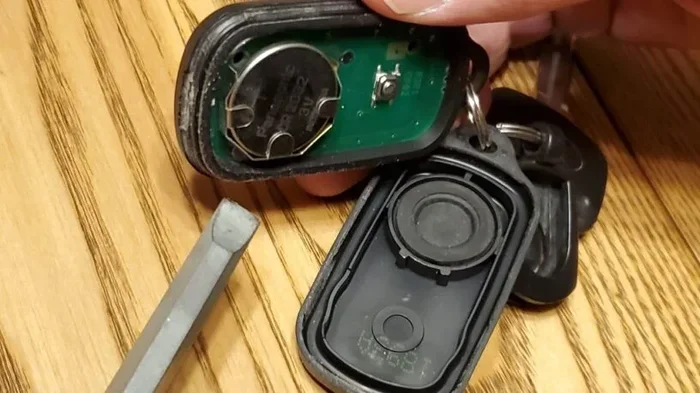
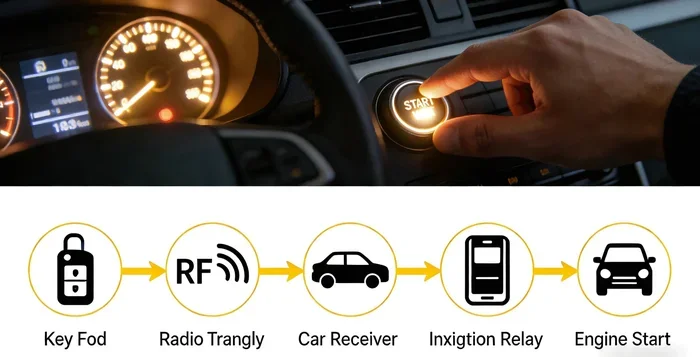
Modern vehicles with push-button start or keyless entry have electronic lock systems. The steering wheel lock in these cars is still mechanical, but the ignition signal is electronic. If your key fob battery dies, you may not be able to send the signal to start the car, even though the physical lock mechanism works fine.
For more on this topic, visit our article on Can You Drive A Car If The Key Fob Battery Dies.
Locking the Wheel While Driving
It is extremely rare, but the steering wheel lock can engage while driving in very unusual circumstances. This typically happens if there is a mechanical failure in the lock assembly. If this occurs, hold the steering wheel firmly and pull over safely. Do not attempt to unlock the wheel while the car is moving. Call for roadside assistance immediately.
When to Seek Professional Help
Most steering wheel lock issues are simple to fix at home. But some situations call for a professional. Knowing when to seek help can save you time and prevent further damage.
You should call a mechanic if the key breaks inside the ignition cylinder. You should also seek help if the steering wheel will not unlock even after trying all the steps above. A locksmith can extract a broken key and replace the cylinder if needed.
Other signs that it is time for professional help include a key that feels rough or gritty when turning, a steering wheel that locks randomly, or an ignition that does not recognize the key at all. These symptoms suggest internal damage that needs expert diagnosis.
Regular ignition lock maintenance can prevent many of these issues. Have your ignition cylinder inspected during routine service appointments. A mechanic can spot wear early and recommend replacement before it becomes a serious problem.
Prevention Tips
- Use the correct key every time. Do not copy keys from unreliable sources.
- Avoid hanging heavy keychains from the ignition key. Extra weight puts stress on the cylinder.
- Keep the ignition cylinder clean and free of debris.
- Have the lock mechanism inspected during regular maintenance.
- Do not force the key if it does not turn easily. Stop and try again later.
Frequently Asked Questions
Can a locked steering wheel damage the car?
No, a locked steering wheel is designed to be a normal and safe condition. It does not damage the car. However, forcing the wheel or key aggressively can damage the ignition cylinder or break the key inside. Always follow the proper unlocking steps to avoid causing harm.
How do I know if my steering wheel is locked?
Your steering wheel will feel stiff and will not move left or right. The key may also be difficult to turn or remove. These are clear signs that the lock mechanism has engaged. This is a normal security feature and not a sign of a broken car.
Can I drive with a locked steering wheel?
No, you cannot drive safely with a locked steering wheel. The lock prevents the wheel from turning, which means you have no steering control. Always unlock the wheel before starting the engine and driving. For more information on driving with key-related issues, check our guide on Can You Start An Ignition Without A Key.
Does every car have a steering wheel lock?
Yes, virtually every car manufactured today has a steering wheel lock. It is a standard anti-theft feature required by law in many countries. The design may vary slightly between manufacturers, but the basic mechanism is the same across all vehicles.
How long does a steering wheel lock last?
The lock mechanism is designed to last the lifetime of the vehicle. However, the ignition cylinder and key tumblers can wear out over many years of use. With proper care and maintenance, the lock system should work reliably for 100,000 miles or more.
What should I do if my key breaks in the locked ignition?
Do not try to extract the broken key yourself with tools like tweezers or pliers. You risk pushing it deeper or damaging the cylinder. Instead, call a professional locksmith or mechanic. They have specialized tools to remove broken keys safely and replace the ignition cylinder if needed.
Conclusion
The ignition locks the steering wheel as an important security feature. It is not permanent, and it is not something to fear. Every driver will encounter this lock at some point. The good news is that unlocking it is quick, easy, and requires nothing more than your key and a little knowledge.
Remember to always turn the steering wheel gently while inserting and turning the key. Avoid forcing anything. Keep your ignition system well-maintained, and your steering wheel lock will serve you reliably for years to come. Understanding how your car’s security system works gives you confidence and helps you handle unexpected situations calmly.
Next time you find yourself staring at a locked steering wheel, take a deep breath. You now know exactly what to do. Insert the key, turn the wheel, and you will be back on your way in no time.