Does It Really Matter What Oil I Put in My Car Today
Yes, it really matters what oil you put in your car. Using the wrong motor oil can hurt your engine protection, reduce fuel efficiency, and even cause serious damage over time. Always check your owner’s manual and follow the OEM recommendation for the best results.
You might have stood in the oil aisle at an auto parts store and felt completely overwhelmed. There are so many bottles. So many numbers. So many colors and labels. And you might be thinking, “Does it really matter what oil I put in my car?” The short answer is yes. The long answer is even more important.
Motor oil is the lifeblood of your engine. It keeps everything moving smoothly. It reduces friction. It cools parts that get incredibly hot. And it prevents metal-on-metal contact that can destroy an engine in minutes. So when you pour the wrong stuff into that engine, things can go wrong fast.
Whether you are a DIY type who changes oil at home or you just want to understand what the mechanic is talking about, this guide has you covered. We will break down everything you need to know about oil type, viscosity, and why using the right engine oil can save you hundreds — or even thousands — of dollars in repairs.
Key Takeaways
- Oil type matters: Using the wrong oil can reduce engine performance and lifespan.
- Viscosity is key: The numbers on the oil bottle (like 5W-30) tell you how the oil flows at different temperatures.
- Synthetic vs conventional: Synthetic oil offers better protection but costs more. Conventional oil works fine for older engines.
- Check your manual: Your car’s owner’s manual has the exact oil specification you need.
- Wrong oil causes real damage: From poor oil pressure to accelerated wear, the risks are real.
- When in doubt, ask a pro: A trusted mechanic can confirm the right oil type for your vehicle.
📑 Table of Contents
- Why Oil Type Matters for Your Engine
- Understanding Oil Types: Synthetic vs Conventional
- How to Find the Right Oil for Your Car
- Using the Wrong Oil: Risks and Consequences
- Quick Tips for Choosing the Right Motor Oil
- Common Mistakes People Make With Engine Oil
- Expert Insight: Why Mechanics Recommend Following the Manual
- Conclusion
Why Oil Type Matters for Your Engine
Your car’s engine has dozens of moving parts. Pistons. Crankshafts. Camshafts. Valves. All of these spin, slide, and rotate at high speed. Without proper lubrication, they would grind against each other and seize up within minutes.
Engine oil creates a thin film between these metal surfaces. That film reduces friction. It carries heat away from hot spots. It also picks up dirt and metal particles and sends them to the oil filter where they get trapped.
What Happens When You Use the Wrong Oil
Using the wrong oil type can cause a range of problems. Some show up quickly. Others build up over time. Here are the most common issues:
- Poor engine performance: The wrong viscosity can cause sluggish response, especially in cold weather.
- Increased wear and tear: If the oil is too thin, it may not form a proper protective layer between moving parts.
- Reduced fuel efficiency: Thick oil makes your engine work harder, which burns more fuel.
- Oil leaks: Some oils are formulated to swell seals. Using the wrong one can cause leaks or make existing leaks worse.
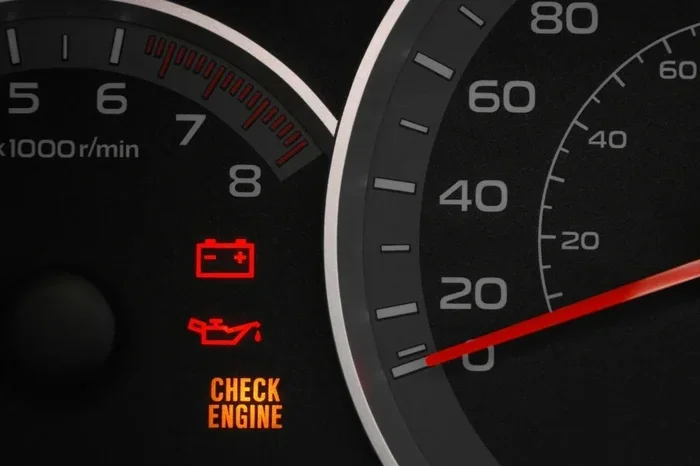
- Check engine light: In some cases, wrong oil can trigger warning lights on your dashboard.
If you have ever wondered whether oil pressure issues could be linked to your oil choice, the answer is often yes. Thin oil in a high-mileage engine can cause low pressure. Thick oil in a cold engine can make it hard to turn over.
And if you are dealing with low oil levels, you might want to check out our guide on Can You Tell If Your Car Is Low On Oil to learn the warning signs.
Understanding Oil Types: Synthetic vs Conventional
Not all motor oils are created equal. The two main categories are synthetic oil and conventional oil. Each has its own strengths and best use cases.
Synthetic Oil Benefits
Synthetic oil is engineered in a lab. It is designed to perform under extreme conditions. Here is why many car owners prefer it:
- Better temperature stability: Synthetic oil flows well in freezing cold and resists breaking down in extreme heat.
- Longer intervals: Many synthetic oils can last 7,500 to 10,000 miles between changes. That is almost double what conventional oil offers.
- Superior engine protection: It contains additives that reduce wear, clean engine parts, and prevent sludge buildup.
- Improved fuel economy: Because it flows more easily, your engine does not have to work as hard.
If you are considering switching to synthetic, you should also read up on how often you really need to change it. Our article Do I Really Need To Change Synthetic Oil Every 6 Months covers this topic in detail.
Conventional Oil: When It Makes Sense
Conventional oil is derived from crude oil. It has been used in engines for decades. It works well for older vehicles and those with simpler engine designs. Here are some situations where conventional oil is perfectly fine:
- High-mileage older cars: If your car has over 150,000 miles, conventional oil may be the better choice.
- Low-stress driving: If you mostly drive short, easy trips in mild weather, conventional oil gets the job done.
- Budget-conscious owners: Conventional oil costs less than synthetic, sometimes by half.
The key is knowing what your engine needs. A modern turbocharged engine will not perform well with conventional oil. But a 2005 sedan with 180,000 miles might run just fine on it.
How to Find the Right Oil for Your Car
Finding the right oil type for your vehicle is easier than you think. There are clear steps you can follow to make sure you get it right every time.
Check Your Owner’s Manual
Your car’s owner’s manual is the ultimate guide. It tells you exactly what oil specification your engine needs. Look for the section on maintenance or lubrication. You will find details like:
- The recommended viscosity grade (like 5W-30 or 10W-40)
- The required oil specification (like API SP or ACEA C3)
- The oil capacity for your engine
- Any special requirements for your specific model
If you have lost your manual, you can usually find a digital copy on the manufacturer’s website. Just search for your car’s year, make, and model.
What the Numbers on the Oil Bottle Mean
Walk into any auto parts store and you will see bottles labeled with numbers like 5W-30, 0W-20, or 10W-40. These numbers are not random. They tell you about the oil’s viscosity, which is its resistance to flow.
The first number (with the W) tells you how the oil flows in cold temperatures. A lower number means the oil flows better when it is cold. The second number tells you how thick the oil is at operating temperature. A higher number means the oil stays thicker when hot.
For example, 5W-30 oil flows easily in cold weather (the 5W part) and stays thick enough to protect your engine when it is hot (the 30 part). This is why viscosity grade matters so much.
Some car owners wonder if they can switch viscosities. For instance, if your manual says 0W-20, can you use 5W-30 instead? The answer is usually no. The OEM recommendation exists for a reason. But if you want to explore this further, our guide on Can I Use 5W20 Instead Of 0W20 In A Corolla dives into this specific scenario.
Using the Wrong Oil: Risks and Consequences
Let us be honest about what can happen when you use the wrong motor oil. Some people think it is no big deal. They just grab whatever is on the shelf and pour it in. But the consequences can be serious.
Short-Term Effects
In the short term, using the wrong oil might not cause obvious damage. But you may notice subtle changes:
- Noisy engine: Wrong oil can fail to lubricate properly, leading to increased engine noise.
- Rough idling: Your engine might idle unevenly if the oil is not flowing correctly.
- Reduced responsiveness: The engine may feel sluggish, especially during acceleration.
Long-Term Engine Damage
Over time, using the wrong oil type can lead to major problems:
- Increased friction: Without proper lubrication, metal parts grind against each other. This causes wear and tear that accumulates over time.
- Overheating: Oil that breaks down too quickly cannot carry heat away from critical engine components.
- Sludge buildup: Wrong oil can leave behind deposits that clog passages and reduce oil flow.
- Warranty void: If your car is still under warranty, using the wrong oil can void your coverage. This is a huge risk.
In extreme cases, using the wrong oil can lead to engine failure. And engine replacement is one of the most expensive repairs you can face. That is why taking a few minutes to choose the right oil is so important.
If you are dealing with any oil-related issues, you might also find our article on Can I Add Oil To My Car If It S Low helpful for understanding how to top up your oil safely.
Quick Tips for Choosing the Right Motor Oil
Choosing the right oil does not have to be complicated. Follow these simple tips and you will be confident in your choice:
- Read your owner’s manual first. This is the single most important step. It tells you exactly what your engine needs.
- Match the viscosity grade. Use the same numbers your manual recommends. Do not guess.
- Look for the API certification. The American Petroleum Institute stamp on the bottle means the oil meets industry standards.
- Consider your driving conditions. If you drive in extreme heat or cold, you may need a specialized oil.
- Check for high-mileage formulas. If your car has over 75,000 miles, a high-mileage motor oil can help protect older seals and gaskets.
- Do not mix oil types. Stick with one type of oil. Do not blend synthetic and conventional unless you are in an emergency.
- Change your oil filter too. A fresh filter works hand-in-hand with clean oil to keep your engine running smoothly.
These tips apply whether you change your oil at home or bring your car to a shop. They are simple but powerful. And they can extend the life of your engine by years.
Common Mistakes People Make With Engine Oil
Even experienced car owners make mistakes when it comes to engine oil. Here are the most common ones to avoid:
Overfilling the Oil
More oil is not better. Overfilling your engine can cause foaming, which reduces the oil’s ability to lubricate. It can also increase oil pressure to dangerous levels. Always stick to the recommended oil capacity listed in your manual.
Ignoring Oil Change Intervals
Even the best oil breaks down over time. It gets dirty. It loses its additives. Ignoring oil change intervals is one of the fastest ways to damage your engine. Set a reminder on your phone or use your car’s oil life indicator if it has one.
Using the Wrong Specification
Viscosity is important, but so is the oil specification. The API rating on the bottle (like SP, SN, or SM) tells you what the oil is designed to do. Using an older specification in a modern engine may not provide adequate protection.
Skipping the Oil Filter
Some people change the oil but forget the filter. A clogged filter can’t catch contaminants. Dirty oil circulates through the engine and causes wear. Always replace the filter when you change the oil.
Expert Insight: Why Mechanics Recommend Following the Manual
Experienced mechanics will tell you the same thing: trust the manual. Car manufacturers spend millions of dollars testing their engines with specific oil types and viscosity grades. They know what works best. When you follow their OEM recommendation, you are giving your engine the best chance to last a long, healthy life.
Of course, there are exceptions. Some performance cars require synthetic blends. Some older engines benefit from slightly thicker oil. But these are the exceptions, not the rule. For the vast majority of vehicles, the manual has the answer.
If you are unsure about what oil to use, it never hurts to ask a professional. Many dealerships and independent shops will confirm the right oil type for free. It is a quick check that can save you a lot of headaches down the road.
Conclusion
So does it really matter what oil you put in your car? Absolutely. The motor oil you choose affects everything from engine performance to fuel economy to long-term reliability. Using the right oil type with the correct viscosity grade is one of the simplest things you can do to protect your investment.
Take a few minutes. Read your owner’s manual. Check the numbers on the oil bottle. And when you are in doubt, follow the OEM recommendation. Your engine will thank you for it. And your wallet will too.
Remember, proper engine protection starts with the right oil. Do not skip this step. Your car depends on it every time you turn the key.
Frequently Asked Questions
Can I use any oil in my car if it is the right viscosity?
Not exactly. While viscosity is important, the oil specification matters too. Your car’s owner’s manual will list both the viscosity grade and the required specification. Always check both before purchasing motor oil.
What happens if I put synthetic oil in a car that calls for conventional?
Using synthetic oil when your manual calls for conventional is generally safe. Synthetic oil is better in almost every way. However, it is a waste of money if your engine does not need it. Stick with what the manual recommends for the best value.
Can I switch between different oil brands?
Yes, you can switch brands as long as the viscosity grade and oil specification match. The brand matters less than the numbers and certifications on the bottle. Look for the API certification mark to ensure quality.
How do I know if my car needs high-mileage oil?
If your car has over 75,000 miles, high-mileage engine oil can be a good choice. These oils contain additives that help condition seals and reduce leaks. Check your manual or ask a mechanic if you are unsure.
Does oil color tell me if I need an oil change?
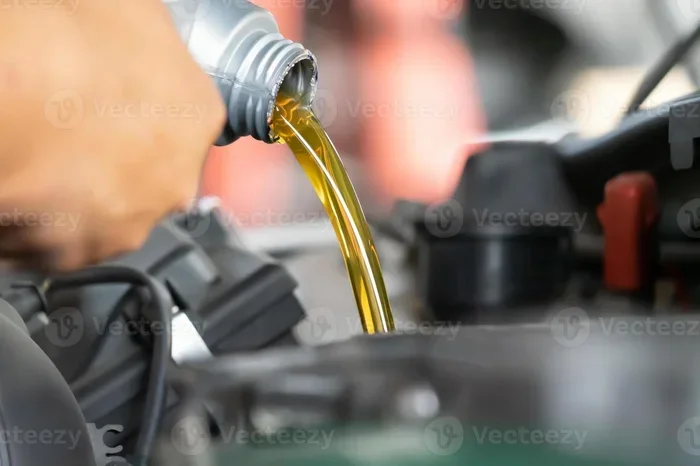
Not really. New oil is amber in color. As it is used, it darkens due to contaminants. But dark oil is not always bad oil. The best way to know is to check the oil level and follow the recommended oil change interval. You can also learn more about low oil signs in our guide on Can You Tell If Your Car Is Low On Oil.
Is it bad to drive with low oil?
Yes, driving with low oil is very risky. It can cause your engine to overheat and suffer severe damage. If your oil is low, add the correct oil type as soon as possible. For more guidance, check out our article on Can I Add Oil To My Car If It S Low.