What Bugattis 0 to 60 Time Means for Real Performance
Bugatti’s 0-60 time is more than just a number on a spec sheet. It reveals how a hypercar handles real-world acceleration, traction, and power delivery. Understanding what this metric means helps car enthusiasts appreciate the true engineering behind these machines.
Bugatti. The name alone sparks excitement among car lovers everywhere. These machines represent the peak of automotive engineering. But when people talk about Bugatti’s 0-60 time, what do they really mean? This number tells you how fast these incredible cars go from zero to 60 miles per hour. It sounds simple on paper. But the story behind it is anything but simple.
Understanding Bugatti’s 0 to 60 time gives you a window into real performance. It shows you how much power a car can put down. It reveals how well the tires grip the road. And it highlights the genius of engineering that goes into every hypercar. Whether you are a gearhead or just curious, this guide breaks it all down. Let us dive into what those seconds and tenths of a second really mean.
Key Takeaways
- 0-60 time measures real acceleration: It tells you how fast a Bugatti goes from standstill to 60 mph in everyday driving conditions.
- Engineering matters more than the number: The W16 engine, aerodynamics, and launch control all work together to achieve stunning acceleration.
- Bugatti’s 0-60 times rank among the fastest: Models like the Chiron and Divo compete with the best supercars in the world.
- Real-world performance differs from lab numbers: Temperature, tire grip, and road conditions all affect actual acceleration.
- Maintenance keeps performance alive: Regular care ensures your Bugatti delivers the 0-60 times it was designed for.
- Understanding 0-60 helps you compare cars: It gives you a practical way to evaluate hypercar performance against competitors.
📑 Table of Contents
Understanding Bugatti’s 0-60 Time
The 0-60 time is one of the most talked-about numbers in the car world. It measures how many seconds it takes a vehicle to reach 60 miles per hour from a dead stop. For most cars, this number sits somewhere between 6 and 10 seconds. For a Bugatti hypercar, it drops to just 2.4 or 2.5 seconds. That is incredibly fast. But what makes this number so special?
Why 0-60 Time Matters
The 0-60 time matters because it reflects real-world acceleration. Unlike top speed, which you rarely reach, you feel every bit of acceleration in daily driving. When you step on the gas at a green light, the 0-60 number tells you what to expect. A faster time means the car launches harder. It means the engine and drivetrain work together seamlessly. And it means the driver feels every ounce of that massive horsepower.
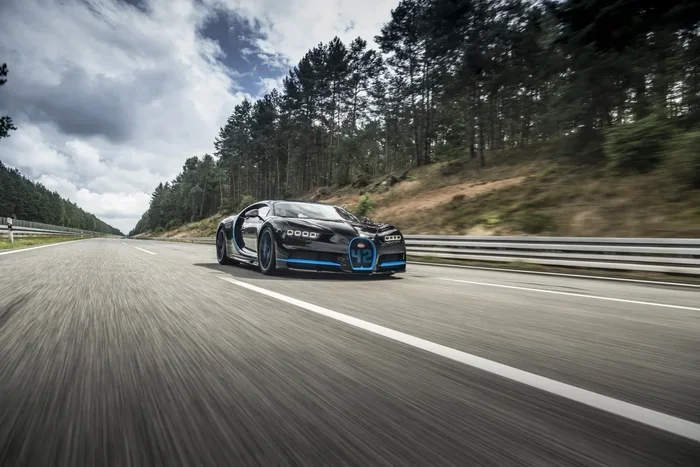
For Bugatti, the 0-60 acceleration time is a badge of honor. Each new model pushes the limits further. The Chiron Super Sport hits 60 in about 2.4 seconds. The newer Bolide goes even faster. These numbers place Bugatti at the top of the performance world. They prove that the brand cares about more than just straight-line speed.
How Bugatti Measures Its 0-60 Times
Bugatti uses controlled testing environments to measure 0-60 performance. The tests happen on prepared surfaces with ideal conditions. Launch control systems engage automatically. The transmission shifts at the perfect moment. All of these factors work together to produce the official numbers. But real-world conditions are rarely this perfect.
In everyday driving, your Bugatti’s 0-60 time might vary slightly. Cold tires give less grip. Hot weather affects engine performance. Even tire pressure plays a role. This is why manufacturers often test under ideal conditions. They want to show the car at its absolute best. But smart drivers know the real-world numbers tell a different story.
What Makes Bugatti So Fast
Bugatti does not just throw money at the problem and hope for the best. The engineering behind these cars is incredibly deliberate. Every component works together to achieve those jaw-dropping 0-60 times. Let us look at the key pieces that make Bugatti so fast.
The W16 Engine
At the heart of every Bugatti sits the legendary W16 engine. This massive powerplant has 16 cylinders arranged in a unique W shape. It produces over 1,500 horsepower in the Chiron. That is more power than most supercars dream of. The engine also generates a huge amount of torque. Torque is the twisting force that pushes the car forward. More torque means faster acceleration off the line.
The W16 engine uses quad turbochargers to force air into the cylinders. This boosts power output dramatically. The result is a smooth, relentless surge of acceleration. When you mash the pedal in a Bugatti, the turbochargers spool up fast. You feel the push in your back before you even hit 30 miles per hour.
Aerodynamics and Downforce
Speed means nothing without grip. Bugatti spends millions on aerodynamic design. The body shape pushes the car down onto the road. This downforce keeps the tires planted at high speeds. More grip means the tires can handle more power. And more power means faster 0-60 acceleration.
The active aerodynamics on modern Bugattis adjust in real time. At low speeds, the car sits low for stability. At high speeds, spoilers and diffusers deploy for maximum downforce. This smart engineering helps the car put its power to the ground efficiently. Without it, all that horsepower would just spin the tires uselessly.
All-Wheel Drive and Transmission
Bugatti uses an all-wheel-drive system to distribute power to all four wheels. This is crucial for fast acceleration. When only two wheels receive power, they can spin out easily. All-wheel drive spreads the force evenly. The tires grip better. The car launches faster.
The dual-clutch transmission shifts gears in milliseconds. There is almost no delay between gear changes. This keeps the power flowing smoothly to the wheels. You feel the acceleration build without any interruption. The combination of AWD and a fast-shifting transmission gives Bugatti its edge in the 0-60 sprint.
How Bugatti’s 0-60 Compares to Other Cars
Every car enthusiast loves a good comparison. How does Bugatti’s 0-60 time stack up against the competition? Let us put some numbers on the table.
| Car Model | 0-60 Time | Horsepower | Engine Type |
|---|---|---|---|
| Bugatti Chiron | 2.4 seconds | 1,578 hp | W16 Quad-Turbo |
| Bugatti Bolide | 2.2 seconds | 1,825 hp | W16 Quad-Turbo |
| Porsche 911 Turbo S | 2.6 seconds | 640 hp | Flat-6 Twin-Turbo |
| Ferrari SF90 Stradale | 2.5 seconds | 986 hp | V8 + Electric |
| Lamborghini Aventador SVJ | 2.8 seconds | 759 hp | V12 Naturally Aspirated |
The table shows that Bugatti sits at the very top. The Bolide beats nearly every production car in the 0-60 sprint. Even the Chiron, which is not the newest model, still holds its own. The combination of a W16 engine and all-wheel drive gives Bugatti a clear advantage. No other manufacturer comes close to matching that level of raw acceleration.
That said, cars like the Ferrari SF90 show that electrification is closing the gap. Hybrid supercars use electric motors to fill in the gaps between gear shifts. This gives them an edge in the low-speed acceleration phase. But Bugatti’s sheer power output keeps it in a league of its own.
The Real-World Meaning of 0-60 Time
Here is the truth that many car buyers overlook. The 0-60 time you see in a brochure is not the same as what you experience on the road. Several factors change how a Bugatti accelerates in real life.
Tire Grip and Surface Conditions
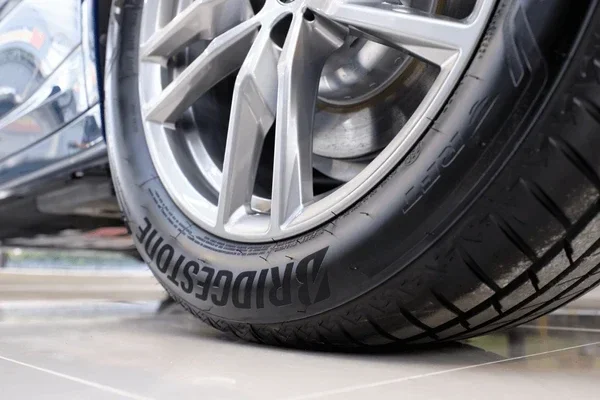
Even with all-wheel drive, the tires are the limiting factor. Bugatti uses specially developed Michelin Pilot Sport Cup 2 tires. These tires grip the road like glue. But on a wet surface, grip drops dramatically. Your 0-60 time will be slower in the rain. On a gravel road, forget about hitting the official number.
This is why professional tests use drag strips and prepared surfaces. The tires and track conditions are optimized. In your daily driving, you will rarely experience those perfect conditions. Keep this in mind when comparing 0-60 numbers between cars.
Temperature and Engine Warm-Up
Engine temperature plays a huge role in acceleration. A cold engine does not produce its full power. The oil has not reached optimal viscosity. The fuel mixture is richer. All of this means a slightly slower 0-60 time when the car is cold.
Once the engine warms up, performance improves significantly. The oil flows freely. The turbochargers spool efficiently. The engine management system unlocks full power. This is why many owners track their oil life percentage and maintenance schedules carefully. A well-maintained engine delivers consistent performance every time. If you want to learn more about monitoring your oil, check out this guide on understanding when to change your oil based on oil life percentage.
Driver Skill and Launch Technique
Believe it or not, the driver matters too. A skilled driver uses launch control properly. They modulate the throttle to avoid wheel spin. They hold the brakes just right before releasing. These small techniques can shave tenths of a second off the 0-60 time.
An inexperienced driver might spin the tires excessively. This wastes energy and slows the launch. The car’s computer limits power if it detects wheel slip. So even with 1,500 horsepower on tap, a poor launch hurts your numbers. Practice and familiarity with the car make a real difference.
Maintaining a Bugatti’s Performance Edge
Owning a Bugatti comes with serious responsibilities. These cars are not like ordinary vehicles. They require special care to maintain their incredible 0-60 acceleration. Let us talk about what it takes to keep a Bugatti performing at its best.
Regular Maintenance Is Non-Negotiable
Bugatti recommends strict maintenance schedules for all its models. Oil changes happen more frequently than you might expect. The W16 engine has 16 cylinders that need proper lubrication. Old or dirty oil reduces engine performance. This directly affects your acceleration times.
If you ever find yourself low on oil, you need to act quickly. Running an engine with low oil causes serious damage. Here is a helpful guide on what to do if your car is low on oil. The same principle applies to Bugattis, just at a much higher level of performance and precision.
Transmission Care
The dual-clutch transmission in a Bugatti handles enormous amounts of power. It shifts thousands of times during a single drive. Over time, this wear affects performance. A well-maintained transmission shifts faster and smoother. A neglected one starts to hesitate. That hesitation costs you time in the 0-60 sprint.
Bugatti transmission fluid needs regular replacement. The intervals are shorter than many other cars. This keeps the internal components cool and lubricated. If you are curious about how long transmissions typically last, check out this resource on understanding when transmissions go bad and how to extend their life. The same principles apply to Bugatti’s advanced gearbox systems.
Cooling System and Brake Maintenance
All that power generates a tremendous amount of heat. The cooling system keeps the engine from overheating. If the coolant level drops too low, performance suffers. In extreme cases, the engine can sustain damage. Here is what to do if you ever face an empty coolant situation: learn how to safely add coolant when it is empty.
Brakes are equally important. A Bugatti weighing over 4,000 pounds needs serious stopping power. The carbon-ceramic brake systems handle extreme heat. But they still need regular inspection. Worn brake pads reduce safety and performance. Keeping everything in top shape ensures your Bugatti stays fast and reliable.
What Bugatti’s 0-60 Time Means for You
So what does all of this mean for the average car enthusiast? Bugatti’s 0-60 time represents the absolute pinnacle of what a road car can do. It is a benchmark for acceleration that very few manufacturers can match. But it also reminds us that speed is about more than just numbers.
When you understand what goes into achieving those incredible 0-60 acceleration times, you appreciate the engineering more. The W16 engine, the aerodynamics, the all-wheel-drive system, the transmission. All of these pieces work in harmony. They create an experience that is unlike anything else on the road.
For most of us, we will never own a Bugatti. But we can still learn from them. The principles of power delivery, traction, and weight management apply to any car. Even your daily driver benefits from proper maintenance and smart driving habits. Taking care of your vehicle ensures it performs at its best. And understanding performance metrics helps you make smarter buying decisions.
The next time you see a Bugatti fly past, remember what that 0-60 time really represents. It is not just a number. It is years of engineering, millions of dollars in development, and countless hours of testing. It is the result of a team that refuses to accept limits. And that is what makes Bugatti special.
Performance is not just about going fast. It is about control, precision, and consistency. Bugatti delivers all three in spades. Their 0-60 times prove that hypercars can still push boundaries in an age of electrification and hybrid technology. The future of acceleration is exciting. And Bugatti is leading the charge.
Frequently Asked Questions
What is a good 0-60 time for a Bugatti?
A good 0-60 time for a Bugatti is between 2.2 and 2.5 seconds. The Chiron achieves this in about 2.4 seconds, while the Bolide pushes it even faster to 2.2 seconds. These numbers place Bugatti among the fastest production cars in the world.
Why is Bugatti’s 0-60 time so fast?
Bugatti’s 0-60 acceleration is so fast because of its W16 engine, all-wheel drive, and advanced aerodynamics. The quad-turbo setup produces over 1,500 horsepower. The dual-clutch transmission shifts instantly. And the downforce keeps the tires planted during hard launches.
Does the 0-60 time change in real-world conditions?
Yes, the real-world 0-60 time can vary based on temperature, tire grip, and road surface. Cold tires and wet roads reduce grip significantly. Professional tests use ideal conditions, so your actual acceleration may differ slightly from the official numbers.
How does Bugatti’s 0-60 compare to electric supercars?
Electric supercars like the Rimac Nevera can match or beat Bugatti’s 0-60 times because electric motors deliver instant torque. However, Bugatti’s W16 engine offers a different kind of performance feel with its massive top speed and long-distance cruising ability.
Can regular maintenance improve a Bugatti’s 0-60 time?
Yes, regular maintenance keeps a Bugatti performing at its best. Fresh oil, new tires, and properly serviced transmission all contribute to consistent acceleration performance. A well-maintained Bugatti will always hit closer to its factory 0-60 numbers.
Is the 0-60 time the most important performance metric?
The 0-60 time is important but not the only metric. Quarter-mile times, top speed, and braking distance all tell part of the story. A complete picture of performance comes from looking at multiple metrics together.
=== CONCLUSION ===
Bugatti’s 0-60 time represents the absolute best in automotive acceleration. It is a number that captures the imagination and sets the standard for hypercar performance. From the W16 engine to the aerodynamic bodywork, every element works together to achieve those breathtaking seconds.
Understanding what this metric means gives you a deeper appreciation for the engineering behind these machines. It is not just about going fast. It is about precision, control, and the relentless pursuit of perfection. Whether you are comparing Bugatti’s 0 to 60 time against other supercars or simply marveling at the numbers, one thing is clear. Bugatti continues to define what is possible on four wheels.
Keep your car well-maintained, drive safely, and never stop learning about the machines you love. The world of performance cars is always evolving, and Bugatti remains at the forefront. That is what makes the 0-60 time so exciting. It is not just a number. It is a promise of what is still to come.