How Often Do You Change the Clutch on Maserati Quattroporte
The clutch on a Maserati Quattroporte typically lasts between 100,000 and 150,000 miles, but driving style and conditions can shift that range significantly. Recognizing early warning signs like slippage or chattering helps you avoid costly damage. A full replacement involves labor, new parts, and often a flywheel resurfacing, with costs ranging from $1,500 to $3,000.
Key Takeaways
- Clutch Lifespan: Most Maserati Quattroporte clutches last 100,000 to 150,000 miles under normal driving conditions.
- Warning Signs: Slipping, chattering, a burning smell, or difficulty shifting are clear signals that the clutch is wearing out.
- Replacement Cost: Expect to pay between $1,500 and $3,000, depending on labor rates and whether the flywheel needs resurfacing.
- Driving Habits Matter: Aggressive stop-and-go driving and riding the clutch dramatically shorten clutch life.
- Professional Diagnosis: You can run diagnostics without a check engine light to catch clutch issues early.
- Maintenance Intervals: Regular checks of the clutch hydraulic system and transmission fluid support longevity.
📑 Table of Contents
- Understanding the Clutch on a Maserati Quattroporte
- How Often Should You Change the Clutch?
- Signs Your Quattroporte Clutch Is Worn Out
- The Clutch Replacement Process: What to Expect
- Cost of Clutch Replacement for the Maserati Quattroporte
- Extending the Life of Your Quattroporte Clutch
- When to Seek Professional Help
Understanding the Clutch on a Maserati Quattroporte
The Maserati Quattroporte is a luxury sedan that blends power with refinement. Central to that driving experience is the clutch, a component that connects the engine to the transmission. When you press the pedal, the clutch disengages, allowing you to shift gears smoothly. Release it, and power flows back to the wheels. On older models, the Quattroporte uses a conventional single-clutch setup, while some newer variants feature a dual-clutch transmission for faster shifts. Regardless of the type, the clutch is a wear item. It faces heat, friction, and constant use every time you drive.
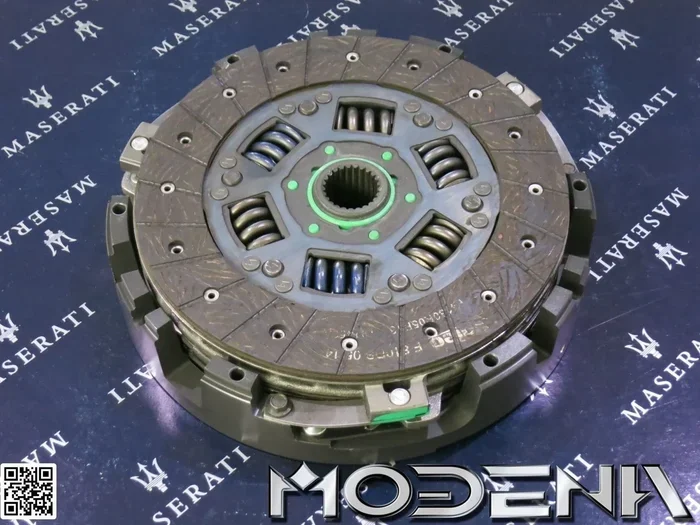
Knowing how your clutch works helps you appreciate why it needs attention. The clutch disc, pressure plate, and release bearing work together. Over time, the friction material on the disc wears thin. Hydraulic fluid in the system can also degrade. When these parts fail, your driving experience suffers. A well-maintained clutch keeps the Quattroporte feeling crisp and responsive. Ignoring it can lead to more expensive repairs down the road.
How Often Should You Change the Clutch?
There is no single mileage number that fits every Quattroporte. The clutch lifespan depends heavily on how you drive and where you drive. Most Maserati owners will need a clutch change between 100,000 and 150,000 miles. Some drivers reach 200,000 miles before needing a replacement. Others may need it at 80,000 miles if they drive aggressively in heavy traffic.
Clutch Lifespan by Driving Style
Your daily habits play the biggest role. If you ride the clutch, keeping the pedal partially pressed at stops, the friction material wears faster. Frequent launch control use and aggressive starts also shorten the life. On the other hand, a driver who uses the clutch only when shifting and avoids holding the pedal at hills can stretch the interval. The Maserati owner’s manual provides a general service schedule, but it often leaves clutch replacement to mileage or symptoms rather than a fixed interval.
Comparison Table: Clutch Life in Different Conditions
| Driving Condition | Estimated Clutch Life (miles) | Key Factors |
|---|---|---|
| Highway cruising, light traffic | 150,000 – 200,000 | Minimal clutch engagement, smooth operation |
| Mixed city and highway | 100,000 – 150,000 | Average stop-and-go, normal usage |
| Heavy city traffic, frequent stops | 70,000 – 100,000 | Constant slipping, heat buildup |
| Aggressive driving, track use | 50,000 – 80,000 | Hard launches, high RPM shifts, heat stress |
Keep in mind that these numbers are estimates. The Maserati Quattroporte clutch can last longer with proper care. If you are unsure about your driving style’s impact, a quick inspection can reveal early wear.
Signs Your Quattroporte Clutch Is Worn Out
Catching a failing clutch early saves you from a breakdown and a larger repair bill. The symptoms are usually clear and progressive. Here are the most common signs to watch for.
Common Symptoms of a Failing Clutch
- Slipping: The engine RPM rises when you press the gas, but the car does not accelerate proportionally. This often happens under heavy load, like climbing a hill.
- Chattering or Grabbing: A jerky feeling when you release the pedal. The car lurches forward instead of moving smoothly.
- Burning Smell: A sharp, acrid odor, often noticed after hard driving. It smells like overheated friction material.
- Difficulty Shifting: Gears grind or refuse to engage. You might hear a clunk when trying to shift into first or reverse.
- Spongy or Loose Pedal: The pedal feels different. It may sink to the floor or require less effort, indicating a hydraulic leak.
If you notice any of these signs, have a technician inspect the clutch right away. Continuing to drive on a worn clutch can damage the flywheel and pressure plate, turning a simple repair into a major job.
The Clutch Replacement Process: What to Expect
Replacing the clutch on a Maserati Quattroporte is a significant job. It requires lifting the vehicle, removing the transmission, and accessing the clutch assembly. Here is a step-by-step look at the process.
Step-by-Step Replacement
- Inspection and Diagnosis: The technician confirms the clutch is the problem. They check the hydraulic system, linkage, and pedal feel. They may also run a diagnostic scan to see if there are any stored codes.
- Transmission Removal: The driveshaft is removed first, then the transmission is unbolted and separated from the engine. This gives access to the clutch assembly.
- Clutch Removal: The pressure plate, clutch disc, and release bearing are taken off the flywheel. The technician inspects the flywheel for cracks or excessive wear.
- Flywheel Resurfacing or Replacement: If the flywheel surface is scored or warped, it is sent out for resurfacing. Some shops recommend replacing it outright, especially on high-mileage vehicles.
- New Clutch Installation: The new clutch disc, pressure plate, and release bearing are installed. The technician ensures proper alignment and torque on all bolts.
- Transmission Reinstallation: The transmission is bolted back on, the driveshaft is reconnected, and all fluids are topped off.
- Bleeding and Testing: The hydraulic system is bled to remove air. The car is test-driven to confirm smooth engagement and shifting.
The entire process typically takes one full day. Labor is the biggest cost because of the transmission removal. You might also want to replace the hydraulic slave cylinder and master cylinder at the same time if they show signs of wear. This prevents a second job later.
Cost of Clutch Replacement for the Maserati Quattroporte
The clutch replacement cost for a Maserati Quattroporte is higher than for a standard sedan. Luxury parts and the complexity of the drivetrain add to the price. On average, you can expect to pay between $1,500 and $3,000 for the full job.
Breakdown of Expenses
- Parts: The clutch kit (disc, pressure plate, release bearing) ranges from $600 to $1,200. A performance-oriented kit with an upgraded friction material can cost more.
- Labor: Labor charges typically run $800 to $1,500, depending on the shop’s hourly rate and the time required. Removing and reinstalling the transmission is the most time-consuming part.
- Flywheel Resurfacing: If the flywheel needs work, add $150 to $300. Some shops include this in the labor rate.
- Hydraulic Components: Replacing the slave cylinder or master cylinder adds $100 to $300 in parts and labor.
- Transmission Fluid: A fresh fill of transmission fluid is usually part of the job, costing $50 to $100.
Keep in mind that costs vary by region and shop. A dealership may charge more than an independent specialist, but they often provide a warranty on parts and labor. Unlike changing all 4 brake pads at once, which is a routine and relatively inexpensive item, a clutch replacement is a major event. You want it done right the first time.
Quick Tips for Saving on Clutch Replacement
- Get quotes from at least three shops, including a dealership and two independent Maserati specialists.
- Ask if the flywheel resurfacing is included in the labor rate.
- Consider a certified aftermarket clutch kit if you are not track-driving the car; OEM parts are excellent but pricier.
- Check if your extended warranty covers clutch replacement, as some policies include wear items.
Extending the Life of Your Quattroporte Clutch
A clutch does not have to fail early. With a few mindful habits, you can push the interval well past 150,000 miles. The goal is to reduce unnecessary friction and heat.
Driving Habits That Help
- Avoid Riding the Clutch: Never rest your foot on the pedal while driving. Even slight pressure causes partial engagement and extra wear.
- Use the Handbrake on Hills: When stopped on an incline, use the parking brake instead of holding the car with the clutch pedal.
- Shift Smoothly: Avoid jerky shifts. Release the pedal steadily and match engine revs when downshifting.
- Limit Launch Control Use: Save hard launches for the track. Everyday driving does not need aggressive starts.
- Warm Up the Car Gently: Let the engine and transmission reach operating temperature before pushing hard. Cold clutch components are more prone to wear.
Maintenance Checks That Make a Difference
During regular service, ask the technician to inspect the clutch hydraulic system. They should check the fluid level and look for leaks at the master and slave cylinders. Do mechanics check transmission fluid during an oil change? Yes, and they should also inspect the clutch operation while the car is on the lift. A simple fluid change can prevent contamination that damages the hydraulic components. Also, if you ever notice a change in pedal feel, have it checked promptly. A spongy pedal often means air in the system, which reduces clamping force and accelerates wear.
Common Mistakes That Shorten Clutch Life
- Leaving the car in gear at long traffic lights instead of neutral.
- Using the clutch to hold the car on a hill instead of the brake.
- Shifting into gear before fully releasing the pedal.
- Ignoring a slipping clutch and hoping it will fix itself.
These habits seem small, but they add up over thousands of miles. Breaking them can add tens of thousands of miles to your clutch life.
When to Seek Professional Help
If you experience any of the symptoms mentioned earlier, do not delay a professional inspection. A qualified technician can perform a road test and a lift inspection to determine the exact issue. For Maserati owners, finding a shop that specializes in Italian luxury cars is key. They will have the specific tools and knowledge for the Quattroporte. If you are wondering whether a DIY approach is possible, the answer is generally no. The clutch replacement requires transmission removal, which demands experience and proper equipment. Attempting it without the right skills can lead to further damage.
Also, if your check engine light is on, you might ask, can you run diagnostics without a check engine light? The answer is yes, and it can reveal clutch-related codes that are not yet obvious. Early diagnostics often catch a problem before it becomes a breakdown on the highway.
Regular maintenance, mindful driving, and prompt attention to warning signs will keep your Maserati Quattroporte’s clutch in excellent shape. The result is a car that feels as luxurious and responsive as the day you drove it off the lot.
Frequently Asked Questions
How long does a Maserati Quattroporte clutch typically last?
Under normal driving conditions, the clutch on a Maserati Quattroporte lasts between 100,000 and 150,000 miles. Aggressive driving or heavy stop-and-go traffic can reduce that lifespan to 50,000 or 80,000 miles. Regular maintenance and gentle habits help you reach the higher end of the range.
What are the first signs that my Quattroporte clutch is failing?
The earliest signs are usually slipping, where the engine RPM rises without a matching increase in speed, and chattering or grabbing when you release the pedal. A burning smell or difficulty shifting into gears also indicates wear. If you notice any of these, have the clutch inspected immediately.
Is it worth replacing the flywheel when changing the clutch?
Yes, in most cases. The flywheel is a wear surface that absorbs heat and friction. If it is scored or warped, a new clutch will not engage properly. Resurfacing the flywheel is often included in the labor cost, but replacing it outright ensures a flat, smooth surface for the new clutch disc.
Can I drive my Maserati Quattroporte with a slipping clutch?
You can drive short distances, but it is not recommended. A slipping clutch means the friction material is worn thin, and continued use will damage the flywheel and pressure plate. This turns a $1,500 repair into a $3,000+ job. Have the car towed to a shop if the clutch is slipping badly.
How much does it cost to replace the clutch on a Maserati Quattroporte?
The total cost ranges from $1,500 to $3,000, depending on the shop, location, and whether the flywheel needs resurfacing or replacement. Labor accounts for the largest portion of the cost because the transmission must be removed to access the clutch assembly.
Does riding the clutch really shorten its lifespan?
Absolutely. Riding the clutch means keeping the pedal partially pressed, which causes the clutch disc to slip against the flywheel constantly. This generates heat and wears the friction material much faster. Always keep your foot fully off the clutch pedal when driving.
=== CONCLUSION ===
The clutch on your Maserati Quattroporte is a vital part of the driving experience, and understanding its maintenance needs keeps you on the road and out of the shop. Most drivers will need a replacement between 100,000 and 150,000 miles, but your driving style can shift that number significantly. Watch for slipping, chattering, and burning smells, and address them early. The replacement process is complex and best left to professionals, with costs typically ranging from $1,500 to $3,000. By adopting gentle driving habits and staying on top of hydraulic checks, you can extend the life of your clutch and enjoy the Quattroporte’s performance for years to come. Treat your Maserati Quattroporte clutch with care, and it will reward you with smooth, confident shifts every time you press the pedal.