Can You Get Electrocuted in a Car And How To Stay Safe
So, can you get electrocuted in a car? The short answer is yes, but it is much rarer than most people think. Your car acts as a Faraday cage, which helps protect you from external electrical forces. However, risks do exist — especially with electric and hybrid vehicles, downed power lines, and post-crash scenarios. Understanding these dangers and knowing the right safety steps can genuinely save your life.
Key Takeaways
- Cars offer natural electrical protection: The metal body works as a Faraday cage, shielding occupants from outside electrical sources.
- Electric and hybrid vehicles carry unique risks: High-voltage batteries can pose electrocution dangers during accidents or malfunctions.
- Downed power lines are extremely dangerous: Staying inside your car is usually the safest option when a line lands on your vehicle.
- Post-crash electrical hazards are real: Damaged wiring, leaking fluids, and short circuits can create shock risks after a collision.
- Knowing what to do matters: Proper escape techniques and emergency responses make a huge difference in electrocution survival.
- Prevention starts with awareness: Regular vehicle maintenance and understanding your car’s electrical system reduce risks significantly.
📑 Table of Contents
- Can You Get Electrocuted in a Car? The Truth Nobody Talks About
- How Electricity Works Inside a Car
- Can You Get Electrocuted in a Car During a Crash?
- What Happens If a Power Line Falls on Your Car?
- Electrical Hazards After a Car Accident
- How to Stay Safe Around Your Car’s Electrical System
- Electric Vehicle Fires and Electrical Risks
- Real-Life Scenarios: When Electrocution in a Car Actually Happens
- Common Myths About Electrocution in Cars
- Key Takeaways
- Conclusion
Can You Get Electrocuted in a Car? The Truth Nobody Talks About
Most people never think about electrocution in a car. You hop in, drive, and go about your day. But the truth is, electrical dangers in vehicles are more real than you might expect. The good news? Serious electrocution inside a car is actually quite rare. Still, knowing the facts could one day save your life or the life of someone you love.
Cars are not completely immune to electrical hazards. Whether you drive a traditional gasoline vehicle, a hybrid car, or a fully electric electric vehicle (EV), there are electrical systems at work. Each type of vehicle carries its own set of risks. And certain situations — like a car crash near a power line — can turn a normal drive into a genuinely dangerous event.
In this article, we will break down everything you need to know. We will cover how car electrical systems work, what the real electrocution risks are, and exactly what you should do in different scenarios. You will also learn practical car electrical safety tips that are easy to follow. Let us get into it.
How Electricity Works Inside a Car
To understand the risks, you first need to understand how electricity flows through your vehicle. A typical car has a 12-volt battery that powers the lights, radio, and starter motor. This low-voltage system is generally safe to touch. But things change when you look at modern vehicles with advanced electrical systems.
The Car as a Faraday Cage
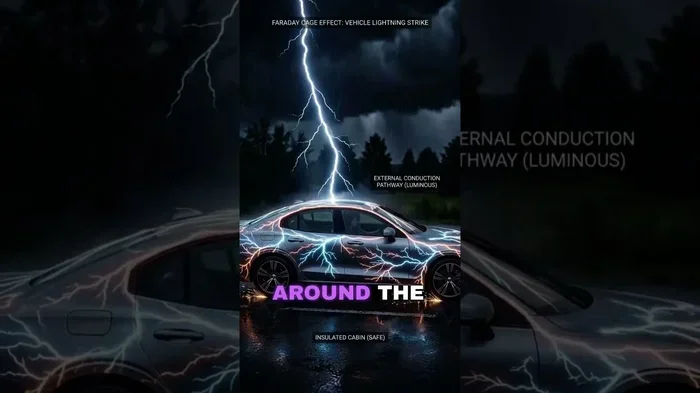
Here is a fascinating fact. The metal body of your car acts like a Faraday cage. This is a scientific principle where an enclosed metal structure redirects electrical charges around the outside. The result? People inside the car are protected from external electrical fields.
This is why it is generally safe to stay inside your car during a thunderstorm. The lightning strikes the metal exterior, and the current flows around you — not through you. The same principle applies to electrical shock in vehicle scenarios involving outside power sources.
High-Voltage Systems in Modern Vehicles
Now let us talk about electric and hybrid cars. These vehicles use high-voltage batteries that can carry 200 to 400 volts or more. That is a massive jump from the standard 12-volt battery. These high-voltage systems power the electric motor and regenerative braking.
Automakers design these systems with multiple layers of electrical insulation. The cables are brightly colored — usually orange — so technicians and first responders can spot them easily. The battery packs are sealed and mounted in protective housings. But damage from a serious crash can compromise these safety measures.
Quick Tip: If you ever see orange cables or components under your hood or undercarriage, treat them with extreme caution. These are high-voltage parts that can deliver a deadly shock.
Can You Get Electrocuted in a Car During a Crash?
This is one of the most common questions people ask. The answer depends on the situation. A minor fender-bender is very unlikely to cause electrocution. But a severe collision can create real electrical dangers.
Traditional Gasoline Cars
In a standard gasoline car, the 12-volt battery poses very little electrocution risk. Even if the battery terminals are exposed after a crash, 12 volts is not enough to drive a dangerous current through your body. You might get a spark or a minor burn if you touch both terminals at once, but serious electrical shock in vehicle events are extremely rare.
However, there is a secondary risk. A crash can rupture the fuel system, leading to a fire. The real danger in traditional cars after an accident usually comes from fire and explosion, not electrocution. Still, always turn off the engine after a crash to reduce fuel pump activity and fire risk.
Electric and Hybrid Vehicles
Hybrid cars and fully electric vehicles carry a different level of risk. The high-voltage battery system can deliver a serious — even fatal — shock if damaged properly. In a severe accident, the battery pack might rupture. Exposed high-voltage wires can energize the car chassis or fluids.
That said, automakers have built in many safety features. The system is designed to automatically disconnect the battery during a collision. Sensors detect the impact and trigger the high-voltage contactors to open. This cuts the power flow within milliseconds.
But these systems are not foolproof. A particularly violent crash can bypass these safeguards. And in some cases, the vehicle might not de-energize properly. This is why post-crash electrical safety is so important.
Common Mistakes: Many people assume an electric car is safe to touch immediately after a crash. Do not assume the system has disconnected. Wait for professional help if you notice any damage to the battery or orange high-voltage components.
What Happens If a Power Line Falls on Your Car?
This is one of the scariest scenarios on the road. A downed power line landing on or near your car creates an extremely dangerous situation. But your response in those first moments is critical.
Why You Should Stay Inside
Your first instinct might be to jump out. Resist that urge. The metal frame of your car conducts electricity around the exterior. As long as you stay inside, the Faraday cage effect protects you. The current flows from the point of contact through the car body and into the ground — bypassing you entirely.
If you step out with one foot while touching the car, you create a path for electricity to flow through your body. This is called a “ground gradient” or “step potential.” The voltage difference between the car and the ground can drive a lethal current through your legs and torso.
Expert Insight: According to the Electrical Safety Foundation International, staying inside a vehicle with a downed power line is almost always the safest choice. Only exit if the car is on fire or there is another immediate life threat.
How to Exit Safely If You Must
If staying inside is not an option — say, the car is actively burning — you need to exit without touching the ground and the car at the same time. Follow these steps:
- Open the door without touching any metal parts of the car exterior.
- Jump clear of the vehicle. Land with both feet together.
- Do not touch the car and the ground at the same time.
- Shuffle or hop away with small steps, keeping both feet together. Do not walk or run normally.
- Move at least 35 feet away from the vehicle and the power line.
The shuffling motion prevents “step potential” by keeping both feet at the same electrical potential. It is an awkward movement, but it can save your life.
Electrical Hazards After a Car Accident
Even after the crash scene is cleared, electrical dangers can linger. Understanding these post-accident hazards is a key part of car electrical safety.
Damaged Wiring and Short Circuits
Modern vehicles contain miles of wiring. A collision can sever or pinch these wires, causing short circuits. A short circuit can spark, overheat, or energize parts of the car that should not be live. In gasoline cars, this increases fire risk. In electric vehicles, it can expose occupants to high-voltage components.
If your car has been in an accident, have a professional inspect the electrical system before driving it again. Do not attempt to check the wiring yourself unless you are a trained technician.
Leaking Fluids and Electrical Contact
Coolant, brake fluid, and transmission fluid can leak during a crash. If these fluids come into contact with exposed electrical components, they can create conductivity paths where none should exist. In electric vehicles, leaking coolant sometimes contacts high-voltage components, which can make the fluid itself energized.
Quick Tip: Never touch leaking fluids under your car after an accident. Treat all post-crash fluid leaks as potentially hazardous until a professional confirms otherwise.
Hybrid Battery Safety
Hybrid cars use both a gasoline engine and a high-voltage battery pack. The battery in a hybrid can carry several hundred volts. After an accident, the hybrid system may not always disconnect automatically. This makes hybrid vehicles a unique concern in electrocution risks after collisions.
If you drive a hybrid, make sure you and your passengers know where the high-voltage components are. Avoid touching any orange-colored cables or components after a crash. Call emergency services if you suspect any electrical damage.
How to Stay Safe Around Your Car’s Electrical System
Prevention is always better than reaction. You can take several practical steps to reduce your risk of electrocution in a car on a daily basis.
Regular Maintenance Checks
Keep your vehicle’s electrical system in good shape. Have a trusted mechanic check the battery terminals, wiring, and grounding connections during routine service visits. Corroded battery terminals can cause sparks and overheating. Frayed wires can lead to short circuits.
Pay attention to warning signs. Dimming headlights, flickering dashboard lights, or unusual smells from the engine area can all point to electrical problems. Address these issues early before they become serious hazards.
Aftermarket Modifications
Many car owners install aftermarket electronics — amplifiers, LED light bars, dash cams, or winches. While these upgrades are fun and useful, they can introduce electrical hazards if not installed correctly.
Always have aftermarket electrical work done by a certified professional. Improper wiring can overload your electrical system, melt insulation, or create shock risks. Never splice into high-voltage circuits without proper knowledge and equipment.
Driving in Wet or Stormy Conditions
Water and electricity are a dangerous combination. Driving through deep floodwater can submerge your car’s electrical components and create short circuits. In extreme cases, the water itself can become energized if it contacts downed power lines or damaged electrical infrastructure.
Avoid driving through standing water whenever possible. If you must drive through water, do so slowly and at a steady pace. After driving through water, have your brakes tested lightly and your electrical system inspected if you notice any unusual behavior.
Electric Vehicle Fires and Electrical Risks
There has been growing concern about electric car fire incidents in the news. These fires can involve the high-voltage battery pack and release toxic gases. While electric vehicle fires are statistically rare compared to gasoline car fires, they do present unique challenges.
Thermal Runaway
When a lithium-ion battery in an electric or hybrid car is damaged, it can enter a state called thermal runaway. This is a chain reaction where the battery cells heat up uncontrollably. Temperatures can exceed 1,000 degrees Fahrenheit. The resulting fire is extremely difficult to extinguish and can reignite hours or even days later.
While thermal runaway is primarily a fire hazard, the intense heat can melt battery casings and expose high-voltage components. This creates an electrocution risk in addition to the fire danger.
If you are ever in an electric vehicle fire, get as far away from the vehicle as possible. Do not attempt to extinguish the fire yourself. Call emergency services immediately and warn others to stay clear.
What Emergency Responders Need to Know
If you are ever in a serious accident involving an electric or hybrid vehicle, alert first responders about the high-voltage system. Tell them it is an electric vehicle. This helps them take proper precautions, including using insulated tools and maintaining a safe distance.
Many electric vehicles have emergency disconnect procedures documented in the owner’s manual. Familiarize yourself with these instructions before you need them.
Real-Life Scenarios: When Electrocution in a Car Actually Happens
Let us look at some real-world situations where electrocution risks in cars have materialized. Understanding these cases helps you recognize danger before it becomes a tragedy.
Scenario 1: Flooded Underpass. A driver enters a flooded underpass during heavy rain. The water has contacted an underground electrical conduit. The water becomes energized. The driver, sitting in the car, receives a shock through the conductive water. In this case, the car itself was not the source of electricity — the external water was.
Scenario 2: High-Speed Collision with Power Pole. A car crashes into a utility pole, bringing down power lines. The driver stays inside the car and is protected by the Faraday cage effect. A bystander, however, runs toward the car and touches it while standing in a puddle of electrified water. The bystander is electrocuted. This scenario highlights the danger to people outside the vehicle.
Scenario 3: Damaged High-Voltage Battery. An electric vehicle is T-boned at an intersection. The battery pack sustains damage and the high-voltage system does not disconnect properly. A rescue worker touches the vehicle chassis and receives a shock. This is why proper emergency response vehicle protocols for electric vehicles are so critical.
Each of these scenarios shows a different type of electrical danger. The common thread? Awareness and proper knowledge prevent most tragedies.
Common Myths About Electrocution in Cars
There are many misconceptions floating around about electricity and cars. Let us clear up a few of the most common ones.
- Myth: Rubber tires protect you from electricity. The truth is, standard car tires are not thick enough rubber to insulate you from high-voltage power lines. The Faraday cage effect — not the tires — is what protects you inside the car.
- Myth: Electric cars electrocute you in a crash. The truth is, automakers design EVs with multiple redundant safety systems. The high-voltage system disconnects automatically during a collision. Serious electrocution events in EVs are extremely rare.
- Myth: You should always get out of a car that has hit a power line. The truth is, staying inside is almost always safer. Exiting creates a path for electricity through your body. Only exit if the car is on fire.
- Myth: A car battery can electrocute you. The truth is, a standard 12-volt car battery cannot deliver a dangerous shock under normal conditions. The real danger from a car battery is acid burns or explosion, not electrocution.
Understanding these myths helps you make better decisions when faced with real electrical dangers.
Key Takeaways
- Your car protects you from outside electricity: The metal body acts as a Faraday cage, redirecting electrical charges around you.
- Electric and hybrid vehicles have unique risks: High-voltage batteries require special caution after accidents or damage.
- Stay inside if a power line falls on your car: Exiting creates a dangerous electrical path through your body. Only leave if the car is on fire.
- Know the safe exit technique: Jump clear, land with both feet together, and shuffle away to avoid step potential.
- Post-crash electrical hazards are real: Damaged wiring, leaking fluids, and compromised battery systems can create shock risks after any collision.
- Regular maintenance prevents electrical problems: Inspect your car’s wiring, battery, and grounding system regularly to catch issues early.
- Knowledge is your best protection: Understanding how electricity behaves in and around your car empowers you to make safe decisions in emergencies.
Conclusion
So, can you get electrocuted in a car? Yes, it is possible — but it is far less common than most people fear. The combination of your car’s natural electrical shielding and modern safety engineering means you are well-protected in most situations. The real dangers come from specific scenarios: downed power lines, damaged high-voltage systems in electric and hybrid vehicles, and post-crash electrical failures.
By understanding these risks and knowing the right safety steps, you can dramatically reduce your chances of being involved in an electrical accident. Stay inside your car during power line incidents. Respect the high-voltage systems in modern vehicles. Maintain your car’s electrical system properly. And always think before you act in an emergency.
Car electrical safety is not something you need to worry about every day. But when the unexpected happens, that knowledge becomes invaluable. Share this information with your family and friends. The more people understand the risks and the right responses, the safer we all are on the road.
Stay informed, stay cautious, and stay safe. Your awareness today could prevent a tragedy tomorrow.
Frequently Asked Questions
Can you get electrocuted by touching a car battery?
A standard 12-volt car battery is not powerful enough to cause electrocution under normal conditions. The voltage is too low to push a dangerous current through your body. However, batteries can explode or leak acid, which can cause serious burns and injuries. Always handle car batteries with care and wear protective gloves.
What should you do if your electric car catches fire after an accident?
Get out of the vehicle immediately and move at least 150 feet away. Do not attempt to extinguish the fire yourself. Electric vehicle fires involve burning lithium-ion batteries, which can reignite and release toxic gases. Call 911 and inform responders that it is an electric vehicle so they can use the correct suppression methods.
Is it safe to drive an electric car in the rain?
Yes, electric vehicles are designed to be safe in wet conditions. The high-voltage battery and electrical components are sealed and undergo rigorous water-resistance testing. Manufacturers subject EVs to extensive safety testing, including submersion and heavy rain simulations. Drive confidently in rain, but always follow normal safety practices like avoiding deep floodwater.
How does a hybrid car battery differ from an electric car battery in terms of electrocution risk?
Both hybrid and fully electric vehicles use high-voltage battery systems that can pose electrocution risks if damaged. Hybrid batteries are generally smaller than those in fully electric vehicles, but they still carry several hundred volts. Both types have automatic disconnect systems that activate during collisions. The key difference is that hybrids also have a gasoline engine, which introduces fire and fuel risks in addition to electrical risks.
Can you get shocked by the electronics inside your car while driving?
The internal electronics in your car operate at low voltage and are well-insulated. You are extremely unlikely to receive an electrical shock from the dashboard, infotainment system, or interior lighting. If you notice a tingling sensation from any interior component, have a mechanic inspect your vehicle immediately. This could indicate a grounding fault or wiring issue that needs professional attention.
What is the most common cause of electrocution in or around a car?
The most common cause is contact with external power sources, particularly downed power lines. When a vehicle comes into contact with a live electrical wire, the current can flow through the car body and into the ground. People who touch the car and the ground at the same time become part of the electrical circuit. This is why staying inside the vehicle and avoiding simultaneous contact with the car and the ground is the single most important safety rule in any electrical vehicle incident.