My Car Wont Start but Has Power Heres How to Fix It
When your car won’t start but has power, it means your battery and electrical system are working, but something is stopping the engine from turning over. This frustrating issue can stem from a bad starter motor, faulty ignition switch, corroded battery terminals, or a failed fuel pump. In this guide, we walk you through every possible cause, how to diagnose the problem yourself, and the best fixes to get back on the road fast.
There is nothing more annoying than sitting in your car, turning the key, hearing the dashboard lights glow, and… nothing happens. Your radio still works. Your headlights turn on bright. But the engine refuses to crank. This is the classic car won’t start but has power scenario, and it trips up drivers every single day.
The good news is that this problem is usually fixable. You do not need to be a mechanic to understand what is going on. In most cases, the culprit is something simple and inexpensive. In other cases, it might be a part that needs replacing. Either way, knowing what to look for saves you time, money, and a lot of stress.
This guide breaks down every possible reason your engine will not turn over, even though the electrical system is fully alive. We also walk you through step-by-step diagnosis and practical fixes you can do at home. Let us get into it.
Key Takeaways
- Dashboard lights on but engine won’t crank? This usually points to a starter motor, ignition switch, or neutral safety switch issue.
- Corroded battery terminals are one of the most common and easiest fixes for a car that has power but won’t start.
- A faulty ignition switch or worn key fob battery can prevent the engine from receiving the start signal, even when everything else looks fine.
- Listen for clicking sounds when turning the key, as this is a strong clue pointing to the starter solenoid or starter motor.
- Fuel pump failure is a less obvious cause that still falls under the “has power but won’t start” category.
- Anti-theft systems and security lights can lock out the engine unexpectedly, mimicking a dead battery scenario.
- Regular maintenance like cleaning terminals and checking the starter motor can prevent this problem from happening again.
📑 Table of Contents
Why Your Car Has Power But Won’t Start
To understand this problem, you need to know how a car starts. When you turn the key or push the start button, a signal goes from the ignition to the starter motor. The starter motor spins the engine. At the same time, fuel pumps up from the tank, and a spark ignites the fuel in the cylinders. If any one of these steps fails, the engine will not start.
When your car has power, it means the battery is alive and supplying electricity to the lights, radio, and dashboard. So the problem lies somewhere in the starting system, not the battery itself. This is an important distinction because it narrows down your list of possible causes dramatically.
Think of it this way. Your car is like a chain. The battery is the power source. The starter motor is the first link. The ignition switch is the signal that tells the chain to move. The fuel pump and spark plugs are the next links. If one link breaks, the whole chain stops. Your job is to find which link failed.
What Does It Mean When Your Car Won’t Start but Has Power?
When people say their car won’t start but has power, they usually mean one of two things. First, the dashboard lights come on when you turn the key. Second, you either hear nothing at all, or you hear a rapid clicking sound, but the engine does not turn over.
Both situations point to a problem in the cranking system. The electrical system is working fine, which is good. But the engine is not engaging. This could be due to a dead starter motor, a bad ignition switch, corroded battery cables, or even a faulty neutral safety switch. Each of these issues has its own set of symptoms, which we will cover in detail below.
Common Reasons Your Car Won’t Start but Has Power
Let us look at the most common causes. Each one is explained in simple terms so you can figure out what might be happening with your vehicle.
1. Bad Starter Motor
The starter motor is the electric motor that cranks your engine when you turn the key. If it fails, you will hear nothing or a single click. The car has full power because the battery is fine, but the starter motor cannot do its job.
Starter motors wear out over time, especially in older vehicles. If you hear a grinding noise when you try to start the car, that is a sign the starter gears are worn. A bad starter motor is one of the top reasons a car has power but will not start.
2. Faulty Ignition Switch
The ignition switch is the part that sends the signal from your key to the starter motor. When it goes bad, the dashboard lights might come on, but turning the key does nothing. The engine does not crank.
Ignition switches fail for many reasons. Wear and tear is the biggest one. Electrical shorts can also damage them over time. If your car stalls while driving and then will not restart, a faulty ignition switch could be the cause.
3. Corroded or Loose Battery Terminals
This is the simplest fix on this entire list. Over time, battery terminals can build up a white or greenish crust called corrosion. This crust blocks the electrical connection between the battery and the rest of the car.
Even though the battery has plenty of charge, the power cannot flow properly to the starter motor and other systems. Cleaning the terminals or tightening the cables often solves this problem in minutes. It is one of the first things you should check when your car won’t start but has power.
4. Failed Fuel Pump
Your engine needs fuel to run. The fuel pump pushes gas from the tank to the engine. If the fuel pump fails, the engine will crank (or not crank) but will never fire up.
A failed fuel pump often happens because of a clogged fuel filter or a worn-out pump motor. You might notice your car struggling to start before the pump dies completely. Listening for a faint humming sound near the fuel tank when you turn the key to the “on” position can help you test if the pump is working.
5. Neutral Safety Switch Problems
The neutral safety switch prevents the car from starting unless it is in park or neutral. If this switch goes bad, your car will have full power but will not crank, no matter what you do.
This is a common issue, especially in vehicles with high mileage. Sometimes jiggling the gear shifter while turning the key can temporarily fix the problem. That is a telltale sign that the neutral safety switch is wearing out.
6. Worn Key Fob Battery or Ignition Lock Cylinder
For push-button start vehicles, a weak key fob battery can prevent the car from recognizing the key. The dashboard lights up, but the engine does not start. Replacing the key fob battery is a quick and easy fix.
In traditional key ignition systems, the ignition lock cylinder can wear out. The key will not turn properly, or it turns but does not engage the starter. This is more common in older cars or vehicles where the lock cylinder has been forced many times.
7. Anti-Theft System Lockout
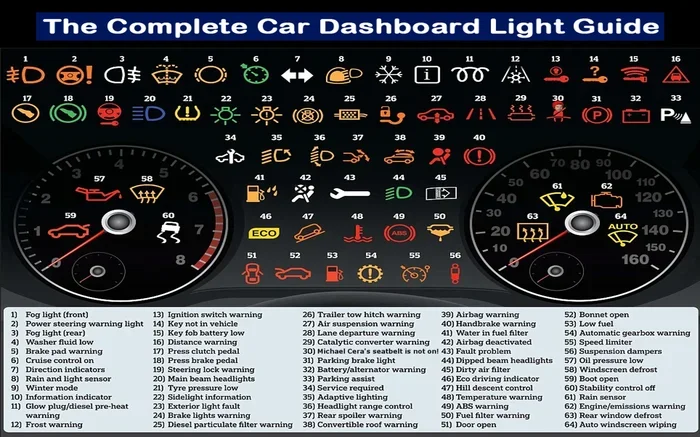
Many modern cars have immobilizer systems that prevent the engine from starting if the wrong key is detected. If the system malfunctions, it can lock you out even with the correct key. A flashing security light on the dashboard usually signals this issue.
Sometimes the problem is as simple as the key fob not being detected properly. Other times, the immobilizer module itself needs to be reset or replaced. This is a less common cause, but it is worth checking if nothing else explains your symptoms.
How to Diagnose the Problem Step by Step
Now that you know the common causes, let us walk through how to diagnose the problem yourself. You do not need expensive tools for most of these steps.
Step 1: Check the Dashboard Lights
Turn the key to the “on” position without starting the engine. Do the dashboard lights come on? Do the warning lights glow normally? If yes, your battery and electrical system are working. This confirms you are dealing with a starting system issue, not a dead battery.
If the lights are dim or flickering, you might have a weak battery or corroded cables. Move on to Step 2 to check the terminals.
Step 2: Inspect the Battery Terminals
Open the hood and look at the battery terminals. Are they clean and shiny? Or do you see a white, blue, or greenish buildup? Corrosion is a very common reason a car has power but will not start.
Try wiggling the cable clamps. If they move loosely, the connection is bad. Tighten them or clean them with a baking soda and water solution. This simple step fixes the problem more often than people realize.
Step 3: Listen for Clicking Sounds
Turn the key to start. Do you hear a single click? A rapid clicking? Or complete silence? Each sound tells you something different.
A single click often means the starter solenoid is engaging but the starter motor is not turning. Rapid clicking usually means the starter motor is trying to engage but does not have enough power. Silence points to a bad ignition switch, neutral safety switch, or a completely dead starter motor.
Step 4: Check the Gear Shifter Position
Make sure your car is fully in park (or neutral for manual transmissions). Sometimes the neutral safety switch does not register the gear position correctly. Try rocking the shifter slightly while turning the key. If the car starts, the switch is likely the problem.
Step 5: Test the Key Fob Battery
For push-button start cars, try replacing the key fob battery. Use the backup physical key to see if the car starts. If it does, the fob battery was the issue. This is an easy and cheap fix that many people overlook.
Step 6: Check for a Fuel Pump Hum
Turn the key to the “on” position (not start). Wait a few seconds. Do you hear a faint hum or whirring sound coming from the back of the car? That is the fuel pump pressurizing the system. If you hear nothing, the fuel pump might be dead.
You can also check the fuel gauge. Sometimes a faulty fuel gauge sender gives a false reading, making you think you have gas when the tank is actually empty.
Fixing the Most Common Causes
Once you have narrowed down the cause, it is time to fix the problem. Here are practical solutions for each of the most common issues.
Fixing Corroded Battery Terminals
Mix baking soda with a small amount of water to make a paste. Apply it to the corroded terminals with an old toothbrush. The fizzing action will dissolve the corrosion. Wipe clean with a dry cloth. Reconnect the cables, starting with the positive terminal first.
After cleaning, apply a thin layer of petroleum jelly to the terminals. This prevents future corrosion and keeps the electrical connection strong.
Replacing a Bad Starter Motor
Replacing a starter motor is a job best left to a mechanic if you are not experienced with car repair. The starter is usually located near the back of the engine, where it meets the transmission. It requires removing several components to access it.
The cost of a new starter motor ranges from 150 to 400 dollars for parts and labor. Some auto parts stores will test your starter for free, which is a great first step before buying a replacement.
Replacing a Faulty Ignition Switch
A new ignition switch is relatively affordable, usually between 50 and 200 dollars for the part. The replacement process involves removing the steering column cover and swapping out the old switch. If you are comfortable working with electrical connections, this is a doable DIY job.
However, if you are not confident, have a professional handle it. The steering column has airbag components that can be dangerous if mishandled.
Fixing the Neutral Safety Switch
The neutral safety switch is usually located on the transmission or the shifter linkage. Adjusting or replacing it is not too difficult. You may need to raise the car on jack stands for better access.
If adjusting the switch does not work, replacing it is the next step. A new switch costs around 30 to 80 dollars and can be installed in under an hour with basic tools.
Replacing the Fuel Pump
A fuel pump replacement is more involved because the pump is inside the fuel tank. You will need to drop the tank to access it. This is not a beginner-level repair, but it is straightforward for someone with basic mechanical skills.
The cost for a fuel pump replacement ranges from 200 to 600 dollars depending on the vehicle. Always replace the fuel filter at the same time to prevent the new pump from clogging prematurely.
Resetting the Anti-Theft System
If your security light is flashing and the car will not start, try this trick. Insert the key and turn it to the “on” position. Wait for 10 to 15 minutes. The security light should stop flashing. Turn the key off, wait a few seconds, then try starting again.
This resets the immobilizer system in many vehicles. If the light continues to flash, you may need to have the immobilizer module reprogrammed by a dealer or qualified locksmith.
When to Call a Professional Mechanic
Not every problem is a DIY fix. You should call a professional if you have checked the basics and your car won’t start but has power issue persists. Here are some situations where professional help is the right call.
If you have cleaned the terminals, checked the gear position, and tested the key fob battery, but the car still will not crank, the problem is likely deeper. A bad starter motor, failed fuel pump, or faulty ignition switch usually requires a mechanic’s expertise.
Also, if you hear a grinding or whining noise when you try to start the car, stop trying immediately. Continuing to turn the key can damage the engine further. Tow the vehicle to a repair shop and let a professional diagnose the issue.
Another sign you need a mechanic is when multiple electrical systems are acting strangely. If your lights dim, the radio resets, and the power windows lag, you might have a wiring issue that goes beyond simple starter problems. Electrical diagnostics require specialized tools that most shops have on hand.
Preventing This Problem in the Future
The best way to deal with a car that won’t start but has power is to prevent it from happening in the first place. Here are some simple habits that keep your starting system healthy.
- Clean your battery terminals every six months. A quick wipe with a wire brush keeps corrosion away.
- Replace your key fob battery once a year. Do not wait until it dies and leaves you stranded.
- Keep your fuel tank at least a quarter full. Running on empty stresses the fuel pump and can cause it to fail prematurely.
- Listen for unusual sounds when starting the car. A grinding or clicking noise is an early warning sign of a failing starter motor.
- Have your ignition switch tested during routine maintenance. A mechanic can spot early wear before it becomes a full failure.
- Replace your fuel filter on schedule. A clean filter protects the fuel pump and ensures consistent fuel delivery.
Taking these small steps adds up. You will spend less time stranded and less money on repairs. Prevention is always cheaper than cure, especially when it comes to your starting system.
Final Thoughts
A car that won’t start but has power is a stressful experience, but it is rarely a catastrophic problem. In most cases, the cause is something simple and affordable to fix. Corroded terminals, a weak key fob battery, or a failing starter motor are the usual suspects.
By following the diagnostic steps in this guide, you can narrow down the cause and either fix it yourself or know exactly what to tell the mechanic. This saves you time and money, and it gives you confidence the next time the problem comes up.
Remember, your car’s electrical system is working if the dashboard lights are on. The problem is isolated to the starting process. Focus your attention there, and you will find the answer. Stay calm, follow the steps, and you will be back on the road in no time.
Frequently Asked Questions
Can a dead key fob battery cause my car to have power but not start?
Yes, absolutely. In push-button start vehicles, a weak key fob battery prevents the car from recognizing the key. The dashboard lights up and the electrical systems work, but the engine will not start. Replacing the fob battery is usually the fix.
How do I know if my starter motor is bad?
You will hear a single click or nothing at all when you turn the key. The dashboard lights stay bright, but the engine does not crank. You can also have a mechanic test the starter motor for free at most auto parts stores.
Is it safe to keep trying to start my car if it has power but won’t crank?
It is okay to try a few times, but do not keep cranking for more than 10 seconds at a time. Overcranking can overheat the starter motor and cause more damage. If the car does not start after a few tries, check the battery terminals and other simple causes first.
How much does it cost to fix a car that won’t start but has power?
The cost depends on the cause. Cleaning corroded terminals costs almost nothing. Replacing a starter motor runs 150 to 400 dollars. A new ignition switch costs 50 to 200 dollars. Fuel pump replacements are the most expensive, ranging from 200 to 600 dollars.
Can a bad ground strap cause my car to have power but not start?
Yes, a loose or corroded ground strap can interrupt the electrical circuit needed to crank the engine. The car may have enough power for the lights and radio but not enough to engage the starter motor. Checking and tightening the ground strap is a quick fix.
Why does my car start fine sometimes but not other times?
Intermittent starting problems often point to a failing ignition switch, a weak starter motor, or a corroded connection that worsens with temperature changes. If the problem comes and goes, have the starting system inspected before it leaves you stranded one day.
=== CONCLUSION ===
A car that won’t start but has power is one of those problems that seems mysterious until you understand how the starting system works. Once you know the chain of events that turns the key into a running engine, the possible causes become much clearer. From corroded battery terminals to a failed fuel pump, most reasons fall into a few common categories.
Use the diagnostic steps in this guide to narrow down the problem. Start with the simplest fixes, like cleaning terminals and checking the gear position. Work your way toward more complex issues like the starter motor or fuel pump. And when in doubt, do not hesitate to call a trusted mechanic.
The key takeaway is this: a car with power but no start is almost always a starting system issue, not a battery problem. Focus on the starter motor, ignition switch, fuel pump, and electrical connections. With the right approach, you can diagnose and fix the problem yourself or walk into a repair shop with confidence. Keep your car maintained, stay on top of small issues, and you will avoid this frustrating situation in the future.