How to Switch From Air Conditioning to Heat Right Now
Switching your car from air conditioning to heat is simple once you understand the basics. This guide walks you through every step, from warming up your engine to adjusting the temperature blend door. You will learn how your car heating system works, common mistakes to avoid, and expert tips for staying comfortable all winter long.
Winter is here. The wind is biting. Your fingers are numb. And your car air conditioning is still blowing cold air when all you want is warmth. Switching from air conditioning to heat in your vehicle sounds easy, right? But many drivers get confused by the knobs, buttons, and settings. They end up shivering behind the wheel instead of staying cozy.
This guide solves that problem. Whether you drive a sedan, SUV, or truck, the process is similar across most vehicles. You will learn exactly how your car heating system works, when to make the switch, and what to do if something goes wrong. We will cover every detail so you can stay warm and safe all season long.
No fluff. No jargon. Just clear, practical advice you can use right away. Let us get you warm.
Key Takeaways
- Know your system: Understanding how your automotive HVAC works makes the switch from AC to heat effortless.
- Warm up first: Always let your engine reach proper coolant temperature before switching to heat for the best cabin warmth.
- Check your coolant: Low coolant is the #1 reason car heating not working issues happen.
- Use the defrost setting: It clears fog fast and helps the heater core warm up faster.
- Replace your cabin filter: A dirty filter blocks airflow and reduces heating efficiency.
- Avoid common mistakes: Running AC and heat at the same time wastes fuel and strains your climate control system.
- Act fast when problems arise: Early detection of thermostat or blend door issues saves expensive repairs.
📑 Table of Contents
- Why Switching From AC to Heat Matters
- Step-by-Step: How to Switch From Air Conditioning to Heat
- Common Mistakes When Switching From AC to Heat
- Troubleshooting: Car Heating Not Working
- Expert Tips for Maximum Winter Comfort
- Quick Tips for a Smooth AC to Heat Transition
- When to See a Professional Mechanic
- Conclusion
Why Switching From AC to Heat Matters
Your vehicle climate control system does two jobs. It cools the cabin in summer and heats it in winter. Many drivers do not think about how the switch actually works. They just flip a knob and hope for the best.
But understanding the process helps you troubleshoot problems. It also saves fuel and keeps your engine running efficiently. When you know what is happening under the hood, you make smarter decisions every time you drive.
Here is the big picture. Your car uses the same fan and duct system for both cooling and heating. The difference lies in where the air passes through. Air conditioning cools air using a refrigerant cycle. Heating uses hot coolant from the engine. That is why you need a warm engine before heat works well.
How Your Car Heating System Works
The heart of your vehicle heating system is the heater core. Think of it as a small radiator inside your dashboard. Hot coolant flows through it. A fan blows air over the heater core. That warm air then enters your cabin through the heating vents.
The temperature blend door controls how much hot and cold air mixes together. When you turn the dial toward heat, the blend door redirects airflow over the heater core. When you turn it toward cold, it bypasses the heater core and sends air through the AC evaporator instead.
Your automotive HVAC system also includes the blower motor, cabin filter, and various ducts. Each part plays a role in delivering comfortable cabin warmth. When one part fails, the whole system suffers.
Key Components You Should Know
- Heater core: A small heat exchanger that warms the air before it enters your cabin.
- Temperature blend door: Controls the mix of hot and cold air in your climate control system.
- Blower motor: Pushes air through the vents and into the cabin.
- Cabin filter: Filters dust, pollen, and debris from the air before it reaches your seat.
- Coolant: The fluid that carries heat from the engine to the heater core.
- Thermostat: Regulates engine temperature so your heating system works properly.
Knowing these parts makes troubleshooting much easier. If your car heating not working, one of these components is likely the culprit.
Step-by-Step: How to Switch From Air Conditioning to Heat
Now let us walk through the actual process. Follow these steps every time you make the switch. It takes less than a minute once you know the routine.
Step 1: Start Your Engine and Let It Warm Up
Do not switch to heat immediately after starting your car. Your engine needs time to reach operating temperature. The coolant must get hot enough to flow through the heater core and produce warm air.
Start the engine. Let it idle for about 2 to 5 minutes. Watch the temperature gauge on your dashboard. Wait until the needle moves into the normal range. That usually takes 3 to 5 minutes in most vehicles.
Pro tip: Do not rev the engine to warm it up faster. That actually causes more wear and does not help your heating system. Just let it idle gently.
Step 2: Turn Off the Air Conditioning
Press the AC button to turn off the air conditioning compressor. You will see the AC light on your dashboard turn off. This stops the refrigerant cycle and stops the compressor from running.
Some newer cars have automatic climate control. In those vehicles, simply set the temperature dial to the warm side. The system will automatically disable the AC when it detects you want heat.
Why does this matter? Running AC and heat at the same time wastes fuel. It also puts unnecessary strain on your compressor and other components of your climate control system.
Step 3: Set the Temperature Dial to Heat
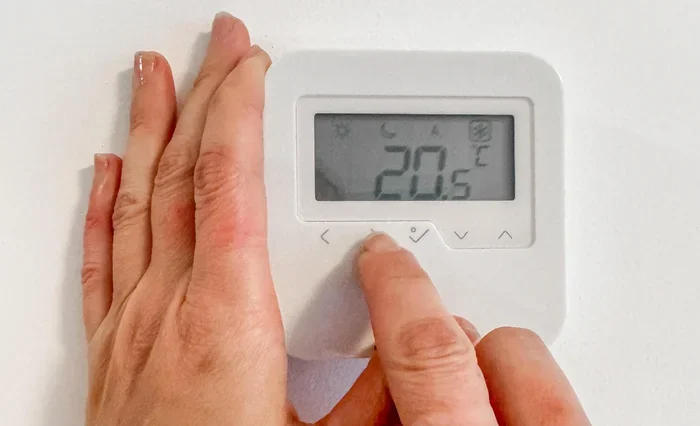
Turn the temperature knob or press the up arrow on your digital controls. Move it toward the red or hot side. The temperature blend door inside your dashboard will shift to direct airflow over the heater core.
You should feel warm air coming from the vents within a minute or two. If the air is still cool, give your engine more time to warm up.
Step 4: Adjust the Fan Speed
Once warm air starts flowing, adjust the blower motor speed to your comfort level. Start low and increase gradually. This prevents cold blasts while the system is still warming up.
Most drivers find that a medium fan speed works best for daily driving. It provides steady cabin warmth without draining too much engine power.
Step 5: Choose Your Vent Direction
Direct the airflow toward your feet or face depending on your preference. Feet-level warmth feels cozy and natural. Face-level warmth helps clear fog from your windshield faster.
You can also use the defrost setting. It directs warm air to the windshield. This is especially useful on cold, foggy mornings when visibility matters most.
Common Mistakes When Switching From AC to Heat
Even experienced drivers make mistakes with their heating system. These errors reduce comfort, waste fuel, and sometimes cause damage. Here are the most common ones to avoid.
Mistake 1: Switching to Heat Too Early
Many drivers switch to heat the moment they start the car. But if your engine is still cold, the heater core has no hot coolant flowing through it. The result? Cold air blowing into your cabin. Worse, it can fog up your windows even more.
Always wait for the engine to warm up first. Give it 3 to 5 minutes. Then switch to heat. You will feel the difference immediately.
Mistake 2: Running AC and Heat Simultaneously
Some drivers keep the AC running while also turning up the heat. They think this dries the air and prevents foggy windows. But this practice wastes fuel and wears out your compressor prematurely.
Modern climate control systems handle humidity well on their own. If you need defogging, use the defrost setting without the AC. Your car heating system will handle the rest.
Mistake 3: Ignoring a Dirty Cabin Filter
Your cabin filter traps dust and debris. Over time, it gets clogged. A dirty filter restricts airflow and reduces heating performance. You might notice weak airflow from your heating vents even when the system is set to maximum heat.
Check your cabin filter every 12,000 to 15,000 miles. Replace it if it looks dirty. This simple maintenance task keeps your heating system running strong.
Mistake 4: Never Checking Coolant Levels
Your car heating system depends on coolant. If the coolant level is low, your heater core cannot produce warm air. You might notice that the heat only works when the engine is hot but disappears after a few minutes of driving.
Check your coolant reservoir regularly. Top it off with the correct type of coolant specified in your owner manual. If you find yourself refilling frequently, you may have a leak that needs professional attention.
Troubleshooting: Car Heating Not Working
What happens when you follow all the steps and still no warm air comes out? Do not panic. Several common issues cause this problem. Most of them are easy to fix.
Low Coolant Level
This is the most common reason for car heating not working. When coolant is low, there is not enough hot fluid flowing through the heater core. Check the reservoir. If it is below the minimum line, add the recommended coolant type.
If the coolant level drops frequently, you may have a leak in the cooling system. Look for puddles under your car or a sweet smell near the engine. These are signs of a coolant leak that needs immediate attention.
Faulty Thermostat
Your thermostat regulates engine temperature. If it gets stuck open, the engine never reaches full operating temperature. That means the heater core stays cold and your cabin never warms up.
Signs of a bad thermostat include a temperature gauge that never moves past the lower end or fluctuates wildly. Replacing a thermostat is an affordable repair that most mechanics can do in under an hour.
Stuck Temperature Blend Door
The temperature blend door controls hot and cold air mixing. If it gets stuck in the cold position, you will only feel cool air even when the dial is set to maximum heat.
This issue often happens after a minor accident or due to worn actuator motors. A mechanic can diagnose and replace the blend door actuator quickly.
Clogged Heater Core
Over time, debris and rust can clog the small tubes inside your heater core. When this happens, airflow might feel weak or the air may not get warm enough.
A clogged heater core often requires flushing or replacement. This is a more involved repair, but it restores full heating performance. If you notice a sweet smell inside the cabin or dampness on the passenger floor, your heater core may be leaking.
Expert Tips for Maximum Winter Comfort
Want to get the most out of your car heating system this winter? These expert tips will keep you warm and comfortable on every drive.
Pre-Warm Your Car Before You Leave
If you have a garage, start your car a few minutes before you get in. This gives the engine time to warm up and the heating system time to build heat. You step into a warm car instead of a frozen one.
Never leave your car running unattended in an open garage or driveway. Carbon monoxide is dangerous and can build up quickly in enclosed spaces.
Use the Recirculate Setting Wisely
The recirculate button reuses the air already inside your cabin. It warms up faster than pulling in cold outside air. Use it when you first switch to heat for faster cabin warmth.
However, switch back to fresh air after a few minutes. Recirculating the same air for too long causes foggy windows and makes the cabin feel stuffy.
Keep Your Fuel Tank at Least Half Full
This tip is not directly about the heating system, but it matters for winter driving. A fuller tank reduces condensation in the fuel system and gives you extra range if you get stuck in cold weather.
Park Facing East When Possible
Sunlight is a free heat source. Parking facing east means your windshield gets morning sun. This helps melt frost and fog naturally before you even start the engine.
Quick Tips for a Smooth AC to Heat Transition
- Wait for the temp gauge: Do not switch to heat until your engine reaches normal operating temperature.
- Turn off the AC first: Press the AC button before adjusting the temperature dial.
- Start on low fan speed: Increase speed gradually for steady, comfortable warmth.
- Use defrost for fog: Direct warm air to the windshield to clear fog fast without using AC.
- Check coolant monthly: Especially during winter when your heating system works harder.
- Replace cabin filter every year: A clean filter ensures maximum airflow and heating efficiency.
- Listen for unusual noises: Clicking or rattling sounds from the vents may indicate a blend door issue.
When to See a Professional Mechanic
Most AC to heat switch issues are simple and fixable at home. But some problems need professional help. If you notice any of the following signs, visit a trusted mechanic as soon as possible.
First, if you smell coolant inside the cabin, stop driving. A leaking heater core can release toxic fumes and cause a fire hazard. Second, if your temperature gauge reads hot or cold inconsistently, your thermostat may be failing. Third, if no air comes out of your heating vents at all, the blower motor might be dead.
Do not ignore these warning signs. Early detection prevents expensive repairs and keeps your vehicle safe to drive all winter long.
Conclusion
Switching from air conditioning to heat does not have to be confusing. Now you know exactly how your car heating system works and how to make the switch correctly. You understand the key components, common mistakes, and troubleshooting steps. You also have expert tips to maximize comfort during the coldest months of the year.
The most important lesson is this: always let your engine warm up before switching to heat. This single habit makes the biggest difference in cabin warmth and system longevity. Pair it with regular maintenance like checking coolant levels and replacing your cabin filter, and your heating system will serve you reliably for years.
Stay warm, stay safe, and enjoy every winter drive. You are now equipped with the knowledge to handle your vehicle climate control with confidence.
Frequently Asked Questions
How long does it take for car heat to start working after switching from AC?
It usually takes 3 to 5 minutes after starting your engine for the car heat to begin working. The engine needs to reach normal operating temperature so the coolant can flow through the heater core. If you switch too early, you will only feel cold air for a short time.
Why is my car blowing cold air even after switching to heat?
The most common reason is low coolant. Without enough hot coolant flowing through the heater core, your cabin heating system cannot produce warm air. Other possible causes include a stuck thermostat, a faulty blend door, or a clogged heater core. Check your coolant level first.
Can I run AC and heat at the same time in my car?
Yes, but you should not. Running both systems simultaneously wastes fuel and puts extra strain on your compressor. Some drivers do it briefly to defog windows, but it is not an efficient long-term practice. Use the defrost setting without AC for better results.
How often should I replace my cabin filter for better heating performance?
Replace your cabin filter every 12,000 to 15,000 miles or once a year. A dirty filter restricts airflow and reduces the efficiency of your automotive HVAC system. A clean filter ensures maximum airflow and better cabin warmth during winter drives.
What should I do if my heater core is leaking?
If you notice a sweet smell inside the car, foggy windows, or dampness on the passenger floor, your heater core may be leaking. Stop driving and get it checked by a professional mechanic. A leaking heater core can cause coolant loss and engine overheating if not addressed quickly.
Does parking in a garage help my car heating system warm up faster?
Yes, parking in a garage keeps your car warmer overnight. When you start the engine in the morning, it reaches operating temperature faster because the surrounding air is warmer. This means your heating system produces warm air sooner and your windshield stays clearer.
=== CONCLUSION ===
Switching from air conditioning to heat in your car is a simple process once you understand the basics. Your automotive HVAC system works hard to keep you comfortable, and with the right knowledge, you can get the most out of it all winter long.
Remember to warm up your engine first, turn off the AC, adjust the temperature dial, and set your fan and vents for optimal comfort. Avoid common mistakes like switching too early or running both systems at once. Stay on top of maintenance like checking coolant levels and replacing your cabin filter.
If problems arise, use the troubleshooting tips in this guide to identify the issue quickly. And when in doubt, trust a professional mechanic to handle complex repairs. Stay warm, stay safe, and enjoy the drive.