Do You Really Need Clear Coat Over Touch-Up Paint
Do you need clear coat over touch-up paint? The short answer is yes, in most cases. Applying clear coat over touch-up paint is a critical step that shields your automotive paint from oxidation, UV rays, and daily wear. Without it, your touch-up paint chips can fade, peel, and leave your car vulnerable to rust and further damage. This guide breaks down everything you need to know to make the right call for your car paint repair.
This is a comprehensive guide about Do You Need Clear Coat Over Touch-Up Paint.
Key Takeaways
- Clear coat protects your touch-up paint: It shields the repair from UV rays, moisture, and everyday damage.
- Skipping clear coat leads to problems: Without it, touch-up paint fades, chips, and loses its shine fast.
- Application matters: Proper technique and the right products make a huge difference in your final result.
- Not all repairs need clear coat: Very minor surface scratches may not require it, but deeper chips do.
- Timing is key: Let touch-up paint dry fully before applying clear coat for the best bond.
- Avoid common mistakes: Applying too thick, skipping prep, or using the wrong product can ruin your repair.
[FEATURED_IMAGE_PLACEHOLDER]
Have you ever touched up a scratch on your car and wondered if you really need to go the extra mile with clear coat? It is a question that comes up a lot among car owners, from weekend DIYers to those who just want to keep their ride looking sharp. The truth is, do you need clear coat over touch-up paint is one of those questions where the answer depends on a few factors, but the general rule is pretty clear.
Your car’s paint job is more than just a pretty surface. It is a layered system designed to protect the metal underneath from weather, road debris, and everyday wear and tear. When you chip or scratch that surface, the bare metal underneath is exposed to moisture and oxygen. That means rust is never far behind. Clear coat over touch-up paint acts as a final shield, locking in your repair and giving it the durability it needs to last.
In this article, we will walk through everything you need to know about clear coat application over touch-up paint. We will cover when it is necessary, what happens if you skip it, how to do it right, and the common mistakes that can ruin your hard work. Whether you are fixing a small chip from a rock or a larger scratch from a parking lot mishap, this guide has you covered.
What Is Clear Coat and Why Does It Matter?
Before we dive into whether you need clear coat over touch-up paint, let us talk about what clear coat actually is and why it plays such a big role in your car’s automotive paint system. Most modern vehicles come with a three-layer paint structure. The first layer is the primer, which bonds directly to the metal. The second layer is the base coat, which gives your car its color. The third and final layer is the clear coat.
The clear coat is a transparent, protective layer that sits on top of everything else. It is what gives your car that deep, glossy shine. More importantly, it acts as a barrier against UV rays, road salt, bird droppings, tree sap, and other environmental hazards. Without clear coat, your base coat would fade, chalk, and deteriorate within a few years.
How Clear Coat Protects Your Paint
The clear coat benefits go way beyond just looks. Here is what clear coat does for your car’s paint:
- UV protection: Sunlight breaks down paint over time. Clear coat absorbs UV rays and slows down fading.
- Chemical resistance: It shields against acid rain, bird droppings, and harsh road chemicals.
- Scratch resistance: While clear coat is not scratch-proof, it does add a layer of defense against minor abrasions.
- Gloss and depth: Clear coat gives your paint that rich, wet look that makes your paint job look professional.
- Moisture barrier: It prevents water from reaching the base coat and causing rust or corrosion underneath.
When you apply touch-up paint without clear coat, you are essentially leaving your repair exposed to all of these elements. The touch-up paint alone does not have the same protective properties as a full factory paint system. That is why clear coat over paint is so important for long-lasting results.
When Do You Need Clear Coat Over Touch-Up Paint?
The answer to do you need clear coat over touch-up paint depends largely on the type and depth of the damage. Not every scratch or chip requires a clear coat application, but most do. Here is how to figure out what your situation calls for.
Deep Chips and Scratches That Reach the Primer
If the damage has gone through the base coat and reached the primer or bare metal, you absolutely need clear coat. At this depth, the metal is exposed and vulnerable to rust. Applying touch-up paint fills the void, but without clear coat, that repair has no protection. Moisture will seep in, and corrosion will start forming within weeks or even days.
Think of it like this: touch-up paint is the bandage, and clear coat is the waterproof dressing over it. You would not leave a wound uncovered, right? The same logic applies to your car’s paint.
Surface Scratches That Only Affect the Clear Coat
If the scratch only damaged the clear coat layer and did not reach the base coat, you might not need to apply more clear coat. In these cases, a polishing compound or scratch remover can often restore the finish without any paint or clear coat application. However, if the scratch is deep enough to feel with your fingernail and you have already applied touch-up paint, then yes, you should add clear coat on top.
Areas Exposed to Harsh Conditions
Certain parts of your car face more abuse than others. The front bumper, hood, and fenders take the brunt of road debris, sun exposure, and weather. If your automotive touch-up repair is in one of these high-exposure areas, clear coat is a must. These areas experience the most paint oxidation and clear coat fading, so protecting your repair with an extra layer makes a real difference in how long it holds up.
Comparison: When Clear Coat Is Needed vs. When It Is Not
| Damage Type | Clear Coat Needed? | Why |
|---|---|---|
| Deep chip to bare metal | Yes, essential | Prevents rust and protects the repair |
| Scratch through base coat | Yes, essential | Seals and shields the touch-up paint |
| Surface scratch in clear coat only | No, usually not | Polishing can restore the finish |
| Small chip in base coat only | Yes, recommended | Adds durability and UV protection |
| Paint fading or oxidation | Yes, after repair | Restores protection and gloss |
| Minor scuff without paint loss | No | No paint was applied, so no clear coat needed |
As you can see from the table above, most real-world repair scenarios do require clear coat over touch-up paint. The exceptions are minor surface issues where no paint was actually applied to the vehicle.
What Happens If You Skip the Clear Coat?
Some car owners skip clear coat because they want to save time or money. Others simply do not realize how important it is. Whatever the reason, skipping this step can lead to a host of problems that end up costing more in the long run.
Fading and Discoloration
Touch-up paint does not have the same resistance to sunlight as your car’s original factory paint. Without a clear coat layer, the touch-up paint will start to fade within months. The color will look dull and mismatched compared to the surrounding paint. This is especially noticeable on darker-colored cars where fading is more obvious.
Chipping and Peeling
Clear coat gives touch-up paint the flexibility and adhesion it needs to bond properly with the surrounding paint. Without it, the repair is more likely to chip and peel off, especially in areas that see a lot of wear, like the front bumper or doors. Once the touch-up paint starts peeling, you are back to square one with an even bigger repair job.
Increased Risk of Rust
This is the biggest danger of skipping clear coat. If your repair exposed bare metal and you did not seal it with clear coat, moisture will penetrate the surface. Rust will form underneath the touch-up paint and spread. By the time you notice it, the damage could be much more extensive and expensive to fix. Paint durability drops significantly without clear coat, and that is not something you want to learn the hard way.
Loss of Gloss and Shine
Even if rust is not an immediate concern, an unprotected touch-up repair will look rough and dull compared to the rest of the car. The clear coat finish gives your repair that smooth, glossy appearance that blends in seamlessly. Without it, the repair stands out and can actually make your car look worse than before you touched it up.
How to Apply Clear Coat Over Touch-Up Paint the Right Way
Now that you know why clear coat matters, let us talk about how to apply it properly. Getting the technique right makes all the difference between a repair that lasts for years and one that fails within weeks.
Step 1: Prep the Surface
Before you even think about spraying clear coat, the surface must be clean and dry. Wash the repaired area with soap and water to remove dirt, grease, and debris. Let it dry completely. If there is any rust at the edges of the chip or scratch, use a fine-grit sandpaper or a rust converter to treat it first. Clean the area again after sanding and let it dry.
Step 2: Apply the Touch-Up Paint First
Make sure your touch-up paint is fully dry before you apply clear coat. Most touch-up paint needs at least 24 hours to cure, but check the product instructions for the specific drying time. The touch-up paint should be flush with the surrounding surface and smooth to the touch. If it is still raised or rough, lightly sand it with fine-grit sandpaper (around 2000 grit) and wipe away any dust.
Step 3: Choose the Right Clear Coat Product
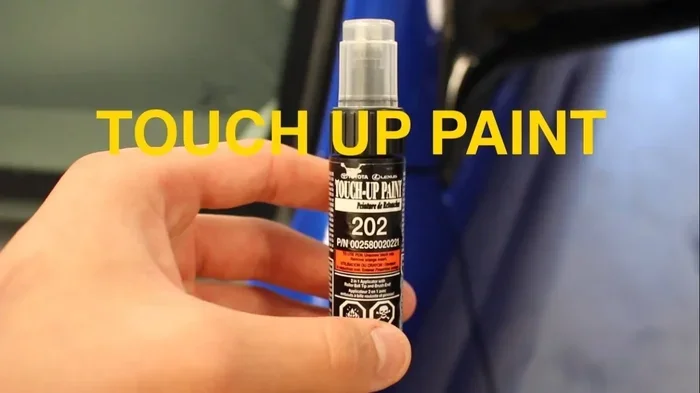
Not all clear coat products are the same. Look for an automotive clear coat that is compatible with your touch-up paint. Many manufacturers sell touch-up paint kits that include a matching clear coat. This is the easiest route because the color and chemical composition are designed to work together. If you are buying clear coat separately, make sure it is rated for automotive use and compatible with the type of paint on your vehicle.
Step 4: Apply the Clear Coat in Thin Layers
This is where many people go wrong. Do not apply thick coats of clear coat. Instead, apply several thin layers, allowing each one to dry for about 10 to 15 minutes before adding the next. Use smooth, even strokes and keep the spray can about 6 to 8 inches from the surface. Three to four thin coats should be enough to build up proper protection without running or dripping.
Step 5: Let It Cure Fully
After your last coat, let the clear coat cure for at least 48 hours before washing or waxing the car. Curing times vary by product, so always check the label. During this time, keep the car out of direct sunlight and away from rain or moisture. The clear coat will harden and bond with the touch-up paint during this period, creating a durable, protective layer.
Step 6: Buff and Polish
Once the clear coat is fully cured, you can buff and polish the area to blend it with the surrounding paint. Use a polishing compound and a soft microfiber cloth. Work in small circular motions until the repair area matches the shine and finish of the rest of the car. This final step really makes your car scratch repair look professional and seamless.
Quick Tips for a Better Clear Coat Application
- Work in a dust-free environment: Garage or indoor workspace is ideal. Dust and debris can settle on wet clear coat and create imperfections.
- Use a primer if needed: For deep repairs, applying a primer before touch-up paint helps with adhesion and durability.
- Keep your spray can warm: Cold clear coat sprays unevenly. Store it at room temperature before use.
- Do not over-spray: Too much clear coat in one area will drip and create a rough texture.
- Wear protective gear: Clear coat fumes are strong. Use a mask and work in a well-ventilated area.
Common Mistakes to Avoid When Applying Clear Coat
Even experienced car owners make mistakes when applying clear coat. Knowing what to avoid can save you a lot of frustration and help your repair look great from day one.
Applying Clear Coat Too Soon
If the touch-up paint is not fully dry, the clear coat will not bond properly. It can mix with the wet paint and create a cloudy, uneven finish. Always wait the recommended drying time before applying clear coat. Patience here pays off big time.
Using the Wrong Type of Clear Coat
Not every clear coat product works with every type of automotive paint. Using the wrong product can lead to poor adhesion, bubbling, or chemical reactions that damage your repair. Stick with products designed for automotive use and, ideally, ones that match your vehicle’s manufacturer specifications.
Skipping Surface Preparation
Jumping straight to clear coat without properly cleaning and sanding the repair area is a recipe for failure. Dust, grease, and loose paint particles will prevent the clear coat from bonding. Always prep the surface thoroughly, even if it adds a few extra minutes to your project.
Applying Too Thick a Coat
Thick coats of clear coat look terrible. They drip, sag, and create an uneven surface that is hard to fix. Thin, even layers are the way to go. It is better to add a second or third thin coat than to go heavy with one pass.
Forgetting to Buff and Polish
Even a perfectly applied clear coat can look rough if you do not finish with buffing and polishing. This step smooths out any minor imperfections and brings the shine back to the repair area. Skipping it is one of the most common reasons why DIY repairs look amateurish.
Expert Insights on Clear Coat and Touch-Up Paint
We asked a few professional auto body technicians for their thoughts on do you need clear coat over touch-up paint, and their answers were pretty unanimous. Clear coat is essential for almost every repair that involves touching up the paint.
“I have seen people skip clear coat to save time, and every single time, they come back with the same problem,” says Marcus Delgado, an ASE-certified auto body technician with over 15 years of experience. “The touch-up paint fades, chips, and sometimes rust starts forming underneath. Clear coat is not optional, it is a necessary part of the repair process.”
Another thing the pros emphasize is the importance of matching your clear coat to the original factory finish. “Every car manufacturer uses a slightly different clear coat formulation,” explains Delgado. “If you can find the OEM code for your vehicle, you can get a clear coat that is chemically compatible with your original paint. This makes a huge difference in how the repair holds up over time.”
Climate also plays a role. If you live in an area with harsh winters, heavy salt use on roads, or intense sun exposure, your clear coat will take more of a beating. In these conditions, applying clear coat over touch-up paint becomes even more critical. The clear coat adds an extra layer of defense that helps your repair withstand whatever your local environment throws at it.
One more tip from the pros: do not apply clear coat in direct sunlight or on a hot surface. The heat causes the clear coat to dry too fast, which can lead to bubbling, orange peel texture, and poor adhesion. Find a shaded spot or work indoors for the best results.
Key Takeaways
- Clear coat protects your touch-up paint: It shields the repair from UV rays, moisture, and everyday damage that would otherwise cause fading and rust.
- Skipping clear coat leads to serious problems: Without it, touch-up paint fades, chips, and loses its shine fast, and rust can form underneath.
- Application matters: Proper technique, thin layers, and thorough prep make a huge difference in your final result and how long the repair lasts.
- Not all repairs need clear coat: Very minor surface scratches that did not reach the base coat may not require it, but deeper chips and scratches definitely do.
- Timing is key: Let touch-up paint dry fully before applying clear coat for the best bond and a smooth, professional finish.
- Avoid common mistakes: Applying too thick, skipping prep, or using the wrong product can ruin your repair and waste your effort.
Frequently Asked Questions
Can I use clear coat over touch-up paint that is already peeling?
No, you should not apply clear coat over peeling touch-up paint. The peeling indicates that the existing repair has failed or was not properly applied. You need to remove the loose paint, clean the area, reapply touch-up paint, and then apply fresh clear coat. Skipping this step will only lead to more peeling and a worse repair.
How long should I wait before applying clear coat over touch-up paint?
Most touch-up paints need at least 24 hours to fully cure before you apply clear coat. However, always check the instructions that come with your specific touch-up paint product. Applying clear coat too early can cause the two layers to mix and create a cloudy, uneven finish that is hard to fix.
Is clear coat the same as primer?
No, clear coat and primer are not the same thing. Primer is applied directly to bare metal or damaged paint to create a bonding surface for the base coat and touch-up paint. Clear coat goes on top of everything else as a protective, glossy finish. They serve different purposes in the paint system, and both play important roles in a proper repair.
Will clear coat make my touch-up paint match the original finish?
Clear coat will improve the appearance of your touch-up paint by adding gloss and depth, but it will not change the color. If the touch-up paint color is slightly off, clear coat can sometimes make the mismatch less noticeable by giving the repair a more uniform shine. For a perfect color match, make sure you use the correct touch-up paint shade for your vehicle.
Can I apply clear coat indoors?
Yes, applying clear coat indoors is actually recommended for the best results. Indoor environments are typically dust-free and temperature-controlled, which helps the clear coat dry evenly and without imperfections. Just make sure your workspace is well-ventilated, as clear coat fumes can be strong and irritating.
How long does clear coat over touch-up paint last?
When applied correctly, clear coat over touch-up paint can last for several years. The longevity depends on factors like the quality of the products used, the thickness of application, your local climate, and how well you maintain the repair. Regular washing and periodic waxing can help extend the life of your clear coat and keep the repair looking great.
Conclusion
The question of do you need clear coat over touch-up paint comes down to one simple truth: yes, you do. In the vast majority of repair situations, clear coat is not optional, it is essential. It protects your touch-up paint from fading, chipping, and rust. It gives your repair the durability and finish it needs to blend in with the rest of your car’s paint. Skipping this step might save you a little time now, but it will almost certainly cost you more time and money down the road.
Applying clear coat over touch-up paint is not complicated, but it does require patience and attention to detail. Prep your surface properly, let the touch-up paint dry fully, apply thin even layers of clear coat, and finish with buffing and polishing. Follow these steps, and your repair will look professional and hold up for years to come.
Your car is a big investment, and taking care of even small paint damage goes a long way toward preserving its value and appearance. So the next time you are fixing a chip or scratch, do not skip the clear coat. Your car will thank you for it. Clear coat over touch-up paint is one of those simple steps that makes all the difference, and now you have the knowledge to do it right.
Frequently Asked Questions
What is Do You Need Clear Coat Over Touch-Up Paint?
Do You Need Clear Coat Over Touch-Up Paint is an important topic with many practical applications.