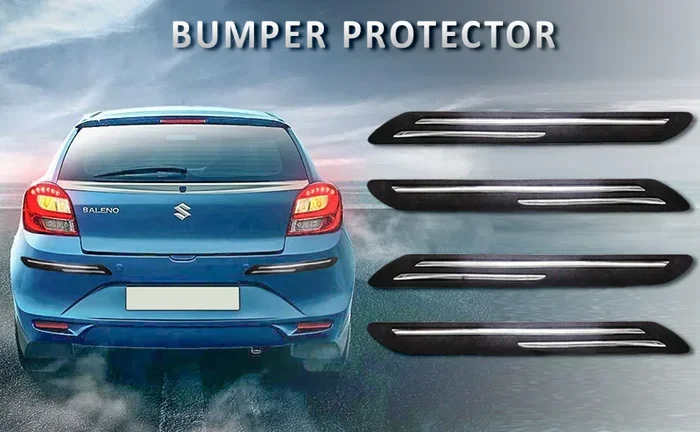
Is It Illegal to Drive with a Bumper Guard on Your Car
Driving with a bumper guard is not automatically illegal, but the rules depend heavily on your state, the type of guard, and how it is installed. Many drivers use bumper guards for off-road protection, but these accessories can violate local vehicle codes if they alter bumper height or block safety features. Understanding the legal requirements and vehicle inspection rules in your area helps you avoid fines, failed inspections, and insurance problems.
You just bought a tough-looking bumper guard for your truck or SUV. It looks great. It feels rugged. You want to hit the road and show it off. But then a question hits you. Is it illegal to drive with a bumper guard on your car? The short answer is: it depends. The longer answer involves state laws, federal guidelines, insurance rules, and safety concerns. Let us break it all down so you know exactly where you stand.
A bumper guard is any protective device attached to the front or rear bumper of a vehicle. People install them for many reasons. Off-road drivers use them to absorb impacts from rocks and debris. Truck owners add them for extra protection in low-speed collisions. Some guards are called bull bars, crash guards, or aftermarket bumpers. No matter what you call them, the question of legality comes up often. And the answer is not as simple as yes or no.
Before you get too worried, let us be clear. In most cases, having a bumper guard is not a crime. Millions of vehicles on the road have them. But certain types, placements, and conditions can put you on the wrong side of the law. This article will help you understand the rules, the risks, and the steps you can take to stay compliant.
Key Takeaways
- Bumper guard legality varies by state: Some states allow them freely, while others restrict certain types and placements.
- Aftermarket bumper guards can affect vehicle inspection: Modifications that change bumper height or block sensors may cause inspection failure.
- Insurance companies may deny claims: If a bumper guard contributes to an accident or injury, your insurer could refuse coverage.
- Pedestrian safety is a major concern: Bull bars and aggressive bumper guards pose serious risks to pedestrians in collisions.
- Federal regulations exist but are limited: The NHTSA sets baseline bumper safety standards, but states enforce their own rules.
- Proper installation matters: A poorly installed off-road bumper can affect suspension, alignment, and overall vehicle safety.
- Check local laws before installing: Always research your state and city regulations to ensure your vehicle modification stays road legal.
📑 Table of Contents
- What Exactly Is a Bumper Guard?
- Is It Illegal to Drive with a Bumper Guard?
- How Bumper Guards Impact Vehicle Safety
- Insurance Implications of Bumper Guards
- State-by-State Legal Overview
- Tips for Staying Road Legal with a Bumper Guard
- Common Mistakes People Make with Bumper Guards
- Expert Insights on Bumper Guard Legality
- Conclusion
What Exactly Is a Bumper Guard?
A bumper guard is a protective accessory mounted to the front or rear bumper of a vehicle. It comes in many shapes, sizes, and materials. Some are made of steel. Others use aluminum or heavy-duty plastic. The purpose is to protect the vehicle from damage during low-speed impacts or off-road driving.
Common Types of Bumper Guards
- Bull bars: Heavy metal bars mounted to the front bumper. They are popular with off-road enthusiasts and rural drivers.
- Roll guards: These protect the rear bumper and sides. They are common on trucks that haul equipment.
- Skid plates: Metal plates that protect the undercarriage. They are not exactly bumper guards but serve a similar purpose.
- Aftermarket bumpers: Full replacement bumpers that offer more protection than the factory OEM bumper.
- Brush guards: Lightweight frames designed to push through brush and small obstacles on trails.
Each type has its own legal considerations. A steel bull bar faces different rules than a simple plastic brush guard. The material, size, and design all matter when determining whether your setup is road legal.
Is It Illegal to Drive with a Bumper Guard?
The honest answer is that there is no single federal law that bans bumper guards outright. However, several layers of regulation can make them illegal depending on where you live and how they are set up. Let us look at the three main areas of regulation.
Federal Regulations
The National Highway Traffic Safety Administration (NHTSA) sets federal standards for vehicle safety. These standards focus on vehicle safety during collisions. Federal rules address bumper height, impact resistance, and the placement of safety equipment. However, the NHTSA does not specifically regulate aftermarket bumper guards or bull bars. This means the federal government does not make them illegal by default.
That said, federal rules do set limits on bumper height and performance. If your bumper guard pushes the front or rear bumper beyond the allowed height, you could be in violation. The Federal Motor Vehicle Safety Standards (FMVSS) require that bumpers withstand low-speed impacts without damaging safety systems. A poorly designed guard might interfere with this.
State and Local Laws
Here is where things get complicated. Each state has its own vehicle codes. Some states have clear rules about aftermarket bumper accessories. Others are more relaxed. Let us look at a few examples.
In California, vehicle codes restrict protruding objects on the front of a vehicle. A bull bar that extends too far or has sharp edges could be considered a hazard. In Texas, the rules are more lenient for trucks and off-road vehicles. Many states fall somewhere in between. They do not ban bumper guards but regulate their size, placement, and design.
Your city or county may also have its own rules. For example, a city with strict vehicle inspection requirements might flag a bumper guard during an annual check. Always check with your local Department of Motor Vehicles (DMV) or equivalent agency.
How Bumper Guards Affect Vehicle Inspection
If you live in a state that requires vehicle inspections, your bumper guard could cause problems. Inspectors check that all safety equipment is intact and functioning properly. They also look for modifications that could compromise safety.
Here are common reasons a bumper guard might fail inspection:
- Obstructed sensors: Many modern vehicles have parking sensors, cameras, and radar systems built into the bumper. A guard that blocks these sensors can cause a failed inspection.
- Altered bumper height: If the guard raises the bumper beyond legal limits, it will not pass.
- Loose or rusted mounting: A bumper guard that wobbles or shows signs of corrosion raises safety concerns.
- Missing reflectors or lights: If the guard covers required reflectors or license plate lights, it is an automatic fail in many states.
The key takeaway is that installation quality matters just as much as the guard itself. A properly installed aftermarket bumper that does not interfere with safety systems is far less likely to cause issues.
How Bumper Guards Impact Vehicle Safety
Beyond legality, there are real safety concerns with bumper guards. These accessories are designed to protect your vehicle. But they can also create risks for other drivers and pedestrians.
Risks to Pedestrians
This is one of the most serious concerns. A steel bull bar or heavy-duty crash guard on the front of a vehicle can cause severe injuries to pedestrians. In a collision at just 25 miles per hour, a exposed bull bar can do far more damage than a standard bumper. The rigid metal does not absorb impact the way a factory bumper is designed to.
Many countries in Europe have banned front-mounted bull bars for this exact reason. The European Union considers them a danger to vulnerable road users. While the United States does not have a blanket ban, the safety risks are well documented. Insurance investigators and accident reconstruction experts often point to bull bars as contributing factors in pedestrian fatalities.
Risks to Other Drivers
Bumper guards can also increase the severity of accidents between vehicles. In a front-end collision, a rigid bull bar can penetrate the other vehicle’s cabin. This is especially dangerous in collisions with smaller cars. The vehicle modification effectively turns your bumper into a weapon that bypasses the engineered crumple zones.
Even in low-speed parking lot bumps, a heavy bumper guard can cause more damage than a standard bumper. The added weight and rigidity change how energy transfers during impact.
Impact on Suspension and Handling
Installing a heavy off-road bumper changes the weight distribution of your vehicle. This affects suspension performance, braking distance, and overall handling. A front bumper guard adds weight to the front end. This can make steering feel heavier and reduce fuel efficiency.
If the guard is not installed correctly, it can also affect wheel alignment. Over time, this leads to uneven tire wear and poor handling. These are not just legal issues. They are genuine safety hazards that affect how your car performs on the road.
Insurance Implications of Bumper Guards
Your auto insurance policy may be affected by a bumper guard in several ways. Most standard policies cover factory equipment. But aftermarket accessories are a different story.
Will Your Insurance Cover Damage to a Bumper Guard?
Some policies cover aftermarket accessories. But many require you to add a specific rider or endorsement. Without that coverage, your insurer might not pay for damage to your bumper guard after an accident. This is important to understand before you spend several hundred or even a few thousand dollars on a guard.
Could a Bumper Guard Cause a Claim Denial?
This is where things get tricky. If your bumper guard contributes to an accident or worsens injuries, your insurance company might deny your claim. For example, if you hit a pedestrian and the bull bar is found to have caused more severe injuries than a standard bumper would have, the insurer could argue that the modification increased the risk of harm.
Similarly, if you modify your bumper and do not inform your insurance provider, they could deny a claim on the grounds of material misrepresentation. Always disclose vehicle modifications to your insurer. It is better to be upfront than to face a denied claim after an accident.
State-by-State Legal Overview
Because bumper guard laws vary so much, here is a general overview of how different regions handle these accessories. Keep in mind that this is a summary. Always verify current regulations with your local DMV.
States with Strict Bumper Regulations
California, New York, and Massachusetts tend to have stricter vehicle modification rules. In these states, any accessory that protrudes beyond the vehicle’s body lines or blocks safety equipment may be considered illegal. Bumper guards that cover license plates, reflectors, or sensors are especially likely to draw attention from law enforcement.
States with Lenient Bumper Regulations
Texas, Arizona, and many rural states are more tolerant of off-road bumper setups. These states have large populations of truck and SUV owners who use their vehicles for outdoor recreation. As long as the guard does not create a safety hazard and passes basic inspection, it is generally allowed.
States with No Specific Bumper Guard Laws
Many states do not have specific laws addressing bumper guards. In these places, general vehicle safety codes apply. If a law enforcement officer determines that your bumper guard poses a hazard, they can still issue a citation. The lack of a specific law does not mean there are no rules at all.
Tips for Staying Road Legal with a Bumper Guard
Want to enjoy your bumper guard without running into legal trouble? Follow these practical tips.
- Research your state and local laws before purchasing or installing a guard. Check the DMV website or call your local office.
- Choose a guard that does not obstruct sensors, cameras, or lights. Modern vehicles rely heavily on bumper-mounted technology. Keep these systems clear.
- Use a professional installer. A proper installation ensures the guard is secure and does not affect alignment or suspension.
- Check bumper height after installation. Make sure the front and rear bumpers remain within the legal height range for your state.
- Keep reflectors and license plate lights visible. These are required in all states and cannot be covered by a guard.
- Inform your insurance company about the modification. Get written confirmation that your policy covers the accessory.
- Inspect your guard regularly. Check for rust, loose bolts, and mounting damage. A failing guard is both a safety hazard and a potential legal issue.
Common Mistakes People Make with Bumper Guards
Even well-meaning car owners make mistakes when installing and using bumper guards. Here are the most common ones to avoid.
- Assuming all guards are road legal. Just because a guard is sold legally does not mean it is legal for your specific vehicle or state.
- Ignoring sensor compatibility. Modern bumpers house expensive sensors. Blocking them can trigger warning lights and affect safety systems.
- Overlooking weight limits. A heavy steel guard can strain your vehicle’s front suspension. This affects braking and handling.
- Skipping insurance disclosure. Failing to tell your insurer about a modification can void related coverage.
- Using a guard designed for one vehicle on another. Universal guards often do not fit properly. Poor fit leads to rattling, vibration, and potential failure in a crash.
Expert Insights on Bumper Guard Legality
We spoke with automotive safety experts about the growing trend of bumper guard use. Their advice highlights the importance of balancing protection with responsibility.
“Most drivers install bumper guards for protection, and that is understandable,” says one certified automotive technician. “But they need to understand that any modification changes how the vehicle performs in a crash. The safest approach is to choose a guard that meets safety standards, has it installed professionally, and keep it well-maintained.”
Another expert adds that the rise of ADAS technology (Advanced Driver Assistance Systems) makes bumper guards more complicated than they used to be. Sensors for automatic emergency braking, lane departure warnings, and adaptive cruise control are often mounted in the bumper. A guard that blocks these sensors can disable critical safety features.
Key Takeaway: When in doubt, consult a trusted mechanic or automotive specialist. They can evaluate your specific setup and advise on compliance and safety.
Conclusion
So, is it illegal to drive with a bumper guard on your car? The answer is nuanced. In most cases, a properly installed, appropriately sized bumper guard is perfectly legal. But the details matter. Your state laws, the type of guard, how it is installed, and whether it interferes with safety systems all play a role in determining legality.
The best approach is simple. Research your local regulations. Choose a quality guard from a reputable manufacturer. Have it installed by a professional. Keep your insurance company informed. And maintain the guard regularly. By following these steps, you can enjoy the protection and rugged look of a bumper guard without worrying about legal trouble or safety risks.
Your vehicle is a big investment. Protecting it makes sense. Just make sure your protection methods do not create new problems. Stay informed, stay compliant, and drive safely.
Frequently Asked Questions
Can I get a ticket for having a bumper guard on my car?
Yes, if the bumper guard violates local vehicle codes. This can happen if it obstructs sensors, covers required lights or reflectors, or extends beyond legal bumper height limits. Always check your state and city regulations before installing one.
Will a bumper guard fail my vehicle inspection?
It might, if the guard blocks safety sensors, alters bumper height beyond legal limits, or covers required reflectors and lights. A properly installed guard that does not interfere with safety systems should pass inspection without issues.
Does insurance cover damage to aftermarket bumper guards?
It depends on your policy. Many standard auto insurance policies do not cover aftermarket accessories unless you add a specific rider. Contact your insurance provider to confirm whether your bumper guard is covered before you need to file a claim.
Are bull bars illegal in the United States?
Bull bars are not illegal across the United States. However, they are regulated in many states. Some states restrict their size, design, and placement. In addition, bull bars can void safety features and create liability in accidents involving pedestrians.
Can a bumper guard affect my car’s warranty?
Yes, it can. If a bumper guard interferes with factory sensors or systems, the manufacturer might deny warranty claims related to those systems. Check with your dealer or manufacturer before installing any aftermarket accessory.
What is the safest type of bumper guard?
Guards made from energy-absorbing materials and designed to work with your vehicle’s existing safety systems are the safest choice. Look for guards that do not obstruct sensors, cameras, or lights, and that meet relevant safety standards for your vehicle type.
=== CONCLUSION ===
Driving with a bumper guard is not inherently illegal, but it comes with important considerations. State laws, federal guidelines, insurance rules, and safety concerns all factor into whether your setup is compliant and responsible. By understanding the rules, choosing quality equipment, and staying proactive about maintenance and disclosure, you can keep your vehicle both protected and road legal. Take the time to research your local requirements, and you will drive with confidence knowing you have done things the right way.