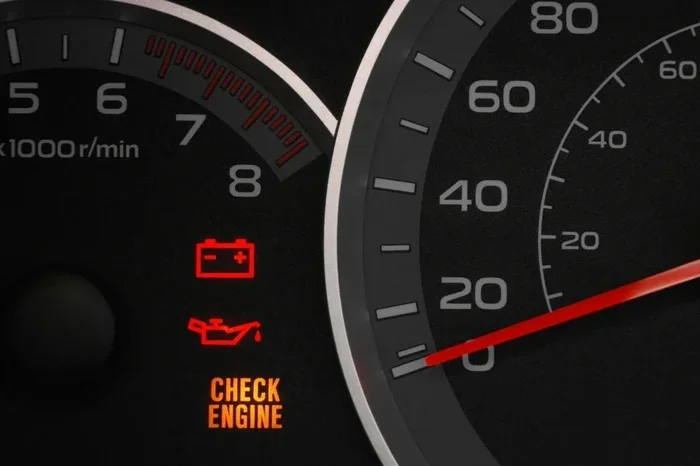
Can a Check Engine Light Turn Off on Its Own Without Warning
Can a check engine light turn off on its own? Yes, it absolutely can. In many cases, a check engine light will shut itself off after a minor issue like a loose gas cap or a temporary sensor glitch. However, the light disappearing doesn’t mean the problem is gone. This guide explains why the light turns off by itself, the hidden risks, and how to diagnose the real issue before it becomes costly.
You’re driving along, minding your own business, when suddenly a yellow or orange light pops up on your dashboard. It’s the dreaded check engine light. You wonder, Can a check engine light turn off on its own? The answer is yes, it can. But before you breathe a sigh of relief, there’s more to the story.
Many car owners experience this confusing moment. The light comes on, stays for a few days, and then vanishes without a trace. It’s tempting to ignore it and forget about it. However, that disappearing act can be misleading. In this article, we’ll explore exactly what happens when a check engine light turns off by itself. You’ll learn the common reasons, the hidden dangers, and what you should do next.
The check engine light is part of your car’s onboard diagnostics system. It watches over the engine, emissions, and many other systems. When something goes wrong, it stores a fault code and lights up the dashboard. Sometimes the issue is minor and fixes itself. Other times, it’s a warning of a serious problem that needs attention. Understanding the difference can save you money and keep your car running safely.
Key Takeaways
- Yes, it can happen: A check engine light may self-clear if the issue was minor and didn’t trigger a permanent fault.
- Loose gas cap is a common culprit: A loose or faulty cap can trigger the light, which often turns off after a few drive cycles.
- Not all codes are equal: Pending codes might vanish, but permanent codes will stay until fixed.
- The light being off doesn’t mean the problem is gone: The underlying issue could still exist and worsen over time.
- Use an OBD-II scanner to read stored codes: Even if the light is off, the car may still hold the diagnostic trouble code.
- Intermittent problems can be tricky: A misfire or sensor glitch might only show up under certain conditions.
- Regular maintenance prevents surprises: Keeping up with service helps avoid unexpected check engine light events.
📑 Table of Contents
- What Does the Check Engine Light Actually Mean?
- Can a Check Engine Light Turn Off on Its Own? (The Short Answer)
- Why Does the Light Sometimes Disappear?
- When the Light Is Off but the Problem Isn’t Gone
- How to Find Out What Happened Even If the Light Is Off
- Prevention: How to Avoid Unnecessary Check Engine Light Events
- Conclusion
What Does the Check Engine Light Actually Mean?
The check engine light is a dashboard warning indicator. It connects to your car’s engine control unit (ECU). The ECU constantly monitors sensors throughout the vehicle. When a sensor reads something outside normal ranges, the ECU logs a diagnostic trouble code (DTC). This triggers the light. The light can be steady or flashing. A steady light usually means a less urgent issue. A flashing light often signals a severe problem like an active engine misfire. Both types can sometimes turn off on their own, but the reasons differ.
The onboard diagnostics system (OBD-II) has been standard in all cars sold in the U.S. since 1996. It tracks everything from fuel mixture to catalytic converter efficiency. When the system detects a fault, it stores a code. This code can be read with a scanner. The code tells you which part of the emissions system is failing. Common triggers include a loose gas cap, a faulty oxygen sensor, or a misfire. Sometimes the system tests a condition multiple times before turning the light on. If the condition clears, the light may go off by itself.
Can a Check Engine Light Turn Off on Its Own? (The Short Answer)
Can a check engine light turn off on its own? Yes, it can. But it depends on the type of fault code stored. There are two main categories of codes: pending codes and permanent codes. A pending code means the system detected a problem once, but it wasn’t severe enough to turn on the light yet. If the condition doesn’t happen again during several drive cycles, the pending code clears on its own. The light never turns on, or it turns off if it was already on. A permanent code, also called a confirmed code, means the problem was detected multiple times. This code will keep the light on until the issue is fixed and the code is cleared manually.
So when the light turns off by itself, it’s often because a pending code cleared. The car’s computer saw a fault, logged it, and then saw the condition return to normal. It decided the problem was temporary. This is common with things like a momentary sensor glitch or a loose gas cap. However, a permanent code that clears on its own is rare. If the light was on due to a permanent code and then goes off, it usually means the code was not truly permanent, or the scanner didn’t detect the full history. You should still get a scan to see what was stored.
| Cause Type | Light Behavior | Typical Fix |
|---|---|---|
| Loose or faulty gas cap | Light may turn off after tightening and a few drive cycles | Tighten or replace the gas cap |
| Temporary sensor glitch | Light turns off on its own after the condition clears | Monitor; may not need repair |
| Intermittent misfire or electrical issue | Light comes and goes unpredictably | Diagnose with a scanner; repair the root cause |
| Faulty oxygen sensor | Light stays on or returns quickly after clearing | Replace the oxygen sensor |
| Catalytic converter failure | Light remains on and often flashes under load | Replace the catalytic converter (expensive) |
| Engine misfire (persistent) | Light stays on and may flash | Repair ignition or fuel system; urgent |
Why Does the Light Sometimes Disappear?
The Loose Gas Cap Effect
The most common reason a check engine light turns off by itself is a loose gas cap. The gas cap seals the fuel system. It keeps fumes from escaping and maintains proper pressure. If the cap is loose, cracked, or missing, the evaporative emissions system (EVAP) detects a leak. This triggers a code and lights up the dash. When you tighten the cap, the system runs a self-test. After a few drive cycles, it confirms the leak is sealed. The code clears and the light goes off. This can happen within a day or two of driving. Many people don’t even realize the gas cap was the issue.
Temporary Sensor Glitches
Modern cars have dozens of sensors. They measure everything from air temperature to exhaust oxygen levels. Sometimes a sensor sends a brief, incorrect signal. This can happen due to heat, vibration, or a momentary electrical spike. The ECU logs a code and turns on the light. But if the sensor returns to normal readings, the system may clear the code on its own. This is especially common with the coolant temperature sensor or the mass airflow sensor. A temporary glitch often resolves after the car cools down or after a few ignition cycles. The light disappears, and you might never know it happened unless you had a scanner connected.
Intermittent Issues That Resolve Themselves
Some problems are intermittent. They only show up under certain conditions. For example, a misfire might only occur when the engine is cold, or when it’s humid outside. The check engine light comes on when the condition is present. Once the engine warms up or the weather changes, the problem goes away. The system monitors for a set number of drive cycles without the fault. If the fault doesn’t return, the light turns off. This can be frustrating because you can’t reproduce the problem. The car seems perfectly fine, but the light was there. Intermittent issues often point to a loose connector, a failing ignition coil, or a wiring harness that expands in heat.
Quick Tips: What to Do When the Light First Appears
- Don’t panic. A steady yellow light usually means a non-emergency issue. You can likely drive a short distance to a safe place.
- Check your gas cap. Pull over and tighten it until it clicks. Drive for a few days and see if the light goes off.
- Note the conditions. Did the light appear when it was cold, hot, or raining? That helps diagnose intermittent issues.
- Avoid heavy loads. If the light is on, minimize strain on the engine until you can check it.
- Get a scan. Even if the light turns off, a scanner can still read the stored code. This is your best clue.
When the Light Is Off but the Problem Isn’t Gone
Hidden Faults That Still Need Repair
The biggest danger of a self-clearing check engine light is the false sense of security. The light is off, so you assume everything is fine. But the underlying fault may still exist. For example, a weak oxygen sensor might send incorrect readings once in a while. The system logs a code, the light comes on, and then the sensor happens to read correctly again. The code clears. The light goes off. But the sensor is still degrading. If you don’t fix it, it will eventually fail completely. Then you’ll have a much bigger problem and a much bigger repair bill.
The same goes for a small exhaust leak or a failing ignition coil. These issues can be intermittent at first. The light turns off because the condition wasn’t severe enough to set a permanent code. But the problem is still there. It will get worse over time. A minor repair now can prevent a major breakdown later. That’s why it’s always wise to investigate a check engine light, even if it’s no longer on.
The Risk of Ignoring a Cleared Light
Ignoring a check engine light that turned off by itself can lead to serious consequences. A small issue like a loose gas cap is harmless. But if the cause was a misfire, the unburned fuel can damage the catalytic converter. A failing catalytic converter is an expensive repair that could have been prevented. In some states, a car with a cleared check engine light code will still fail an emissions inspection. The scanner will show the permanent code was stored, even if the light is off. This can cause you to fail the test and not know why.
Common Mistakes People Make When the Light Turns Off
- Assuming the problem is fixed. The light being off doesn’t mean the fault is gone. It just means the condition hasn’t triggered again.
- Never scanning again. You lose the chance to read the stored code. Without the code, you’re guessing about what happened.
- Putting off repairs. A small issue can grow into a costly one. What was a $50 sensor fix can become a $1,000 catalytic converter replacement.
- Ignoring a flashing light. A flashing check engine light signals a severe misfire that can damage the catalytic converter quickly. Even if it stops flashing, you need immediate attention.
- Using cheap fuel. Low-quality gasoline can cause temporary codes that keep coming back. Top-tier fuel can help prevent this.
Expert Insights: What the Pros Say
Experienced mechanics see this situation all the time. They often say, “A light that turns off doesn’t mean the problem is solved. It just means the condition hasn’t triggered again yet.” This is a key insight. The car’s computer keeps a history of codes, even if the light is off. A professional scan tool can access this history. It will show you the pending and permanent codes that were stored. This is the only way to know for sure what happened. Many drivers skip this step and end up with the same light coming back weeks later. The real fix was never done.
How to Find Out What Happened Even If the Light Is Off
Reading Stored Codes with an OBD-II Scanner
An OBD-II scanner is the best tool for this job. You can buy a basic scanner for under $50. It plugs into the diagnostic port under your dashboard. When you turn the key to the on position, the scanner reads the codes stored in the ECU. Even if the check engine light is off, the scanner can often pull up the history. It will show you the code, the description, and whether it was a pending or permanent code. This gives you a clear picture of what triggered the light in the first place.
Many auto parts stores offer free code reading. You can drive in, hook up their scanner, and get the code for free. They might even give you a printout of the code definition. However, they usually can’t clear the codes for you or perform a full diagnostic. A basic scanner lets you do that at home. You can also find Bluetooth or Wi-Fi scanners that connect to your phone. These often come with apps that explain the code in plain language. They can help you decide if the issue is a simple fix or something that needs a mechanic.
What a Mechanic Can Do
If you don’t have a scanner, a mechanic can help. They plug in a professional-grade scan tool. This tool reads not just the current codes, but also the pending codes and the freeze frame data. Freeze frame data shows the exact engine conditions when the code was set. It tells you the RPM, speed, temperature, and load at the moment the fault occurred. This information is incredibly valuable for diagnosing intermittent problems. A mechanic can also perform a live data scan. They watch the sensor readings in real time to see if anything looks abnormal. This can catch issues that only show up under certain conditions.
Even if the light is off, a mechanic can often tell you what the code was. They can also check for any pending codes that are waiting to become permanent. This proactive approach can save you from a surprise light coming back on the highway. It’s always better to know what happened and address it early. A simple inspection can give you peace of mind and keep your car running smoothly.
Prevention: How to Avoid Unnecessary Check Engine Light Events
The best way to deal with a check engine light is to prevent it from coming on in the first place. Regular maintenance is the key. Keep up with your car’s scheduled service. Change the oil on time, replace the air filter, and use quality fuel. These simple steps keep the engine running clean and efficient. They reduce the chance of a fault code triggering. A well-maintained car is less likely to set a check engine light.
Pay attention to your gas cap. Always tighten it until it clicks after you fill up. Don’t drive with the cap loose or missing. If your gas cap is damaged or the seal is worn, replace it. A new gas cap is cheap and can save you from a trip to the mechanic. Also, be mindful of how you drive. Aggressive acceleration and hard braking can put extra stress on engine components. Smooth driving helps keep sensors and systems in balance.
Quick Tips to Keep Your Car Healthy
- Check your gas cap regularly. Make sure it’s tight and in good condition.
- Use quality fuel. Top-tier gasoline can reduce carbon buildup and sensor issues.
- Stay on top of scheduled maintenance. Regular oil changes and air filter replacements help.
- Address small issues early. A minor sensor problem can become a big repair if ignored.
- Don’t ignore dashboard warnings. Even if the light goes off, get it checked.
- Keep a basic OBD-II scanner in your glovebox. It’s a cheap insurance policy against unexpected lights.
Prevention is always better than cure. By staying proactive, you can catch small issues before they turn into big problems. You’ll also avoid the confusion of a check engine light that comes and goes. A little attention goes a long way toward keeping your car reliable and safe.
Conclusion
So, can a check engine light turn off on its own? Yes, it can, and it often does for minor reasons. A loose gas cap, a temporary sensor glitch, or an intermittent issue can all cause the light to appear and then vanish. But a disappearing light is not a guarantee that everything is fine. The underlying fault may still exist. It could be getting worse right now while you read this. The best approach is to stay proactive. Use a scanner, understand the codes, and fix problems early. That way, you keep your car healthy and avoid costly surprises.
Remember, Can a check engine light turn off on its own? It can, but your next step determines whether it was a true fix or just a temporary reprieve. Don’t ignore the light, even if it’s gone. Take the few minutes to scan for codes. You’ll thank yourself later when you avoid a bigger repair. Your car is a big investment. Treat it with care, and it will reward you with years of reliable service.
Frequently Asked Questions
Is it safe to drive with the check engine light off after it came on?
It depends on what caused the light in the first place. If it was a loose gas cap, you’re fine to drive. But if the cause was a misfire or a sensor failure, driving could cause more damage. Even if the light is off, the fault may still exist. Use a scanner to check for stored codes before you assume it’s safe.
How long does it take for a check engine light to turn off by itself?
It varies. A loose gas cap might clear in one or two drive cycles, which is usually a few days of driving. A temporary sensor glitch can clear within a few hours. Intermittent issues may take longer, and the light might come and go for weeks. If the light stays off for about 40 drive cycles, the system considers the fault resolved.
Can a check engine light turn off on its own after a repair?
Yes, after a repair, the system needs time to confirm the fix. You may need to drive for several days with the new part working properly. The ECU runs monitors to ensure the problem is truly resolved. Once it passes those monitors, the light turns off and the code clears. You can also use a scanner to manually clear the code, but fixing the root cause is essential.
Will a check engine light reset itself after the battery dies?
A dead battery can clear pending codes and turn off the light temporarily. However, permanent codes are designed to survive battery disconnections. They will return once the battery is reconnected and the system runs its tests again. Clearing codes by disconnecting the battery is not a proper fix. It just hides the problem until the condition triggers again.
What is the difference between a pending code and a permanent code?
A pending code is a fault that has been detected once but hasn’t been confirmed yet. The system will monitor it over several drive cycles. If the fault doesn’t happen again, the pending code clears and the light never turns on. A permanent code means the fault has been confirmed multiple times. This code will keep the light on until it’s repaired and cleared with a scanner.
Should I buy an OBD-II scanner if my check engine light turns off?
Absolutely. A basic OBD-II scanner is inexpensive and very useful. Even if the light is off, the scanner can read the stored history codes. This tells you what triggered the light in the first place. You can then decide if it’s a simple fix or something that needs a mechanic. It’s a great tool for any car owner who wants to stay informed.