Why Does My Oil Maintenance Light Keep Coming Back On
Your oil maintenance light keeps coming back on because the oil life monitoring system tracks driving habits, mileage, and engine conditions to remind you when an oil change is due. Common causes include overdue oil changes, low oil levels, a faulty oil sensor, or a system that needs resetting. This guide walks you through every reason this happens and shows you exactly how to fix it yourself.
There is nothing more frustrating than driving along and seeing that little yellow or red oil can icon pop up on your dashboard. You just had your oil changed, so why does it keep coming back? If you have ever wondered why does my oil maintenance light keep coming back on, you are not alone. This is one of the most common questions car owners ask, and the answer is usually simpler than you think.
The oil maintenance light is your vehicle’s way of telling you it is time for service. Unlike the check engine light, which signals a specific problem, the oil maintenance light is part of the oil life monitoring system. It tracks your driving habits, engine conditions, and mileage to estimate when your oil is wearing out. When the system determines the oil life has reached a certain threshold, it triggers the warning.
In this article, we will break down every reason this light might keep returning. We will also walk you through practical steps to fix the problem and prevent it from happening again. Whether you drive a Toyota, a Honda, or any other vehicle, this guide has you covered.
Key Takeaways
- The oil maintenance light is not the same as the check engine light. It specifically tracks oil life and service intervals based on your driving patterns.
- Most causes are simple fixes, like resetting the system after an oil change or topping off low oil levels.
- Ignoring the light can lead to engine damage, so always address it promptly even if your car seems fine.
- Driving habits affect how often the light triggers. Short trips, towing, and extreme temperatures shorten oil life faster.
- A faulty oil sensor or degraded oil quality can cause the light to return even after a recent oil change.
- Knowing how to reset the light yourself saves time and money at the dealership or mechanic shop.
📑 Table of Contents
- What Exactly Is the Oil Maintenance Light?
- Common Reasons Why the Oil Maintenance Light Keeps Coming On
- How to Reset the Oil Maintenance Light
- How to Prevent the Oil Maintenance Light From Returning
- When Should You See a Mechanic?
- Oil Maintenance Light vs. Check Engine Light
- How Driving Habits Affect Your Oil Maintenance Light
- Quick Tips for Oil Maintenance Success
- Key Takeaways
What Exactly Is the Oil Maintenance Light?
The oil maintenance light goes by different names depending on your car. Some vehicles call it the “Maintenance Required” light. Others label it as “Oil Life” or “Service Due.” No matter the name, the purpose is the same. It tells you when it is time to change your engine oil based on how you drive.
Older cars used simple mileage-based oil change schedules. For example, you would change your oil every 3,000 or 5,000 miles no matter what. Modern vehicles use something called an oil life monitoring system. This system uses sensors and algorithms to calculate the actual condition of your oil. It factors in things like engine temperature, driving speed, idling time, and how hard you accelerate.
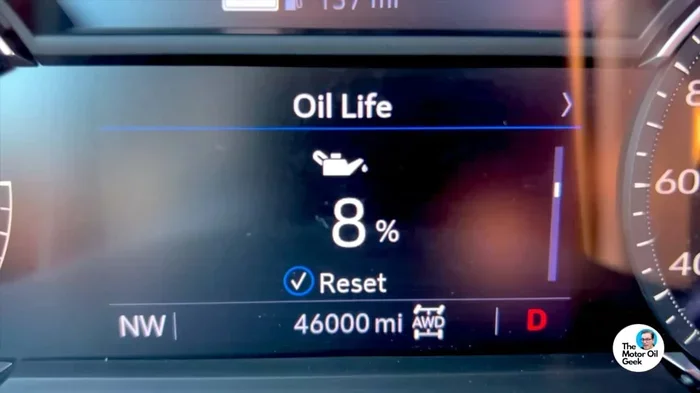
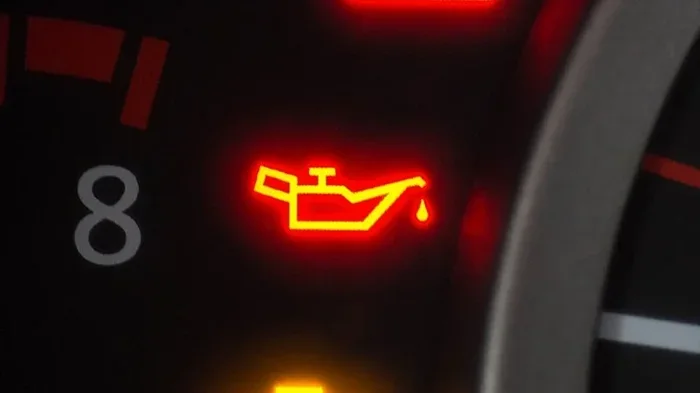
The light typically looks like an oil can symbol with drops coming out of it. On some vehicles, it may also display a percentage, such as “15% oil life remaining.” When that number drops to zero or the light starts flashing, your car is telling you it is time for an oil change.
How Does the Oil Life Monitoring System Work?
The oil life monitoring system is essentially a small computer in your car. It tracks data from various sensors and uses preset algorithms to estimate oil quality. Here is how it generally works:
- Time and mileage tracking: The system counts how many miles you have driven and how much time has passed since the last service.
- Driving condition analysis: It monitors factors like cold starts, short trips, towing, and extreme temperatures that stress the oil.
- Oil degradation estimation: Based on the data, the system estimates how much the oil has broken down and lost its protective properties.
- Warning trigger: Once the estimated oil life drops below a set threshold, the dashboard light activates.
Understanding this process helps you see why the light might behave in ways that seem confusing. For instance, if you drive mostly in stop-and-go traffic, the system may trigger the light sooner than someone who drives mostly on highways at steady speeds.
Common Reasons Why the Oil Maintenance Light Keeps Coming On
If your oil maintenance light keeps returning after you have addressed it, there are several possible explanations. Let us go through each one so you can identify what is happening with your vehicle.
1. You Did Not Reset the System After the Oil Change
This is by far the most common reason. After you get a fresh oil change, the oil life monitoring system does not automatically reset itself. You need to manually tell the car that new oil has been installed. If you skip this step, the light will stay on or come right back on.
Resetting the system is usually straightforward, but the process varies by vehicle. In many Toyota models, you hold the trip meter reset button while turning the ignition to the ON position. For other brands, the steps might involve navigating through the steering wheel controls or dashboard menu.
If you are unsure how to reset the oil maintenance light on your specific car, check your owner’s manual. You can also find step-by-step guides online for most makes and models. The key is to complete the reset procedure after every oil change.
2. Low Oil Level
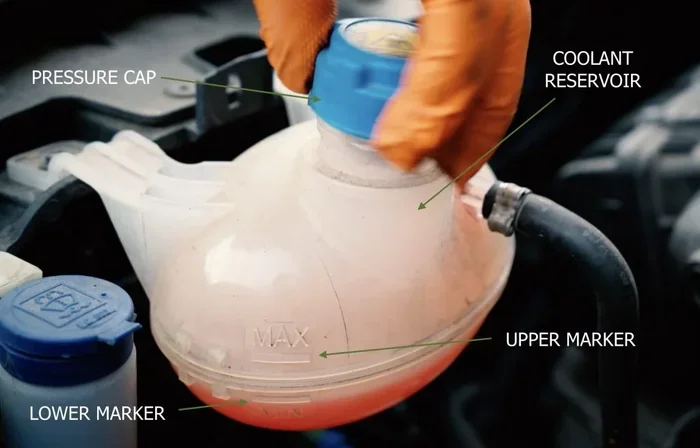
Sometimes the light comes on because your oil level is actually low, not because the oil life has expired. Engines burn small amounts of oil over time, and leaks can develop too. If the oil drops below the minimum level, the oil level sensor may trigger the maintenance light as a warning.
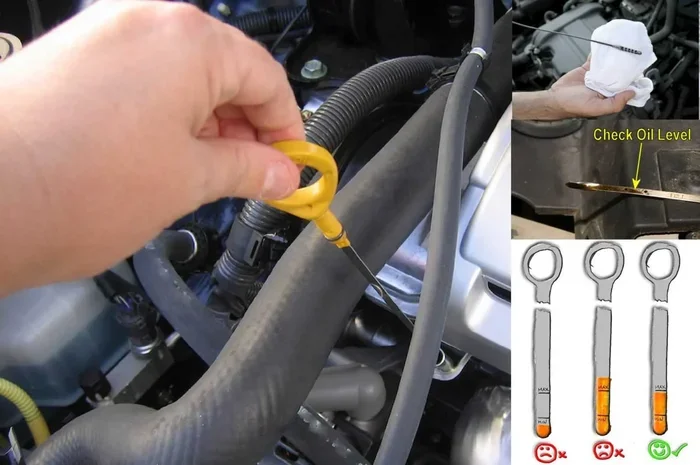
You should check your oil level regularly using the dipstick or the digital gauge on your dashboard. If you find that your car is low on oil, top it off with the correct type and weight recommended by your manufacturer. However, topping off is only a temporary fix. If you are consistently losing oil, you need to find and fix the leak.
Keep in mind that if you are unsure whether your oil level is the issue, you can always have a professional check it. Ignoring low oil levels, even for a short time, can cause serious engine damage.
3. Faulty Oil Sensor
Your car has an oil sensor that monitors oil pressure and level. Like any electronic component, these sensors can fail or give inaccurate readings. When the sensor malfunctions, it may send a false signal to the computer, causing the maintenance light to come on even when your oil is perfectly fine.
Signs of a faulty oil sensor include:
- The light comes on even though you just had an oil change.
- The light flickers on and off randomly.
- The oil pressure gauge shows inconsistent readings.
- You notice the light behaves differently from how it used to.
If you suspect a bad sensor, it is worth having a mechanic run a diagnostic check. Replacing an oil sensor is usually inexpensive and can save you from constant false warnings. A professional can also check whether the check engine light is on at the same time, which might point to a related issue.
4. Degraded Oil Quality
Oil does not last forever. Even with an oil life monitoring system, the oil in your engine breaks down over time. Heat, contaminants, and moisture all contribute to oil degradation. As the oil degrades, it loses its ability to lubricate and protect engine components effectively.
Several factors can accelerate oil degradation:
- Short trips: The engine does not reach full operating temperature, which allows moisture and fuel to contaminate the oil.
- Towing or hauling: Extra weight puts more stress on the engine and the oil.
- Extreme temperatures: Both very hot and very cold climates can break down oil faster.
- Stop-and-go driving: Frequent idling and acceleration cycles increase engine stress.
If you drive under any of these conditions frequently, your oil may need to be changed more often than the standard interval. Using high-quality synthetic oil can help extend oil life and reduce the frequency of the maintenance light triggering.
5. Using the Wrong Oil Type
Not all engine oil is the same. Every vehicle manufacturer specifies a particular oil viscosity and specification that works best with their engines. If you or your mechanic used the wrong type of oil, the oil life monitoring system may detect a problem and trigger the light.
For example, using conventional oil when your car requires synthetic blend or full synthetic can cause the system to flag an issue. The oil may not perform as expected under the operating conditions the system is programmed to monitor.
Always check your owner’s manual or the oil cap under your hood for the recommended oil specification. Using the correct oil type ensures the monitoring system works accurately and your engine stays properly protected.
6. The Oil Filter Was Not Replaced
During an oil change, the oil filter should always be replaced along with the old oil. The filter traps contaminants and debris that circulate through the engine. Over time, the filter becomes clogged and less effective, which affects overall oil quality.
If the oil filter was not replaced during your last service, dirty oil will continue circulating through the engine faster than normal. This can cause the oil to degrade prematurely, triggering the maintenance light sooner than it should. Always confirm with your service provider that a new filter was installed.
7. A Deeper Engine Issue
In rare cases, a recurring oil maintenance light points to a more serious problem. Internal engine issues such as oil leaks, worn piston rings, or a failing oil pump can cause oil levels to drop or oil pressure to fluctuate. These problems will keep triggering the light no matter how many times you reset it.
If you have checked the oil level, confirmed the right oil type, and reset the system but the light keeps returning, it is time for a thorough inspection. A mechanic can check for internal leaks, test oil pressure, and look for signs of excessive wear. Catching these issues early can save you from costly repairs down the road.
How to Reset the Oil Maintenance Light
Once you have addressed the root cause, you need to reset the light so it stops bothering you. The reset process is different for every vehicle, but here is a general guide that works for many cars.
Step-by-Step Reset Process
- Turn the ignition to the ON position without starting the engine. Press the trip meter reset button and hold it.
- Turn the ignition to OFF and then back to ON while still holding the button.
- Continue holding the button until the maintenance light starts blinking or the oil life percentage resets to 100%.
- Release the button and turn the ignition off, then start the engine to confirm the light is off.
If these steps do not work for your vehicle, consult your owner’s manual. Many manufacturers also provide reset instructions on their official websites. Some newer vehicles require a scan tool or a visit to a dealership to reset the system properly.
Remember that resetting the light does not change the oil. It simply tells the car’s computer that a service has been performed. Always make sure you have actually changed the oil and confirmed the oil level is correct before resetting the system.
How to Prevent the Oil Maintenance Light From Returning
Prevention is always better than fixing a recurring problem. Here are some practical steps to keep your oil maintenance light from coming back on unexpectedly.
- Follow your manufacturer’s oil change schedule. Check your owner’s manual for the recommended interval based on your driving conditions.
- Check your oil level monthly. A quick dipstick check takes less than a minute and can catch low oil before it becomes a problem.
- Use the correct oil type and weight. Always match the oil specification listed in your owner’s manual.
- Replace the oil filter every time you change the oil. A clean filter keeps oil flowing freely and removes contaminants.
- Keep a service log. Tracking your oil changes and resets helps you stay on top of your maintenance schedule.
- Address warning signs immediately. If you notice any unusual engine noises, reduced performance, or other dashboard warnings, get your car checked right away.
Staying proactive with your maintenance schedule not only keeps the oil light off but also extends the life of your engine. Regular oil changes are one of the simplest and most cost-effective ways to protect your vehicle.
When Should You See a Mechanic?
Most of the time, the oil maintenance light is a straightforward reminder that an oil change is due. But there are situations where professional help is necessary. You should see a mechanic if:
- The light stays on even after you have reset it and confirmed your oil level is adequate.
- You notice a burning oil smell, blue exhaust smoke, or oil spots under your car.
- The oil pressure gauge reads lower than normal or fluctuates erratically.
- Your engine makes unusual knocking or ticking sounds, especially when cold.
- The light comes on frequently, even though you are following the recommended service interval.
Ignoring these signs can lead to severe engine damage. Oil is the lifeblood of your engine. It reduces friction, cools moving parts, and carries away contaminants. When the oil system is not working properly, your engine suffers.
If you are unsure whether the issue is serious, it is always better to get a professional opinion. Many dealerships and independent shops offer affordable diagnostic services. You can also ask them to check whether any related systems, like the oil level sensor or oil pressure sensor, need replacement.
Oil Maintenance Light vs. Check Engine Light
It is easy to confuse the oil maintenance light with the check engine light, but they serve very different purposes. The oil maintenance light is a service reminder based on time and driving conditions. It does not indicate a specific mechanical problem.
The check engine light, on the other hand, is triggered by a detected fault in the engine or emissions system. It could signal anything from a loose gas cap to a serious catalytic converter failure. If both lights come on at the same time, that is a sign you should address the issue immediately.
Sometimes a problem that triggers the check engine light can also affect the oil system. For example, an oil pressure issue might set a diagnostic code that activates both lights. In those cases, having a mechanic run a full diagnostic is the best course of action.
Remember that a check engine light that goes off on its own does not always mean the problem is resolved. Similarly, an oil maintenance light that keeps coming back after a reset warrants further investigation. Both lights are important tools that help you maintain your vehicle’s health.
How Driving Habits Affect Your Oil Maintenance Light
Your driving style plays a bigger role in oil life than most people realize. The oil life monitoring system is designed to account for real-world driving conditions, which vary widely from person to person.
Here are some driving habits that can cause the maintenance light to trigger more frequently:
- Frequent short trips: Trips under five miles do not allow the oil to reach full operating temperature. This leads to moisture buildup and faster oil contamination.
- Heavy stop-and-go traffic: Constant stopping and starting puts extra stress on the engine and the oil.
- Towing or hauling heavy loads: Extra weight increases engine temperature and accelerates oil breakdown.
- Idling for long periods: Prolonged idling does not allow the oil to circulate and cool properly.
- Rapid acceleration and hard braking: Aggressive driving generates more heat and puts more strain on the oil.
If your driving habits fall into any of these categories, you may need to change your oil more frequently than the standard interval. Many modern vehicles allow you to switch between “normal” and “severe” service modes in the maintenance settings. Using the severe mode will trigger the oil change reminder sooner, which is actually better for your engine under these conditions.
On the flip side, if you mostly drive on highways at steady speeds in moderate weather, your oil may last longer than the standard interval. The monitoring system will account for this and adjust the reminder accordingly.
Quick Tips for Oil Maintenance Success
Here are some quick tips to keep your oil maintenance system working properly and your engine running smoothly:
- Always reset the system after every oil change, no matter where you get the service done.
- Keep a small bottle of the correct oil type in your trunk for emergencies.
- Check your oil level every time you fill up with gas.
- Use a quality oil filter that meets or exceeds OEM specifications.
- Do not ignore the light, even if your car sounds fine. The light is a proactive warning, not a reactive one.
- If you buy a used car, ask the previous owner when the last oil change was and reset the system accordingly.
- Keep a record of every oil change, including the date, mileage, oil type, and filter used.
These small habits add up over time and help you avoid the frustration of a recurring maintenance light. They also protect your engine and preserve the resale value of your vehicle.
Key Takeaways
- The oil maintenance light is a service reminder, not a sign of immediate danger. It tells you when your oil life has reached the end of its useful range.
- The most common cause of a recurring light is forgetting to reset the system after an oil change.
- Low oil levels, faulty sensors, degraded oil quality, and wrong oil type can all trigger the light to come back.
- Resetting the light is simple and can usually be done in a few minutes using your dashboard controls.
- Prevention is key. Regular oil checks, using the right oil, and following your maintenance schedule keep the light off.
- See a mechanic if the light persists after you have addressed the common causes. There may be a deeper issue at play.
Dealing with a recurring oil maintenance light can be annoying, but it is almost always fixable. The key is to understand what the light is telling you and take action quickly. Whether it is a simple reset, a low oil level, or a sensor that needs replacing, addressing the issue early keeps your engine healthy and your car running smoothly.
Do not let the light nag you for weeks on end. Check your oil, reset the system, and if the problem continues, visit a trusted mechanic. Your vehicle will thank you for it, and you will enjoy peace of mind every time you hit the road.
Frequently Asked Questions
Can I drive my car if the oil maintenance light is on?
In most cases, you can drive a short distance if the light is on but your oil level is adequate. However, the light means the oil life has expired and the oil is no longer performing at its best. Continuing to drive with degraded oil can cause increased engine wear over time. It is best to schedule an oil change as soon as possible.
How do I know if my oil maintenance light and check engine light are related?
The two lights serve different purposes, but they can sometimes be connected. If both lights are on at the same time, it could indicate an oil pressure problem or another engine issue. You should have a mechanic run a diagnostic scan to read any error codes and determine the root cause.
How often should I reset my oil maintenance light?
You should reset the oil maintenance light every time you get an oil change. The reset tells the car’s computer that fresh oil has been installed and starts a new oil life monitoring cycle. If you skip the reset, the light will stay on or come back on very soon after the service.
Can a dirty oil filter cause the maintenance light to come on?
Yes, a clogged or dirty oil filter can restrict oil flow and cause oil pressure to drop. This can trigger the maintenance light or other warning lights on your dashboard. Always replace the oil filter during every oil change to keep the system working properly.
Does synthetic oil make the maintenance light come on less often?
Synthetic oil generally lasts longer and resists degradation better than conventional oil. Vehicles that use synthetic oil may go longer between oil changes, which means the maintenance light triggers less frequently. However, the light still follows the oil life monitoring system’s calculations based on your driving conditions.
What should I do if the oil maintenance light keeps coming back even after a reset?
If the light returns immediately or frequently after a reset, check your oil level first. If the level is fine, the issue could be a faulty oil sensor, degraded oil quality, or a deeper engine problem. Have a mechanic inspect the vehicle to identify and fix the underlying cause before it leads to more serious damage.