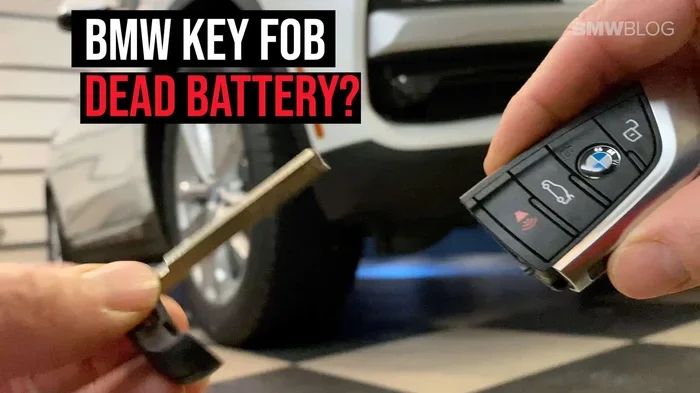
Why Your Car Wont Start After Replacing Key Fob Battery
Your car won’t start after replacing the key fob battery because of several possible reasons, including a need to reset the key, a drained car battery, or a programming issue. Understanding the key fob battery replacement process and its side effects can save you time and stress. This guide walks you through every cause and fix in simple, clear steps.
You just swapped out the tiny battery in your key fob. You felt proud. You pressed the button. Nothing happened. You turn the ignition. Still nothing. Your heart sinks. Why won’t your car start after replacing the key fob battery? It happens to thousands of drivers every year. The good news is that it is usually an easy fix.
A key fob battery replacement seems like a simple job. And most of the time, it is. But sometimes, changing that small coin cell battery throws off the entire connection between your key and your car. The immobilizer system, the transponder chip, and the car’s computer all need to work together perfectly. When one piece gets disrupted, your car may refuse to start.
This article explains every reason your car won’t start after replacing key fob battery. It also gives you step-by-step fixes you can try right now. Whether you drive a Toyota, Honda, Ford, or any other brand, the advice here applies. Let’s get your car running again.
Key Takeaways
- Reset Is Often Required: Many cars need a key fob reset after a battery swap to re-establish communication with the immobilizer system.
- Car Battery May Be the Real Culprit: A weak car battery can mimic key fob problems, making it seem like the new fob battery caused the issue.
- Programming Matters: Some vehicles require professional reprogramming after a key fob battery replacement to restore full functionality.
- Signal Interference Is Common: Metal objects, other electronics, or a low fob battery can weaken the signal and prevent starting.
- Prevention Is Simple: Following a few easy steps during replacement can avoid most post-change starting problems.
📑 Table of Contents
- Why Does Your Car Won’t Start After Key Fob Battery Replacement?
- How to Fix a Car That Won’t Start After Key Fob Battery Change
- Can You Still Drive If the Key Fob Battery Dies?
- How to Prevent Key Fob Starting Problems After Battery Replacement
- When Should You See a Professional?
- Common Mistakes People Make When Replacing Key Fob Batteries
- Expert Insight: What Mechanics Wish You Knew
- Key Takeaways
Why Does Your Car Won’t Start After Key Fob Battery Replacement?
Replacing the battery in your key fob should be a quick 30-second job. So why does it sometimes cause big problems? The answer lies in how modern cars communicate with their keys. Your car uses a complex immobilizer system that reads a unique signal from your key fob. When you replace the battery, that connection can get temporarily lost. Here are the most common reasons this happens.
The Key Fob Needs a Reset
After you pop open the fob and swap the battery, the system may lose its pairing with the car. Think of it like a phone losing Wi-Fi connection. The fob still works, but the car no longer recognizes it. Many drivers don’t realize that a key fob reset is needed after a battery change. This is especially true for vehicles with push-button start systems.
Some cars reset automatically. Others require you to hold the fob near the start button for a few seconds. A few models need you to insert the physical key into a hidden slot. The process varies by brand and model. That is why checking your owner’s manual after a battery swap is so important.
The Car Battery Is Too Weak
Here is a sneaky problem many people overlook. Sometimes the real issue is not the key fob at all. Your car battery may be too weak to start the engine. When you replace the fob battery, you might have left the fob on the dashboard or near the ignition. This can cause a small power drain on the car battery.
A weak car battery often shows the same symptoms as a dead key fob. The dashboard lights up dimly. The engine cranks slowly. Or nothing happens at all when you turn the key. Before you blame the new fob battery, check your car battery voltage. A simple test with a multimeter can tell you if the car battery is the real problem.
The Transponder Chip Lost Its Programming
Inside every modern key fob is a tiny transponder chip. This chip sends a unique code to your car’s immobilizer system. If the code does not match, the car will not start. This is a security feature designed to prevent theft. When you replace the fob battery, the chip sometimes loses its programmed code.
This is more common in older vehicles or fobs that have been used for many years. The battery change can cause a brief power surge that resets the chip. In most cases, a simple reprogramming fixes the issue. But in some cases, you may need a dealer or locksmith to reprogram the key fob.
Signal Interference from Other Devices
Did you place your phone, wallet, or another electronic device next to the key fob? Electronic devices can cause signal interference that blocks the fob from communicating with the car. After a battery replacement, the fob signal may be weaker than usual. Even small interference can prevent the car from reading the fob correctly.
Try moving away from other electronics. Stand near the car door or ignition. Remove the fob from your pocket or bag. Sometimes simply changing your position solves the problem instantly. This is one of the easiest and most overlooked fixes for a car not starting after a battery swap.
The Wrong Battery Was Installed
Not all key fob batteries are the same. Some fobs use CR2025 batteries. Others use CR2032 or CR1632. If you installed the wrong type, the voltage may be slightly off. This can cause the fob to work intermittently or not at all. A key fob battery with the wrong size may also fit loosely, causing intermittent contact.
Always double-check your owner’s manual or the old battery before purchasing a replacement. The correct battery type is printed on the old cell. Using the right one ensures a strong, steady signal. It also prevents damage to the fob’s internal circuitry.
The Key Fob Itself Is Damaged
Sometimes the battery replacement process accidentally damages the fob. If you used too much force to open the casing, you might have cracked a circuit board. A loose button or a misaligned contact can also cause the fob to fail. Inspect the fob carefully after replacing the battery. Look for any visible cracks, loose parts, or corroded contacts.
If the fob looks damaged, you may need a replacement. You can try reseating the battery and closing the fob more carefully. But if the internal damage is clear, a new fob is the best solution. Many dealers and online retailers sell replacement fobs at reasonable prices.
How to Fix a Car That Won’t Start After Key Fob Battery Change
Now that you know the possible causes, let’s talk about solutions. Most of these fixes take just a few minutes. You do not need to be a mechanic to try them. Start with the simplest fix and work your way down the list.
Step 1: Try the Manual Key
Most key fobs have a hidden mechanical key inside. Use it to unlock the door manually. Once inside, insert the physical key into the ignition. Some cars will start with the mechanical key even if the fob is not communicating. This is a great temporary workaround while you troubleshoot the fob issue.
After starting the car with the mechanical key, try pressing the start button with the fob placed right against the button. Many push-start systems have a backup mode that reads the fob even when the battery is very low. This lets you drive to a safe location or dealer for repairs.
Step 2: Reset the Key Fob
Resetting the fob is the most common fix. The process depends on your vehicle. Here are general steps that work for many brands:
- Turn the ignition to the “On” position without starting the engine.
- Press and hold the lock button on the fob for 5 to 10 seconds.
- Release the button and turn the ignition off.
- Wait 30 seconds, then try starting the car again.
For some vehicles, you need to follow a specific sequence. Check your owner’s manual for the exact steps. You can also search online for your specific make and model plus “key fob reset after battery change.”
Step 3: Check the Car Battery Voltage
Use a multimeter to test the car battery. A healthy battery should read 12.6 volts or higher. If it reads below 12.0 volts, the battery may be too weak to start the car. In this case, the key fob battery replacement was not the real problem. Your car battery needs charging or replacement.
You can also try jump-starting the car. If the car starts with a jump, the car battery was the issue all along. Once the engine is running, the alternator will recharge the battery. Just make sure the battery is holding a charge properly afterward.
Step 4: Reprogram the Key Fob
If resetting does not work, you may need to reprogram the fob. Some vehicles allow you to do this yourself. The process usually involves a specific sequence of key turns and button presses within a time limit. Again, your owner’s manual is the best resource for this.
For vehicles that require dealer programming, visit a dealership or a qualified locksmith. They have the tools to reprogram the transponder chip and restore full communication between the fob and the car. This typically costs between $50 and $200 depending on your location and vehicle model.
Step 5: Replace the Key Fob if Necessary
If none of the above steps work, the fob itself may be faulty. Internal damage from the battery replacement process or general wear and tear can cause permanent failure. In this case, you will need a new key fob. You can purchase one from the dealer, an auto parts store, or online.
Keep in mind that a new fob may also need programming. Some fobs come pre-programmed, but most require setup with your specific vehicle. Always check compatibility before purchasing a replacement fob. You want to make sure it works with your car’s year, make, and model.
Can You Still Drive If the Key Fob Battery Dies?
Many drivers wonder if they can still operate the vehicle with a dead or weak fob battery. The answer depends on your car’s system. Most modern vehicles with push-button start have a backup method. You can usually place the fob directly against the start button or the steering column sensor.
Some cars allow you to drive indefinitely with a low fob battery, though the dashboard will display a warning message. Others will refuse to start once the fob signal drops below a certain threshold. If you are unsure about your specific vehicle, consult the owner’s manual or search for your model online. Knowing how your car handles a low key battery can save you from getting stranded.
It is also worth noting that you can replace the fob battery yourself in most cases. You do not always need a dealer or locksmith. A simple screwdriver and a $5 battery are all you need. Just be careful during the process to avoid damaging the fob or losing the programming.
How to Prevent Key Fob Starting Problems After Battery Replacement
Prevention is always better than cure. A few simple habits can save you from the frustration of a car that won’t start after a battery change. Here are the best practices to follow every time you replace your fob battery.
Always Use the Correct Battery Type
Before you open the fob, check which battery type it uses. Write it down or take a photo of the old battery before removing it. This ensures you buy the exact right replacement. Using the wrong battery can cause voltage issues, signal problems, and even damage to the fob’s electronics.
Handle the Fob Gently
Key fobs are delicate inside. The circuit board can crack if you squeeze too hard. Use a plastic pry tool instead of a screwdriver to open the casing. Work slowly and carefully. If a button pops out or a wire disconnects, you will know exactly what happened and can fix it easily.
Reset the Fob Immediately After Replacement
Do not assume the fob will work automatically after a battery swap. Always perform a reset or reprogramming step right away. This re-establishes the connection between the fob and the car’s immobilizer system. It takes just a minute or two and can save you hours of troubleshooting later.
Keep the Fob Away from Electronics During Replacement
Remove the fob from your wallet, bag, or drawer before opening it. Place it on a clean, flat surface away from other electronics. This prevents signal interference and ensures you do not accidentally press any buttons while the fob is open.
Test the Fob Before You Close Up
After replacing the battery and resetting the fob, test it before snapping the casing back together. Stand near the car and press the lock and unlock buttons. Try starting the car if possible. If anything feels off, open the fob again and check the battery placement. It is much easier to fix a problem now than after the fob is sealed shut.
When Should You See a Professional?
Most car won’t start issues after a key fob battery change are fixable at home. But some situations require professional help. If you have tried all the troubleshooting steps and the car still will not start, it is time to call an expert. Here are the signs that you need professional assistance.
First, if the dashboard shows a flashing security light or a message about the immobilizer system, the car’s computer has detected a problem it cannot resolve on its own. Second, if the key fob is physically damaged, a professional can help you choose the right replacement and program it correctly. Third, if you need to reprogram the fob and your vehicle does not support self-programming, a dealer or locksmith is your best option.
Do not ignore these warning signs. Driving with a faulty key fob can sometimes cause the car to shut off unexpectedly while driving. This is rare but dangerous. Address the issue promptly to keep your vehicle safe and reliable.
Common Mistakes People Make When Replacing Key Fob Batteries
Learning from other people’s mistakes can save you a lot of trouble. Here are the most common errors drivers make when replacing their key fob battery.
- Using the wrong battery type: This is the number one mistake. Always verify the battery model before purchasing.
- Forgetting to reset the fob: Many people assume the fob will work automatically after a battery swap. It often does not.
- Pressing buttons while the fob is open: This can drain the new battery or scramble the programming before you close the fob.
- Using a metal tool to open the fob: Metal tools can short-circuit the board or scratch the casing. Use plastic tools instead.
- Ignoring the car battery: Sometimes the real problem is a weak car battery, not the fob. Always check both.
Avoiding these simple mistakes makes the entire process smoother. You will spend less time troubleshooting and more time driving.
Expert Insight: What Mechanics Wish You Knew
Professional mechanics see this problem every day. Their number one piece of advice? Always read the owner’s manual before replacing a key fob battery. The manual contains specific instructions for your vehicle’s make and model. It tells you the correct battery type, the reset procedure, and any special precautions to take.
Mechanics also recommend keeping a spare key fob with a fresh battery in your glove box. If your primary fob fails after a battery change, the spare gets you to the dealer or home safely. This simple backup plan can save you from being stranded in an unfamiliar location.
Another expert tip is to clean the fob’s battery contacts before inserting the new battery. A quick wipe with a dry cloth or a dab of rubbing alcohol removes any corrosion or grime. Clean contacts ensure a strong connection and longer battery life for your new cell.
Key Takeaways
- A key fob reset is often required after replacing the battery to re-establish communication with the car’s immobilizer system.
- The car battery may be the real issue, not the key fob. Always check the car battery voltage before assuming the fob is at fault.
- Using the correct battery type is essential. The wrong battery can cause voltage problems and signal issues.
- Signal interference from other electronics can prevent the car from reading the fob, especially after a battery change when the signal is weaker.
- Most vehicles have a backup starting method that works even with a dead fob battery, such as placing the fob against the start button.
- Professional reprogramming may be needed for some vehicles that do not support self-programming after a battery swap.
- Prevention is simple: handle the fob gently, use the right battery, reset immediately, and test before closing the casing.
Frequently Asked Questions
Why won’t my car start after I changed the key fob battery?
The most common reason is that the fob needs to be reset after the battery replacement. The car’s immobilizer system may have lost its pairing with the fob. Try resetting the fob by following the steps in your owner’s manual. If that does not work, the car battery may be too weak or the transponder chip may need reprogramming.
Can a dead key fob battery prevent a car from starting?
Yes, a dead or weak key fob battery can prevent your car from starting, especially if you have a push-button start system. The car cannot read the fob’s signal and will refuse to start. Most vehicles have a backup starting method where you place the fob directly against the start button to bypass the weak battery.
Do I need to reprogram my key fob after replacing the battery?
It depends on your vehicle. Some cars reset automatically after a battery change. Others require manual reprogramming. Check your owner’s manual for the specific procedure. If you cannot find it online or in the manual, a dealership or locksmith can reprogram the fob for you quickly.
What type of battery does a key fob use?
Most key fobs use a CR2032 or CR2025 lithium coin cell battery. Some older or larger fobs use CR1632 or other types. Always check your owner’s manual or the old battery before purchasing a replacement. Using the correct type ensures proper voltage and a strong signal.
Can I drive my car if the key fob battery is dead?
In most cases, yes. Modern vehicles with push-button start have a backup sensor that reads the fob even when the battery is dead. Place the fob directly against the start button or the steering column sensor, and the car should start. However, the dashboard may display a warning message until the fob battery is replaced.
How can I prevent my car from not starting after a key fob battery change?
Use the correct battery type, handle the fob gently, reset the fob immediately after replacement, and test it before closing the casing. Also, keep the fob away from other electronics during the process. These simple steps prevent most post-replacement starting problems and keep your car running smoothly.
=== CONCLUSION ===
A car that won’t start after replacing the key fob battery is frustrating, but it is almost always fixable. The most common causes are a simple reset, a weak car battery, or a programming issue that needs professional help. By following the steps in this guide, you can troubleshoot and resolve the problem in most cases without visiting a dealer.
Remember to use the correct battery type, handle your fob carefully, and always reset the system after a change. These small habits make a big difference. Your key fob is the bridge between you and your car. Keep it working properly, and your daily drive will be smooth and hassle-free.
If you have tried everything and your car still will not start, do not hesitate to seek professional help. A qualified mechanic or locksmith can diagnose issues that are beyond a simple battery swap. Stay proactive, stay informed, and keep your car running its best.