What Not to Do in a Hybrid Car That Could Cost You
Knowing what not to do in a hybrid car can save you thousands in repairs and keep your vehicle running smoothly for years. Many hybrid owners make simple mistakes that damage the high-voltage battery, reduce fuel efficiency, and void warranties. This guide reveals the most common errors and how to avoid them.
Owning a hybrid car feels amazing. You save gas, reduce emissions, and enjoy a quiet ride. But here is the catch. Hybrid vehicles are different from regular cars. They have complex systems that need special care. Many owners learn this the hard way. They make mistakes that lead to expensive repairs.
So what should you avoid? What not to do in a hybrid car is just as important as knowing what to do. This guide covers the biggest errors hybrid owners make. It also gives you simple fixes to protect your investment. Whether you drive a Toyota Prius or a newer plug-in model, these tips apply to you.
Let us be honest. Most people do not read their hybrid owner manual cover to cover. That is okay. We have done the work for you. Below you will find the mistakes that cost real money. You will also learn how to keep your hybrid running strong for years.
Key Takeaways
- Never ignore hybrid warning lights: They signal serious issues that worsen fast.
- Skip the “ready mode” idle habit: It strains your electric motor and drains energy.
- Don’t forget 12-volt battery care: A dead 12-volt battery kills your entire hybrid system.
- Avoid deep discharges on the high-voltage battery: This shortens battery health dramatically.
- Don’t skip regenerative braking maintenance: Worn brake pads ruin your regenerative system.
- Never delay hybrid-specific maintenance: Regular upkeep protects your fuel efficiency and powertrain warranty.
- Don’t attempt high-voltage repairs yourself: Always trust certified hybrid technicians.
📑 Table of Contents
- Skipping Regular Hybrid Maintenance
- Ignoring Warning Lights and Alerts
- Mishandling the High-Voltage Battery
- Bad Driving Habits That Hurt Your Hybrid
- Overlooking the 12-Volt Auxiliary Battery
- Neglecting Brake and Transmission Care
- Trying DIY High-Voltage Repairs
- Common Mistakes with Charging and Fuel
- Final Thoughts
Skipping Regular Hybrid Maintenance
Hybrid cars need maintenance just like any vehicle. But the maintenance looks different. Many owners assume their hybrid requires less care. That assumption is wrong. Skipping scheduled service can cause serious problems.
Your hybrid has both a gasoline engine and an electric motor. Both systems need attention. The electric motor relies on a high-voltage battery. The gasoline engine needs traditional fluids. When you skip maintenance, small issues become big ones fast.
Why Hybrid Maintenance Schedules Matter
Every hybrid comes with a maintenance schedule. This schedule is not just a suggestion. It is a roadmap for keeping your car healthy. Follow it closely. Most manufacturers recommend service every 5,000 to 10,000 miles. During each visit, a technician checks key systems.
Here is what a proper hybrid maintenance visit includes:
- Checking the high-voltage battery health
- Inspecting the electric motor and inverter
- Testing the 12-volt auxiliary battery
- Replacing engine oil with the correct grade
- Checking the coolant system for leaks
- Examining brake pads and regenerative braking components
- Verifying transmission fluid levels
Missing even one of these checks can lead to bigger problems. For example, low transmission fluid causes grinding. Grinding leads to transmission failure. Transmission repairs on a hybrid can cost over $3,000. Simple maintenance prevents this entirely.
The Cost of Skipping Service
Some owners skip service to save money. This is a short-term thinking mistake. A missed oil change leads to engine wear. A neglected coolant flush causes overheating. Overheating damages the electric motor. Soon you are spending far more than you saved.
Think of it this way. Regular maintenance is like brushing your teeth. Skip it now, and you pay later. The difference with hybrids is the cost is much higher. Staying on top of your maintenance schedule saves you real money over time.
Ignoring Warning Lights and Alerts
Hybrid cars have many warning lights. Some look the same as regular cars. Others are unique to hybrid systems. When a light appears on your dashboard, do not ignore it. Ever.
Warning lights exist for a reason. They tell you something needs attention. The longer you wait, the worse the problem gets. A small issue today becomes a major repair next month.
Common Hybrid Warning Lights You Should Know
Here are the warning lights that should grab your attention immediately:
- Check Engine Light: This light can signal hybrid-specific issues. It might point to the inverter or battery management system.
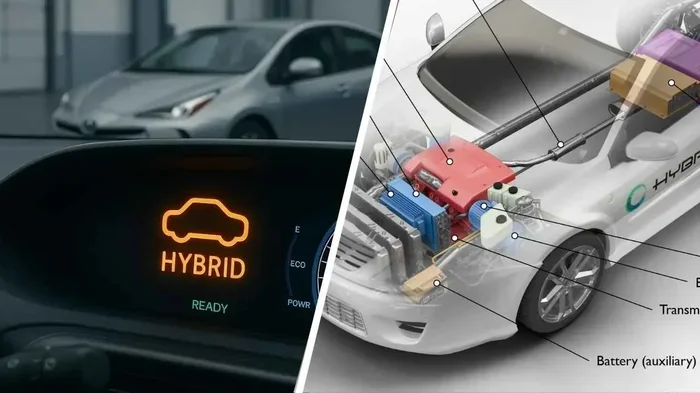
- Hybrid Battery Warning: This icon looks like a battery with lightning bolts. It means your high-voltage battery needs inspection.
- Reduced Power Mode: Your car limits performance to protect itself. This happens when a critical system fails.
- 12-Volt Battery Light: A dead auxiliary battery can prevent your car from starting.
- Electric Motor Warning: This indicates a problem with the electric drivetrain.
Each of these lights demands immediate attention. Do not keep driving and hope the problem fixes itself. That approach never works. Pull over safely and assess the situation. If the light flashes, get your car towed to a certified shop.
What to Do When a Light Comes On
First, do not panic. Some lights are less urgent than others. The check engine light could mean a loose gas cap. But the hybrid battery warning is always serious. Use your judgment. When in doubt, visit a professional.
Keep a record of when warning lights appear. Note the driving conditions. This information helps technicians diagnose problems faster. It also protects you if a warranty claim becomes necessary. Your powertrain warranty covers many hybrid components. But it only works if you follow proper care guidelines.
Mishandling the High-Voltage Battery
The high-voltage battery is the heart of your hybrid. It powers the electric motor. It stores energy from regenerative braking. It also works with the gasoline engine to maximize fuel efficiency. Treating it poorly costs you performance and money.
Many hybrid owners do not understand how this battery works. They make habits that slowly damage it. Learning what not to do in a hybrid car starts with the battery.
Avoid Deep Discharges
Do not let your hybrid battery drain completely. Deep discharges stress the battery cells. Over time, they reduce overall battery health. Most hybrids have a battery management system. This system prevents complete discharge. But constantly running the battery low still causes wear.
Keep your battery charge between 20 and 80 percent when possible. This range is ideal for long-term health. If your hybrid has a charging port, use it regularly. A well-charged battery delivers better performance and lasts longer.
Extreme Temperatures and Your Battery
Heat is the enemy of hybrid batteries. Parking in direct sunlight for years degrades battery cells. Cold weather reduces battery efficiency temporarily. But extreme cold does not cause permanent damage like heat does.
Here are simple tips to protect your battery from temperature damage:
- Park in shaded areas or a garage whenever possible
- Use a battery thermal blanket in freezing climates
- Avoid fast charging in extreme heat
- Let your car idle for a minute before driving in cold weather
- Do not leave your hybrid unused for months without charging
When to Replace the Hybrid Battery
Hybrid batteries last a long time. Most last between 100,000 and 150,000 miles. But they do not last forever. When battery health drops significantly, you will notice reduced fuel efficiency. Your car may also enter reduced power mode more often.
Replacing a hybrid battery is expensive. Costs range from $1,500 to $5,000 depending on the model. Some dealers offer refurbished battery options. These cost less and come with warranties. Always check your powertrain warranty before paying out of pocket.
Bad Driving Habits That Hurt Your Hybrid
How you drive affects your hybrid more than a regular car. Hybrid systems respond to driving style. Bad habits reduce fuel efficiency and wear out components faster.
Racing the Gasoline Engine
Many hybrid owners rev the engine unnecessarily. The gasoline engine in a hybrid does not need to work hard. It kicks in when the electric motor needs support. Flooring the accelerator constantly strains both systems.
Smooth acceleration is the key. Ease onto the gas pedal. Let the electric motor do the heavy lifting at low speeds. You will enjoy better fuel efficiency and less wear on your engine.
Ignoring Regenerative Braking
Regenerative braking is one of the best hybrid features. It captures energy during deceleration and sends it back to the battery. But you need to use it correctly to get the full benefit.
Do not ride the brakes. Constant light braking generates heat and wears brake pads faster. Instead, lift off the accelerator early. Let the regenerative system slow your car down naturally. This simple habit extends brake pad life and charges your battery at the same time.
Here is a quick tip for better regenerative braking use:
- Look ahead and anticipate stops
- Lift your foot off the accelerator early
- Use the highest regenerative braking setting when available
- Avoid hard braking unless it is an emergency
- Coast downhill when safe to do so
Leaving the Car in Electric-Only Mode Unnecessarily
Some hybrids let you drive in electric-only mode. This is great for short distances. But using it constantly drains the battery. It also forces the gasoline engine to work harder to recharge.
Use electric-only mode for parking lots and residential streets. On highways, let the hybrid system manage power automatically. Forcing the car into a single mode limits its efficiency.
Overlooking the 12-Volt Auxiliary Battery
This is one of the most overlooked issues in hybrid ownership. Every hybrid has a 12-volt battery. It powers the computers, lights, and electronics. When this battery dies, your hybrid car will not start. Period.
The 12-volt battery is not the high-voltage hybrid battery. It is a standard car battery. But it plays a critical role. Without it, the high-voltage system cannot activate.
Why the 12-Volt Battery Dies Faster in Hybrids
Hybrids have more electronic systems than regular cars. The battery management system, inverter, and electric motor all rely on the 12-volt battery. These systems draw power even when the car is off. Over time, this can drain a weak 12-volt battery.
Here is how to keep your 12-volt battery healthy:
- Check the battery terminals for corrosion monthly
- Drive your hybrid regularly, not just once a week
- Avoid leaving electronics on when the engine is off
- Replace the battery every 3 to 4 years
- Use a trickle charger if you store the car for long periods
What Happens When the 12-Volt Battery Fails
A dead 12-volt battery leaves you stranded. The car will not start. The high-voltage battery is online, but the system cannot engage. You need a jump start or a new 12-volt battery to get going again.
Keep jumper cables in your trunk. Know how to use them safely. Better yet, have a portable jump starter on hand. This small investment saves you from a frustrating roadside situation.
Neglecting Brake and Transmission Care
Hybrids use regenerative braking to slow down. This reduces wear on traditional brake pads. But it does not eliminate the need for brake maintenance entirely.
Brake Pads Still Need Attention
Because regenerative braking handles most deceleration, brake pads last longer in hybrids. But they still wear out. The front pads especially take the load during hard stops.
Do not wait for a grinding noise to check your brakes. Have a technician inspect them every 15,000 miles. Replacing pads early prevents rotor damage. Rotor repairs cost significantly more than pad replacements.
Transmission Fluid Changes
Many hybrid owners forget about transmission fluid. The transmission in a hybrid works differently than a traditional automatic. It often uses a planetary gear set or e-CVT system. This system needs clean fluid to operate smoothly.
Neglecting transmission fluid leads to slipping gears. It also causes rough shifting and reduced fuel efficiency. Most hybrid manufacturers recommend a fluid change every 30,000 to 60,000 miles. Check your owner manual for the exact interval.
Trying DIY High-Voltage Repairs
Some car owners love to fix things themselves. That is great for oil changes and air filters. But high-voltage hybrid components are a completely different story.
The high-voltage battery in a hybrid operates at 200 to 400 volts. That is enough to cause serious injury or death. Even when the car is off, the battery holds a charge. Working on these systems without proper training is extremely dangerous.
Always rely on certified hybrid technicians for repairs. They have the right tools and training. They also understand the safety protocols. Attempting DIY high-voltage work voids your warranty and risks your safety.
Safe DIY Tasks for Hybrid Owners
There are still things you can safely do yourself:
- Checking and topping off washer fluid
- Replacing the cabin air filter
- Inspecting tire pressure and tread depth
- Checking the 12-volt battery terminals for corrosion
- Replacing wiper blades
- Adding engine oil with the correct specification
Stick to these simple tasks. Anything involving the hybrid powertrain or high-voltage system should be left to the professionals. This protects both you and your vehicle warranty.
Common Mistakes with Charging and Fuel
Hybrids do not need to plug in (unless you own a plug-in hybrid). But how you fuel and charge still matters. Small mistakes here reduce efficiency and increase costs.
Using the Wrong Fuel Grade
Most hybrids run on regular unleaded gasoline. Some performance hybrids require premium fuel. Check your owner manual. Using the wrong fuel grade does not improve performance. It only wastes money and can cause engine knock.
Charging Plug-In Hybrids Incorrectly
If you own a plug-in hybrid, your charging habits matter. Use the recommended charging level. Level 1 charging is slow but safe for the battery. Level 2 charging is faster but generates more heat. Avoid Level 3 DC fast charging for daily use. It generates excessive heat that degrades battery cells over time.
Follow these charging best practices to protect your plug-in hybrid battery:
- Charge during cooler parts of the day when possible
- Unplug the car once it reaches 100 percent
- Avoid charging immediately after a long drive
- Use the manufacturer-recommended charging cable
- Do not leave the car plugged in for days at a time
Letting the Gas Tank Run Too Low
Hybrids run on both gas and electric power. When the gas tank runs too low, the system relies entirely on the electric motor. This drains the high-voltage battery faster. It also causes the gasoline engine to run less efficiently when it does kick in.
Keep your gas tank at least a quarter full at all times. This ensures the hybrid system can switch between power sources smoothly. It also prevents fuel pump issues that come with running on empty.
Final Thoughts
Owning a hybrid car is a great experience. You enjoy excellent fuel efficiency, smooth performance, and a quieter ride. But the key to long-term satisfaction is avoiding common mistakes. Now you know what not to do in a hybrid car. You understand the importance of regular maintenance, proper battery care, and smart driving habits.
Take action today. Review your hybrid maintenance schedule. Check your warning lights next time you start the car. Make sure your 12-volt battery is in good shape. These small steps add up to big savings over the life of your vehicle.
Your hybrid is a sophisticated machine. It deserves proper care and attention. Treat it well, and it will reward you with years of reliable, efficient driving. The effort you put in now pays off every time you fill up less at the pump.
Share this guide with other hybrid owners. The more people know what to avoid, the fewer costly mistakes happen. Together, we can help hybrid owners get the most out of their vehicles. Drive smart, maintain well, and enjoy every mile.
Frequently Asked Questions
Can I drive my hybrid if the check engine light is on?
You can drive a short distance if the light is solid and the car runs normally. But do not ignore it. The check engine light in a hybrid can signal issues with the inverter, battery management system, or emissions components. Visit a certified technician as soon as possible to prevent further damage.
How often should I replace my hybrid battery?
Most hybrid batteries last 100,000 to 150,000 miles or 8 to 10 years. Driving habits and climate affect battery life significantly. Keep your battery charge between 20 and 80 percent and avoid extreme heat exposure to maximize battery health.
Is it safe to wash my hybrid car at a car wash?
Yes, it is safe. Modern hybrids are designed to handle water exposure. The high-voltage components are sealed and insulated. Just avoid high-pressure spraying directly at the charging port or undercarriage electrical connections. Regular car washes are perfectly fine.
Do hybrids need special engine oil?
Yes, hybrids often require specific oil grades recommended by the manufacturer. The electric motor assists the engine, which changes how heat and stress affect the oil. Always check your owner manual for the correct oil specification to ensure proper engine protection.
Can I jump-start a hybrid car the same way as a regular car?
No, you should not. Hybrids have both a 12-volt battery and a high-voltage battery. Jump-starting incorrectly can damage the electrical system. Always locate the 12-volt jump-start terminals and follow the manufacturer’s instructions. When in doubt, call a professional roadside assistance service.
Why is my hybrid’s fuel efficiency dropping?
Several factors cause reduced fuel efficiency in hybrids. Worn brake pads, low tire pressure, a weak high-voltage battery, or ignored warning lights can all contribute. Start by checking the basics: tire pressure, battery health, and maintenance schedule. If the problem persists, visit a certified hybrid technician for a full diagnostic.
=== CONCLUSION ===
Knowing what not to do in a hybrid car protects your investment and your wallet. Avoid skipping maintenance, ignore warning lights at your own risk, and handle the high-voltage battery with care. Drive smoothly, charge correctly, and never attempt dangerous DIY repairs. Your hybrid will reward you with reliable performance and excellent fuel efficiency for many miles to come.