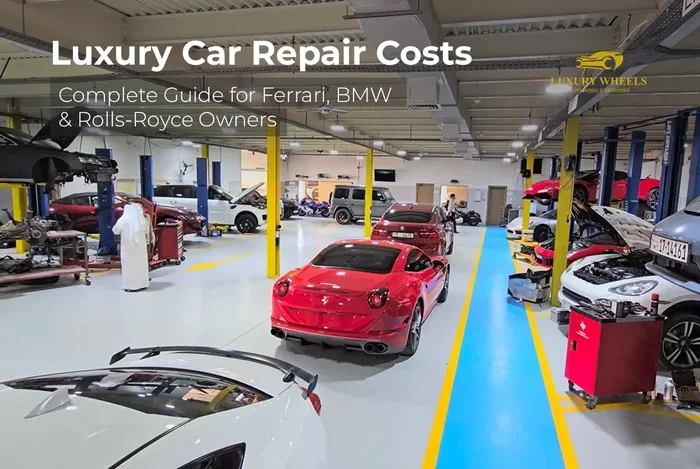
What Is the Most Expensive Car to Maintain Each Year
So, what is the most expensive car to maintain each year? Luxury European brands like BMW, Mercedes-Benz, and Audi top the list with annual costs that can exceed $3,000 or more. In this guide, we break down the real numbers behind car maintenance cost, compare brands, and share practical tips to keep your vehicle running without breaking the bank.
When you dream about buying a luxury car, the sticker price is only half the story. The real shock often comes later, when you start paying for repairs, oil changes, tires, and all the other expenses that come with vehicle ownership. So, what is the most expensive car to maintain each year? The answer might surprise you.
Car maintenance cost is a topic that many buyers overlook until it is too late. Some vehicles look amazing on the showroom floor but turn into money pits over time. Understanding which cars demand the most money helps you make a smarter purchase decision. In this article, we dive deep into the numbers behind the most expensive vehicles to own and keep on the road.
Whether you are shopping for a new ride or already own a luxury beast, this guide covers everything you need to know about annual maintenance cost and total cost of ownership. We will compare brands, break down the expenses, and share expert tips to help you save money. Let us get into it.
Key Takeaways
- BMW and Mercedes-Benz lead the pack: These luxury vehicles consistently rank as the most expensive cars to maintain over time.
- Annual costs vary widely: Some vehicles cost over $3,000 per year in upkeep, while others stay under $500.
- Parts and labor drive the price: European luxury car brands charge premium rates for spare parts and specialized mechanic fees.
- Total cost of ownership matters: Maintenance is only one piece of the puzzle. Depreciation, insurance, and fuel also add up fast.
- You can reduce costs: Staying on top of your maintenance schedule and choosing the right extended warranty can save thousands.
- Japanese brands are more affordable: Toyota and Honda consistently rank among the least expensive vehicles to own long-term.
- Know your numbers before buying: Researching car ownership expenses upfront helps you make smarter financial decisions.
📑 Table of Contents
- What Is the Most Expensive Car to Maintain Each Year?
- Why Do Certain Cars Cost So Much to Maintain?
- Annual Maintenance Cost Breakdown by Brand
- Total Cost of Ownership: Beyond Just Maintenance
- How to Reduce Your Car Maintenance Costs
- Common Mistakes That Increase Car Maintenance Costs
- Expert Insights: Choosing a Car That Fits Your Budget
- Conclusion
What Is the Most Expensive Car to Maintain Each Year?
When people ask about the most expensive car to maintain, several brands immediately come to mind. European luxury manufacturers consistently dominate the top of every list. But it is not just about the brand name. Engine complexity, parts availability, and labor rates all play a huge role in determining which vehicles cost the most to keep running.
Studies from sources like Consumer Reports and RepairPal rank certain vehicles far above others in annual upkeep expenses. The most expensive car to maintain often includes models from BMW, Mercedes-Benz, Audi, and Land Rover. These vehicles come packed with advanced technology, turbocharged engines, and complex systems that require specialized care.
Here is a quick look at some of the worst offenders when it comes to car maintenance cost:
- BMW 7 Series – Annual maintenance cost averages around $3,000 or higher.
- Mercedes-Benz S-Class – One of the priciest luxury sedans to keep in shape.
- Audi A8 – Complex engineering leads to expensive repair costs down the road.
- Land Rover Range Rover – British engineering with notoriously pricey parts and service.
- Porsche 911 – Performance comes at a steep price for maintenance and repairs.
These numbers reflect routine upkeep, not major breakdowns. If something goes wrong with a turbocharger or the air suspension system, the bill can easily double or triple. That is why understanding the full picture of car ownership expenses matters so much before you sign on the dotted line.
Why Do Certain Cars Cost So Much to Maintain?
Not all vehicles are created equal when it comes to upkeep. Some cars are designed with simplicity in mind, while others prioritize performance and luxury at any cost. Understanding why certain vehicles demand more money helps you appreciate the true cost of owning a premium automobile.
Complex Engineering and Advanced Technology
Modern luxury vehicles are essentially computers on wheels. They feature advanced driver-assistance systems, adaptive air suspensions, and turbocharged engines with dozens of sensors. When something goes wrong, diagnosing the problem requires specialized tools and trained technicians. This drives up mechanic fees significantly compared to a standard sedan.
For example, a BMW’s iDrive system or Mercedes-Benz’s MBUX interface involves complex electronics. A simple sensor failure can trigger a cascade of warning lights and error codes. Fixing these issues often costs hundreds or even thousands of dollars, depending on the component involved.
Premium Spare Parts and Limited Availability
One of the biggest factors in high maintenance costs is the price of spare parts. Luxury car brands charge a premium for OEM (Original Equipment Manufacturer) components. A simple brake pad set for a Mercedes-Benz might cost three times more than the same part for a Toyota Camry.
Additionally, some parts are not always in stock at local dealerships. If your vehicle needs a rare component, you might face long wait times and even higher prices. This is especially true for limited-production models or older luxury vehicles that are no longer in production.
Specialized Labor and Service Requirements
Not every mechanic can work on a European luxury car. These vehicles require technicians with specialized training and manufacturer certifications. Independent shops that do not specialize in European brands may refuse to service them or charge premium rates for the expertise involved.
Dealership service centers are often the go-to option, but they come with a steep markup. A simple oil change at a BMW dealership can cost anywhere from $200 to $400, compared to $50 to $100 at a regular mechanic shop. These costs add up quickly over the life of the vehicle.
Depreciation and Its Hidden Impact
While depreciation is not a direct maintenance expense, it affects your overall car ownership expenses dramatically. Luxury vehicles depreciate faster than mainstream cars. A brand-new Mercedes-Benz S-Class can lose 50% or more of its value within five years. This means you are paying for something that loses value rapidly, on top of the ongoing maintenance costs.
When you factor in depreciation alongside repair bills, insurance premiums, and fuel costs, the total cost of ownership for an expensive luxury vehicle can be staggering. This is why many experts recommend considering the full financial picture before buying any high-end car.
Annual Maintenance Cost Breakdown by Brand
To give you a clearer picture, let us break down the annual maintenance cost by some of the most popular luxury and mainstream brands. These figures are based on averages from multiple industry sources and represent typical ownership over a five-year period.
| Brand | Model Example | Avg. Annual Maintenance Cost | 5-Year Estimated Total |
|---|---|---|---|
| BMW | 7 Series | $3,000+ | $15,000+ |
| Mercedes-Benz | S-Class | $2,800+ | $14,000+ |
| Audi | A8 | $2,500+ | $12,500+ |
| Land Rover | Range Rover | $2,400+ | $12,000+ |
| Porsche | 911 | $2,200+ | $11,000+ |
| Lexus | LS | $900 | $4,500 |
| Toyota | Camry | $400 | $2,000 |
| Honda | Accord | $350 | $1,750 |
The gap between luxury brands and mainstream brands is enormous. A BMW 7 Series can cost nearly eight times more to maintain each year than a Toyota Camry. This is a critical factor to consider when comparing vehicles and budgeting for car ownership expenses.
What Drives These Differences?
Several factors contribute to the wide range in maintenance costs. First, luxury vehicles use premium materials and advanced systems that are more expensive to repair or replace. Second, the labor rates at authorized dealerships for European brands are significantly higher than at independent shops for Japanese brands. Third, the frequency of required service intervals varies. Some luxury vehicles need more frequent oil changes, brake inspections, and fluid replacements.
On the other hand, brands like Toyota and Honda have earned reputations for reliability and durability. Their vehicles are designed with simplicity and longevity in mind. Parts are widely available and affordable, and most mechanics can service them without specialized training. This is why they consistently rank among the least expensive vehicles to own.
Total Cost of Ownership: Beyond Just Maintenance
When people think about car maintenance cost, they often focus only on repairs and servicing. But the total cost of ownership goes far beyond that. If you want to understand the true expense of owning a vehicle, you need to consider several additional factors.
Insurance Premiums
Luxury vehicles cost more to insure. Insurance companies consider the repair cost, theft risk, and overall value of the vehicle when setting premiums. A BMW or Mercedes-Benz will almost always have higher insurance rates than a Honda or Toyota. In some cases, annual insurance for a luxury car can exceed $2,000, compared to $1,000 or less for a mainstream vehicle.
Fuel Costs
Performance-oriented luxury vehicles tend to have lower fuel efficiency. Turbocharged engines, heavy bodies, and all-wheel-drive systems all consume more fuel. Over several years, the difference in fuel costs between a luxury SUV and a compact sedan can add up to thousands of dollars.
Taxes and Registration Fees
In many states and countries, vehicle taxes and registration fees are based on the car’s value. A more expensive vehicle means higher annual fees. This is another hidden cost that many buyers do not factor into their car ownership expenses.
Depreciation
As mentioned earlier, depreciation is one of the largest costs of vehicle ownership. Luxury cars depreciate faster than most vehicles. The moment you drive a new luxury car off the lot, it loses significant value. Over five years, you might lose $30,000 or more in depreciation alone.
When you add all of these costs together with the annual maintenance cost, the total cost of ownership for a luxury vehicle becomes very clear. This is why smart buyers always research the complete financial picture before making a purchase.
How to Reduce Your Car Maintenance Costs
Even if you own one of the most expensive cars to maintain, there are ways to keep costs under control. With the right approach, you can significantly reduce your vehicle upkeep without sacrificing performance or luxury.
Stick to a Strict Maintenance Schedule
The single best way to avoid costly repairs is to stay on top of regular maintenance. Changing your oil on time, replacing filters, checking fluid levels, and rotating your tires can prevent major problems down the road. A well-maintained vehicle lasts longer and runs more efficiently, which saves you money in the long run.
Keep a detailed log of every service and repair. This not only helps you track your vehicle’s health but also increases its resale value. Prospective buyers love a car with a documented maintenance history.
Consider an Extended Warranty or Maintenance Plan
Many luxury car manufacturers offer extended warranties or prepaid maintenance plans. These can provide peace of mind and help you budget for expensive repairs. If you buy a vehicle that is known for high repair costs, an extended warranty might be one of the smartest investments you make.
Just make sure you read the fine print. Some plans cover only specific components, and others come with exclusions that might leave you paying out of pocket for certain repairs. Compare different plans carefully before committing.
Find a Trusted Independent Mechanic
You do not always need to go to the dealership for service. Many independent mechanics specialize in European luxury vehicles and can perform the same work at a fraction of the cost. Look for shops with certified technicians and good reviews from other luxury car owners.
Building a relationship with a trusted mechanic is one of the best things you can do for your vehicle. A good mechanic will know your car inside and out, catch problems early, and recommend cost-effective solutions instead of expensive replacements.
Buy Used Instead of New
If you love luxury vehicles but worry about maintenance costs, consider buying a slightly used model. The depreciation has already hit the first owner, and you can often get a high-end vehicle for a much more reasonable price. Just make sure you get a thorough inspection and a complete vehicle history report before purchasing.
A three-to-five-year-old luxury car can offer the same comfort and features as a brand-new model but at a significantly lower purchase price. The maintenance cost will still be higher than a mainstream vehicle, but the overall car ownership expenses are more manageable.
Drive Smarter to Reduce Wear and Tear
Your driving habits directly impact how much your vehicle costs to maintain. Aggressive acceleration, hard braking, and speeding all put extra stress on the engine, brakes, and transmission. Smooth, defensive driving not only improves safety but also reduces wear on vehicle components.
Keeping your tires properly inflated, washing your car regularly to prevent rust, and parking in shaded areas to protect the interior are all simple habits that extend the life of your vehicle and reduce long-term costs.
Common Mistakes That Increase Car Maintenance Costs
Many car owners unknowingly make choices that drive up their maintenance expenses. Avoiding these common mistakes can save you hundreds or even thousands of dollars over the life of your vehicle.
Ignoring Warning Lights and Strange Noises
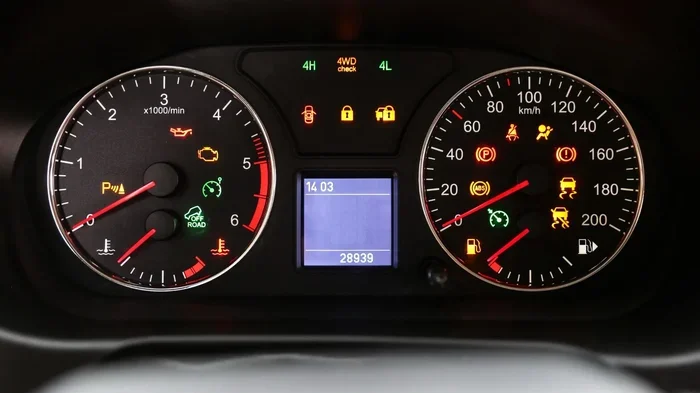
One of the biggest mistakes is ignoring warning lights or unusual sounds from your vehicle. A small problem left unaddressed can quickly become a major and expensive repair. If your check engine light comes on or you hear a new noise, get it checked out immediately.
Skipping Regular Oil Changes
Some owners push their oil change intervals too far, especially with modern synthetic oils. While synthetic oil lasts longer than conventional oil, it still needs to be replaced on schedule. Skipping oil changes leads to engine wear, reduced performance, and eventually costly engine repairs.
Using Non-Recommended Parts
Saving money by using aftermarket parts might seem like a good idea, but it can backfire. Low-quality parts may wear out faster or not fit properly, leading to additional repairs. Always use parts that meet or exceed OEM specifications, especially for critical components like brakes and suspension parts.
Overlooking Fluid Flushes
Transmission fluid, coolant, brake fluid, and power steering fluid all need regular replacement. Many owners forget about these services until a problem arises. Neglecting fluid maintenance is one of the fastest ways to cause expensive damage to vital vehicle systems.
Expert Insights: Choosing a Car That Fits Your Budget
Before you buy any vehicle, take time to research the maintenance cost and overall car ownership expenses. The sticker price tells only part of the story. The most expensive car to maintain might look like a great deal upfront, but the long-term costs can quickly outweigh the initial savings.
Experts recommend creating a realistic maintenance budget before purchasing a vehicle. For luxury cars, budget at least $2,000 to $3,000 per year for routine maintenance and unexpected repairs. For mainstream vehicles, $500 to $1,000 per year is more typical. These numbers vary based on your driving habits, local labor rates, and the specific vehicle model.
Also, consider your lifestyle and needs. If you only need a reliable daily commuter, there is no reason to buy a luxury SUV that will drain your wallet every month. On the other hand, if you value the experience and prestige of a premium vehicle, understanding the costs upfront helps you plan accordingly and enjoy the ownership experience without financial stress.
The key is balance. Find a vehicle that delivers the features and performance you want while keeping the annual maintenance cost within a comfortable range. Research is your best tool for making this decision. Read reviews, compare models, and talk to current owners to get real-world insights into the ongoing expenses of your target vehicle.
Remember, the most expensive car to maintain each year is not always the one with the highest sticker price. It is the vehicle that demands the most in ongoing upkeep relative to its value and your budget. By understanding this distinction, you can make a purchase that brings you joy without causing financial strain.
Conclusion
So, what is the most expensive car to maintain each year? The answer points clearly toward luxury European brands like BMW, Mercedes-Benz, and Audi. These vehicles deliver incredible driving experiences, but they come with a steep price tag for ongoing maintenance and repairs. From premium spare parts to specialized labor, every aspect of car ownership for a luxury vehicle costs more than a mainstream alternative.
However, being informed puts you in a powerful position. When you understand the true cost of ownership, you can budget effectively, avoid surprises, and make confident purchasing decisions. Whether you are drawn to the thrill of a Porsche or the comfort of a Range Rover, knowing the maintenance cost upfront helps you enjoy the experience without financial stress.
Use the tips in this guide to keep your vehicle running smoothly and your wallet happy. Stay on top of your maintenance schedule, find a trusted mechanic, and always factor in the total cost of ownership. With the right approach, even the most expensive car to maintain can be a rewarding and enjoyable ownership experience.
Take action today. Research the vehicles you are considering, compare their maintenance costs, and plan your budget accordingly. Your future self will thank you for the effort and the savings.
Frequently Asked Questions
What is the most expensive car to maintain each year?
Luxury European brands like BMW, Mercedes-Benz, and Audi consistently rank as the most expensive car to maintain each year. Annual maintenance costs for these vehicles can exceed $3,000, especially as they age and require more frequent repairs.
Why do luxury cars cost so much to maintain?
Luxury cars cost more to maintain because of complex engineering, expensive spare parts, specialized labor requirements, and advanced technology systems. Dealership service rates for European brands are also significantly higher than for mainstream manufacturers.
Are Japanese luxury cars cheaper to maintain than European ones?
Yes, generally speaking. Japanese luxury brands like Lexus are known for reliability and lower maintenance costs. A Lexus LS costs significantly less to maintain each year than a comparable BMW 7 Series or Mercedes-Benz S-Class.
How can I reduce my car maintenance cost?
You can reduce your car maintenance cost by sticking to a strict maintenance schedule, finding a trusted independent mechanic, considering an extended warranty, and driving more carefully to reduce wear on vehicle components.
What is the total cost of ownership for an expensive car?
The total cost of ownership for an expensive car includes maintenance, insurance, fuel, taxes, registration fees, and depreciation. For luxury vehicles, this total can easily exceed $10,000 to $15,000 per year when all expenses are combined.
Should I buy a used luxury car to save on maintenance?
Buying a used luxury car can help reduce the purchase price since the first owner absorbed the steepest depreciation. However, maintenance costs will still be higher than a mainstream vehicle. Always get a thorough inspection and vehicle history report before purchasing a used luxury car.