The Ultimate Guide to Buying Second Hand Sunroof Cars
Buying a second hand sunroof car can add luxury and open-air fun to your ride. This guide covers everything from finding the best deals to avoiding costly repairs. You will learn how to inspect, maintain, and enjoy your sunroof vehicle with confidence.
There is something magical about driving with the sky open above you. A second hand sunroof car gives you that feeling without the heavy price tag of a brand-new vehicle. Whether you love the breeze on your face or simply want a touch of luxury, a used sunroof car can be a fantastic choice.
But here is the truth. Not every sunroof car is a good deal. Some come with hidden problems that cost thousands to fix. That is exactly why we created this guide. By the end, you will know exactly what to look for, what to avoid, and how to get the best value for your money.
We will walk you through every step of the buying process. From understanding the different types of sunroofs to inspecting the vehicle like a pro, this guide has you covered. Let us dive in and help you find the perfect used sunroof car that brings joy for years to come.
Key Takeaways
- Know what to look for: Inspect the sunroof glass, seals, motor, and drain system before buying.
- Budget for repairs: Sunroof fixes can range from minor to expensive, so plan ahead.
- Check the warranty: Some used sunroof cars still carry transferable warranties that save you money.
- Regular maintenance matters: Cleaning and servicing the sunroof prevents most common problems.
- Compare models wisely: Not all sunroof cars are equal — panoramic, pop-up, and spoiler styles differ in reliability.
- Avoid flood-damaged cars: Water damage often affects sunroof components first.
- Test before you buy: Always open and close the sunroof during your test drive.
📑 Table of Contents
- Why Buy a Second Hand Sunroof Car?
- What to Check Before Buying a Used Sunroof Car
- Common Sunroof Problems and Their Costs
- Top Models to Consider When Buying Second Hand Sunroof Cars
- Sunroof Maintenance Tips for Used Car Owners
- Where to Find the Best Second Hand Sunroof Cars
- Common Mistakes to Avoid When Buying a Used Sunroof Car
- Final Thoughts on Buying Second Hand Sunroof Cars
Why Buy a Second Hand Sunroof Car?
The Appeal of a Sunroof
A sunroof transforms the feel of any car’s interior. It makes small cars feel bigger. It lets in natural light and fresh air. Many buyers say a sunroof makes their daily commute feel more enjoyable.
Here are some reasons people love sunroof cars:
- Natural light: A sunroof brightens up the cabin, making it feel more spacious.
- Ventilation: You can crack the sunroof for a cool breeze on hot days.
- Style: A sunroof adds a premium look to any vehicle.
- Resale value: Sunroof cars often hold their value better than those without one.
- Open-air experience: You get a taste of a convertible without buying one.
When you buy second hand sunroof cars, you get all these benefits at a much lower price. A used vehicle with a sunroof can cost 30 to 50 percent less than the same model when it was new. That savings is hard to ignore.
Types of Sunroofs You Will Find
Not all sunroofs are the same. Before you start shopping, it helps to understand the different styles. Each type has its own strengths and potential issues.
Pop-Up Sunroofs
This is the classic sunroof design. It tilts open from the front. Pop-up sunroofs are simple and reliable. They have fewer moving parts, which means fewer things can go wrong. Many older vehicles come with this style.
Spoiler Sunroofs
A spoiler sunroof sits on the rear section of the roof. It tilts upward and backward. This style is popular on sporty sedans and coupes. It gives the car a sleek, aggressive look.
Panoramic Sunroofs
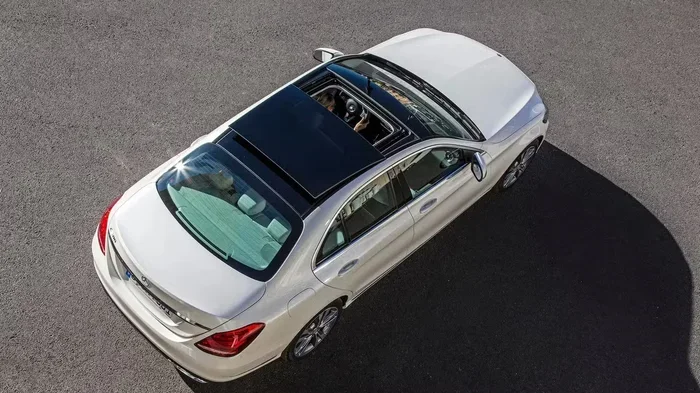
Panoramic roofs cover a large portion of the roof, sometimes the entire top. They are made of multiple glass panels. These are common in modern SUVs and luxury sedans. While they look amazing, they are more complex and can be pricier to repair.
Moonroofs
A moonroof is a tinted glass panel that slides between the roof and headliner. Unlike a pop-up, it does not remove. Most modern cars with a “sunroof” actually have a moonroof. They are common in today’s vehicles.
What to Check Before Buying a Used Sunroof Car
Inspect the Sunroof Glass
The sunroof glass is the first thing you should examine. Look for cracks, chips, or scratches. Even small chips can grow into big cracks over time. Replacements for sunroof glass are expensive, often costing several hundred dollars.
Hold a flashlight near the glass and look for stress lines. These thin lines suggest the glass has been under pressure. They might not be visible from the outside, so check carefully.
Examine the Seals and Rubber Gaskets
The rubber seal around the sunroof is critical. It keeps water out and holds the glass in place. Old or worn seals are one of the most common problems with second hand sunroof cars.
Here is what to look for:
- Cracks or tears: Run your fingers along the seal. Feel for any gaps or hard spots.
- Discoloration: Sun-damaged seals turn white or grey. This means they are losing flexibility.
- Gaps: If the seal does not sit flush against the glass, water can leak in.
- Mold or moisture: Check the edges for mold, which signals past water leaks.
If the seals look worn, replacement costs typically range from 100 to 300 dollars. It is a repair you should budget for.
Test the Sunroof Motor and Tracks
During your test drive, open and close the sunroof several times. Listen for unusual sounds. A healthy sunroof motor should operate smoothly and quietly.
Watch for these warning signs:
- Sticking or jerky movement: This suggests a motor problem or track obstruction.
- Strange noises: Grinding or squealing means the motor is struggling.
- Partial opening: If the sunroof does not open fully, the tracks may be misaligned.
- No response at all: A dead motor is an expensive repair, often 400 to 800 dollars.
Also check the sunroof shade. It should slide in and out without catching. A stuck shade is a minor issue, but it can be annoying every day.
Check the Sunroof Drain System
Every sunroof has a drainage system. Small tubes carry water away from the car. Over time, these tubes can get clogged with leaves, dirt, or debris.
To check the drains, pour a small amount of water onto the sunroof seal area. Watch where the water goes. It should flow out through tubes near the doors or pillars. If water pools inside the car or drips onto the headliner, the drains are blocked.
Clearing clogged drains is usually inexpensive. But if water has been sitting inside the car for a long time, it can cause mold, rust, or electrical damage. These are much bigger problems.
Look for Signs of Water Damage
Water damage is the biggest risk with any sunroof car. Before you buy, check for these red flags:
- Stained or damp headliner: This is the most obvious sign of a past leak.
- Musty smell: A damp odor inside the car suggests moisture problems.
- Rust on the roof frame: Check around the sunroof edges for any rust spots.
- Mold on the ceiling: Black or green spots mean water has been present for a while.
- Foggy sunroof glass: Moisture trapped between glass layers means the seal has failed.
If you notice any of these signs, get a professional inspection before purchasing. Water damage can affect the car’s structure and electrical system over time.
Common Sunroof Problems and Their Costs
Leaking Sunroof
A leaking sunroof is the number one complaint among used sunroof car owners. The most common causes are worn seals, clogged drains, or a misaligned glass panel.
Here is a rough cost breakdown for sunroof leak repairs:
| Issue | Estimated Cost | Severity |
|---|---|---|
| Clogged drain | 50 to 100 dollars | Low |
| Worn seal replacement | 100 to 300 dollars | Medium |
| Misaligned glass | 200 to 500 dollars | Medium |
| Sunroof motor replacement | 400 to 800 dollars | High |
| Full sunroof replacement | 1,000 to 2,500 dollars | Very High |
These costs vary depending on your car model and the repair shop. Luxury vehicles with panoramic roofs tend to cost more to fix. Always ask for a detailed quote before agreeing to any work.
Sunroof Noise and Vibration
Some used sunroof cars develop noise or vibration at highway speeds. This usually happens when the seal is loose or the glass is slightly out of alignment.
Wind noise around the sunroof can be distracting and annoying. It might seem like a small issue, but it can make long drives uncomfortable. The fix often involves adjusting the seal or replacing worn weatherstripping.
Sunroof Won’t Open or Close
A sunroof that stops working can be caused by several things:
- Blown fuse: The simplest fix. Replacing a fuse costs just a few dollars.
- Faulty switch: The control switch may need replacement. This runs 50 to 150 dollars.
- Motor failure: The motor wears out over time. Replacement is the priciest option.
- Track obstruction: Debris in the track can block movement. Cleaning it is usually free or low cost.
Before assuming the worst, try resetting the sunroof system. Many cars have a reset procedure in the owner’s manual. This simple step fixes many sunroof issues.
Top Models to Consider When Buying Second Hand Sunroof Cars
Reliable Sunroof Car Brands
Not all car brands are equal when it comes to sunroof reliability. Some manufacturers are known for building sunroofs that last. Others have a history of problems.
Here are some brands that generally offer reliable second hand sunroof cars:
- Toyota: Known for durability. Their sunroof systems are simple and long-lasting.
- Honda: Solid build quality. Honda sunroofs rarely give major problems.
- Mazda: Great value in the used market. Their sunroof cars are well-built.
- Subaru: Many models come with sunroofs as standard. They tend to hold up well.
- Ford: Popular SUVs with panoramic roofs. Check specific model years for known issues.
Always research the specific model year before buying. Some years had known sunroof recalls or common defects. A quick search online can save you from a costly mistake.
Best Value Models in the Used Market
If you want the most bang for your buck, consider these popular used sunroof cars:
- Toyota RAV4: Reliable, spacious, and many come with a panoramic roof.
- Honda CR-V: A practical SUV with a well-designed sunroof system.
- Mazda CX-5: Stylish and fun to drive. Sunroof models are widely available.
- Ford Mustang: A sporty coupe with a popular spoiler sunroof option.
- Nissan Altima: An affordable sedan with a moonroof that works well.
These models have strong resale value and good reliability. Finding replacement parts for them is also easy and affordable.
Sunroof Maintenance Tips for Used Car Owners
Clean the Sunroof Regularly
Dirt and debris are the enemies of any sunroof. Leaves, dust, and grit can scratch the glass and clog the drains. Make it a habit to clean the sunroof area every time you wash your car.
Use a soft cloth and a gentle cleaner. Avoid harsh chemicals that can damage the rubber seal. A simple mix of mild soap and water works great.
Lubricate the Tracks and Seals
Every few months, apply a silicone-based lubricant to the sunroof tracks. This keeps the movement smooth and prevents wear. You can also apply a rubber conditioner to the seals to keep them flexible.
Avoid using petroleum-based products on rubber seals. They can cause the rubber to dry out and crack over time. Stick with products designed specifically for automotive rubber.
Clear the Drains Twice a Year
Clogged drains are the leading cause of sunroof leaks. To prevent this, clear the drain tubes at least twice a year — once in spring and once in fall.
Use a small wire or compressed air to gently clear the drain openings. You can also pour a little water through the tubes to make sure they flow freely. This simple 10-minute task can save you hundreds of dollars in repairs.
Handle the Sunroof With Care
Treat your sunroof gently. Do not force it open or closed if it feels stuck. Check for obstacles on the track first. Forcing a stuck sunroof can damage the motor or break the glass.
Also, avoid opening the sunroof in freezing temperatures. Ice can prevent the glass from moving properly and may damage the motor. Let the car warm up first before operating the sunroof in cold weather.
Where to Find the Best Second Hand Sunroof Cars
Online Marketplaces
The internet is your best friend when shopping for a used sunroof car. Websites like AutoTrader, CarGurus, and CarMax let you filter by sunroof type and price range. You can compare many options from the comfort of your home.
When shopping online, always ask the seller for detailed photos of the sunroof. Look closely at the glass, seals, and tracks. If the seller avoids answering questions about the sunroof, that is a red flag.
Certified Pre-Owned Programs
Certified pre-owned (CPO) programs from dealerships offer extra protection. These vehicles go through a thorough inspection before being sold. Many CPO programs include a sunroof warranty as part of the certification.
The downside is that CPO cars cost more than private-party sales. But the peace of mind is often worth the extra money. You reduce the risk of buying a second hand sunroof car with hidden problems.
Private Sales and Auctions
Buying from a private seller can save you the most money. But it also comes with more risk. You do not have a dealer warranty to fall back on.
If you buy at an auction, inspect the car as thoroughly as possible before bidding. Auctions often sell vehicles as-is, meaning you take on all the risk. Bring a mechanic with you if the auction allows pre-bid inspections.
Common Mistakes to Avoid When Buying a Used Sunroof Car
Skipping the Test Drive
Never buy a sunroof car without testing the sunroof yourself. Pictures and descriptions from the seller are not enough. Open and close the sunroof during the test drive. Check every function, including the shade, tilt, and slide features.
Ignoring the Service History
A car’s service history tells you a lot about how it was maintained. Ask the seller for records of any sunroof repairs or servicing. If the car has no records, factor that uncertainty into your offer price.
Overlooking Insurance and Registration Costs
Some people forget that insurance premiums can be higher for certain models. Before you buy, get an insurance quote for the specific vehicle. This helps you budget for the full cost of ownership.
Buying Based on Looks Alone
A sunroof makes a car look great. But looks can be deceiving. A car with a sunroof that leaks or has a broken motor is not a good deal no matter how nice it looks. Always focus on function over appearance.
Final Thoughts on Buying Second Hand Sunroof Cars
A second hand sunroof car can be one of the most enjoyable vehicles you will ever own. The feeling of sunlight pouring through the glass on a clear day is hard to beat. It adds value, comfort, and style to any ride.
But smart buying is the key. Take your time. Inspect every part of the sunroof system. Ask questions. Get a professional inspection if you are unsure. These steps protect you from expensive surprises down the road.
Remember, a sunroof car is only a great deal if it is in good working condition. The maintenance tips in this guide will help you keep your sunroof running smoothly for years. With the right approach, you can enjoy the open-air experience without breaking the bank.
So go ahead and start your search. The perfect used sunroof car is out there waiting for you. Happy hunting.
Frequently Asked Questions
Are second hand sunroof cars worth the extra cost?
Yes, they can be. A sunroof adds comfort, style, and resale value. However, you should factor in potential repair costs. Always get a pre-purchase inspection to make sure the sunroof is in good working order before you buy.
How much does it cost to replace a sunroof in a used car?
Replacement costs vary widely. A simple seal fix may cost 100 to 300 dollars. A full sunroof motor replacement runs 400 to 800 dollars. Replacing the entire sunroof unit can cost 1,000 to 2,500 dollars. Get multiple quotes from trusted repair shops.
Can I repair a sunroof leak myself?
Minor leaks caused by clogged drains can often be fixed at home. Clearing the drain tubes with a wire or compressed air is simple and free. For leaks caused by worn seals or cracked glass, professional repair is recommended.
What is the difference between a sunroof and a moonroof?
A sunroof is typically a tilting or removable panel that lets in air and light. A moonroof is a fixed tinted glass panel that slides between the roof and headliner. Most modern cars marketed as having a sunroof actually have a moonroof.
How often should I maintain my sunroof?
Clean the sunroof and lubricate the tracks every three to six months. Clear the drain tubes at least twice a year. Regular maintenance prevents most common sunroof problems and extends the life of the system.
Do sunroof cars have lower resale value?
Generally, sunroof cars hold their value better than similar models without one. Many buyers see a sunroof as a desirable feature. However, a sunroof with known problems can hurt resale value, so always keep the sunroof well-maintained.