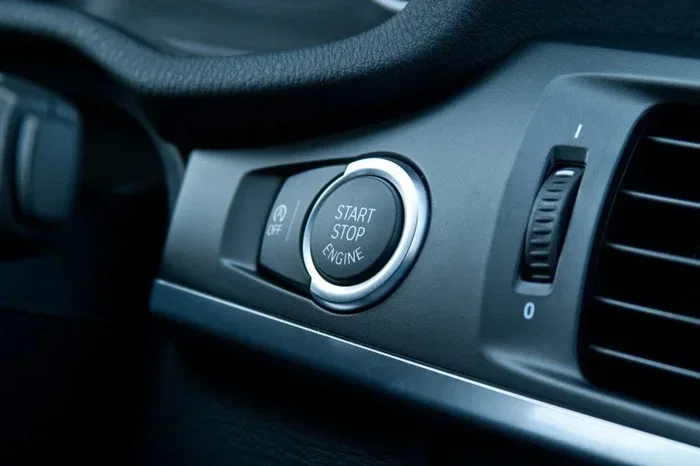
Can You Add Remote Start to a Car With Push Button Start
Yes, you can add remote start to a car with push button start using an aftermarket remote start kit and a bypass module. This guide covers vehicle compatibility, step-by-step installation, safety tips, and costs so you can enjoy keyless convenience without guesswork.
So, can you add remote start to a car with push button start? The short answer is yes. But it’s not always a simple plug-and-play job. Modern vehicles with keyless ignition use sophisticated security systems. You’ll need the right remote start kit, a bypass module, and some know-how. This guide walks you through everything you need to know.
Whether you want to warm up your car on a cold morning or cool it down in summer, remote start adds serious convenience. I’ll explain how push button start systems work, what components you need, and how to avoid common mistakes. By the end, you’ll know if a DIY install is possible or if you should call a pro.
Key Takeaways
- Compatibility Check: Most push button start cars can support remote start with the right bypass module and aftermarket kit.
- Two Main Options: Choose between factory remote start (if available) or an aftermarket system for older models.
- Bypass Module is Essential: It tricks the immobilizer and allows the engine to start remotely without a physical key.
- Safety First: Always ensure neutral safety switch and parking brake interlocks are properly wired.
- Professional vs DIY: Complex wiring makes professional installation recommended for most owners.
- Cost Range: Expect $150–$500 for a kit and $100–$300 for installation, depending on vehicle complexity.
📑 Table of Contents
- How Push Button Start Cars Work
- Can You Add Remote Start to a Push Button Start Car?
- How to Choose the Right Remote Start Kit for Your Vehicle
- Key Components You’ll Need
- Installation Options: DIY vs Professional
- Safety and Security Considerations
- Cost Breakdown and Budget Tips
- Common Mistakes to Avoid
- Expert Insights: Why Remote Start Is Worth It
- Conclusion
How Push Button Start Cars Work
Understanding your car’s push button start system helps you see why adding remote start is tricky. Unlike traditional ignition with a key, these systems use a smart key or key fob. The car communicates with the fob via radio signals. When you press the engine start button, the system checks if the fob is inside the vehicle. If it is, the immobilizer disables and the engine starts.
This security feature is great for theft prevention. But it creates a problem for remote start. The car can’t detect the fob when you’re standing across the parking lot. So the engine will refuse to start. That’s where a bypass module comes in. It tricks the car into thinking the fob is present.
What Is a Bypass Module?
A bypass module is a small electronic device. It intercepts signals between the keyless entry system and the ignition switch. When you activate remote start, the module sends a simulated signal. The car’s computer thinks the smart key is nearby. The engine fires up and runs until you press the engine start button again or the timer expires.
Not all push button start cars need a bypass module. Some newer vehicles have a factory remote start option built into the key fob. But for most aftermarket setups, a bypass is essential. Always check your vehicle’s compatibility before buying a kit.
Can You Add Remote Start to a Push Button Start Car?
The good news is that most cars with push button ignition can support remote start. You just need the right approach. There are two main paths: factory remote start or an aftermarket system. Let’s break them down.
Factory Remote Start Options
Some manufacturers offer factory remote start as a factory option or dealer accessory. If your car came with a remote start button on the key fob, you’re all set. You can often activate it through the infotainment system. Check your owner’s manual for the “remote engine start” setting.
If your car didn’t come with this feature, you might still be able to add it through a dealer. They can sometimes flash the key fob and immobilizer to support remote start. This is the most seamless option. However, it’s usually the most expensive and not available for all models.
Aftermarket Remote Start Kits
For the rest of us, an aftermarket remote start kit is the way to go. These kits include a control module, a bypass module, and a remote transmitter. They work with almost any push button start vehicle. Popular brands include Compustar, Viper, and DroneMobile.
Aftermarket systems range from basic one-way remotes to advanced smartphone-controlled units. You can start your car from miles away using an app. Some kits also integrate with keyless entry and alarm systems. The installation is more involved, but the flexibility is worth it.
I’ll share a quick comparison of popular kits below.
| Kit Type | Range | Smartphone Control | Price Range |
|---|---|---|---|
| Basic One-Way Remote | 1,000–3,000 ft | No | $150–$250 |
| Two-Way Remote | 1–3 miles | No | $250–$400 |
| Smartphone-Enabled (4G) | Unlimited (via cellular) | Yes | $400–$800 |
Choose based on your needs. If you just want to warm up the car, a basic kit works fine. If you want to check if your car is cool before you get in, go for a two-way remote or smartphone control.
How to Choose the Right Remote Start Kit for Your Vehicle
Not all remote start kits are created equal. Your vehicle’s year, make, and model determine which kit will work best. A vehicle-specific kit comes with pre-programmed modules and plug-and-play harnesses. They save hours of wiring. Universal kits are cheaper but require more knowledge.
Consider how far you need the remote to reach. If you park in a large lot, a two-way remote with a 3-mile range is helpful. If you just want to start the car from your driveway, a basic one-way kit is sufficient. Also think about climate control. Some advanced kits let you turn on the heater or air conditioner before you get in the car.
Quick Tip: Always check if your vehicle has a CAN bus system. Many late-model cars use CAN bus for communication between modules. A cheap universal kit can cause error codes and electrical gremlins. Invest in a CAN bus-compatible bypass module to avoid headaches.
Key Components You’ll Need
Installing remote start on a push button start car isn’t just about the kit. You’ll need a few extra parts and tools. Here’s what to gather before you start.
- Remote Start Kit: Includes the main control module and remote transmitters.
- Bypass Module: Matches your vehicle’s immobilizer protocol. Many kits bundle this.
- Interface Harness: Plugs into the car’s wiring without cutting factory wires (if possible).
- Parking Brake Switch: Some vehicles require a bypass for the parking brake safety feature.
- Multimeter: For testing wires and ensuring correct connections.
- Wire Strippers and Connectors: For making clean, secure splices.
- Electrical Tape and Heat Shrink: To insulate connections and prevent shorts.
Always buy a kit designed for your vehicle’s year, make, and model. Universal kits require more wiring knowledge. Vehicle-specific kits come with pre-programmed modules and harnesses. They save hours of frustration.
Installation Options: DIY vs Professional
Can you install a remote start system yourself? Yes, but it’s not for everyone. DIY remote start saves money, but the wiring can be complex. A professional installation ensures everything works perfectly and safely.
DIY Remote Start Installation
If you’re comfortable with car electronics, you can do it. You’ll need a wiring diagram for your specific vehicle. Many online forums and YouTube tutorials walk you through the process step by step. Here’s a quick overview of the steps.
- Disconnect the negative battery terminal.
- Locate the ignition switch wires and accessory wires.
- Install the control module behind the dashboard.
- Wire the bypass module to the immobilizer antenna and ignition circuit.
- Connect the remote start relay to the starter motor circuit.
- Mount the parking brake and neutral safety switch interfaces.
- Reconnect the battery and test all functions.
- Program the remote transmitters and key fob.
Take your time. One wrong wire can damage the engine control unit or trigger the alarm system. If you’re unsure, stop and consult a professional.
Professional Installation
A professional installer will have the right tools and experience. They know how to handle push button start systems without triggering error codes. They can also integrate the remote start with your existing keyless entry and alarm. Expect to pay $100–$300 for labor, depending on your location and vehicle complexity.
Many shops offer lifetime warranties on their work. This gives you peace of mind. If your car is still under warranty, check with the dealer first. Adding an aftermarket system might void certain electronics warranties.
Safety and Security Considerations
Remote start is convenient, but safety must come first. A car running unattended can be a target for thieves. Modern systems include several safety features to prevent misuse.
Immobilizer Bypass and Transponder Keys
The immobilizer prevents hot-wiring. When you add remote start, you must bypass it safely. The bypass module does this by mimicking the transponder key signal. It’s like lending the car a fake ID that the ignition switch accepts. This is safe when done correctly, but a poor install can leave your car vulnerable.
Always use a bypass module that matches your vehicle’s transponder chip type. Some cars use rolling codes that change every time you press the button. Cheap bypass modules can’t handle this. They’ll cause the engine start button to fail or the alarm to trigger.
Parking Brake and Neutral Safety Switch
Your car won’t start unless the parking brake is engaged and the transmission is in Park (or Neutral for manuals). Remote start must enforce these rules. A good remote start kit includes a parking brake interface that senses if the brake is pulled.
For automatic transmissions, the system checks the neutral safety switch. If the car isn’t in Park, it won’t start remotely. This prevents accidental movement. For manual transmissions, some kits require a neutral safety switch bypass or a clutch pedal switch. Never skip this step—it’s a major safety feature.
Carbon Monoxide and Ventilation
Never remote start your car in an enclosed space like a garage. Even with the garage door open, exhaust can build up. Carbon monoxide is odorless and deadly. Always start your car in a well-ventilated area. Most modern remote start systems have a timer that shuts the engine off after 10–15 minutes if the parking brake isn’t engaged or the doors aren’t unlocked.
Cost Breakdown and Budget Tips
Adding remote start to a push button start car doesn’t have to break the bank. But costs vary widely based on kit quality and installation method.
Kit Prices
- Basic One-Way Kit: $100–$200. Good for short-range remote start. No smartphone control.
- Two-Way Remote Kit: $200–$400. You get confirmation that the car started. Longer range.
- Smartphone-Enabled Kit: $400–$800. Start your car from anywhere. Often includes GPS tracking and climate control pre-conditioning.
Installation Costs
Professional installation typically costs $100–$300. Complex vehicles with CAN bus systems or steering column locks may cost more. DIY installation costs nothing but your time and a few tools.
Budget tip: Buy a kit with a lifetime warranty on the control module. This protects you if something fails. Also, ask the installer for a written quote upfront. Some shops charge extra for bypass module programming or wiring harness modifications.
Common Mistakes to Avoid
Even experienced DIYers make mistakes. Here are the most common ones when adding remote start to a push button start car.
- Skipping the Bypass Module: Without it, the immobilizer will block the engine. The car won’t start remotely.
- Ignoring the Parking Brake: If you don’t wire the parking brake switch correctly, the system may not start or may start in gear.
- Using a Universal Kit on a CAN-Bus Vehicle: Many modern cars use CAN bus communication. A cheap universal kit can cause error codes and electrical gremlins.
- Cutting Factory Wires Without a Diagram: Always use a wiring diagram specific to your vehicle. Cutting the wrong wire can disable power windows or the radio.
- Forgetting to Program the Transponder: The bypass module must be programmed to recognize your key fob. If you skip this, the car will crank but not run.
- Remote Starting in Enclosed Spaces: This is a safety hazard, not just a mistake. Always start outdoors.
Take your time and double-check every connection. A few extra minutes of testing can save hundreds of dollars in repairs.
Expert Insights: Why Remote Start Is Worth It
Many car owners hesitate to add remote start because they worry about complexity or cost. But the benefits are real. You get a pre-warmed or pre-cooled cabin every time you step outside. In cold climates, this reduces wear on the engine by letting the oil circulate before you drive. In hot climates, it cools the interior before you touch the steering wheel.
Expert Tip: Look for a remote start system with a tachometer-based start feature. It monitors the engine’s RPM to confirm a successful start. If the engine doesn’t fire, the system shuts down automatically. This prevents flooding and protects the starter motor.
Remote start also adds resale value. Many buyers consider it a must-have feature. A clean, professional installation can make your car more attractive on the used market. Just be sure to keep all original components so you can revert the car to stock if needed.
Conclusion
So, can you add remote start to a car with push button start? Absolutely. With the right aftermarket kit, a proper bypass module, and careful installation, you can enjoy all the benefits of remote start. Whether you choose a simple two-way remote or a full smartphone-controlled system, the key is compatibility and safety.
Always check your vehicle’s factory options first. If factory remote start isn’t available, an aftermarket system is a proven solution. Weigh the cost of DIY versus professional installation. And never compromise on safety features like the parking brake and neutral safety switch interlocks.
Now you have the knowledge to make an informed decision. Start your research, pick a kit, and enjoy the comfort of a pre-conditioned car every morning. Remote start is a game-changer for push button start vehicles. Give it a try and feel the difference.
Frequently Asked Questions
Will adding a remote start void my car’s warranty?
It might, if the installation causes damage. Use a vehicle-specific kit and a professional installer to minimize risk. Always check your warranty terms before making any modifications.
Can I install a remote start myself if I have no car electronics experience?
It’s not recommended. Push button start systems involve complex wiring and immobilizer protocols. A mistake can damage the engine control unit. Stick to professional installation if you’re unsure.
How far can I remote start my car?
Basic one-way remotes reach 1,000–3,000 feet. Two-way remotes work up to 3 miles. Smartphone-controlled systems have unlimited range as long as you have cellular signal.
Does remote start waste a lot of gas?
Not significantly. A typical remote start session lasts 10–15 minutes. The fuel used is minimal compared to the comfort of a warm car. Modern engines also warm up faster when driven.
Can I remote start a manual transmission car?
Yes, but it requires a clutch pedal switch or neutral safety switch bypass. The system ensures the car is in neutral before starting remotely. Always follow the kit’s manual for manual transmission setups.
Is a bypass module legal?
Yes, bypass modules are legal for use with aftermarket remote start systems. They simply allow the engine to start without the physical key present. They do not disable any safety features when installed correctly.