North Dakota Window Tint Law Explained for Everyone
The North Dakota window tint law sets clear rules for how dark or reflective your car windows can be. Understanding these rules helps you stay compliant and avoid expensive fines. This guide covers legal tint percentages, medical exemptions, and installation requirements so you know exactly what is allowed on every window of your vehicle.
If you own a car in North Dakota, you have probably thought about adding window tint. Maybe you want to keep your car cooler in the summer. Maybe you like the look of a tinted vehicle. Or maybe you need protection from the sun’s harmful rays. Whatever your reason, there is one thing you must know before you tint your windows. The North Dakota Window Tint Law sets specific rules that every car owner must follow. Ignoring these rules can lead to fines, failed inspections, and even having to remove your tint altogether.
This guide breaks down everything you need to know about the North Dakota Window Tint Law. We will cover legal tint limits, medical exemptions, installation rules, and what happens if you get pulled over for a tint violation. Whether you are thinking about tinting your car for the first time or already have tint installed, this article will help you stay on the right side of the law. Let us dive in and make sure you are fully informed.
Key Takeaways
- Legal tint limits vary by window: The windshield allows a non-reflective strip on the top, while front side windows must allow more than 50% light transmission.
- Rear windows have more flexibility: Both rear side windows and the back window can be tinted darker than front windows in North Dakota.
- Medical exemptions are available: Individuals with specific health conditions can apply for a tint exemption certificate through the state.
- Reflective tint is restricted: North Dakota law limits the use of metallic or reflective tint on certain windows.
- Tint tickets carry fines: Violating window tinting regulations can result in fines and failed vehicle inspections.
- Professional installation helps compliance: Working with certified tint installers reduces the risk of non-compliance issues.
📑 Table of Contents
What Is the North Dakota Window Tint Law?
The North Dakota Window Tint Law is a set of regulations that controls how dark and how reflective vehicle windows can be. These rules are part of the state vehicle code and are enforced by law enforcement officers during traffic stops and vehicle inspections. The purpose of these rules is to ensure driver safety, maintain visibility, and allow police to see inside vehicles when needed.
Why Does Window Tint Regulation Exist?
Window tinting regulations exist for several important reasons. First, overly dark tint can reduce a driver’s ability to see the road, especially at night or in poor weather. Second, law enforcement officers need to see inside vehicles to identify threats or verify occupancy during stops. Third, reflective tint can create glare that distracts other drivers on the road. The North Dakota Window Tint Law balances personal preference with public safety concerns.
Who Enforces These Rules?
Local police officers and state troopers enforce the North Dakota Window Tint Law during routine traffic stops. Vehicle inspection stations also check tint compliance as part of the annual safety inspection process. If your tint does not meet the legal requirements, you may be cited and required to fix the issue before your vehicle can pass inspection.
Legal Tint Limits by Window
Understanding the specific tint limits for each window is the most important part of the North Dakota Window Tint Law. The rules are different for each window, and knowing them helps you choose the right tint for your vehicle. Let us break it down window by window.
Windshield Tint Rules
In North Dakota, the windshield has the strictest tinting rules. You are allowed to apply a non-reflective tint strip to the top of the windshield. This strip must be above the manufacturer’s AS-1 line or the top five inches of the windshield, whichever is less. The tint strip cannot be reflective, and it must allow a high percentage of light to pass through. No other part of the windshield can be tinted. This rule is designed to keep the driver’s view of the road clear and unobstructed.
Front Side Window Regulations
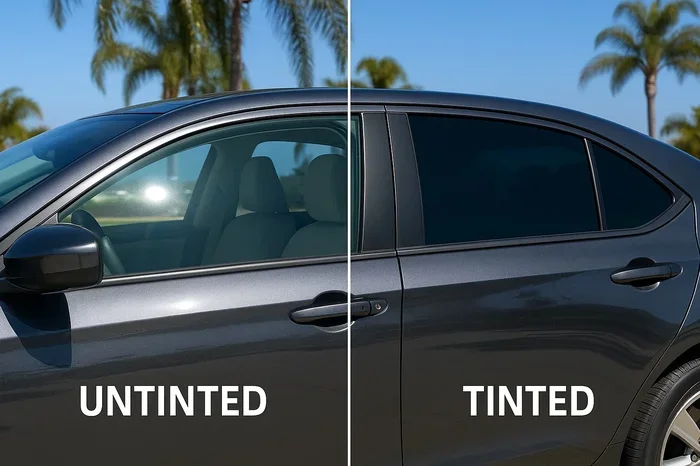
The front side windows on your vehicle must allow at least 50% of visible light to pass through. This measurement is known as Visible Light Transmission, or VLT. In simple terms, at least half of the light that hits the window must be able to come through. This ensures that the driver and front passenger have good visibility from inside the vehicle. Aftermarket tint that darkens the front side windows beyond this limit is not legal in North Dakota.
Rear Side and Back Window Rules
Here is where you have more flexibility. The rear side windows and the back window can be tinted darker than the front windows. North Dakota law does not set a specific minimum VLT percentage for these windows. This means you can choose a darker tint for the rear of your vehicle. However, if your rear windows are tinted, your vehicle must have dual side mirrors to compensate for reduced rear visibility. This is an important rule that many people overlook when they are choosing car window film.
Understanding VLT Percentages
VLT stands for Visible Light Transmission, and it is the standard measurement used in tint darkness limits. The higher the VLT percentage, the more light passes through the window. For example, a tint with 70% VLT is very light and almost invisible. A tint with 35% VLT is much darker. When you are shopping for aftermarket tint, always ask the installer about the VLT percentage of the film they use. This ensures you choose a tint that meets the North Dakota Window Tint Law requirements for your specific window.
Reflective Tint Restrictions
North Dakota law places limits on reflective tint. The front side windows cannot have a reflective or metallic finish. Reflective tint can create a mirror-like effect that blinds other drivers, especially during sunrise and sunset. The rear side windows and back window also have restrictions on reflectivity. If you are considering a metallic or ceramic tint, make sure your installer confirms that it meets the state’s reflectivity standards. Choosing the right car window film with proper certification helps you avoid legal issues down the road.
| Window | Legal Tint Limit | Reflective Tint Allowed? |
|---|---|---|
| Windshield | Non-reflective strip on top only | No |
| Front Side Windows | Minimum 50% VLT | No |
| Rear Side Windows | No specific minimum VLT | Restrictions apply |
| Back Window | No specific minimum VLT | Restrictions apply |
Medical Exemptions and Special Allowances
Not everyone can use standard tint darkness limits. Some people have medical conditions that make them extremely sensitive to sunlight. For these individuals, the North Dakota Window Tint Law includes provisions for medical exemptions. If you or a family member has a condition that requires limited sun exposure, you may qualify for a special exemption that allows darker tint than what is normally permitted.
Who Qualifies for a Medical Exemption?
Medical exemptions are typically granted for conditions such as lupus, eczema, photosensitivity disorders, and other skin or immune system conditions that are worsened by sun exposure. If you have a condition that makes you unusually sensitive to sunlight, you should talk to your doctor about whether a tint exemption is right for you. Your physician can provide documentation that supports your application for a tint exemption certificate.
How to Apply for an Exemption
To apply for a medical exemption, you will need a signed statement from a licensed physician. This statement should explain your condition and why darker window tint is medically necessary. You then submit this documentation to the North Dakota Department of Transportation or the relevant state agency. Once approved, you will receive a tint exemption certificate that you must keep in your vehicle at all times. During a law enforcement inspection, you can present this certificate to show that your tint is legally permitted despite being darker than standard limits.
Factory Tint vs. Aftermarket Tint
It is important to understand the difference between factory tint and aftermarket tint. Factory tint is the tint that comes built into the windows when you purchase a new vehicle. Aftermarket tint is the film that is applied to the windows after purchase. The North Dakota Window Tint Law applies to both types, but factory tint is often lighter than aftermarket tint. If your vehicle came with factory tint, check the VLT percentage to make sure it meets the legal requirements for each window. Adding aftermarket tint on top of factory tint can sometimes push the total darkness over the legal limit, so be mindful of this when you are making changes to your vehicle.
Tint Installation Rules and Regulations
Choosing the right tint is only part of the equation. How and where the tint is installed also matters under the North Dakota Window Tint Law. There are specific rules about tint installers, film certification, and labeling that vehicle owners should know about.
Certified Tint Installers
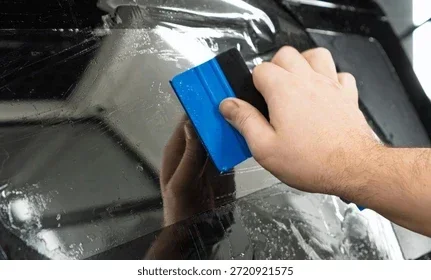
While North Dakota does not require all tint installers to be certified, working with a reputable and experienced installer is strongly recommended. A professional installer will know the legal tint limits and can help you choose a film that meets state requirements. They will also ensure that the tint is applied evenly without bubbles, peeling, or wrinkles. Poorly installed tint can affect visibility and may raise concerns during a law enforcement inspection. If you are looking for quality tint installation, ask your installer about their experience with North Dakota tinting regulations.
Manufacturer Certification Requirements
The film used for window tinting should be certified by the manufacturer. Certified tint films come with documentation that states the VLT percentage and other specifications. This documentation can be helpful if you are ever questioned about your tint during a traffic stop or inspection. When you purchase aftermarket tint, always ask the installer for proof of certification. This small step can save you a lot of trouble if you ever need to prove that your tint complies with the North Dakota Window Tint Law.
Tint Labeling and Stickers
Some states require tint shops to place a sticker on the tinted window to show that the tint is legal. While North Dakota may not have a specific sticker requirement, it is still a good practice to keep your tint purchase receipt and certification documents in your vehicle. These records can serve as proof of compliance if you are ever stopped by law enforcement. Keeping your paperwork organized shows that you have taken the time to understand and follow state law.
Common Mistakes People Make with Window Tint
Even with the best intentions, many car owners make mistakes when it comes to window tinting. These mistakes can lead to fines, the need to remove and replace tint, or failed vehicle inspections. Let us look at some of the most common errors and how you can avoid them.
Choosing the Wrong Tint Darkness
The most common mistake is selecting a tint that is too dark for the front side windows. Many people are attracted to very dark tints because they look sleek and provide excellent privacy. However, if the front side windows are tinted below 50% VLT, you are breaking the North Dakota Window Tint Law. Always confirm the VLT percentage of any tint you purchase, and make sure it meets the legal requirements for each specific window on your vehicle.
Ignoring State Inspection Requirements
North Dakota requires annual vehicle safety inspections. If your window tint does not meet the legal limits, your vehicle will fail the inspection. Many people do not realize that their tint is non-compliant until they go in for inspection. Before your inspection, have a professional check your tint to make sure it meets all state law compliance requirements. This simple step can save you time, money, and the frustration of a failed inspection.
Tinting the Windshield Improperly
Some people try to tint the entire windshield, which is strictly illegal in North Dakota. The only permitted tint on the windshield is the non-reflective strip at the top. If you have a full windshield tint, you will need to have it removed before your vehicle can pass inspection. Stick to the allowed windshield tint strip and you will stay on the right side of the law.
Overlooking Dual Mirror Requirements
If you tint your rear side windows or back window dark, you must have dual side mirrors on your vehicle. This is a requirement under the North Dakota Window Tint Law because heavily tinted rear windows reduce your ability to see behind you. Failing to have dual mirrors with dark rear tint can result in a citation. Make sure your vehicle is equipped with the proper mirrors before you apply dark tint to the rear windows.
What Happens If You Get a Tint Ticket?
Getting stopped for a tint violation is more common than you might think. Law enforcement officers in North Dakota are trained to identify non-compliant window tint during traffic stops. If your tint does not meet the legal requirements, you could face several consequences. Understanding what happens after a tint ticket can help you take the right steps if you ever find yourself in this situation.
Fines and Penalties
A tint ticket in North Dakota can result in a fine. The exact amount of the fine varies depending on the jurisdiction and the severity of the violation. In most cases, you will be given a citation and required to appear in court or pay the fine. Repeated violations may result in higher fines or additional penalties. The cost of a tint ticket can add up quickly, especially if you need to remove and replace your tint to comply with the law.
How to Fight a Tint Violation
If you believe your tint is compliant, you have the right to contest the ticket. Gather all documentation, including your tint exemption certificate if you have one, receipts from your tint purchase, and any certification documents from the installer. Presenting this evidence in court can help you prove that your tint meets the North Dakota Window Tint Law requirements. Consulting with a traffic attorney can also be helpful if you are considering challenging a tint violation.
How to Fix a Non-Compliant Tint
If your tint is found to be non-compliant, the most common solution is to have it removed or replaced with legal tint film. Work with a reputable tint installer who understands the North Dakota Window Tint Law and can apply film that meets the required VLT percentages. Once the tint is corrected, you can reschedule your vehicle inspection and move forward without further issues.
Final Thoughts on the North Dakota Window Tint Law
The North Dakota Window Tint Law is designed to keep drivers safe while still allowing people to customize their vehicles. By understanding the legal tint limits, medical exemption options, and installation requirements, you can enjoy tinted windows without worrying about fines or violations. Always check the VLT percentage of your tint, keep your exemption documents handy, and work with a professional installer who knows the state regulations.
Window tinting can offer real benefits, including reduced glare, better heat rejection, and UV protection for you and your passengers. As long as you follow the rules, you can enjoy all of these benefits while staying fully compliant with the law. Take the time to educate yourself, ask questions, and make informed decisions about your vehicle’s tint. A little knowledge goes a long way in keeping you safe, legal, and happy with your car’s appearance.
Whether you are tinting your car for the first time or replacing old tint, the North Dakota Window Tint Law should always be your starting point. Stay informed, stay compliant, and enjoy the ride.
Frequently Asked Questions
What is the legal tint percentage for front side windows in North Dakota?
The front side windows must allow at least 50% of visible light to pass through. This means the tint darkness cannot reduce the light transmission below 50% VLT. Any tint darker than this on the front side windows is not legal under the North Dakota Window Tint Law.
Can I tint my windshield in North Dakota?
Yes, but only the top strip of the windshield. The allowed tint strip must be non-reflective and must sit above the manufacturer’s AS-1 line or the top five inches of the windshield. Tinting the rest of the windshield is strictly prohibited.
How do I get a medical exemption for window tint in North Dakota?
You need a signed statement from a licensed physician explaining your medical condition and why darker tint is necessary. Submit this documentation to the North Dakota Department of Transportation. Once approved, you will receive a tint exemption certificate to keep in your vehicle at all times.
What happens if my tint fails a vehicle inspection?
If your tint does not meet the legal requirements, your vehicle will fail the safety inspection. You will need to have the tint removed or replaced with compliant film before you can pass the inspection and register your vehicle.
Is reflective tint legal in North Dakota?
Reflective or metallic tint is restricted on front side windows. The rear side windows and back window have some flexibility, but even then, excessive reflectivity is not allowed. Always check with your tint installer to confirm that the film you choose meets state reflectivity standards.
Do I need dual side mirrors if my rear windows are tinted?
Yes. If your rear side windows or back window are tinted darker than the factory standard, North Dakota law requires your vehicle to have dual side mirrors. This compensates for the reduced rear visibility caused by tinted rear windows.