How to Open a Fuel Door Manually If the Handle Breaks
Knowing how to open a fuel door manually if the handle breaks is an essential car maintenance skill every driver should have. Whether your fuel door handle snapped, jammed, or stopped working, there are several reliable methods to access your fuel tank without a trip to the mechanic. This guide walks you through safe, practical steps to manually open a stuck or broken fuel door, plus tips for prevention and replacement.
There you are, standing at the gas station with an empty tank and a broken fuel door handle. It’s one of those frustrating moments that can throw off your entire day. But here’s the good news — learning how to open a fuel door manually is easier than most people think. You don’t need to be a mechanic, and you definitely don’t need to call a tow truck for this fix.
Your car’s fuel door handle can break for all kinds of reasons. Cold weather can make plastic brittle. A minor accident can bend the latch. Over time, the spring mechanism inside the handle just wears out. Whatever the cause, the result is the same — you can’t open the fuel door the normal way. But your vehicle was designed with backup access methods for exactly this kind of situation.
This guide will show you every method you can use to manually open a broken fuel door. We’ll also cover how to replace the handle, prevent future problems, and know when it’s time to see a professional. By the end, you’ll feel confident handling this common car maintenance issue on your own.
Key Takeaways
- Manual fuel door access is simple: Most vehicles have a backup release method built into the trunk, rear seat, or fuel cap itself.
- You don’t need special tools: A flathead screwdriver, trim removal tool, or even a credit card can help in many cases.
- Safety first: Always turn off the engine and avoid sparks before opening the fuel door.
- Replacement handles are affordable: A new fuel door handle costs between $20 and $150 depending on your vehicle.
- Prevention goes a long way: Regular cleaning and lubrication can extend the life of your fuel door mechanism significantly.
- Know when to call a pro: If the fuel door release cable is damaged internally, professional repair may be the safest option.
📑 Table of Contents
Why Fuel Door Handles Break
Understanding why fuel door handles fail helps you prevent the problem in the future. Most fuel door handles are made of plastic or lightweight metal. They’re not built to take heavy abuse, and over time, they simply wear down. Here are the most common reasons a fuel door handle breaks.
Cold Weather and Brittle Plastic
If you live in a cold climate, you’ve probably noticed your car’s plastic parts becoming more fragile in winter. The fuel door handle is no exception. When temperatures drop, plastic contracts and becomes brittle. A simple bump or tug can cause it to crack or snap entirely. This is especially common in older vehicles that have been through many freeze-thaw cycles.
Wear and Tear Over Time
Every time you open your fuel door, the handle, latch, and spring mechanism all experience friction. Over thousands of uses, these parts gradually wear down. The spring loses tension, the latch becomes loose, and eventually the handle may break off completely. This is just normal wear and tear, but it can catch you off guard if you don’t notice the warning signs.
Accidents and Physical Damage
A minor fender bender, a shopping cart impact in the parking lot, or even someone leaning on the fuel door can cause damage to the handle or the surrounding panel. Sometimes the damage isn’t visible right away, but it weakens the structure until the handle finally fails.
Corrosion and Rust
Fuel doors on the underside of the vehicle or near the wheel well are especially vulnerable to road salt, moisture, and debris. Corrosion can eat away at the metal components of the handle and latch, making them weak and prone to breaking. Regular washing of the undercarriage can help prevent this.
How to Open a Fuel Door Manually: Step-by-Step Guide
Now let’s get into the meat of the matter. Here’s exactly how to open a fuel door manually when the handle is broken. The method you use depends on your vehicle, but most cars follow one of the approaches below.
Step 1: Park Safably and Turn Off the Engine
Before you do anything, pull your car to a safe, flat surface. Turn off the engine and remove the key from the ignition. This is a critical safety step. You’re working near the fuel tank, and you never want any risk of sparks or fuel fumes while the engine is running. If you’re at a gas station, move your vehicle to a safe spot away from other cars before attempting any of these methods.
Step 2: Check for a Trunk Release Cable
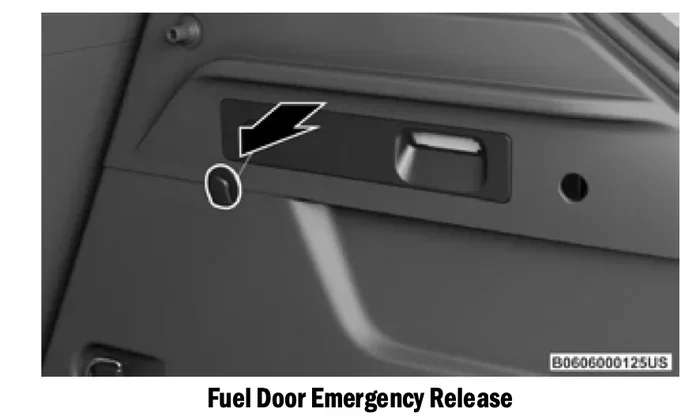
Many vehicles have a fuel door release cable that runs from the trunk interior or the rear seat area to the fuel door latch. This is your first line of defense. Open the trunk or rear hatch and look along the side wall for a small lever, cable, or tab labeled “fuel door” or marked with a fuel pump icon. Pull this cable gently, and the fuel door should pop open.
If you’re not sure where this release is located, check your owner’s manual. It will have a diagram showing the manual fuel door release mechanism for your specific model. This is one of those things you’ll be glad you looked up before you actually need it.
Step 3: Try the Fuel Door Release Button
Some newer vehicles have a button or touchscreen option to release the fuel door electronically. Check your dashboard controls, the center console, or the infotainment screen for a fuel door unlock option. On many modern cars, you can also use the key fob to remotely unlock the fuel door. Press and hold the unlock button, then try opening the fuel door manually.
Step 4: Use the Fuel Cap Itself
Here’s a trick many people don’t know. On some vehicles, you can actually open the fuel door by turning the fuel cap counterclockwise while applying gentle outward pressure on the door. The cap acts as a key that releases the latch. Try this method if the other approaches don’t work. Just turn slowly and don’t force it — you don’t want to damage the cap or the door.
Step 5: Manually Release the Latch with a Tool
If none of the above methods work, you may need to manually manipulate the latch mechanism. Open the trunk or rear seat to access the interior side of the fuel door. You’ll see the latch assembly connected to the release cable. Use a flathead screwdriver or a trim removal tool to carefully push or pull the latch arm toward the release position. Work slowly and gently to avoid damaging the surrounding trim or the latch itself.
This method requires a bit of patience. You may need to look at the mechanism from different angles to figure out which direction to move the latch. If you’re unsure, take a photo before you start so you can reference how everything fits back together.
Common Methods for Manual Fuel Door Access
Different vehicles use different systems for their fuel doors. Understanding which type your car has will help you choose the right manual opening method. Here’s a breakdown of the most common fuel door types and how to access them manually.
Cable-Release Fuel Doors
Cable-release fuel doors use a metal cable connected to a lever inside the trunk or cabin. When you pull the lever, the cable tugs on the latch and releases the door. If the handle breaks but the cable is still intact, you can simply pull the release lever directly. This is the easiest type to work with manually.
Electronic Fuel Doors
Electronic fuel doors use a motor or solenoid to release the latch. These are common in newer vehicles and luxury models. If the handle breaks on an electronic fuel door, you may still be able to unlock it using the key fob, dashboard controls, or a hidden manual override switch. Check your owner’s manual for the specific override procedure.
Key-Locked Fuel Doors
Some older vehicles have a fuel door that requires a key to open. The key slot is usually located on the fuel door itself or near the rear bumper. If your handle is broken but the lock mechanism is still functional, you can use the key to unlock and open the door manually. Keep your spare key in a safe place so you’re never caught without access.
Push-to-Release Fuel Doors
Many modern cars have fuel doors that simply push inward to pop open. These doors don’t have a traditional handle — they rely on a spring-loaded mechanism. If the spring fails, the door won’t open easily. In this case, you can usually use a trim removal tool or a flathead screwdriver to gently pry the door open at the bottom edge where the latch is located.
How to Replace a Broken Fuel Door Handle
Once you’ve successfully opened the fuel door manually, the next step is to replace the broken handle. Fortunately, this is a repair most car owners can handle themselves with basic tools. Here’s how to do it.
Gather Your Tools and Parts
Before you start, make sure you have everything you need. You’ll typically need a replacement fuel door handle specific to your vehicle make and model, a screwdriver set, a trim removal tool, and possibly a pair of pliers. Replacement handles are widely available online and at auto parts stores. Prices typically range from $20 to $150 depending on the vehicle and whether you choose OEM or aftermarket parts.
You should also consider checking whether your vehicle’s fuel system has any related components that might need attention. For example, understanding how your fuel system works — including components like fuel pumps — can help you identify if the handle failure is part of a larger issue. You can learn more about how fuel systems work in vehicles like the Dodge Charger here.
Remove the Broken Handle
Start by removing any trim panels around the fuel door area. Use your trim removal tool to carefully pry off clips and fasteners. Once you can see the handle assembly, locate the screws or bolts holding it in place. Remove them carefully and set them aside in a safe spot. Gently pull the broken handle away from the door panel. You may need to wiggle it a bit to disconnect any clips or tabs holding it in place.
Install the New Handle
Take your new replacement handle and align it with the mounting points on the fuel door. Secure it with the screws or bolts you removed earlier. Make sure the handle sits flush against the door panel and moves freely without obstruction. Reattach any trim panels you removed, making sure all clips are securely fastened.
Test the New Handle
Before you drive away, test the new handle several times. Open and close the fuel door to make sure the latch engages properly. Check that the handle feels firm and doesn’t wobble. If everything works smoothly, you’re all set. If the handle feels loose or the door doesn’t latch properly, double-check that all screws are tight and the trim panels are seated correctly.
As part of your overall vehicle maintenance routine, you might also want to review other fuel system components. For instance, learning about fuel injection and whether you can accidentally flood your engine is valuable knowledge. Check out this article on can you flood a fuel injected car to expand your understanding of fuel system safety.
Preventing Fuel Door Handle Failure
The best way to deal with a broken fuel door handle is to prevent it from happening in the first place. Here are some simple maintenance tips that can extend the life of your fuel door mechanism.
- Clean your fuel door regularly: Wipe down the handle and surrounding area to remove dirt, salt, and debris. Corrosion is one of the leading causes of handle failure, and regular cleaning goes a long way in preventing it.
- Lubricate the latch mechanism: Every few months, apply a small amount of silicone-based lubricant to the fuel door latch and hinge. This keeps the mechanism moving smoothly and reduces wear on the handle.
- Avoid leaning on the fuel door: It might feel convenient to rest your weight on the fuel door while loading groceries, but this puts unnecessary stress on the handle and latch. Keep pressure off the fuel door whenever possible.
- Address small problems early: If you notice the handle feeling loose or the fuel door taking longer to open, don’t ignore it. These are early warning signs that the mechanism is wearing out. Addressing them early can prevent a complete handle failure.
- Protect your car from extreme cold: If you live in a cold climate, try to park in a garage or covered area when possible. Keeping the fuel door and handle warm reduces the risk of the plastic becoming brittle and cracking.
When to Call a Professional
While opening a fuel door manually is usually a straightforward fix, there are situations where you should call in a professional. If the fuel door release cable is frayed, snapped, or damaged inside the housing, you may not be able to access it without specialized tools. Similarly, if the latch mechanism itself is bent or broken, a mechanic can replace it quickly and safely.
You should also consider professional help if you’ve tried all the manual methods and the fuel door still won’t open. Sometimes the problem is deeper than a broken handle — it could be a damaged fuel door hinge, a seized latch, or an issue with the fuel door release cable that runs through the body of the car. A qualified mechanic will have the experience and tools to diagnose and fix these issues without causing further damage.
If you’re planning any upgrades to your vehicle down the road, understanding your options for aftermarket parts and accessories can be helpful. You can explore upgrade possibilities here to see what’s available for your specific model.
It’s also worth noting that sometimes a broken fuel door handle can trigger warning lights or error codes on your dashboard. If you notice a check engine light or any unusual dashboard warnings after the handle breaks, you may need to manually clear your car codes after addressing the fuel door issue.
Quick Tips for Fuel Door Emergencies
Here are some quick tips to keep in mind for the next time you’re faced with a broken fuel door handle:
- Always carry your owner’s manual in the glove box or save a digital copy on your phone. It contains the exact manual release procedure for your vehicle.
- Keep a trim removal tool in your emergency kit. These small, inexpensive tools can save you a lot of trouble when you need to access hidden latches or panels.
- Don’t force anything. If a method isn’t working, stop and reassess. Forcing a stuck fuel door can cause damage to the latch, the door panel, or the fuel tank area.
- Keep a spare fuel door handle in your trunk. If you know your vehicle’s handle is old or showing signs of wear, having a replacement on hand means you can fix it on the spot.
- Document the process. Take photos as you work so you can reference how everything fits back together during reassembly.
Key Takeaways
- Know your vehicle’s manual release method: Most cars have a trunk lever, button, or fuel cap trick that lets you open the fuel door even when the handle is broken.
- Work carefully and patiently: Forcing components can cause more damage and lead to costlier repairs.
- Replacement handles are affordable and easy to install: Most drivers can swap out a broken handle in under 30 minutes with basic tools.
- Regular maintenance prevents failures: Cleaning and lubricating the fuel door mechanism a few times a year can add years of reliable service.
- Don’t hesitate to call a professional: If the problem is beyond a simple handle replacement, a mechanic can diagnose and fix it safely.
- Understanding your fuel system helps: Knowing how components like fuel pumps and fuel injection systems work gives you a bigger picture of your vehicle’s maintenance needs.
Conclusion
Dealing with a broken fuel door handle is never fun, but it’s almost never a serious problem. As we’ve covered in this guide, learning how to open a fuel door manually is a straightforward process that most car owners can handle in minutes. Whether you pull the release cable from the trunk, use the fuel cap as a key, or manually manipulate the latch with a screwdriver, you have options.
The key is to stay calm, work carefully, and follow the steps outlined above. Once you’ve opened the door, replacing the handle is a simple DIY repair that saves you time and money. And with regular maintenance and a little prevention, you can avoid this frustrating situation altogether.
Remember, your vehicle was designed with backup access methods for exactly these kinds of situations. Trust the process, take your time, and you’ll have that fuel door open and your tank filled in no time. Keep this guide bookmarked for future reference, and share it with a friend who might find it helpful the next time they’re standing at the pump with a broken handle.
Frequently Asked Questions
Can I still fill up my gas tank if the fuel door handle is broken?
Yes, you can. Most vehicles have a manual release method that lets you open the fuel door even when the handle is completely broken. Check your trunk or rear seat area for a release cable, try using your key fob, or use the fuel cap itself to pop the door open. Once the door is open, you can fill up normally.
How much does it cost to replace a fuel door handle?
Replacement fuel door handles typically cost between $20 and $150 for the part alone. If you take your car to a mechanic for the repair, labor costs may add $50 to $100 depending on your location and vehicle model. Doing it yourself with basic tools saves you the labor cost entirely.
Is it safe to manually force open a fuel door?
It can be safe if you’re gentle and use the right method. Never use excessive force, as this can damage the latch, hinge, or fuel door panel. Start with the recommended manual release methods like the trunk cable or fuel cap trick before attempting to pry the door open with a tool.
Why does my fuel door handle keep breaking?
Repeated handle breakage usually points to an underlying issue. It could be corrosion from road salt, a weak spring mechanism, or a latch that’s misaligned. If your handle has broken more than once, have a mechanic inspect the entire fuel door assembly to identify and fix the root cause.
Can cold weather cause a fuel door handle to break?
Yes, cold weather is a common culprit. Low temperatures make plastic components brittle and prone to cracking. If you live in a cold climate, parking in a garage and regularly lubricating the fuel door mechanism can help prevent cold-weather breakage.
What should I do if the fuel door release cable is broken?
A broken release cable requires a bit more mechanical knowledge to fix. You can manually access the latch from inside the trunk or rear seat area and manipulate it directly. However, if the cable is frayed or snapped inside the housing, it’s best to have a professional replace it to avoid damaging other components.