How to Change Wiper Blades on Your Mitsubishi Outlander
Changing wiper blades on your Mitsubishi Outlander is a quick DIY job that saves money and keeps you safe. This guide covers the exact steps, the right blade size, and common mistakes to avoid. You’ll have clear visibility in under 15 minutes with our how to change wiper blades on Mitsubishi Outlander instructions.
If you’ve ever been caught in a sudden downpour and your wipers are smearing rain across the glass, you know how scary that can be. How to change wiper blades on Mitsubishi Outlander is one of the simplest maintenance tasks you can do at home. It takes just a few minutes and costs a fraction of what a shop would charge.
Your Mitsubishi Outlander is built for adventure, whether you’re commuting through city rain or heading out on a weekend trail. But even the best SUV can’t see clearly with worn-out wipers. In this guide, I’ll walk you through the entire process, from picking the right blade size to finishing the job like a pro.
I’ll also share some quick tips, common mistakes to avoid, and when it’s time to replace your blades. By the end, you’ll feel confident tackling this job yourself. Let’s get started.
Key Takeaways
- Know your size: The Mitsubishi Outlander typically uses a 26-inch driver and 18-inch passenger blade, but always double-check your model year.
- Pick the right type: Beam blades offer the best performance and durability for most drivers.
- Safety first: Always turn off the ignition and wait for the wipers to park fully before starting.
- Avoid common mistakes: Never force the old blade off, and make sure the new blade clicks securely onto the arm.
- Maintain for longevity: Clean the rubber edge and lift blades in freezing weather to extend their life.
- Replace on schedule: Change wiper blades every 6 to 12 months, or sooner if you notice streaking.
📑 Table of Contents
- Why Fresh Wiper Blades Matter for Your Outlander
- Gathering Your Tools and Finding the Right Blades
- Step-by-Step Guide to Replacing Wiper Blades
- Common Mistakes to Avoid When Changing Wiper Blades
- Expert Tips for Longer-Lasting Wiper Performance
- When to Replace Your Wiper Blades (and How Often)
- Conclusion
Why Fresh Wiper Blades Matter for Your Outlander
Wiper blades are the unsung heroes of safe driving. They clear rain, snow, mud, and dust from your windshield so you can see the road. Over time, the rubber squeegee hardens, cracks, and loses its flexibility. When that happens, you get streaks, smears, and annoying chatter on the glass.
Driving with worn wipers isn’t just an annoyance—it’s a safety hazard. Driving visibility drops significantly in bad weather when your blades can’t make proper contact. Studies show that impaired visibility contributes to a surprising number of accidents, especially during heavy rain or snowstorms.
Another reason to stay on top of replacement is protecting your windshield. A worn blade can let the metal frame or hard plastic backing scrape across the glass. These tiny scratches build up over time and can permanently obscure your view. Replacing a windshield wiper blade is cheap; repairing a scratched windshield is not.
Quick Tip: After you install new blades, take a moment to clean the inside of your windscreen with a glass cleaner. This removes any oils or residue that can cause the new blades to streak right away.
Expert Insight: Many drivers don’t realize that the Mitsubishi Outlander can tow a camper or trailer, which means it often faces more road grime and insects. If you’ve ever wondered what your Outlander can tow, just know that those adventures also mean your wipers work harder. Keep them in top shape for clear visibility on every trip.
The Safety Factor
Clear vision is the foundation of safe driving. When you’re on the highway and a truck kicks up spray, you need wipers that work instantly. Old blades can lag, skip, or fail entirely. That delay of just one second can be the difference between a safe stop and a collision.
Rain-sensing wipers are a great feature on newer Outlander models, but even those systems rely on a clean, functional blade to do their job. If the rubber is worn, the sensor can’t read the windshield properly, and the system may not activate when you need it most.
How Worn Blades Damage Your Windshield
A conventional wiper blade has a metal frame with rubber edges. As the rubber ages, it becomes brittle and loses its flexibility. The frame can then press unevenly against the glass. You might see small scratches that look like a spiderweb. These marks collect dirt and make it harder to see at night when headlights hit the windshield.
Beam blades, which I’ll cover in the next section, don’t have exposed metal frames. They use a single piece of stamped steel covered in rubber. This design reduces the risk of windshield damage and provides even pressure across the blade. For the Mitsubishi Outlander, beam blades are often the best choice.
Gathering Your Tools and Finding the Right Blades
Before you start, make sure you have everything you need. The good news is that you don’t need any special tools—just a few minutes and the right replacement parts.
What You’ll Need
- The correct wiper blade size for your Outlander (driver and passenger sides may differ).
- A clean microfiber cloth or rag.
- Windshield washer fluid (optional, but handy for cleaning the blade after installation).
- A pair of gloves if you want to keep your hands clean.
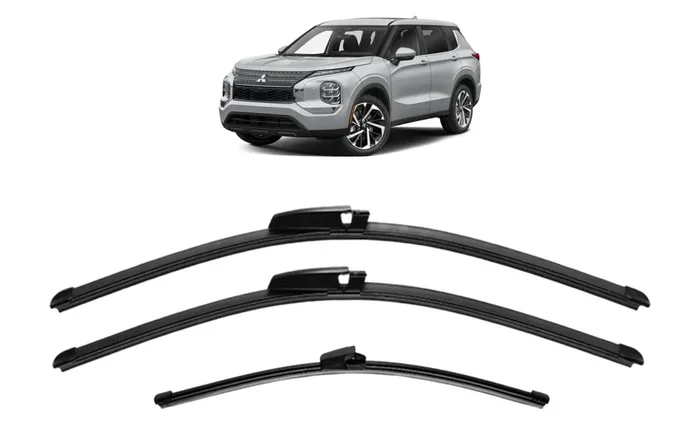
Finding the right blade is easy. Check your owner’s manual for the exact outlander wiper size. Most models use a 26-inch blade on the driver side and an 18-inch blade on the passenger side. However, sizes can vary by model year, so always verify before you order.
Understanding Wiper Blade Types for the Outlander
When you shop for replacement blades, you’ll see several options. Here’s a quick comparison to help you choose.
| Blade Type | Best For | Pros | Cons |
|---|---|---|---|
| Conventional Wiper | Budget-conscious drivers | Affordable, widely available | Metal frame can scratch glass, more prone to ice buildup |
| Beam Blade | Most Outlander owners | Sleek design, even pressure, less ice collection, longer life | Slightly higher cost |
| Winter Wiper | Cold climates with heavy snow | Rubber boot protects against ice, great for winter storms | Bulkier, not ideal for year-round use in mild climates |
| All-Season Wiper | Year-round use | Good balance of rain and light snow performance | Not as specialized as dedicated winter blades |
For most Mitsubishi Outlander owners, a beam blade is the sweet spot. It offers excellent driving visibility in rain and snow, and it lasts longer than a conventional wiper. If you live in an area with harsh winters, a dedicated winter wiper for the driver side can be a smart addition.
OEM vs Aftermarket Blades
You can buy OEM (Original Equipment Manufacturer) blades that carry the Mitsubishi logo, or you can choose aftermarket brands like Bosch, Rain-X, or Michelin. Aftermarket blades often cost less and perform just as well. The key is to match the correct outlander wiper size and the attachment type. Most Outlander models use a standard hook-style adapter, which is compatible with many aftermarket blades.
If you’re ordering online, keep in mind that car parts can sometimes be on backorder. Check how long car parts can be on backorder so you’re not stuck waiting when you need the replacement right away.
Step-by-Step Guide to Replacing Wiper Blades
Now for the fun part. Changing wiper blades on Mitsubishi Outlander is a straightforward process. Follow these steps, and you’ll be done in no time.
Step 1: Lift the Wiper Arms
Start by turning the ignition to the off position. This is a safety step that prevents the wipers from activating accidentally. Next, lift the wiper arm away from the windshield. Most Outlander models have a small tab or button on the arm joint that you can press to hold the arm in the raised position.
Be gentle when lifting the arm. Wiper arms have a spring-loaded mechanism, and if you let them snap back, they can crack the windshield or scratch the glass. Hold the arm steady and keep it at a 90-degree angle to the windshield.
Step 2: Remove the Old Blade
Look at the connection point where the blade meets the arm. You’ll see a small clip or latch. Press or slide this release mechanism to free the old blade. The exact method depends on your blade type, but most modern blades have a clear tab that you squeeze or pull.
Once the latch is released, slide the old blade down the arm and away from the windshield. Set the old blade aside. You might want to wipe any built-up grime off the arm with a damp cloth.
Step 3: Attach the New Blade
Take your new replacement blade and align it with the arm. You’ll see the same hook or attachment point. Slide the new blade onto the arm until you hear a click. This click confirms that the blade is securely locked in place.
Give the blade a gentle tug to make sure it’s firmly attached. A loose blade can flap around at highway speeds and damage your windshield. Once you’re confident it’s secure, carefully lower the wiper arm back down to the glass.
Repeat the process for the second blade. Remember, the driver and passenger sides often use different sizes, so don’t mix them up.
Step 4: Test the Wipers
Turn the ignition on and activate the wipers. Let them run for a few cycles. Listen for any scraping or chattering sounds. If you hear noise, the blade might not be seated correctly, or there could be a small piece of debris on the windshield.
Spray some windshield washer fluid and run the wipers again. You should see a clean, streak-free swipe across the glass. If streaks remain, check that the rubber squeegee is making full contact with the windshield. Sometimes new blades need a few cycles to fully conform to the glass curvature.
Quick Tip: If your Mitsubishi Outlander has a rain-sensing wiper system, test it by splashing a little water on the windshield. The system should automatically activate the wipers at the right speed.
Common Mistakes to Avoid When Changing Wiper Blades
Even simple jobs come with pitfalls. Here are the most common mistakes people make when replacing their wiper blades, and how to avoid them.
- Forgetting to turn off the ignition: This can cause the wipers to jerk unexpectedly, potentially damaging the wiper motor or scratching the glass.
- Using the wrong size blade: A blade that’s too long can hit the windshield edges or the hood. A blade that’s too short won’t cover the full windshield area. Always double-check the outlander wiper size for your specific model year.
- Forcing the old blade off: If the release mechanism is stuck, don’t yank on the blade. Use a small flathead screwdriver to gently release the clip. Forcing it can bend the wiper arm or break the attachment.
- Skipping the wiper arm check: Before installing the new blade, inspect the wiper arm for rust or damage. A bent arm won’t apply even pressure, leading to streaks.
- Touching the rubber squeegee with bare hands: Oils from your skin can shorten the life of the rubber. If you touch it, wipe the blade with a clean cloth dampened with a little washer fluid.
Expert Insight: One of the best habits I recommend is to clean the wiper arm and connector with a bit of washer fluid before installing the new blade. This removes any road grime that could prevent a snug fit and extend the life of your new windshield wiper blades.
Expert Tips for Longer-Lasting Wiper Performance
You’ve invested in new blades, so you want them to last as long as possible. Here are a few expert-backed tips to get the most out of your replacement blade setup.
Clean the Rubber Edge Regularly
Every time you wash your car, wipe the rubber edge of the wipers with a damp cloth. This removes tree sap, road tar, and other grime that can build up and harden the rubber. A clean blade glides smoothly and lasts longer.
Lift Blades in Winter
If you live in a cold climate, lift the wiper arms away from the windshield during freezing nights. This prevents the blades from freezing to the glass. When you go to use them, the rubber won’t tear or the arm won’t bend trying to break the ice bond.
Use Washer Fluid Frequently
Don’t just use water in your washer reservoir. Quality windshield washer fluid contains solvents that help dissolve bugs, bird droppings, and road grime. Using fluid regularly keeps the blade and the windshield cleaner, which reduces wear on the rubber.
Avoid Running Wipers on a Dry Windshield
Always spray washer fluid before activating the wipers. Running dry wipers on a dusty or dirty windshield creates friction that wears down the rubber quickly. It can also leave fine scratches that catch light and reduce clarity.
Store Your Outlander in a Garage When Possible
Sun exposure and extreme heat break down wiper rubber faster. Parking in a garage or under a shade tree can add months to the life of your blades. If you don’t have a garage, consider using a windshield sun shade to reduce heat buildup.
When to Replace Your Wiper Blades (and How Often)
Knowing when to replace your wipers is just as important as knowing how to do it. Don’t wait until you’re struggling to see through a rainstorm. Here are the signs that it’s time for a new set.
Signs Your Blades Are Worn Out
- Streaking: The blade leaves vertical lines of water or haze across the windshield.
- Chattering or skipping: The blade makes a bouncing or squeaking sound as it moves.
- Smearing: Instead of clearing water, the blade spreads it around, creating a blurry film.
- Visible wear on the rubber: Look closely at the squeegee edge. If it’s cracked, chipped, or has missing chunks, it’s time for a change.
- Won’t sit flush: The blade lifts off the glass at one end, leaving a gap.
Recommended Replacement Schedule
Most manufacturers, including Mitsubishi, recommend replacing wiper blades every 6 to 12 months. If you drive frequently in harsh conditions—sun, rain, salt, or dust—aim for every 6 months. A good habit is to replace them at the start of each season: spring and fall.
If you’ve noticed any of the signs above, don’t wait for the full schedule. A worn blade won’t improve with age. Swapping in a fresh beam blade or all-season wiper takes just a few minutes and makes a huge difference in your daily driving comfort and safety.
Expert Insight: I like to keep a spare pair of wiper blades in my garage or trunk. That way, if a storm damages my current blades or I notice streaking on a long road trip, I can swap them out on the spot without searching for a parts store.
Conclusion
Changing wiper blades on Mitsubishi Outlander is one of the easiest and most rewarding DIY maintenance tasks you can do. It takes less than 15 minutes, costs very little, and instantly improves your driving visibility. With the right size, the correct blade type, and a steady hand, you’ll have a clean, streak-free windshield every time you hit the road.
Remember to choose a beam blade or winter wiper based on your climate, follow the step-by-step process carefully, and avoid the common mistakes we covered. Keep your blades clean, lift them in freezing weather, and replace them on a regular schedule. Your Mitsubishi Outlander will reward you with clear vision in every season.
Now that you know how to change wiper blades on Mitsubishi Outlander, you can tackle this job with confidence. Grab your new blades, follow the steps, and enjoy the peace of mind that comes with a crystal-clear view of the road ahead.