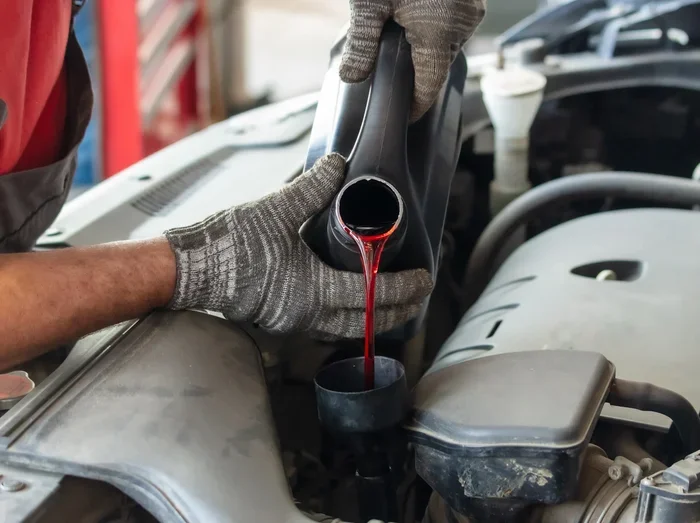
How Much Is a Transmission Fluid Change at a Dealership
The cost of a transmission fluid change at a dealership typically ranges from $150 to $450, depending on your vehicle type, fluid kind, and labor rates. Dealerships charge more than independent shops but offer genuine parts and trained technicians. Knowing what drives the price helps you make a smart decision for your car.
Your car’s transmission works hard every time you drive. It shifts gears smoothly, keeps your engine running efficiently, and handles thousands of moving parts under pressure. Over time, the fluid that keeps everything lubricated breaks down. Dirty fluid leads to wear, overheating, and eventually serious damage. That is why a transmission fluid change is one of the most important maintenance tasks you can do.
But here is the question everyone asks: how much is a transmission fluid change at a dealership? The answer is not as simple as a single number. Prices swing based on your vehicle, the type of fluid required, and where you live. In this guide, we will walk you through everything you need to know. You will learn what drives the cost, how dealerships compare to other options, and when it is worth paying extra for a dealership service.
Whether you drive a daily commuter or a high-performance SUV, understanding transmission fluid costs puts you in control. No more guessing. No more surprises at the service counter. Let us dive into the numbers and give you the full picture.
Key Takeaways
- Dealership costs vary widely: Expect to pay between $150 and $450 for a standard transmission fluid change.
- Vehicle type matters most: Luxury and performance vehicles cost significantly more due to fluid type and labor complexity.
- Fluid choice impacts price: Synthetic transmission fluid costs more than conventional options but offers better protection.
- Dealerships vs. independent shops: Dealerships charge higher rates but provide OEM parts and manufacturer-trained technicians.
- DIY is possible: Experienced car owners can save money by changing transmission fluid at home with the right tools.
- Regular changes prevent costly repairs: Sticking to your maintenance schedule avoids expensive transmission failures down the road.
📑 Table of Contents
- Why Transmission Fluid Changes Matter
- How Much Does a Transmission Fluid Change Cost at a Dealership?
- What Affects the Price of a Transmission Fluid Change?
- Dealership vs. Independent Shop: Where Should You Go?
- How Often Should You Change Your Transmission Fluid?
- Can You Change Transmission Fluid Yourself?
- How to Save Money on a Transmission Fluid Change
- The Long-Term Benefits of Regular Transmission Fluid Changes
Why Transmission Fluid Changes Matter
Transmission fluid does several critical jobs at once. It lubricates the gears, cools the system, and helps transfer power from the engine to the wheels. When the fluid gets old, it loses its ability to do all of this effectively. Here is what happens when you skip or delay a fluid change.
The Role of Transmission Fluid
Think of transmission fluid as the lifeblood of your gearbox. Fresh fluid is clean, slippery, and full of additives that protect metal surfaces. As it ages, it picks up metal shavings, dirt, and debris from inside the transmission. The additives break down, and the fluid becomes gritty. This gritty fluid causes more friction, which causes more heat, which causes more wear. It is a cycle that spirals downward fast.
According to most manufacturers, you should check your transmission fluid level regularly and change it on a set schedule. Some vehicles need a change every 30,000 miles. Others can go 100,000 miles or more. Always check your owner’s manual for the specific recommendation.
Signs Your Transmission Fluid Needs Changing
Your car will give you warning signs when the fluid is no longer doing its job. Watch for these common symptoms:
- Dark or burnt-colored fluid: Fresh transmission fluid is bright red. If it looks brown or black, it is time for a change.
- Strange noises: Grinding or whining sounds when shifting gears often point to old or low fluid.
- Slipping gears: If your transmission feels like it is changing gears on its own, the fluid may be too degraded to grip properly.
- Delayed shifting: A pause before the car engages a gear is a classic sign of worn fluid.
- Burning smell: A sweet or burnt odor coming from under the hood means the fluid is overheating.
If you notice any of these signs, get your vehicle checked right away. Ignoring them can lead to transmission failure, which is one of the most expensive repairs a car owner can face.
How Much Does a Transmission Fluid Change Cost at a Dealership?
Now let us get to the heart of the matter. How much is a transmission fluid change at a dealership, really? The short answer is that most dealerships charge between $150 and $450 for a standard transmission fluid change. But that range is wide, and several factors push the price up or down.
Average Costs by Vehicle Type
The type of vehicle you drive has the biggest impact on the price. Here is a general breakdown:
- Compact and economy cars: These vehicles use less fluid and have simpler transmissions. A fluid change typically costs $150 to $250.
- Mid-size sedans and SUVs: Expect to pay $200 to $350 for a standard change.
- Luxury vehicles: Brands like BMW, Mercedes-Benz, and Audi require specialized fluids and more labor. Costs can range from $300 to $500 or more.
- Trucks and heavy-duty vehicles: Larger transmissions hold more fluid and take longer to service. Prices often fall between $250 and $450.
- Performance cars: High-performance vehicles like the Dodge Charger or similar models may need special synthetic fluids, pushing costs higher.
These are general estimates. Your local dealership may charge differently based on their labor rates and the specific model you drive.
What Is Included in the Service?
When you take your car to a dealership for a transmission fluid change, the service typically includes:
- Draining the old fluid from the transmission pan.
- Removing and cleaning the transmission filter (if applicable).
- Replacing the pan gasket if needed.
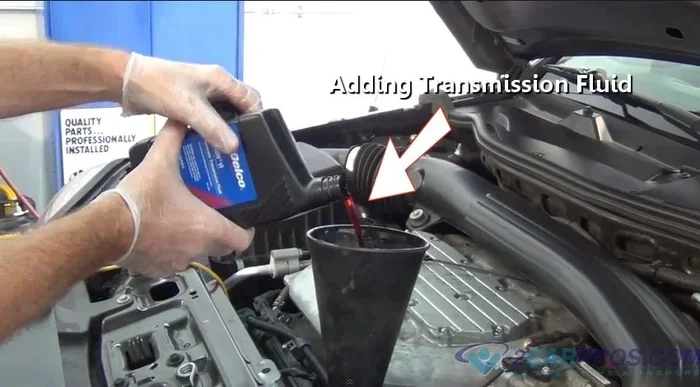
- Refilling with the manufacturer-recommended fluid type and amount.
- Checking the fluid level and inspecting for leaks.
Some dealerships offer a transmission fluid flush instead of a simple change. A flush removes all the old fluid using a machine that pushes new fluid through the system. Flushes cost more, usually between $250 and $600, but they replace a greater percentage of the old fluid. Ask your service advisor which option they recommend for your vehicle.
What Affects the Price of a Transmission Fluid Change?
Not every transmission fluid change costs the same. Several variables come into play, and understanding them helps you avoid overpaying. Let us break down the key factors.
Type of Transmission Fluid
The fluid your car needs makes a big difference in price. Conventional transmission fluid is the least expensive option. Synthetic transmission fluid costs more but provides better protection and lasts longer. Some vehicles require continuously variable transmission (CVT) fluid, which is a specialty product and can be pricey.
Dealerships use OEM (original equipment manufacturer) fluids that are specifically formulated for your vehicle. These fluids meet exact specifications, which is one reason dealership service tends to cost more than using aftermarket alternatives.
Labor Rates at the Dealership
Dealership labor rates are higher than those at independent shops. On average, dealership technicians charge between $100 and $200 per hour. An independent mechanic might charge $60 to $120 per hour for the same work. That difference adds up, especially for a job that takes one to three hours.
However, dealership technicians receive specialized training for your specific brand. They know the common issues with your vehicle’s transmission and use the right tools and procedures. For many owners, that expertise is worth the extra cost.
Your Location
Where you live affects the price. Dealerships in major cities and urban areas often charge more due to higher operating costs. A dealership in a rural area might offer lower rates. It is always worth calling a couple of dealerships in your area to compare prices before booking an appointment.
Additional Services
Sometimes a dealership will recommend extra services during the fluid change. They might suggest a transmission flush, a filter replacement, or a full inspection of the drivetrain. These add-ons increase the total bill but can be valuable if your vehicle is due for them.
One thing to keep in mind: do mechanics check transmission fluid during an oil change? At many dealerships, the answer is yes. Some include a basic transmission fluid check as part of a routine oil change service. This does not replace a full fluid change, but it gives you a quick status check at no extra charge.
Dealership vs. Independent Shop: Where Should You Go?
This is one of the most common debates among car owners. Both options have pros and cons, and the right choice depends on your vehicle, budget, and comfort level.
Benefits of Going to a Dealership
- OEM parts and fluids: You get the exact fluids and filters recommended by your vehicle’s manufacturer.
- Trained specialists: Dealership technicians undergo brand-specific training and certification.
- Warranty protection: If your car is still under warranty, having the work done at a dealership keeps your warranty intact.
- Complete service records: The dealership logs the service in their system, which is helpful for resale value.
Benefits of Going to an Independent Shop
- Lower labor costs: Independent shops typically charge 30 to 50 percent less for labor.
- Flexibility: You can choose your own fluid brand and type, which can save money.
- Personal relationship: You often build a rapport with the owner and technicians, leading to better communication.
- Faster service: Independent shops often have shorter wait times than busy dealerships.
Which Option Is Right for You?
If your vehicle is still under warranty, stick with the dealership. If you have an older car and want to save money, a reputable independent shop is a great choice. Just make sure they use the correct fluid type for your transmission. Using the wrong fluid can cause serious damage.
Also, keep in mind that do you leave the car running when checking transmission fluid? At a dealership, the technician will follow the proper procedure, which usually involves checking the fluid with the engine at operating temperature. This ensures an accurate reading. An experienced independent shop will do the same.
How Often Should You Change Your Transmission Fluid?
Following the recommended change interval is one of the best ways to protect your transmission and avoid expensive repairs. But the interval varies by vehicle and driving conditions.
Manufacturer Recommendations
Most manufacturers suggest changing transmission fluid every 30,000 to 60,000 miles for automatic transmissions. Some newer vehicles with synthetic fluids can go 100,000 miles or more between changes. Always refer to your owner’s manual for the specific recommendation.
For manual transmissions, the interval is often longer, sometimes up to 60,000 to 100,000 miles. But if you drive in harsh conditions, you may need to change the fluid more frequently.
Driving Conditions That Shorten Fluid Life
Certain driving habits and conditions cause transmission fluid to degrade faster. These include:
- Towing heavy loads: The extra weight puts more stress on the transmission and heats up the fluid.
- Stop-and-go traffic: Frequent shifting in traffic generates more heat and breaks down the fluid faster.
- Extreme temperatures: Both very hot and very cold climates can accelerate fluid breakdown.
- Racing or spirited driving: Hard acceleration and high-speed driving put extra demand on the transmission.
If you regularly deal with any of these conditions, consider shortening your fluid change interval by 30 to 50 percent. It is a small investment that can save you thousands in transmission repairs.
Can You Change Transmission Fluid Yourself?
Some car owners prefer to handle maintenance tasks at home. Changing transmission fluid is possible as a DIY project, but it comes with challenges. You need the right tools, a safe way to lift the vehicle, and knowledge of the proper procedure.
What You Need for a DIY Fluid Change
- The correct type and amount of transmission fluid for your vehicle.
- A drain pan to catch the old fluid.
- A jack and jack stands or a lift.
- A socket set and wrenches for removing the drain plug.
- A new transmission filter and gasket (if applicable).
- A funnel for refilling.
- Gloves and safety glasses.
Is It Worth It?
DIY fluid changes can save you $100 to $200 in labor costs. But the process can be messy and requires care. If the fluid is too hot, it can burn you. If you overfill or underfill, it can damage the transmission. If you are not confident in your mechanical skills, it is better to leave this job to the professionals.
One thing to keep in mind: can I add transmission fluid while the engine is running? Yes, in most cases, you can add fluid with the engine running and warm. This allows the fluid to circulate and gives you a more accurate fill level. But always follow your vehicle’s specific instructions in the owner’s manual.
How to Save Money on a Transmission Fluid Change
Paying for a transmission fluid change does not have to break the bank. Here are some practical tips to keep costs down without sacrificing quality.
- Ask about service specials: Many dealerships run promotions on transmission services, especially during seasonal maintenance campaigns.
- Bundle services: If your car is due for an oil change and tire rotation, ask about package deals that include the transmission fluid change.
- Check your warranty: Some extended warranties cover transmission maintenance. Before paying out of pocket, check if your policy includes this service.
- Compare quotes: Call a few dealerships and independent shops in your area. Get a written estimate before committing.
- Ask about the fluid type: If your dealership recommends a premium synthetic fluid, ask if a high-quality aftermarket alternative would work for your vehicle. Sometimes you can save money without compromising quality.
Saving money on maintenance is smart, but do not cut corners on the fluid type or the quality of the service. Using the wrong fluid or skipping steps can lead to transmission problems that cost far more than you saved.
The Long-Term Benefits of Regular Transmission Fluid Changes
It is easy to put off a transmission fluid change, especially when your car seems to be running fine. But staying on top of this maintenance task pays off in the long run. Fresh fluid keeps the transmission cool, reduces wear on internal components, and ensures smooth gear shifts. Over time, these benefits add up.
A well-maintained transmission can last the entire life of the vehicle. Neglected transmissions, on the other hand, often fail between 80,000 and 150,000 miles. A transmission replacement can cost $2,000 to $5,000 or more. Compare that to the $150 to $450 you spend on a fluid change every 30,000 to 60,000 miles. The math is clear.
Regular fluid changes also help maintain your vehicle’s resale value. A complete service history shows potential buyers that the car was well cared for. That can make a meaningful difference when it is time to sell or trade in.
Finally, if you are ever unsure about your transmission’s health, do not hesitate to visit your dealership or a trusted mechanic. Early detection of fluid issues can prevent major problems. A simple transmission fluid check today could save you from a major repair tomorrow.
Whether you choose a dealership or an independent shop, the most important thing is to stay consistent with your maintenance schedule. Your transmission works hard for you every day. Give it the care it deserves, and it will keep you moving smoothly for years to come.
Frequently Asked Questions
How much does a transmission fluid change cost at a dealership?
On average, a transmission fluid change at a dealership costs between $150 and $450. The exact price depends on your vehicle type, the fluid required, and your location. Luxury vehicles and those requiring synthetic fluid tend to be on the higher end of the range.
How often should I change my transmission fluid?
Most manufacturers recommend changing transmission fluid every 30,000 to 60,000 miles for automatic transmissions. Some vehicles with synthetic fluids can go up to 100,000 miles. Check your owner’s manual for the specific interval recommended for your vehicle.
Is a transmission fluid change the same as a transmission flush?
No, they are different services. A fluid change drains the old fluid and refills with new fluid, replacing about 50 percent of the total fluid. A flush removes all the old fluid using a machine and replaces it completely. A flush costs more but provides a more thorough service.
Can I drive my car if the transmission fluid is low?
Driving with low transmission fluid is not recommended. It can cause overheating, slipping gears, and eventually serious transmission damage. If you suspect your fluid is low, have it checked and topped off as soon as possible.
Does a dealership warranty cover transmission fluid changes?
It depends on your warranty terms. Some new vehicle warranties include scheduled maintenance services, which may cover fluid changes. Extended warranties vary widely. Check your warranty documentation or ask your dealership to confirm what is covered.
Can I use any transmission fluid for my car?
No, you must use the fluid type specified by your vehicle’s manufacturer. Different transmissions require different fluids with specific friction modifiers and viscosity ratings. Using the wrong fluid can cause poor performance and damage to internal components.
=== CONCLUSION ===
The cost of a transmission fluid change at a dealership typically falls between $150 and $450, but many factors influence the final price. Your vehicle type, the fluid required, your location, and any additional services all play a role. While dealerships charge more than independent shops, they offer OEM fluids, trained technicians, and the peace of mind that comes with professional service.
Staying on top of your transmission fluid changes is one of the smartest investments you can make in your vehicle. It prevents costly repairs, extends the life of your transmission, and keeps your car running smoothly. Whether you go with a dealership or a trusted independent shop, the key is consistency. Stick to your maintenance schedule, use the right fluid, and your transmission will thank you for years to come.