How Do You Turn Off the High Beams on a Toyota
Turning off the high beams on a Toyota is simple once you know where to look. Whether your Toyota uses a manual lever or an automatic beam system, the process takes just a few seconds. This guide walks you through every Toyota model and setup so you never get caught blinding oncoming drivers again.
Driving at night in a Toyota can be a smooth and enjoyable experience. But nothing ruins the mood faster than accidentally blinding an oncoming driver with your Toyota high beams. Whether you drive a Toyota Camry, a Toyota Highlander, or a Toyota Corolla, understanding how your headlight controls work is essential. This guide shows you exactly how to turn off the high beams on a Toyota, no matter which model you own.
The good news is that most Toyotas make it easy to switch between low beam and high beam settings. The challenge is knowing where the controls are and how the automatic systems differ from the manual ones. Once you understand the basics, you will never struggle with your headlights again. Let us break it down model by model and system by system.
Before we dive in, it helps to understand what we mean by high beams. High beams point your headlights straight ahead and slightly upward. This gives you maximum visibility on dark roads. But they can also blind other drivers. That is why knowing how to switch back to low beams quickly is so important. It keeps you safe and keeps you on the right side of the law.
Key Takeaways
- Manual high beams on most Toyotas are controlled by a stalk or button on the steering column.
- Automatic high beams use a sensor and can be disabled through the dashboard or steering wheel controls.
- Every Toyota model has a slightly different method, so knowing your specific model matters.
- Common mistakes include leaving the beam switch in the wrong position or ignoring a faulty sensor.
- Regular maintenance of your headlight system keeps your night driving safe and legal.
- Quick tips can save you time and prevent annoying dashboard warning lights.
📑 Table of Contents
How Toyota High Beam Systems Work
Toyota uses two main types of headlight control systems across its lineup. The first is the manual high beam system. The second is the automatic high beam system. Both achieve the same goal. They just get there in different ways. Let us look at how each one works.
Manual High Beam System
The manual system is the older and simpler of the two. You control the high beams directly using a lever or button near the steering column. On most Toyota models, you push the lever forward to activate the high beams. Pull it back to return to the low beams. A green or blue indicator light on your dashboard confirms the high beams are on.
This system gives you full control at all times. You decide when to switch. There is no sensor involved. The tradeoff is that you have to remember to switch back to low beams after passing another vehicle or driving in town. It is easy to forget, especially on long night drives.
Automatic High Beam System
Toyota introduced the automatic high beam system to take the guesswork out of night driving. A sensor mounted near the rearview mirror detects light from oncoming vehicles and cars ahead. When it senses other headlights, the system automatically dims your beams back to low. When the road is clear, it switches back to high beams.
This is a convenient feature. It is especially helpful if you frequently drive on unlit roads. But sometimes the system can malfunction. The sensor might get dirty or the electronics can fail. In those cases, you need to know how to turn the system off manually. This is where many Toyota drivers get stuck.
How to Turn Off Manual High Beams on a Toyota
Turning off manual high beams is straightforward. But the exact method depends on your Toyota model. Here is a breakdown of the most common approaches.
Using the Headlight Lever
On most Toyota sedans and SUVs, the headlight lever sits on the left side of the steering column. To turn off the high beams, simply pull the lever back toward you. You will feel a slight click when it returns to the off or low beam position. The dashboard indicator light should turn off as well.
If the lever feels stiff or does not return to its original position, do not force it. There may be a mechanical issue. Check for debris around the lever or consult your owner manual. A sticky lever can cause the high beams to stay on, which is both dangerous and illegal in most areas.
Using the Headlight Button
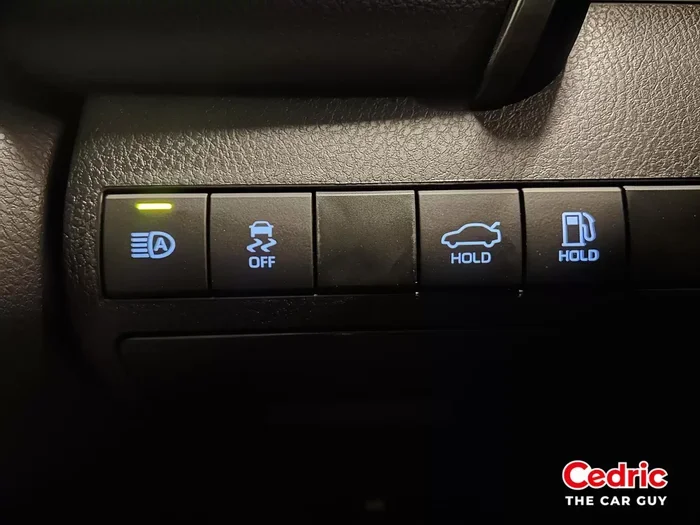
Some newer Toyota models use a button instead of a lever. You will find this button on the left side of the dashboard or steering wheel controls. Press the button once to toggle between low beam and high beam. Press it again to turn the high beams off.
Toyota models like the Toyota RAV4 and the Toyota Tacoma sometimes use this button-style control. The button may also control the auto high beam feature. Check the symbols on the button to confirm what it does. A blue headlight symbol means the high beams are active.
Quick Tips for Manual Systems
- Always check your dashboard before driving off. The high beam indicator is easy to miss in daylight.
- Make it a habit to pull the lever back every time you start the car.
- Keep the lever area clean so it moves freely without sticking.
- Replace dim bulbs promptly. A weak high beam can reduce your visibility more than driving with low beams.
How to Turn Off Automatic High Beams on a Toyota
The automatic high beam system is fantastic when it works. But when it does not, it can leave you with bright headlights that refuse to dim. Knowing how to disable the system is a valuable skill. Here is how to do it on the most popular Toyota models.
Using the Steering Wheel Controls
Many Toyota models with automatic high beams use steering wheel-mounted controls. Look for a button labeled with a headlight symbol or the letters “AHB.” Press and hold this button for a few seconds. The system will disengage, and your headlights will stay on low beam until you choose to turn the feature back on.
On models like the Toyota Camry and the Toyota Highlander, this button is usually located on the left side of the steering wheel. The exact location can vary by model year, so check your owner manual if you cannot find it. The process is the same across most recent Toyota models though.
Using the Dashboard Display
Some Toyota vehicles let you control the automatic high beam system through the infotainment screen. Navigate to the vehicle settings menu. Look for a section labeled “Headlights” or “Lighting.” From there, you can toggle the automatic high beam feature on or off.
This method is especially useful if the steering wheel button is not working. It also lets you fine-tune other lighting settings. You can adjust the sensitivity of the sensor or set the headlights to always stay on low beam. This is helpful if you drive frequently in areas with a lot of street lighting.
If you are having trouble with the automatic system and want to learn more about disabling it, check out our guide on how to turn off automatic high beams. It covers the topic in greater detail across multiple Toyota models.
Common Issues with Automatic High Beams
Automatic high beam systems can develop problems over time. The most common issue is a dirty or obstructed sensor. The sensor sits near the rearview mirror and looks outward through the windshield. Dirt, ice, or even a hanging air freshener can block its view. This causes the system to stay on high beam even when other cars are nearby.
Another common issue is a faulty control module. If the buttons on the steering wheel do nothing, the module that controls the automatic system may have failed. In some cases, a blown fuse can also cause the system to stop working. These issues are not expensive to fix, but they do require a visit to a mechanic or dealership.
High Beam Problems That Won’t Go Away
Sometimes the high beams stay on no matter what you do. This is a serious problem. Driving with high beams constantly on can result in a ticket or, worse, a dangerous accident. Let us look at the most common reasons this happens and what you can do about it.
Stuck Headlight Relay
The headlight relay controls the flow of electricity to your headlights. If the relay gets stuck in the “on” position, the high beams will stay lit even when you move the lever back. This is a relatively common issue on older Toyota models. The fix usually involves replacing the relay, which is an inexpensive and simple repair.
You can test the relay yourself if you are comfortable working under the hood. The relay box in most Toyotas is located under the dashboard on the driver side or in the engine bay. Refer to your owner manual for the exact location. Swapping the relay with a similar one from another circuit is a quick way to test if the relay is the problem.
Faulty Headlight Switch
The headlight switch is the component you interact with directly. Over time, the internal contacts can wear out. When this happens, the switch may not send the correct signal to turn off the high beams. You might notice the lights flicker or fail to respond when you move the lever. A worn switch needs to be replaced. This is a job best left to a professional if you are not confident with electrical work.
Wiring Issues
In rare cases, damaged wiring causes the high beams to stay on. Rodents can chew through wires, or moisture can cause corrosion in the connectors. If you suspect a wiring issue, inspect the harness running from the headlight switch to the headlights. Look for frayed wires, burn marks, or loose connections. Fixing wiring problems early prevents bigger issues down the road.
Toyota High Beam Maintenance Tips
Keeping your Toyota headlights in top shape is about more than just knowing how to turn them on and off. Regular maintenance prevents problems and keeps you safe on the road. Here are some tips to keep your headlight system working perfectly.
Check Your Bulbs Regularly
Headlight bulbs do not last forever. Over time, they dim and eventually burn out. Make it a habit to check both your low beams and high beams every few months. You can do this by parking facing a wall and turning on each beam separately. If one side looks dimmer than the other, replace the bulb.
Toyota recommends using OEM-spec bulbs for the best performance. Aftermarket bulbs can work well, but some may not meet the same brightness or durability standards. Sticking with the recommended bulb type ensures your headlights perform as intended.
Keep the Lenses Clean
Dirty headlight lenses reduce the amount of light that reaches the road. Over time, plastic lenses can become foggy or yellowed from UV exposure. A simple cleaning with a headlight restoration kit can restore clarity. You can also use a mild soap and water solution for regular cleaning.
Clean lenses make a bigger difference than most people realize. Studies show that dirty headlight lenses can reduce visibility by up to 50 percent on dark roads. Taking five minutes to wipe them down can genuinely improve your night driving safety.
Inspect the Sensors on Automatic Systems
If your Toyota has automatic high beams, the sensor needs to stay clean to work properly. Wipe the area near the rearview mirror with a soft cloth every time you clean your windshield. This simple habit prevents most sensor-related issues. If the system starts acting up, cleaning the sensor should be your first troubleshooting step.
For more tips on keeping your car’s glass and sensors clean, check out our article on how to clean a car windshield. It covers best practices for maintaining clear visibility inside and out.
When to Seek Professional Help
Most high beam issues are easy to fix at home. But some problems require a trained mechanic. Knowing when to seek help saves you time and prevents further damage to your vehicle.
If you have tried the steps above and the high beams still will not turn off, it is time to see a professional. A persistent issue could indicate a deeper electrical problem. Driving with stuck high beams is not just annoying. It is also dangerous and can result in fines or accidents.
Visit a Toyota dealership or a trusted mechanic if you notice any of these signs. Flickering headlights, a burning smell, or a dashboard warning light that will not go away all point to a serious issue. A full car diagnostic can identify the root cause quickly. The cost of a diagnostic is small compared to the risk of driving with malfunctioning headlights.
Many mechanics offer affordable headlight inspections as part of a routine service. If you are unsure about the cost, you can check what mechanics charge per hour in your area to budget accordingly. Most headlight-related repairs are straightforward and do not require expensive parts.
Comparison: Manual vs Automatic High Beams
| Feature | Manual High Beams | Automatic High Beams |
|---|---|---|
| Control Method | Lever or button on steering column | Sensor + steering wheel button or display |
| Driver Effort | High. Must switch manually. | Low. System adjusts automatically. |
| Risk of Forgetting | Higher. Easy to leave on. | Lower. System dims on its own. |
| Maintenance Needs | Low. Just check bulbs. | Moderate. Keep sensor clean. |
| Common Issues | Stuck lever, worn switch | Dirty sensor, faulty module |
| Best For | Older Toyotas, budget-conscious drivers | Night driving on unlit roads |
Both systems have their strengths. The manual system is simple and reliable. The automatic system is convenient and reduces driver fatigue. Choose the one that fits your driving style and the roads you travel most often.
Key Takeaways
- Manual high beams on most Toyotas are controlled by a lever or button on the steering column. Pull the lever back or press the button to turn them off.
- Automatic high beams use a sensor and can be disabled through steering wheel controls or the infotainment display.
- Every Toyota model has a slightly different method, so knowing your specific model matters.
- Common problems include stuck relays, faulty switches, and dirty sensors on automatic systems.
- Regular maintenance like cleaning lenses and checking bulbs prevents most headlight issues.
- Seek professional help if the high beams stay on despite your best efforts.
- Always drive with low beams in town and when other vehicles are approaching to stay safe and legal.
Frequently Asked Questions
How do I know if my Toyota high beams are on?
Look at your dashboard. When the high beams are active, a blue or green indicator light will appear near the speedometer. The light looks like a headlight icon with horizontal lines pointing upward. If you see this light, your high beams are on. Simply move the lever back or press the button to turn them off.
Can I drive with high beams on all the time?
You can, but you should not. High beams are designed for dark, unlit roads where no other vehicles are around. Leaving them on in town or when other drivers are present is dangerous and illegal in most places. It blinds oncoming traffic and can cause serious accidents. Always switch back to low beams when other cars are near.
Why do my Toyota high beams stay on even after I turn them off?
This usually points to a stuck relay, a faulty headlight switch, or a wiring issue. Start by checking the relay box under the dashboard or in the engine bay. If the relay seems fine, the headlight switch or wiring may be the problem. A mechanic can run a full car diagnostic to pinpoint the exact cause.
How do I turn off the auto high beam feature on a Toyota Camry?
On the Toyota Camry, look for the AHB button on the left side of the steering wheel. Press and hold it for about three seconds. The system will disengage, and your headlights will stay on low beam. You can reactivate it the same way by pressing and holding the button again.
What should I do if the automatic high beam sensor is dirty?
Clean the sensor area near the rearview mirror with a soft, damp cloth. Remove any dirt, ice, or obstructions that might be blocking the sensor. This simple fix resolves most automatic high beam issues. If cleaning does not help, the sensor or control module may need professional inspection.
Are Toyota high beam bulbs easy to replace?
Yes, in most Toyota models, replacing a high beam bulb is a straightforward DIY job. The bulb housing is usually accessible from the engine bay. You will need to remove the protective cover, disconnect the wiring, and swap the old bulb for a new one. Always match the bulb type to what your Toyota recommends in the owner manual.
=== CONCLUSION ===
Knowing how to turn off the high beams on a Toyota is a basic but essential skill for every driver. Whether your vehicle uses a manual lever, a button, or an automatic sensor system, the process is quick and easy once you know where to look. We have covered the methods for manual and automatic systems, common problems, maintenance tips, and when to call a professional. With this knowledge, you can drive confidently at night without worrying about blinding other drivers.
Take a moment to familiarize yourself with your Toyota headlight controls. Practice the steps a few times in a safe, parked position. Make it second nature. A few minutes of learning now can prevent frustrating and dangerous situations on the road later. Keep your headlights clean, your bulbs fresh, and your beams set correctly. Safe driving starts with you.