Does the Avalon Hold Its Value Like Other Investments
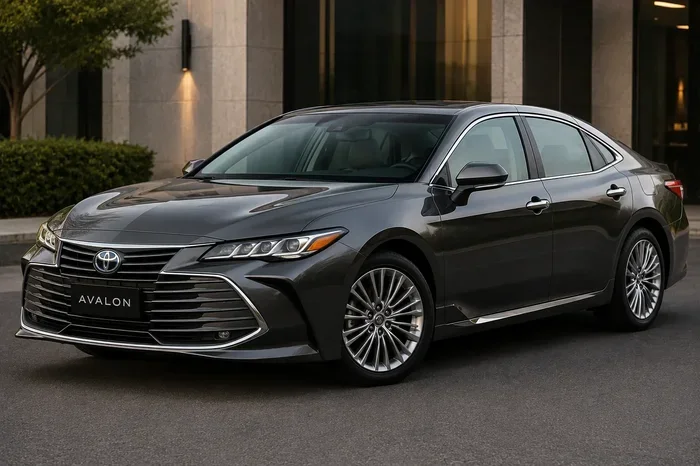
The Toyota Avalon is a reliable luxury sedan that many buyers wonder about when considering long-term value. Like any car, the Toyota Avalon loses value over time, but its strong reputation for durability and low ownership costs helps slow depreciation compared to competitors. Understanding what drives resale value can help you make a smarter car investment decision.
The Toyota Avalon has been a staple in the American sedan market for decades. It offers comfort, space, and a smooth ride that many drivers love. But when it comes to holding value, does this Toyota Avalon stand up to other vehicles? Many car buyers want to know if this sedan is a smart car investment or if it loses money too quickly.
In this guide, we will break down everything you need to know about how the Toyota Avalon holds its value. We will look at depreciation rates, what affects resale price, and how it compares to other models. By the end, you will have a clear picture of whether the Avalon is worth your money.
Whether you are buying new or shopping for a used model, understanding vehicle depreciation is key. Cars are not like stocks or real estate. They lose value the moment you drive them off the lot. But some cars lose value slower than others. The Avalon is one of them, and here is why.
Key Takeaways
- The Avalon depreciates slower than most luxury sedans: Its Toyota reliability reputation helps preserve value better than many rivals.
- Regular maintenance matters: Keeping up with oil changes and scheduled service significantly impacts resale price.
- Trim level and mileage are major factors: Higher trims and lower mileage hold value more effectively.
- The Avalon competes well with the Camry and Accord: It offers more space and luxury features at a competitive price point.
- Certified pre-owned Avalons are a smart buy: They offer strong value with warranty coverage and inspected quality.
- Fuel efficiency helps ownership costs: Good gas mileage reduces the total cost of owning an Avalon over time.
- Market demand stays steady: The Avalon maintains a loyal buyer base, which supports its resale market.
📑 Table of Contents
What Is the Toyota Avalon?
The Toyota Avalon is a full-size luxury sedan that Toyota has sold in North America since 1994. It sits above the Camry in Toyota’s lineup. The Avalon offers more space, more comfort features, and a more premium feel. Many drivers see it as a smaller alternative to the BMW 5 Series or Mercedes E-Class, but at a much lower price.
Key Features That Define the Avalon
The Avalon comes packed with features that make it stand out. It has a spacious interior with room for five adults to stretch out. The ride is smooth and quiet, which makes it great for long commutes or road trips. Toyota also focuses on reliability, which is a big reason the Avalon has survived so long in the market.
Here are some of the standout features of the Toyota Avalon:
- Spacious cabin with high-quality materials
- Strong V6 engine options across many model years
- Good fuel efficiency for a full-size sedan
- Advanced safety tech like Toyota Safety Sense
- Comfortable suspension that absorbs road bumps well
- Large trunk space for hauling groceries or luggage
These features help the Avalon appeal to families, professionals, and anyone who wants a comfortable daily driver without breaking the bank. The Toyota Avalon specs have improved with each generation, making newer models even more appealing to buyers.
How Does the Avalon Depreciate Over Time?
Every car loses value over time. This process is called depreciation. For the Toyota Avalon, the depreciation rate is actually better than many people expect. On average, a new Avalon loses about 15% to 20% of its value in the first year. By year five, it may have lost around 45% to 55% of its original price. That is competitive for a luxury sedan.
Depreciation Comparison by Model Year
Let us look at how the Avalon holds value across different age ranges. Keep in mind that exact numbers vary based on condition, mileage, and trim level.
- New to 1 year old: Loses roughly 15% to 20% of value
- 1 to 3 years old: Loses an additional 15% to 25%
- 3 to 5 years old: Loses another 15% to 20%
- 5 to 10 years old: Loses value more slowly, around 10% per year
Compared to brands like BMW or Lexus, the Avalon holds its value quite well. Its Toyota reliability reputation plays a huge role here. Buyers trust that a used Avalon will keep running for many more miles without major repairs. This trust translates into better resale prices.
Also, the Avalon’s fuel efficiency helps it stay attractive. With gas prices fluctuating, buyers look for sedans that save money at the pump. The Avalon delivers respectable mileage, which adds to its appeal on the used market.
What Affects the Avalon’s Resale Value?
Several factors determine how well any car holds its value. The Toyota Avalon is no exception. Let us explore the key elements that influence resale value for this sedan.
Maintenance and Care
How well you maintain your Avalon has a direct impact on its resale price. Regular oil changes, tire rotations, and scheduled service keep the car running smoothly. Buyers on the used market look for well-documented maintenance records. If you can show that you took care of the vehicle, you will get a higher price when selling.
One thing to keep in mind: does it really matter what oil I put in my car? Yes, it absolutely does. Using the right grade of oil and staying on top of changes protects the engine and helps the car last longer. This matters for resale value.
Also, keeping up with the maintenance light and service reminders shows potential buyers that you cared for the vehicle. A well-maintained Avalon will always fetch more money than a neglected one.
Mileage and Condition
Mileage is one of the biggest factors in determining resale value. Lower mileage always commands a higher price. A Toyota Avalon with 30,000 miles will sell for significantly more than one with 100,000 miles, even if they are the same year.
Beyond mileage, the overall condition of the car matters a lot. Does the interior look clean? Are there any dents or scratches? Is the paint in good shape? All of these details affect what buyers are willing to pay. Taking care of small issues before selling can make a big difference in your final price.
Trim Level and Options
Not all Avalons are created equal when it comes to holding value. Higher trims, like the Limited or Touring editions, tend to hold their value better. These trims come with more premium features, leather seats, upgraded sound systems, and advanced safety technology. Buyers on the used market often pay more for these extras.
Options like leather seating, navigation systems, and premium audio packages add appeal. When shopping for a used Avalon, look for models with desirable options. These features can make a big difference in resale price.
Market Demand and Timing
The used car market fluctuates based on supply and demand. When new car inventory is low, used car prices tend to rise. The Avalon benefits from steady demand because Toyota has a loyal fan base. People trust Toyota vehicles, and that trust supports stronger resale values.
Timing also matters when you sell. Selling during peak buying seasons, like spring and early summer, can get you a better price. Understanding the used car market trends helps you choose the right time to sell your Avalon.
Avalon vs. Other Toyota Models: Value Comparison
To understand how the Avalon holds value, it helps to compare it to other Toyota models. The Camry is the Avalon’s closest sibling, and both are known for reliability. But how do they stack up against each other?
Avalon vs. Camry
The Camry is Toyota’s most popular sedan, and it holds value well. However, the Avalon has some advantages. It is larger, more comfortable, and comes with more standard features. In terms of depreciation rate, the two are similar, but the Avalon’s higher starting price means it loses more dollars in absolute terms.
That said, the Avalon’s larger size and luxury feel make it attractive to a different buyer. Families and those who want more space often prefer the Avalon. This niche appeal helps it maintain a steady resale market.
Avalon vs. Competitors from Other Brands
When compared to Honda Accord, Nissan Maxima, and Hyundai Azera, the Avalon holds its own. Toyota’s reputation for reliability gives it an edge. Many buyers would rather pay a little more for a used Avalon knowing it will last longer. This is where the Avalon’s car value retention really shines.
Here is a quick look at how the Avalon compares to some popular competitors in terms of value retention:
- Toyota Avalon: Strong reliability, spacious, good resale
- Honda Accord: Sporty feel, strong resale, slightly smaller
- Nissan Maxima: Powerful engine, less reliable long-term
- Hyundai Azera: Good value, weaker brand reputation for longevity
The Avalon’s combination of comfort, reliability, and ownership costs makes it a strong contender in the luxury sedan segment. Its value holds up well against the competition.
Tips to Maximize Your Avalon’s Value
If you want your Toyota Avalon to hold its value as long as possible, there are several steps you can take. These tips will help you get the best price when it is time to sell or trade in.
Keep Up with Regular Service
Follow the manufacturer’s recommended maintenance schedule. Change the oil on time, rotate the tires, and replace filters as needed. Keeping all service records organized and available shows buyers you took the vehicle seriously.
One question many owners ask is: does your car say when you need an oil change? Most modern Toyotas including the Avalon have maintenance reminder systems. Pay attention to these alerts and service the car promptly.
Protect the Exterior and Interior
Wash and wax the Avalon regularly to protect the paint. Use a sunshade to prevent interior fading. Keep the leather or fabric seats clean and conditioned. These small efforts add up and make a visible difference when it is time to sell.
Address Issues Promptly
Do not ignore warning lights or unusual sounds. If the check engine light comes on, get it checked right away. Small problems become big expensive repairs if you ignore them. A well-kept Avalon with no major issues will always sell for more.
Drive Responsibly
Avoid aggressive driving and harsh braking. Smooth driving reduces wear on the engine, transmission, and brakes. Lower mileage and less wear translate directly into a higher resale price.
Store It Properly
If you live in a harsh climate, park the Avalon in a garage when possible. Extreme heat, cold, and moisture can damage the paint, interior, and mechanical components over time. Proper storage preserves the car’s condition and helps it hold value longer.
Is the Avalon a Good Investment?
The Toyota Avalon is a solid choice if you are looking for a comfortable, reliable sedan that holds its value reasonably well. It is not the fastest depreciating car on the market. In fact, it depreciates slower than many luxury competitors from Germany and Japan.
When you consider the total cost of ownership, the Avalon shines. It has reasonable maintenance costs, good fuel economy, and a reputation for lasting well beyond 200,000 miles with proper care. These factors make it a smart car investment for many buyers.
If you are buying used, a certified pre-owned Avalon offers even better value. These vehicles come with extended warranties and have been thoroughly inspected. They give you peace of mind and help protect your investment.
The Avalon also benefits from Toyota’s strong dealer network and parts availability. Even as the car ages, finding replacement parts and service is easy and affordable. This long-term support helps the vehicle maintain its value over time.
One thing to keep in mind: the Avalon is being phased out in some markets as Toyota shifts focus toward SUVs and electric vehicles. This means future Avalons may become more collectible. A limited supply can actually help boost resale value for current models, making now a good time to buy one if you appreciate what it offers.
Also, keep in mind that does mpg go down with age for the Avalon? Generally, older models may see slight drops in fuel efficiency, but regular maintenance keeps this minimal. The Avalon’s overall efficiency remains competitive, which supports its value on the used market.
Before making a decision, do your research on the specific model year you are considering. Look at reviews, reliability ratings, and owner feedback. Understanding the full picture helps you make a confident choice and get the best value from your purchase.
Finally, remember that every car is an investment in your daily life. The Avalon delivers comfort, reliability, and value that few sedans can match. Whether you keep it for five years or fifteen, it will serve you well and hold its value better than most competitors.
Frequently Asked Questions
Does the Toyota Avalon hold its value better than the Camry?
The Avalon and Camry have similar depreciation rates, but the Avalon’s higher starting price means it loses more dollars over time. However, the Avalon holds its value well for its class and competes strongly against other luxury sedans in terms of resale.
What is the average depreciation rate for a Toyota Avalon?
A new Toyota Avalon typically loses about 15% to 20% of its value in the first year. By five years old, it may have lost 45% to 55% of its original price. This is competitive for a full-size luxury sedan and better than many competitors.
Does regular maintenance really affect the Avalon’s resale value?
Yes, absolutely. Buyers on the used market look for well-maintained vehicles. A Toyota Avalon with documented service records and clean condition will always sell for more than a neglected one. Regular oil changes and timely repairs make a big difference.
Is the Toyota Avalon a good car to buy used?
The Avalon is an excellent choice for used car buyers. It offers a spacious interior, comfortable ride, and Toyota reliability at a lower price than new. Just make sure to check the vehicle history and maintenance records before buying.
How does the Avalon compare to luxury sedans from BMW or Mercedes?
The Avalon costs significantly less than BMW or Mercedes sedans, both new and used. While it may not have the same brand prestige, the Avalon offers comparable comfort and reliability at a fraction of the ownership costs. Its depreciation rate is also much lower.
Will the Avalon being discontinued affect its resale value?
It could. Limited production often increases demand for remaining models. If Toyota is phasing out the Avalon, current models may become more desirable on the used market. This could help support or even boost resale values for newer Avalons.
=== CONCLUSION ===
The Toyota Avalon is a strong performer when it comes to holding its value. It may not appreciate like real estate or stocks, but it depreciates at a rate that makes it a smart car investment. With its reputation for Toyota reliability, spacious comfort, and competitive ownership costs, the Avalon stands out in the full-size sedan segment.
By following the tips in this guide, you can maximize your Avalon’s resale value and get the most out of your purchase. Keep up with maintenance, protect the interior and exterior, and drive responsibly. These simple steps go a long way toward preserving your vehicle’s worth.
Whether you are buying a new Avalon or shopping for a used one, understanding vehicle depreciation helps you make a smarter decision. The Avalon delivers value that goes beyond the sticker price. It offers a comfortable, reliable, and affordable driving experience that lasts for years.
So, does the Avalon hold its value? Yes, it does. And for many buyers, that makes it one of the best choices in the luxury sedan market today. Take your time, do your research, and enjoy the ride.