Do Dealerships Tint Your Car Or Should You Do It Yourself
Do dealerships tint your car? Yes, many dealerships offer window tinting as an add-on service or part of a package deal when you purchase a vehicle. However, DIY car tint gives you more control over quality, customization, and cost savings. Understanding both options helps you make the best choice for your vehicle upgrade and budget.
Have you ever walked out of a dealership after buying a new car and wondered whether they tinted the windows for you? Or maybe you are staring at a blank car window right now, trying to decide if you should tackle the job yourself. Do dealerships tint your car? The short answer is yes, many dealerships do offer window tinting services, but the full story is a lot more interesting than a simple yes or no.
Whether you are buying a brand-new vehicle or thinking about adding tint to your current ride, understanding your options matters. Car window tinting is not just about looks. It plays a big role in UV protection, heat rejection, and even privacy while you drive. In this guide, we will walk you through everything you need to know about dealership tinting, doing it yourself, and how to make the best choice for your vehicle and your budget.
By the time you finish reading, you will have a clear picture of what dealerships offer, what DIY tinting involves, and which route makes the most sense for you. Let us dive in.
Key Takeaways
- Dealership tinting is convenient: Many dealerships offer tinting services at the point of sale, making it easy to add car window tinting right away.
- DIY tinting saves money: Doing it yourself can cut costs significantly, but it requires patience, the right tools, and a car tinting kit that matches your needs.
- Quality varies widely: Dealership tint may use lower-grade films, while DIY options let you choose premium car window film with better UV protection and heat rejection.
- Legal limits matter: Every state has legal tint limits on how dark your tint can be. Ignoring these rules can lead to fines or failed inspections.
- Professional results take skill: Whether at a dealership or a shop, proper installation prevents tint bubbling and ensures longevity.
- Consider your climate: If you live in a hot area, prioritize heat rejection and UV protection when choosing your tint.
- Check your warranty: Some tint warranty options are better through professional installers than dealership add-ons.
📑 Table of Contents
- What Is Car Window Tinting and Why Does It Matter?
- Do Dealerships Tint Your Car? What to Expect
- Dealership Tinting vs DIY: A Side-by-Side Comparison
- How Much Does Car Window Tinting Cost?
- Benefits of Professional Car Window Tinting
- Common Mistakes to Avoid When Tinting Your Car
- Final Thoughts: Should You Let the Dealership Tint Your Car or Go DIY?
What Is Car Window Tinting and Why Does It Matter?
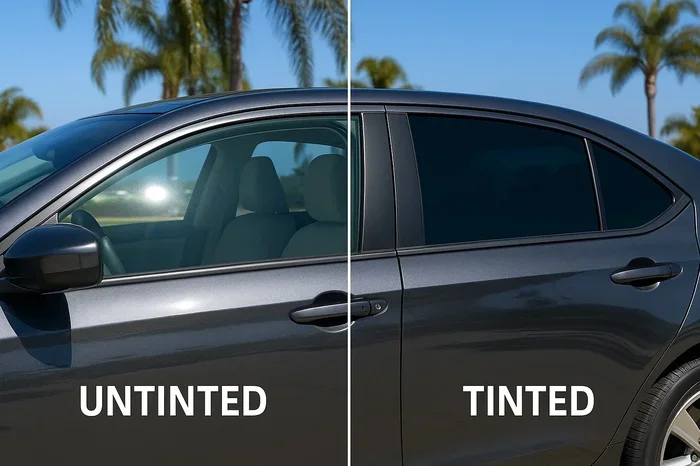
Car window tinting is the process of applying a thin film to the glass surfaces of your vehicle. This film comes in different shades and materials, and it serves several important purposes beyond just making your car look sleek. Let us break down what car window tinting actually does.
The Science Behind Window Tint
Window tint film is made from layers of polyester and other materials that block or absorb sunlight. The tint percentage refers to how much light the film allows through. A lower percentage means a darker tint. For example, a 5% tint lets through only 5% of light, while a 50% tint lets through half.
Different films offer different levels of UV protection and heat rejection. Some high-quality films can block up to 99% of harmful UV rays and reduce interior temperatures by up to 60%. This is especially important if you live in a hot climate or spend a lot of time parked in direct sunlight.
Why Car Owners Choose to Tint Their Windows
There are several reasons why people add aftermarket tint to their vehicles:
- UV Protection: Prolonged sun exposure can cause skin damage and fade your interior. Good tint blocks most UV rays.
- Heat Reduction: Tinted windows keep your car cooler, which means less reliance on air conditioning and better fuel economy.
- Privacy and Security: Tinted windows make it harder for people to see inside your car, which adds a layer of security.
- Glare Reduction: Driving with less glare from the sun or headlights at night makes for a safer and more comfortable ride.
- Style: Let us be honest. A tinted car just looks better. It is one of the easiest vehicle customization options available.
Before you decide between dealership tinting or a DIY car tint approach, it helps to understand what each option really delivers.
Do Dealerships Tint Your Car? What to Expect
If you are buying a new car, you have probably been asked whether you want window tinting added during the purchase process. So, do dealerships tint your car? Yes, they do, but there are important details you should know before you say yes.
What Dealership Tinting Typically Includes
Most dealerships that offer tinting use a standard package. This usually includes a basic car window film applied to the rear and side windows. The quality of the film can vary a lot from one dealership to another. Some use premium brands, while others use budget-grade material that may not last as long.
Dealership tinting is often bundled with other dealership services like paint protection film or extended warranties. This can make it feel like a convenient one-stop shop. However, convenience does not always mean the best value.
For comparison, dealership services like key battery replacement are often included for free or at a discount, but the quality may not match what you would get from an independent specialist. The same principle applies to window tinting.
Pros of Getting Tint Done at the Dealership
- Convenience: You can get everything done in one visit. No need to schedule a separate appointment.
- Bundled Pricing: Sometimes tinting is discounted when purchased with a vehicle.
- No Effort Required: You do not have to do anything. Just pick it up when it is done.
- Warranty Through the Dealer: Some dealerships offer a tint warranty backed by their service department.
Cons of Dealership Tinting
- Limited Film Options: You usually cannot choose the exact film or tint percentage you want.
- Lower-Quality Materials: Budget films may fade, bubble, or peel within a year or two.
- Higher Cost: Dealership add-ons often come with a markup compared to buying the film and installation separately.
- Less Control Over Quality: You are trusting the dealership’s installation team, and quality can vary.
If you are considering upgrading your vehicle with tinting, it is worth weighing these pros and cons carefully before committing.
Dealership Tinting vs DIY: A Side-by-Side Comparison
Now that you know what dealership tinting looks like, let us compare it directly with the DIY car tint route. This comparison will help you decide which option fits your needs, skills, and budget.
| Factor | Dealership Tinting | DIY Tinting |
|---|---|---|
| Cost | Higher (often $200-$500+) | Lower ($50-$200 for materials) |
| Film Quality | Limited to what they stock | You choose the brand and grade |
| Convenience | Very convenient | Requires time and effort |
| Installation Quality | Professional, but varies | Depends on your skill level |
| Customization | Minimal | Full control over tint percentage and coverage |
| Warranty | Dealer-backed | Manufacturer-backed (if you buy quality film) |
| Time to Complete | 1-2 hours | 2-4 hours (for a full set) |
When Dealership Tinting Makes Sense
Dealership tinting is a solid choice if you value convenience above all else. If you are buying a new car and do not want to worry about the details, letting the dealership handle it saves you time and effort. It is also a good option if you are not confident in your ability to apply tint evenly without bubbles or wrinkles.
When DIY Tinting Is the Better Choice
DIY car tint is ideal if you want full control over the quality and look of your tint. With a good car tinting kit, you can choose premium films with superior UV protection and heat rejection. You also save money, which is always a plus. Many car owners find that the satisfaction of doing it themselves is well worth the extra effort.
Quick Tip: If you are new to DIY car tint, start with a smaller window like the rear side window before tackling all the windows. This gives you practice without the pressure of getting every panel perfect on your first try.
How Much Does Car Window Tinting Cost?
Window tint cost is one of the biggest factors that influences the decision between dealership tinting and DIY. Let us break down the numbers so you can budget accordingly.
Dealership Tinting Costs
Dealership tinting packages typically range from $200 to $500 or more, depending on the vehicle size and the film brand they use. Some dealerships include tinting for free with certain trim levels or promotional packages. However, the film quality in these deals is often basic, and you may not get the best heat rejection or durability.
DIY Tinting Costs
A basic car tinting kit costs anywhere from $50 to $200, depending on the film quality and how many windows you want to cover. Premium kits with ceramic or carbon films can run $200 to $400, but they still cost less than most dealership options. The trade-off is your time and effort.
Quick Tip: When buying a DIY car tint kit, look for films that come with a tint warranty. This protects you against bubbling, peeling, or fading over time.
Professional Installation Costs (Non-Dealership)
If you want professional results without going through the dealership, independent tint shops charge between $150 and $400 for a full vehicle. These shops often carry higher-quality films and have more experienced installers than dealership service departments.
For comparison, car paint protection film cost follows a similar pricing structure, where professional installation costs more but delivers better long-term results.
Benefits of Professional Car Window Tinting
Whether you choose a dealership, an independent shop, or a DIY car tint approach, there are clear benefits to getting quality car window tinting done right. Let us look at the top advantages.
Superior UV and Heat Protection
High-quality car window film blocks up to 99% of UV rays. This protects your skin during long drives and prevents your dashboard, seats, and steering wheel from fading and cracking. Heat rejection is equally important, especially during summer months. A good tint can reduce interior temperatures by 30 to 60 degrees, making your car more comfortable and reducing air conditioning workload.
Enhanced Privacy and Safety
Tinted windows make it harder for people to see your belongings inside the car. This is a simple but effective theft deterrent. In addition, if a window does break, the tint film helps hold the glass together, reducing the risk of injury from flying shards.
Improved Appearance and Resale Value
A freshly tinted car looks polished and well-maintained. This small vehicle customization can boost your car’s resale value and curb appeal. Potential buyers often view tinted windows as a premium feature, especially if the tint is high quality and well-maintained.
Long-Term Durability
Professional-grade aftermarket tint can last 5 to 10 years or more with proper care. Budget films from some dealerships may only last 1 to 3 years before showing signs of wear like tint bubbling, peeling, or discoloration. Investing in quality film and proper installation pays off in the long run.
Expert Insight: When choosing your tint, pay attention to the tint percentage and local legal tint limits. Most states allow darker tints on rear windows than on the front windshield and driver-side windows. Check your state’s regulations before purchasing to avoid fines or having to remove the tint later.
Common Mistakes to Avoid When Tinting Your Car
Whether you are getting tint done at a dealership or tackling a DIY car tint project, certain mistakes can ruin the results. Here is what to watch out for.
Choosing the Wrong Tint Percentage
One of the most common mistakes is picking a tint that is too dark for your state’s legal tint limits. In many states, front side windows must allow at least 70% of light through. Going darker than the legal limit can result in tickets, failed inspections, and even having to remove the tint entirely.
Skipping the Prep Work
If you are doing DIY tinting, proper surface preparation is critical. Clean the windows thoroughly with a glass cleaner and a lint-free cloth. Any dust or debris left on the glass will show under the film and create bumps or bubbles that are hard to fix.
Rushing the Installation
Car window tinting requires patience. Rushing through the application leads to wrinkles, misalignment, and trapped moisture. Take your time, work in a dust-free environment, and use a car tinting kit that includes all the tools you need, including a squeegee, application solution, and heat gun.
Ignoring the Cure Time
After installation, give the tint time to cure. Most films need 2 to 4 days to fully adhere to the glass. During this time, avoid rolling down the windows or wiping the windows. Rushing the cure process can cause the film to peel or shift.
Common Mistake: Many people forget to check whether their tint warranty covers bubbling or fading. Read the warranty terms carefully before purchasing, and make sure the installer registers the warranty if required.
Final Thoughts: Should You Let the Dealership Tint Your Car or Go DIY?
So, do dealerships tint your car? Yes, they do, and it can be a convenient option if you are buying a new vehicle. But convenience does not always mean the best value or the highest quality.
If you want the best results, the most customization, and the best UV protection and heat rejection, a DIY car tint or a visit to a dedicated tint shop is often the better route. You get to choose the film, the tint percentage, and the level of quality that fits your needs and budget.
On the other hand, if you prefer a hands-off approach and are happy with a basic tint, dealership tinting gets the job done with minimal effort. Just be sure to ask about the film brand, tint warranty, and whether the installation meets your state’s legal tint limits.
No matter which route you choose, car window tinting is a worthwhile vehicle upgrade that enhances comfort, protects your interior, and adds style to your ride. Take your time, do your research, and enjoy the results.
Quick Tip: Before you commit to any tinting option, get quotes from at least two or three sources. Compare the film quality, warranty terms, and total cost. This simple step can save you money and ensure you get the best car window tinting experience possible.
Frequently Asked Questions
Do dealerships tint your car for free?
Some dealerships include window tinting for free with certain vehicle packages or promotional offers. However, most charge an additional fee that typically ranges from $200 to $500. Always ask for details about the film brand and tint warranty before agreeing to the service.
Can I tint my car myself if I have no experience?
Yes, you can. Many DIY car tint kits are designed for beginners and come with detailed instructions. Start with a smaller window to practice your technique before tackling all the windows. Watch tutorial videos and take your time to avoid common mistakes like bubbles and wrinkles.
What is the best tint percentage for a car?
The best tint percentage depends on your needs and local laws. A 35% tint is popular for a good balance of style and visibility. For maximum heat rejection and UV protection, ceramic films in the 20% to 35% range work well. Always check your state’s legal tint limits before choosing your shade.
How long does car window tint last?
High-quality car window film can last 5 to 10 years with proper care. Budget films from some dealerships may only last 1 to 3 years. The lifespan depends on the film quality, installation method, and how well you maintain the tint over time.
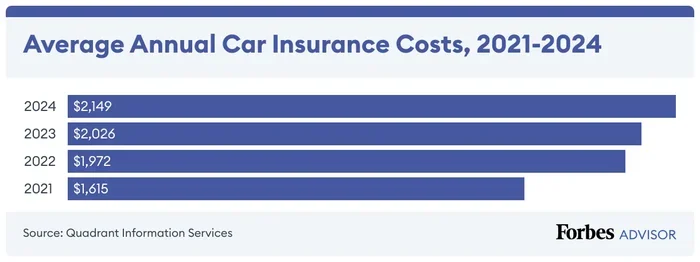
Does tinting your car affect your insurance?
In most cases, car window tinting does not directly affect your insurance rates. However, if your tint is darker than your state’s legal tint limits, it could cause issues during a claim or inspection. Always ensure your tint complies with local regulations to avoid any complications.
What is the difference between ceramic and dyed tint film?
Ceramic tint film offers superior heat rejection and UV protection without interfering with electronic signals like GPS or phone reception. Dyed film is more affordable but offers less heat rejection and can fade over time. For the best long-term performance, ceramic aftermarket tint is the preferred choice among car owners.