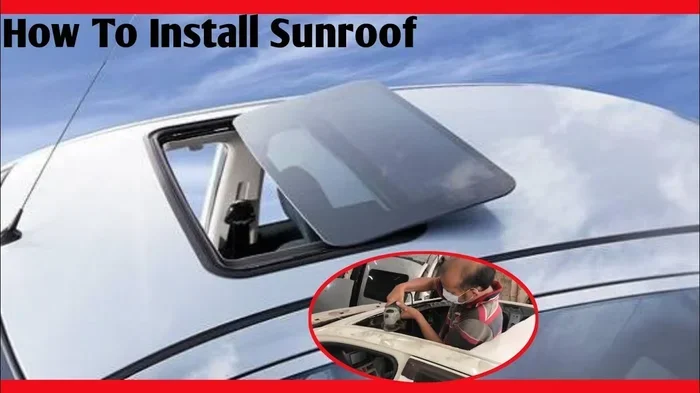
Car Sunroof Installation Prices and What You Need to Know
Car sunroof installation prices typically range from $300 to $2,500 depending on the sunroof type, vehicle model, and whether you choose factory or aftermarket options. This guide covers every cost factor so you can budget confidently and avoid surprise expenses.
Thinking about adding a sunroof to your car? You are not alone. Car sunroof installation prices have become a hot topic among vehicle owners who want to bring more light and fresh air into their cabins. A sunroof can completely transform how a car feels inside. It makes the interior brighter, more spacious, and more enjoyable on long drives.
But here is the thing. The cost of getting a sunroof installed can vary a lot. It depends on the type of sunroof, your vehicle, and whether you go with a factory or aftermarket option. This guide breaks down everything you need to know about car sunroof installation prices. We will walk you through the numbers, the factors that affect cost, and how to avoid common mistakes that cost you extra money.
Whether you are looking at a simple pop-up sunroof or a fancy panoramic unit, this article has you covered. We will also share practical tips, expert insights, and real-world examples to help you make the best decision for your budget and your car.
Key Takeaways
- Average Cost Range: Most car sunroof installations fall between $300 and $2,500, with panoramic units on the higher end.
- Factory vs. Aftermarket Matters: Factory-installed sunroofs cost more but offer better fit and warranty coverage.
- Vehicle Model Impacts Price: Luxury and rare vehicles often carry higher installation and part costs.
- DIY Is Possible But Risky: Aftermarket kits can save money, but improper installation leads to leaks and damage.
- Hidden Costs Exist: Wiring, drainage, sealing, and tinting add to the total bill.
- Maintenance Reduces Long-Term Costs: Regular cleaning and seal checks prevent expensive repairs later.
📑 Table of Contents
- Understanding Car Sunroof Installation Prices
- Factory vs. Aftermarket Sunroof Options
- Hidden Costs You Should Know About
- How to Save Money on Sunroof Installation
- Common Mistakes That Increase Sunroof Costs
- Types of Car Sunroofs Explained
- Sunroof Maintenance Tips to Avoid Costly Repairs
- Is a Sunroof Worth the Investment?
- Conclusion
Understanding Car Sunroof Installation Prices
Before diving into the numbers, it helps to understand what goes into the cost. Car sunroof installation prices are not a one-size-fits-all figure. Several moving parts determine the final amount you will pay. Let us break it down so nothing catches you off guard.
What Affects Sunroof Installation Cost
Multiple factors influence how much you will spend. Here are the biggest ones:
- Type of sunroof: A basic pop-up sunroof costs less than a sliding or panoramic unit.
- Vehicle make and model: Luxury cars and rare models often require specialized parts and labor.
- Factory vs. aftermarket: Factory sunroofs come with better fit and warranty but cost more upfront.
- Labor rates: Installation costs vary by region and shop expertise.
- Additional features: Tinting, drainage systems, wiring, and motor upgrades add to the price.
Average Price Ranges by Sunroof Type
Here is a general idea of what you can expect to pay. Keep in mind these are national averages and can vary based on your location and vehicle.
- Pop-up sunroof: $300 to $800
- Top-mount sliding sunroof: $500 to $1,200
- Inbuilt sliding sunroof: $800 to $1,800
- Panoramic sunroof: $1,200 to $2,500
- Moonroof (with tinted glass): $400 to $1,000
These ranges cover both the parts and the labor. Aftermarket kits tend to fall on the lower end, while factory replacements or premium units push the price higher. Always ask for a detailed quote before committing to any work.
Factory vs. Aftermarket Sunroof Options
One of the biggest decisions you will make is whether to go with a factory sunroof or an aftermarket one. Both have pros and cons, and the choice directly impacts your car sunroof installation prices.
Factory Sunroof Pros and Cons
A factory sunroof comes installed from the manufacturer. It is designed specifically for your vehicle model. Here is what you need to know:
- Pros: Perfect fit, OEM warranty, better resale value, and higher build quality.
- Cons: Higher upfront cost, harder to find for older models, and limited customization.
If you are buying a used car that already has a sunroof, you are in luck. Factory units tend to be more reliable and require less maintenance over time. The initial cost is higher, but you often save money in the long run.
Aftermarket Sunroof Pros and Cons
An aftermarket sunroof is a kit you add to your vehicle after purchase. These kits come in many styles and price points. Here is the breakdown:
- Pros: Lower cost, more variety, easier to find, and great for older vehicles.
- Cons: Fit may not be perfect, shorter warranty, and installation quality depends on the installer.
Aftermarket kits are a popular choice for budget-conscious car owners. A good quality kit with professional installation can deliver great results without breaking the bank. Just make sure you choose a reputable installer who has experience with your specific vehicle.
Quick Comparison Table
| Feature | Factory Sunroof | Aftermarket Sunroof |
|---|---|---|
| Average Cost | $1,000 – $2,500 | $300 – $1,500 |
| Fit Quality | Perfect OEM fit | Varies by kit and installer |
| Warranty | Full OEM coverage | Limited, depends on brand |
| Resale Value | Higher | Moderate |
| Customization | Limited | Wide variety |
| Best For | New or luxury vehicles | Budget or older vehicles |
The right choice depends on your budget, your vehicle, and your long-term plans. If you keep your car for many years, a factory unit often pays for itself through reliability and resale value.
Hidden Costs You Should Know About
Here is something many people overlook. The sticker price for a sunroof is not the full story. There are several hidden costs that can sneak up on you if you are not prepared.
Wiring and Electrical Work
Most modern sunroofs come with electric controls. This means additional wiring needs to be routed through your car’s roof. If your vehicle does not already have the wiring harness in place, you will need to factor in the cost of this work. Electrical upgrades can add $100 to $400 to the total bill.
Drainage System Installation
A proper drainage system is essential for any sunroof. Without it, water can pool inside your roof and cause leaks, mold, and damage. Installing or cleaning drainage channels typically costs between $50 and $150. It is a small price to pay for peace of mind.
Seal and Weatherproofing
High-quality seals and weatherproofing materials protect your sunroof from leaks and noise. These materials are not always included in the base price. Budget an extra $50 to $100 for quality sealing work.
Tinting and UV Protection
Many sunroof owners choose to tint the glass for UV protection and privacy. Tinting a sunroof adds $100 to $300 depending on the type of film and the size of the glass. This is a worthwhile investment that protects your interior from sun damage.
When budgeting for your sunroof, always ask the installer for a full breakdown of all costs. A transparent quote should include parts, labor, wiring, seals, and any additional features. This way, there are no surprises when the bill arrives.
How to Save Money on Sunroof Installation
Nobody wants to overspend on a car upgrade. The good news is there are several smart ways to keep your car sunroof installation prices reasonable without sacrificing quality.
Get Multiple Quotes
This is the single best thing you can do. Call at least three different shops and ask for detailed quotes. Compare not just the price but what is included. A cheaper quote might leave out wiring or sealing, which means hidden costs later.
Consider an Aftermarket Kit
If you have an older vehicle or a tight budget, an aftermarket kit can save you hundreds of dollars. Just make sure the installer has experience with the specific brand and model you choose. A poorly installed aftermarket sunroof leads to leaks and expensive repairs.
Timing Matters
Some shops offer discounts during slower months. Winter is often a great time to schedule sunroof installation because demand drops. You might find seasonal deals or package pricing that saves you money.
DIY for the Right Kit
Some aftermarket sunroof kits are designed for DIY installation. If you are handy and have the right tools, you can save on labor costs entirely. However, we strongly recommend professional installation for anything involving electrical wiring or roof cutting. A mistake here can lead to water damage that costs far more to fix.
Expert Insight: What Mechanics Wish You Knew
Experienced auto technicians often say the same thing. The cheapest quote is not always the best deal. A lower price might mean cheaper parts, rushed work, or skipped steps like proper sealing and drainage. Always ask what is included in the quote and whether the installer offers a warranty on their work.
One mechanic shared this advice. “I have seen too many cars come in with sunroofs that leaked because someone cut corners during installation. A proper job takes time and skill. Pay for quality, and you will save money in the long run.”
Common Mistakes That Increase Sunroof Costs
Avoiding these common mistakes can save you hundreds of dollars and a lot of headaches.
Skipping the Drainage Check
Many people forget about the drainage system. Without proper drainage, water collects in the sunroof frame and leaks into the cabin. This causes water damage to your headliner, seats, and electronics. Always have the installer check and clean the drainage channels during installation.
Choosing the Wrong Installer
Not every auto shop has experience with sunroof installation. Choosing a general mechanic who rarely works on sunroofs increases the risk of errors. Look for shops that specialize in glass work or sunroof services. Check reviews, ask for references, and verify their experience with your vehicle model.
Ignoring the Warranty
A good warranty protects you from unexpected repair costs. Many aftermarket kits come with limited warranties, and professional installation often includes a workmanship guarantee. Read the fine print and understand what is covered before you sign on the dotted line.
Forgetting About Ongoing Maintenance
A sunroof needs regular care to stay in good shape. Dirt and debris can clog the tracks and drains. Sealant can dry out and crack over time. Simple maintenance like cleaning the tracks every few months and checking the seals twice a year prevents costly repairs later.
Not Factoring in Resale Value
A sunroof can boost your car’s resale value. Buyers love vehicles with sunroofs because they add to the overall driving experience. When calculating the cost, think about the long-term value, not just the upfront price. A well-installed sunroof often pays for itself when it comes time to sell.
Types of Car Sunroofs Explained
Understanding the different types of sunroofs helps you make a smarter choice. Each type has its own price range and benefits.
Pop-Up Sunroof
This is the most basic and affordable type. It tilts open at the front and provides ventilation. Pop-up sunroofs are simple to install and maintain. They work well for people who just want a little extra airflow without a big investment.
Top-Mount Sliding Sunroof
This type slides open between the roof panels. It offers a larger opening than a pop-up and gives you more control over ventilation. Top-mount sliding sunroofs are a popular mid-range option that balances cost and functionality.
Inbuilt Sliding Sunroof
This sunroof slides between the roof and the headliner, creating a seamless look. It is more complex to install and costs more than pop-up or top-mount options. Inbuilt units are common in mid-range and luxury vehicles.
Panoramic Sunroof
A panoramic sunroof covers a large portion of the roof, often with two or more panels. It creates an open, airy feel in the cabin. This is the most expensive option, with car sunroof installation prices often reaching $2,000 or more. Panoramic units are popular in SUVs and luxury sedans.
Moonroof
A moonroof is similar to an inbuilt sunroof but typically uses tinted or tinted glass. It does not usually open fully but provides natural light and a sleek appearance. Moonroofs are a good middle-ground option for those who want the look without the full functionality of an opening sunroof.
Sunroof Maintenance Tips to Avoid Costly Repairs
Once your sunroof is installed, proper maintenance keeps it working smoothly and prevents expensive repairs. Here are some simple tips.
- Clean the tracks monthly: Use a soft brush and mild cleaner to remove dirt and debris from the sunroof tracks.
- Check the seals every six months: Look for cracks, peeling, or gaps in the rubber seals around the sunroof.
- Lubricate moving parts: Apply a silicone-based lubricant to the tracks and hinges to keep everything sliding smoothly.
- Clear the drainage channels: Make sure water can flow freely through the drainage tubes. Use a pipe cleaner or compressed air to clear any blockages.
- Avoid slamming the sunroof: Always close it gently to prevent damage to the glass, seals, and motor.
- Address small issues quickly: A small leak or unusual noise today can become a big repair bill tomorrow.
Regular maintenance takes just a few minutes each month. It extends the life of your sunroof and keeps car sunroof installation prices from becoming a recurring expense. Think of it as insurance against costly repairs down the road.
Is a Sunroof Worth the Investment?
This is a question many car owners ask. The answer depends on your lifestyle, budget, and how long you plan to keep your vehicle.
A sunroof adds real value to your daily driving experience. Natural light makes the cabin feel more open and welcoming. Fresh air on a nice day is a simple pleasure that enhances every drive. For many people, the enjoyment alone is worth the cost.
From a financial perspective, a sunroof can improve resale value. Many buyers are willing to pay more for a car with a sunroof. Studies show that vehicles with sunroofs often sell faster and at higher prices than those without.
However, a sunroof is not for everyone. If you live in a rainy climate or plan to sell your car within a year, the investment might not make sense. Weigh the pros and consider your personal situation before making a decision.
The key is to work with a trusted installer who gives you a clear, detailed quote. When you understand the full car sunroof installation prices breakdown, you can make a confident decision that fits your budget and your needs.
Conclusion
Car sunroof installation prices depend on many factors, but understanding them puts you in control. From the type of sunroof to your vehicle model and the installer you choose, every decision shapes the final cost. By getting multiple quotes, avoiding hidden fees, and choosing quality over the cheapest option, you can enjoy a sunroof that adds value and enjoyment to your driving experience.
Remember to budget for the extras. Wiring, drainage, seals, and tinting all contribute to the total cost. And once your sunroof is installed, a little regular maintenance goes a long way in preventing expensive repairs. A sunroof is an investment that rewards you with a brighter, more enjoyable ride for years to come.
Take your time, do your research, and choose a setup that makes sense for your car and your budget. With the right approach, you will get a sunroof that looks great, works perfectly, and adds real value to your vehicle.
Frequently Asked Questions
How much does it cost to install a sunroof in a car?
On average, car sunroof installation prices range from $300 to $2,500. The exact cost depends on the type of sunroof, your vehicle model, and whether you choose a factory or aftermarket option. Always ask for a detailed quote that includes parts, labor, and any additional work.
Can I install a sunroof myself to save money?
While DIY kits exist, sunroof installation involves cutting into your roof, wiring, and sealing. Mistakes can lead to leaks and expensive water damage. We strongly recommend professional installation unless you have significant experience with automotive glass work.
Do sunroofs increase a car’s resale value?
Yes, a sunroof can boost resale value. Many buyers prefer vehicles with sunroofs because they add to the driving experience. A well-maintained sunroof often helps your car sell faster and at a higher price than similar models without one.
What is the difference between a sunroof and a moonroof?
A sunroof typically opens and provides ventilation. A moonroof usually has tinted glass and does not open fully. It is designed mainly to let in natural light. Both terms are often used interchangeably, but they refer to slightly different features.
How often should I maintain my car sunroof?
You should clean the sunroof tracks monthly and check the seals every six months. Lubricating moving parts and clearing drainage channels regularly prevents buildup and keeps everything working smoothly. Consistent maintenance avoids costly repairs.
Are aftermarket sunroofs as good as factory ones?
Aftermarket sunroofs can be just as good if you choose a reputable brand and a skilled installer. They cost less upfront but may not match the exact fit and warranty of a factory unit. The key is to invest in quality parts and professional installation to get the best results.