Car Gear Shift Problem Common Fixes That Actually Work
A car gear shift problem can range from minor roughness to complete inability to change gears. This article covers the most common causes, practical DIY fixes, and expert advice to help you diagnose and solve gear shifting difficulties safely.
Key Takeaways
- Identify the symptoms early: Rough shifting, grinding gears, or delayed engagement are warning signs of a car gear shift problem that needs attention.
- Check transmission fluid first: Low or dirty fluid is one of the simplest and most common causes of gear shifting difficulties.
- DIY fixes can save money: Adjusting the gear linkage, replacing the clutch cable, or flushing transmission fluid often resolves the issue.
- Don’t ignore warning signs: Driving with a serious transmission issue can lead to costly damage and unsafe driving conditions.
- Regular maintenance prevents problems: Routine transmission fluid changes and inspections keep your vehicle shifting smoothly for years.
- Professional help is needed for complex issues: Internal transmission damage, solenoid failures, and synchronization problems require expert diagnosis and repair.
📑 Table of Contents
Car Gear Shift Problem Common Fixes That Actually Work
Nothing is more frustrating than trying to shift gears and feeling resistance, hearing grinding noises, or experiencing total gear failure. A car gear shift problem can strike any driver, whether you drive a manual or automatic vehicle. These transmission issues range from a minor inconvenience to a dangerous situation on the road.
The good news? Many gear shifting difficulties have simple, affordable fixes. You do not need to spend hundreds of dollars right away. In this guide, we will walk you through the most common causes, practical DIY solutions, and expert tips to get your car shifting smoothly again. Whether you are a DIY enthusiast or just looking for reliable advice, this article has you covered.
We will also help you understand when it is time to see a professional. Let us dive in and tackle your gearbox problems head-on.
What Is a Car Gear Shift Problem?
A car gear shift problem refers to any issue that prevents your vehicle from changing gears properly. Your transmission system relies on many moving parts working together. When one piece fails or wears out, you feel it immediately through rough, delayed, or impossible gear changes.
There are two main types of transmissions found in vehicles today:
- Manual transmission: The driver manually selects gears using a clutch and shift lever. These vehicles often experience clutch problems and gear linkage issues.
- Automatic transmission: The car shifts gears on its own using fluid pressure and electronic controls. Rough shifting and delayed gear engagement are common complaints here.
Both types can develop vehicle transmission problems over time. The key is catching the issue early before small problems snowball into expensive repairs. Let us look at the most common symptoms that signal something is wrong.
Common Symptoms of Gear Shift Issues
Knowing the warning signs helps you act fast. Here are the most common symptoms drivers report:
- Grinding gears: You hear a harsh scraping sound when shifting. This often points to gear synchronization wear or a worn clutch.
- Difficulty shifting into gear: The shifter feels stuck or stiff. The shifter mechanism or clutch cable may need adjustment.
- Slipping gears: The gear slips out of place after shifting. This is a serious safety concern.
- Delayed engagement: There is a pause between selecting a gear and feeling the car move. Transmission fluid issues often cause this.
- Strange noises: Clicking, humming, or whining sounds from the transmission area.
- Burning smell: Overheated transmission fluid produces a distinct burnt odor.
If you notice any of these signs, do not ignore them. Addressing a car gear shift problem early saves you time, money, and stress.
Common Causes of Gear Shift Problems
Understanding why your car struggles to shift gears is the first step toward a fix. Here are the most frequent causes behind gear shifting difficulties.
Low or Dirty Transmission Fluid
Transmission fluid is the lifeblood of your gearbox. It lubricates internal parts, cools the system, and creates the hydraulic pressure needed to shift gears. When this fluid gets low or dirty, your transmission simply cannot function properly.
Dirty fluid loses its viscosity over time. It becomes sluggish and fails to flow through the transmission solenoid and valve body effectively. The result? Rough shifting or complete gear failure. Most manufacturers recommend changing your transmission fluid every 30,000 to 60,000 miles. Skipping this maintenance is one of the biggest mistakes drivers make.
Worn Clutch (Manual Vehicles)
If you drive a manual car, the clutch is the most likely culprit behind a car gear shift problem. The clutch disc wears down over time from regular use. A worn clutch causes slipping, grinding, and difficulty getting into gear.
You can extend clutch life by avoiding these bad habits:
- Resting your foot on the clutch pedal while driving
- Holding the car on a hill using only the clutch instead of the brake
- Shifting gears roughly or racing the engine
Faulty Gear Linkage
The gear shift linkage connects your shifter lever to the transmission. Over time, bushings, joints, and cables in this linkage can wear out or get misaligned. When this happens, your shifter feels loose, stiff, or inaccurate. Adjusting or replacing these parts often resolves the issue without touching the transmission itself.
Transmission Solenoid Failure
Modern automatic vehicles use transmission solenoids to control fluid flow and gear changes. A faulty solenoid disrupts this flow, leading to delayed gear engagement, rough shifts, or limp mode. Solenoids are relatively inexpensive to replace but require proper diagnosis first.
Gear Synchronization Issues
Inside your transmission, synchronizer rings help gears mesh smoothly. When these rings wear thin, you experience gear grinding and difficulty engaging specific gears. This problem is more common in older vehicles or those driven aggressively. Repairing synchronization issues usually requires partial transmission disassembly.
How to Diagnose Your Gear Shift Issue
Before jumping into repairs, you need to diagnose the root cause correctly. A systematic approach saves you from wasting money on the wrong fix.
Step 1: Check Your Transmission Fluid
Start with the simplest check. Park your car on a level surface and let the engine run. Locate the transmission dipstick (consult your owner’s manual if needed). Pull it out, wipe it clean, reinsert it, then pull it out again.
Check two things:
- Level: Is the fluid between the MIN and MAX marks? If it is low, top it off and look for leaks.
- Color and smell: Healthy fluid is red or pink and smells slightly sweet. Brown, dark fluid with a burnt smell needs an immediate change.
Step 2: Inspect the Clutch and Linkage
For manual transmission owners, inspect the clutch pedal feel. Does it feel spongy, too high, or too low? A clutch cable adjustment or replacement often fixes these issues. Look underneath the car for visible damage to the linkage components and bushings.
Step 3: Scan for Error Codes
Modern vehicles store error codes in their onboard computer. Use an OBD-II scanner to read these codes. Codes related to the transmission solenoid, pressure control, or speed sensors point directly to the problem area. This step is especially helpful for automatic transmission owners dealing with vehicle transmission issues.
Step 4: Road Test with Purpose
Take your car for a drive and pay attention. Note exactly when the problem occurs. Does it happen only when cold? Only under load? When shifting into a specific gear? These details help a mechanic pinpoint the issue faster.
DIY Fixes That Actually Work
Now for the part you have been waiting for. Here are proven transmission repair fixes you can do at home. These solutions work for most common car gear shift problem scenarios.
Fix 1: Change Your Transmission Fluid
This is the number one fix for rough shifting and delayed gear engagement. Here is how to do it:
- Warm up the engine for about 5 minutes.
- Place a drain pan under the transmission pan bolt.
- Remove the pan bolt and let the old fluid drain completely.
- Replace the transmission filter if accessible.
- Reinstall the pan and refill with the correct fluid type listed in your owner’s manual.
- Check the level with the dipstick after refilling.
You will often notice an immediate improvement in shift quality after a fresh fluid change. This simple fix costs under $50 if you do it yourself.
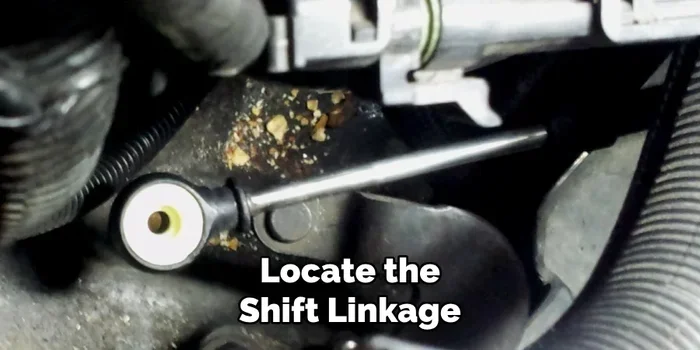
Fix 2: Adjust the Gear Shift Linkage
A loose or misaligned gear shift linkage makes shifting feel sloppy or difficult. Here is a quick approach:
- Locate the shift linkage under the center console or beneath the vehicle.
- Check for worn bushings, loose nuts, or bent rods.
- Tighten all mounting hardware to factory specifications.
- Adjust the cable or rod length according to your service manual.
- Test shift quality after each adjustment.
Many auto parts stores sell replacement linkage kits for under $30. This fix takes about 30 minutes for most vehicles.
Fix 3: Replace the Clutch Cable
If your manual car has a clutch cable that feels stretched or won’t return properly, replacing it is a straightforward job. A new cable costs around $20 to $40. You will need basic hand tools and about an hour. After installation, adjust the cable free play per your vehicle’s specifications. This restores clean clutch engagement and eliminates many gear shifting difficulties.
Fix 4: Flush the Transmission
For vehicles with severe transmission issues caused by years of neglected fluid, a full flush may be necessary. Unlike a simple drain and fill, a flush replaces nearly all the old fluid using a machine. This method is especially effective for automatic transmissions experiencing delayed gear engagement. However, be cautious. Some mechanics advise against flushing high-mileage transmissions that have never had fluid changes, as it can dislodge debris and clog passages.
Fix 5: Replace the Transmission Filter
Many people forget about the transmission filter. A clogged filter restricts fluid flow and contributes to rough shifting. Replacing it during a fluid change takes minimal effort and significantly improves transmission maintenance outcomes.
Quick Tip: Always use the transmission fluid type recommended by your vehicle manufacturer. Using the wrong fluid can cause serious damage to internal components and void your warranty.
When to See a Professional Mechanic
Not every car gear shift problem can be fixed at home. Some situations demand professional expertise. Knowing when to call a mechanic protects both your safety and your wallet.
Signs You Need Professional Help
- Complete gear failure: You cannot shift into any gear at all. This could indicate major internal damage.
- Transmission slipping: Gears slip in and out without warning. This is extremely dangerous at highway speeds.
- Fluid leaks: You see red fluid pooling under your car. Leaks from the transmission pan, seals, or lines need professional attention.
- Error codes persist: You replaced the fluid and cleared codes, but they return immediately. The underlying issue is deeper.
- Expensive components: Problems with the transmission solenoid, torque converter, or internal gears require specialized tools and knowledge.
What to Expect at the Shop
A professional mechanic will perform a thorough transmission repair inspection. They typically start with a computer scan, fluid analysis, and road test. Then they may lift the vehicle to inspect the gear shift linkage, fluid lines, and mounting hardware. For serious issues, they recommend a teardown inspection of the transmission internals. Always ask for a written estimate before they begin any work.
Expert Insight: According to ASE-certified mechanics, over 60% of vehicle transmission failures could have been prevented with regular fluid changes and timely attention to early symptoms. Prevention is always cheaper than repair.
Preventing Future Gear Shift Problems
The best transmission maintenance strategy is prevention. You do not want to deal with a car gear shift problem if you can avoid it. Follow these proven tips to keep your gearbox healthy for years.
Follow the Manufacturer’s Maintenance Schedule
Your owner’s manual is your best friend. It lists the recommended intervals for transmission fluid changes, filter replacements, and inspections. Stick to this schedule religiously. Modern vehicles often recommend fluid changes every 60,000 to 100,000 miles for automatic transmissions. Manual transmissions typically need fluid changes every 30,000 to 60,000 miles.
Drive Smoothly
Aggressive driving wears out transmission components faster. Avoid these habits:
- Rapid acceleration from a stop
- Riding the clutch in manual vehicles
- Shifting gears harshly
- Towing beyond your vehicle’s capacity without proper cooling
Smooth driving reduces stress on every part of your vehicle transmission system.
Check Fluid Levels Monthly
Make it a habit to check your transmission fluid at least once a month. This takes just two minutes and helps you catch low levels before they cause damage. Keep a spare bottle of the correct fluid in your trunk for emergencies.
Address Problems Immediately
Never delay when you notice something off. A small clutch problem today can become a full transmission rebuild tomorrow. The longer you ignore gear shifting difficulties, the more expensive the fix becomes. Trust your instincts. If something feels wrong, investigate it right away.
Key Takeaway: Consistent transmission maintenance and prompt attention to symptoms keep your car shifting smoothly and prevent costly repairs down the road.
Conclusion
A car gear shift problem does not have to be a nightmare. Whether you are dealing with rough shifting, gear grinding, or delayed gear engagement, there is almost always a practical solution. Start with the basics. Check your transmission fluid, inspect the linkage, and try the DIY fixes we shared. Many drivers resolve their gearbox problems without ever visiting a shop.
However, do not push your luck. When symptoms persist or worsen, seek professional help immediately. A qualified mechanic can diagnose complex transmission issues involving solenoids, synchronizers, or internal damage. The key takeaway here is simple: regular maintenance, prompt action, and smart driving habits are your best defense against gear shifting difficulties.
Take care of your transmission, and it will take care of you. Apply these fixes today, and enjoy smooth, confident gear shifts on every drive.
Frequently Asked Questions
Why won’t my car shift into gear smoothly?
Rough or hesitant shifting usually comes from low or dirty transmission fluid, a worn clutch, or misaligned gear shift linkage. Start by checking your fluid level and condition. If the fluid looks brown or smells burnt, a fluid change often restores smooth shifting. For manual vehicles, a clutch cable adjustment or replacement may be needed.
How much does it cost to fix a car gear shift problem?
The cost varies widely depending on the cause. Simple fixes like a transmission fluid change cost $30 to $80 DIY. Clutch cable replacement runs about $50 to $100. Professional transmission repair for internal issues like solenoid failure or synchronization problems ranges from $250 to $1,500 or more. Always get a written estimate before work begins.
Can low transmission fluid cause gear shifting difficulties?
Absolutely. Transmission fluid creates the hydraulic pressure needed to engage gears. When fluid is low or dirty, pressure drops and your transmission struggles to shift properly. You may notice delayed gear engagement, rough shifts, or gears slipping. Topping off or changing the fluid often resolves these issues quickly.
Is it safe to drive with a gear shift problem?
It depends on severity. Minor rough shifting may be safe for short distances, but you should get it checked soon. However, slipping gears, complete gear failure, or fluid leaks are not safe to drive with. These conditions can cause sudden loss of power or control. Pull over safely and call for assistance if you experience severe symptoms.
How often should I change my transmission fluid?
Follow your vehicle manufacturer’s recommendations. Most automatic transmissions need fluid changes every 60,000 to 100,000 miles. Manual transmissions typically need changes every 30,000 to 60,000 miles. If you drive in severe conditions like heavy traffic, towing, or extreme heat, consider changing your transmission fluid more frequently to prevent transmission issues.
What is the difference between a worn clutch and a faulty transmission solenoid?
A worn clutch affects manual vehicles and causes grinding, slipping, and difficulty engaging gears. It is a mechanical issue related to the clutch disc and pedal system. A transmission solenoid issue affects automatic vehicles and controls fluid flow electronically. Symptoms include rough shifting, limp mode, and delayed engagement. A mechanic uses diagnostic tools to tell them apart accurately.