Acrylic Car Number Plates Everything You Need to Know
Acrylic car number plates are the standard choice for vehicle registration plates across the UK and many other countries. They offer excellent durability, weather resistance, and clarity that keeps your plates readable for years. Whether you need a replacement or want custom plates, acrylic provides the best combination of legal compliance and visual appeal. This guide covers everything from material benefits to installation and maintenance tips.
If you own a car, you have probably thought about your number plates at some point. Maybe they got scratched, faded, or cracked. Maybe you just want something that looks better on your vehicle. Whatever the reason, acrylic car number plates are the answer for most drivers. They are the standard material used for vehicle registration plates in the UK and many other countries around the world.
But what exactly makes acrylic the preferred choice? How do you choose the right plates? And what are the legal rules you need to follow? This guide answers all of those questions and more. By the end, you will know everything you need about acrylic number plates — from material benefits to installation tips and common mistakes to avoid.
Key Takeaways
- Acrylic is the go-to material for vehicle registration plates due to its strength and clarity.
- UK law requires specific standards for number plate materials, reflectivity, and lettering fonts.
- Custom acrylic plates let you personalize your car while staying road legal.
- 3D and gel number plates are popular acrylic-based styles that add a premium look.
- Proper installation and care extend the lifespan of your acrylic plates significantly.
- Weather resistance is a major benefit — acrylic plates handle rain, sun, and extreme temperatures well.
- Always buy from a registered supplier to ensure your plates meet legal requirements.
📑 Table of Contents
- What Are Acrylic Car Number Plates?
- Benefits of Acrylic Number Plates
- Legal Requirements for Car Number Plates
- How to Choose the Right Acrylic Number Plate
- Installing and Maintaining Acrylic Number Plates
- Common Mistakes to Avoid with Acrylic Number Plates
- How Long Do Acrylic Number Plates Last?
- Are Acrylic Number Plates Worth It?
What Are Acrylic Car Number Plates?
Acrylic car number plates are vehicle registration plates made from a rigid thermoplastic material called acrylic. Also known as PMMA (polymethyl methacrylate), this material is lightweight, transparent, and extremely strong. It is the same material used in things like aquariums, aircraft windows, and retail signage.
When it comes to custom number plates, acrylic is the go-to base material. The plate starts as a solid acrylic sheet, which is then cut, printed, and finished to meet strict regulatory standards. The result is a plate that looks clean, stays readable, and lasts for many years on your vehicle.
Why Acrylic Is the Preferred Material for Number Plates
You might wonder why acrylic is used instead of other materials. There are several good reasons.
- Lightweight: Acrylic plates are much lighter than metal alternatives, which helps with fuel efficiency and handling.
- Strong and rigid: They do not bend or warp easily, even in hot weather.
- Clear surface: Acrylic provides a smooth, transparent base that makes printed text and symbols pop.
- UV resistant: Good quality acrylic resists sun damage, which means your plates stay looking new longer.
- Affordable: Compared to some specialty materials, acrylic offers excellent value for money.
All of these qualities make acrylic the ideal number plate material for everyday driving conditions.
Benefits of Acrylic Number Plates
There are many practical advantages to choosing acrylic car number plates for your vehicle. Let us break down the biggest benefits.
Durability and Weather Resistance
Your car plates deal with a lot on a daily basis. They face rain, snow, intense sunlight, road salt, and even minor impacts from debris. Weather resistant plates made from acrylic handle all of this with ease.
The material does not rust like metal. It does not crack like cheap plastic. And it does not fade quickly under UV exposure when it is manufactured to proper standards. A well-made acrylic vehicle identification plate can last five to ten years or more without needing replacement.
Clarity and Visibility
One of the most important jobs of a car registration plate is to be clearly readable. Acrylic provides a brilliant clear base that ensures printed text and background markings stay sharp and visible. This is especially important at night when reflective plates bounce back headlight light.
Good acrylic plates use high-quality printing and reflective sheeting on the surface. This combination means your plate stays legible from a distance in all lighting conditions. Whether it is a foggy morning or a dark highway, your registration plate font remains easy to read.
Aesthetic Appeal
Let us be honest — your plates are part of your car’s appearance. Acrylic number plates look sleek and modern. They have a clean finish that complements any vehicle style. If you go for custom number plate designs, the acrylic base allows for vibrant colours and crisp lettering that really stand out.
Legal Requirements for Car Number Plates
Number plates are not just about looks. They are a legal requirement for every vehicle on the road. The rules around number plate standards are strict, and acrylic plates must meet these requirements to be considered road legal.
UK Number Plate Standards
In the United Kingdom, the DVLA (Driver and Vehicle Licensing Agency) sets the rules for vehicle registration plates. These rules cover the material, the reflective properties, the colour of the text, and even the specific font used.
All road legal plates must be made from a material that reflects light properly. Acrylic plates meet this requirement when they are paired with the correct reflective sheeting. The plates must also display the British Standard BS AU 145e mark on the bottom corner. This mark proves the plate has been manufactured to the correct specification.
Front and Rear Plate Rules
There are specific rules for the front and rear car registration plate:
- Front plate: Must have black text on a white background.
- Rear plate: Must have black text on a yellow background.
- No background patterns: The plate must be clean and free of decorative patterns that could obscure the lettering.
- Correct sizing: Plates must meet the exact dimensions required for the vehicle type.
These rules apply to all vehicle registration plates, including custom and personalised designs. Always make sure your supplier is registered with the DVLA to avoid any issues.
How to Choose the Right Acrylic Number Plate
Choosing the right acrylic number plates for your car involves more than just picking a design. There are several factors to consider to make sure you get a plate that is both legal and great looking.
Custom Number Plate Options
One of the best things about acrylic is that it works beautifully for custom number plate designs. You can choose from a wide range of options:
- Standard black and white plates for a clean, classic look.
- Coloured lettering plates that add a personal touch (note: these must still meet legal requirements).
- Styled number plates with different border options and flag designs.
- Private registration plates that display a unique combination of letters and numbers.
Whatever style you prefer, acrylic gives you a high-quality base that makes your design look sharp and professional.
3D and Gel Number Plate Styles
Two popular styles of acrylic car number plates are 3D plates and gel plates. Both use acrylic as the base material but create different visual effects.
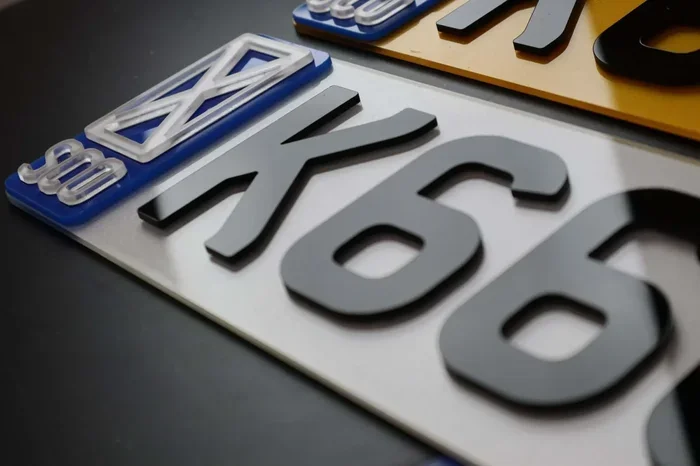
3D number plates use raised lettering that is bonded to the acrylic surface. The letters have depth and dimension, giving your plate a premium, textured look. They are made by cutting individual letters from acrylic and mounting them on the plate with a strong adhesive.
Gel number plates take a different approach. A clear gel layer is applied over the printed surface, creating a smooth, shiny, and slightly raised effect. The gel gives the plate a glossy finish that catches the light beautifully. Both styles are made from acrylic number plates and are fully road legal when manufactured correctly.
| Feature | 3D Plates | Gel Plates |
|---|---|---|
| Base Material | Acrylic | Acrylic |
| Lettering Style | Raised and dimensional | Flat with glossy gel layer |
| Visual Effect | Textured and bold | Smooth and shiny |
| Durability | High | High |
| Road Legal | Yes (when compliant) | Yes (when compliant) |
| Price Range | Moderate to high | Moderate to high |
Both options are excellent choices if you want your custom number plates to look more premium than standard flat plates.
Choosing a Reputable Number Plate Supplier
Where you buy your plates matters a lot. Always choose a number plate supplier that is registered with the DVLA and follows all legal standards. A reputable supplier will:
- Use high-quality acrylic sheets that meet British Standard requirements.
- Apply proper reflective sheeting for night-time visibility.
- Print using fade-resistant inks that stay clear over time.
- Provide the correct British Standard mark on every plate.
- Offer warranties or guarantees on their products.
Avoid buying plates from unregistered sellers or online marketplaces that do not verify compliance. Cheap, non-compliant plates can lead to fines, MOT failures, and even vehicle seizure.
Installing and Maintaining Acrylic Number Plates
Getting your new acrylic car number plates is only half the job. Proper installation and regular maintenance keep them looking great and ensure they remain road legal.
Proper Installation Tips
Installing acrylic plates is straightforward, but doing it correctly matters. Follow these steps for a clean and secure fit:
- Clean the mounting surface: Use rubbing alcohol or a mild cleaner to remove dirt and grease from the area where the plate will sit.
- Use the right fixings: Most acrylic plates come with pre-drilled holes. Use the screws or bolts provided, or choose high-quality adhesive clips designed for number plates.
- Apply even pressure: If using adhesive, press the plate firmly and hold for several seconds to ensure a strong bond.
- Check alignment: Make sure the plate is straight and centred before fully tightening all screws.
- Avoid over-tightening: Acrylic can crack if you apply too much pressure to the mounting points. Tighten just enough to hold the plate securely.
For the best number plate adhesive results, use products specifically designed for automotive use. These adhesives withstand temperature changes and road vibrations without losing grip.
Cleaning and Care
Keeping your acrylic plates clean is simple and helps them last longer. Here are some easy maintenance tips:
- Wash regularly: Use warm water and a mild car shampoo with a soft cloth. This removes dirt, bird droppings, and road grime.
- Avoid harsh chemicals: Strong solvents or abrasive cleaners can scratch the acrylic surface and damage the printed lettering.
- Dry with a microfibre cloth: This prevents water spots and streaks from forming on the plate.
- Inspect for damage: Check your plates periodically for cracks, chips, or fading. Replace them promptly if you notice any damage.
- Protect from extreme cold: In very cold weather, avoid using ice scrapers directly on the plates, as this can cause scratches.
With proper care, your acrylic number plates will stay clear, readable, and visually appealing for many years.
Common Mistakes to Avoid with Acrylic Number Plates
Even experienced car owners make mistakes when it comes to their plates. Here are some common errors to watch out for.
Using Non-Compliant Plates
The biggest mistake drivers make is buying plates that do not meet legal standards. Plates without the correct reflective properties, wrong font styles, or missing British Standard marks are not road legal. This can result in fines of up to £1,000 and your vehicle failing its MOT.
Ignoring Damage
Some drivers continue to use cracked, faded, or heavily scratched plates. Damaged plates are harder for cameras and other drivers to read, which creates a safety issue. If your plates are damaged, replace them right away with new acrylic car number plates.
Choosing the Wrong Supplier
Not all suppliers are equal. Some cut corners by using low-quality acrylic or cheap reflective sheeting. Always verify that your supplier is DVLA-registered and uses materials that meet British Standard requirements.
Over-Personalising
Custom plates are a great way to express yourself, but there are limits. You cannot use plates that make your vehicle look newer than it actually is. The rules around age-related identifiers on registration plates are strict, and breaking them can lead to penalties.
How Long Do Acrylic Number Plates Last?
The lifespan of your acrylic number plates depends on several factors, including quality of manufacture, exposure to the elements, and how well you maintain them. On average, a good quality acrylic plate lasts between five and ten years. Some plates last even longer with proper care.
If you notice the text becoming difficult to read, the reflective surface wearing off, or any structural damage, it is time for a number plate replacement. Replacing worn-out plates is not just about aesthetics — it is about safety and legal compliance on the road.
Are Acrylic Number Plates Worth It?
The short answer is yes. Acrylic car number plates offer the best combination of durability, clarity, legal compliance, and value for money. They are the standard material for a reason. Whether you need a simple replacement plate or want to invest in custom designs, acrylic delivers excellent results every time.
The material handles everyday driving conditions with ease. It resists weather damage, maintains its clarity, and looks professional on any vehicle. When paired with a reputable supplier and proper installation, acrylic plates are a smart choice for any car owner.
Take the time to choose the right plates for your vehicle. Pick a style that suits your taste, make sure they meet all legal requirements, and maintain them properly. Your acrylic number plates will serve you well for years to come.
Frequently Asked Questions
Are acrylic car number plates road legal in the UK?
Yes, acrylic car number plates are fully road legal in the UK as long as they meet DVLA standards. The plates must display the correct British Standard mark, use approved reflective sheeting, and follow the required font and colour rules. Always buy from a registered supplier to ensure compliance.
How do I know if my acrylic number plates are compliant?
Check the bottom corner of your plate for the British Standard BS AU 145e mark. This mark confirms the plate has been manufactured to the correct specification. You can also check with your supplier to verify that the materials and printing meet all legal requirements.
Can I get custom designs on acrylic number plates?
Yes, acrylic is an excellent base material for custom number plates. You can choose from a range of colours, fonts, borders, and flag designs. However, all custom plates must still meet the legal requirements for readability, reflectivity, and font style set by the DVLA.
What is the difference between 3D and gel number plates?
Both 3D and gel plates use acrylic as the base material. 3D plates have raised lettering that is cut and bonded to the surface for a textured look. Gel plates have a clear glossy gel layer applied over the printed surface for a smooth, shiny finish. Both styles are road legal when manufactured to the correct standards.
How do I clean my acrylic number plates safely?
Use warm water and a mild car shampoo with a soft microfibre cloth. Avoid harsh chemicals, abrasive cleaners, or high-pressure washers that could damage the surface or printed lettering. Dry the plates thoroughly after cleaning to prevent water spots.
Where can I buy quality acrylic number plates?
Look for a DVLA-registered number plate supplier near you or online. A reputable supplier will use high-quality acrylic, proper reflective materials, and approved printing methods. Always verify their registration status before making a purchase to ensure your plates are road legal.
=== CONCLUSION ===
Acrylic car number plates are the backbone of vehicle identification on roads across the UK and beyond. They combine durability, clarity, and legal compliance in a material that is lightweight, affordable, and visually appealing. Whether you need a straightforward replacement or want to invest in custom number plates with a personal touch, acrylic delivers every time.
Remember to always buy from a registered number plate supplier, follow the legal requirements for vehicle registration plates, and maintain your plates with regular cleaning and care. By doing so, you keep your car road legal, safe, and looking its best.
Take action today. Whether you are replacing worn-out plates or upgrading to a fresh new design, acrylic car number plates are the smart choice for every driver. Your car deserves plates that look great, last long, and keep you on the right side of the law.