Car Body Side Molding Everything You Need to Know Today
Car body side molding is an essential exterior accessory that protects your vehicle and enhances its look. It shields the car doors and panels from scratches, chips, and weather damage while adding a polished, finished appearance. Whether you drive a sedan, SUV, or truck, the right molding can transform your car’s overall style and resale value. In this guide, we cover everything from types and materials to installation and maintenance tips.
Car body side molding is one of those small details that makes a big difference. It frames the sides of your vehicle, running along the door panels and body lines. Whether you call it door molding, body trim, or side applique, this component serves both a functional and aesthetic purpose.
If you have ever noticed how a clean set of moldings makes a car look polished and complete, you already understand the appeal. But there is much more to car body side molding than just good looks. It protects your paint job, adds resale value, and can even improve aerodynamics slightly. In this article, we will walk you through everything you need to know about choosing, installing, and maintaining your vehicle’s side trim.
Whether you are a car enthusiast who loves detailing or a daily driver looking for practical upgrades, this guide has you covered. We will explore the different types of moldings available, the materials used, and how to pick the perfect fit for your ride. Let us dive in.
Key Takeaways
- Protection First: Car body side molding guards your doors and panels against scratches, chips, and road debris.
- Multiple Types Available: From chrome trim to body-colored appliques, there is a molding style for every vehicle and preference.
- Easy Installation: Most molding kits come with adhesive backing and can be installed at home with basic tools.
- Material Matters: Plastic, chrome, rubber, and ABS molding each offer different durability and aesthetic benefits.
- Regular Maintenance Keeps It Looking New: Simple cleaning and occasional waxing extend the life of your side molding significantly.
- Boosts Resale Value: Well-maintained exterior trim signals that a vehicle has been cared for properly.
📑 Table of Contents
- What Is Car Body Side Molding?
- Types of Car Body Side Molding
- Benefits of Installing Body Side Molding
- How to Choose the Right Molding for Your Car
- Installation Tips for Car Body Side Molding
- Common Problems and How to Fix Them
- Maintaining Your Car Body Side Molding
- Molding vs. No Molding — Is It Worth It?
- The Future of Car Body Side Molding
- Final Thoughts
What Is Car Body Side Molding?
Car body side molding refers to the trim piece that runs along the lower or middle section of a vehicle’s side. It is typically attached to the door panels and sometimes extends along the full length of the car body. This strip acts as a barrier between the road and your car’s exterior.
The molding can be made from various materials, including plastic, chrome, rubber, and even stainless steel. Some vehicles come with body-colored molding that blends seamlessly into the paint. Others feature chrome body side trim for a classic, premium look. The type you choose depends on your style preferences and how much protection you need.
Also known as body side applique or vehicle side trim, this component has been a staple in automotive design for decades. Early cars used chrome moldings heavily. Over time, manufacturers shifted toward more subtle, integrated designs. Today, aftermarket options give car owners even more flexibility to customize their look.
Why Does Side Molding Matter?
Your car’s body panels are constantly exposed to road hazards. Pebbles, gravel, rain, sun exposure, and even parking bumps can cause damage over time. The body side molding absorbs much of this impact. It prevents chips and scratches from reaching the main paint surface.
Beyond protection, molding also plays a role in sealing the door. It helps create a tighter fit between the door and the car body, reducing wind noise and water leaks. This is especially important for older vehicles where rubber seals may have worn down.
From a visual standpoint, molding ties the entire side profile of the car together. It adds definition and dimension. A car without any side trim can look flat and unfinished. The right molding gives it structure and character.
Types of Car Body Side Molding
Not all moldings are created equal. There are several distinct types available on the market today, each with its own strengths. Let us break them down so you can find the best fit for your vehicle.
Chrome Body Side Molding
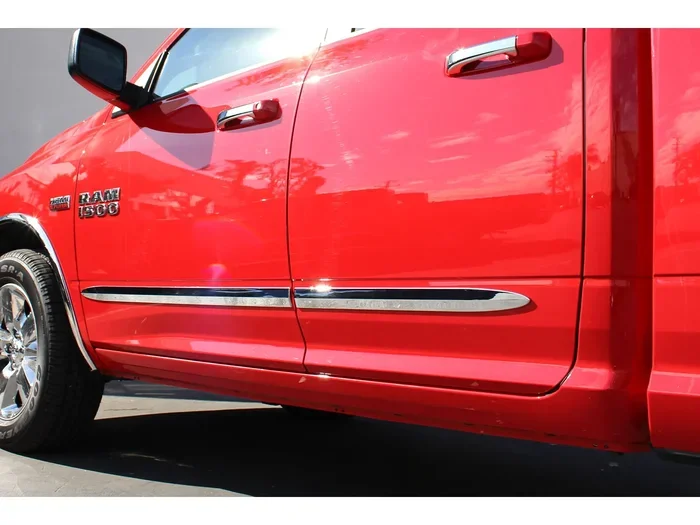
Chrome molding is the classic choice for many car owners. It has a shiny, reflective finish that gives vehicles a premium and timeless look. Chrome trim is commonly found on sedans, trucks, and SUVs. It is highly visible and adds a striking contrast to the car’s paint color.
The downside of chrome is that it requires regular maintenance. Fingerprints, water spots, and road grime show up quickly on a polished chrome surface. It also tends to fade or peel over time, especially in harsh climates. However, many people love the bold, eye-catching appearance it provides.
Body-Colored Molding
Body-colored molding is designed to match your car’s paint exactly. This type of car body trim creates a sleek, seamless look. It is especially popular on modern vehicles where the design trend leans toward clean, minimal lines.
Body-colored appliques are typically made from painted plastic or polyurethane. They blend in so well that many people do not even notice them until they point them out. The main advantage is that they hide dirt and imperfections better than chrome. They also resist fading more effectively because the color is matched at the factory or during painting.
Rubber and Vinyl Molding
Rubber and vinyl moldings are the workhorses of the side trim world. They are durable, flexible, and excellent at sealing out moisture and wind. Most factory-installed door moldings on older vehicles are made from rubber or vinyl.
These materials are affordable and easy to replace. They come in black or dark gray, which hides dirt well. The trade-off is that rubber can crack or harden over time, especially with prolonged sun exposure. Regular conditioning helps extend the lifespan of rubber and vinyl trim pieces.
ABS and Composite Molding
ABS (Acrylonitrile Butadiene Styrene) molding is a modern alternative that offers excellent durability. It is lightweight, impact-resistant, and holds its shape well. Many newer vehicles use ABS composite trim for both aesthetic and functional purposes.
Composite moldings can mimic the look of chrome or painted finishes without the heavy maintenance. They resist UV rays better than standard plastic and do not yellow as quickly. For car owners looking for a long-lasting solution, ABS molding is a strong contender.
Stainless Steel and Metal Trim
For those who want maximum durability and a premium feel, stainless steel molding is the top choice. Metal trim does not crack, peel, or fade easily. It stands up to years of exposure without losing its luster.
The downside is cost. Stainless steel body side trim is more expensive than plastic or rubber options. It can also add slight weight to the vehicle. Installation can be more complex because metal trim often requires screws or bolts in addition to adhesive. However, the payoff in longevity is well worth it for many owners.
Benefits of Installing Body Side Molding
Adding or replacing car body side molding offers a range of benefits. Let us look at why so many car owners invest in quality trim for their vehicles.
Protection Against Road Hazards
The primary function of side molding is protection. As you drive, small stones, gravel, and debris kick up from the road. Without molding, these particles hit your doors and lower panels directly. Over time, this causes chips, scratches, and even rust spots.
Molding acts as a shield. It takes the brunt of the impact and keeps your paint intact. This is especially important for the front doors, which take the most direct hits from oncoming traffic. A good set of door molding can save you from expensive repainting jobs down the road.
Enhanced Visual Appeal
Let us be honest — a car with well-chosen trim looks better. Molding adds lines and contours to the vehicle’s body. It creates visual interest and makes the car appear more refined. Whether you prefer the bold look of chrome or the subtle elegance of body-colored trim, molding elevates the overall design.
Many car detailers and stylists recommend adding molding as one of the first upgrades. It is a relatively inexpensive change that has a high visual impact. A fresh set of side trim can make even an older vehicle look years newer.
Improved Resale Value
When it comes time to sell your car, every detail counts. Buyers notice the condition of the exterior trim. Missing, cracked, or faded molding signals neglect. On the other hand, a vehicle with clean, intact body side trim suggests that the owner has taken good care of it.
Investing in quality molding and keeping it in good shape can help you fetch a better price at resale. It is one of those small upgrades that pays off over time. Potential buyers are willing to pay more for a car that looks well-maintained from top to bottom.
Better Weather Sealing
Side molding helps seal the gap between the door and the car body. This seal keeps rain, snow, and wind from entering the cabin. It also reduces wind noise at highway speeds, making your drive more comfortable.
If you have ever noticed a whistling sound when driving on the freeway, worn or missing molding could be the culprit. Replacing or upgrading your side trim can eliminate that annoying noise and keep your interior dry during storms.
How to Choose the Right Molding for Your Car
Choosing the right car body side molding involves considering several factors. The wrong choice can lead to poor fit, premature wear, or a look that clashes with your vehicle’s style. Here is what you need to keep in mind.
Consider Your Vehicle’s Style
Think about the overall design language of your car. A classic truck might look best with chrome body side trim. A modern sedan could benefit from sleek body-colored molding. A rugged SUV might pair well with black rubber or ABS trim.
Look at what came from the factory. If your vehicle had chrome trim originally, replacing it with a similar style keeps the original aesthetic intact. If you want a more modern or sporty look, consider switching to a body-colored or matte finish.
Match the Material to Your Climate
Your local climate plays a big role in determining which material works best. If you live in a sunny, hot area, UV-resistant materials like ABS or composite molding are ideal. They resist fading and cracking better than standard plastic or rubber.
In cold, snowy climates, rubber molding performs well because it remains flexible in low temperatures. Chrome looks great in moderate climates but can develop pitting in coastal areas where salt air is prevalent. Choose a material that suits your driving environment.
Check the Fit and Compatibility
Not all molding kits fit every vehicle. Always check the manufacturer’s compatibility list before purchasing. Molding is designed to follow the specific contours and curves of particular car models.
Measure the length of your current side trim before ordering a replacement. This ensures you get the right size. Many aftermarket brands offer vehicle-specific kits that include all the pieces you need for a complete side molding installation.
Set a Budget
Car body side molding prices vary widely. Basic rubber or vinyl kits can cost as little as $20 to $50. Chrome and stainless steel options range from $50 to $200 or more per set. Custom-painted body-colored molding tends to fall in the middle of that range.
Set a budget before shopping. Remember that cheaper materials may need replacement sooner. Investing a bit more upfront in quality trim often saves money in the long run.
Installation Tips for Car Body Side Molding
Installing car body side molding is a project most car owners can handle themselves. With the right tools and a little patience, you can have new trim on your vehicle in under an hour. Here is how to do it right.
What You Will Need
Before you start, gather these supplies:
- New molding kit — make sure it matches your vehicle model
- Isopropyl alcohol or surface cleaner — for preparing the installation surface
- Masking tape — for alignment and positioning
- Plastic trim removal tools — to remove old molding without damaging the paint
- Hair dryer or heat gun — to soften adhesive for removal and help new molding conform
- Rubbing compound and wax — for finishing touches after installation
Step-by-Step Installation Process
Follow these steps for a clean, professional-looking installation:
- Remove the old molding carefully. Use a hair dryer to heat the adhesive. This softens it and makes removal easier. Work slowly to avoid cracking the paint underneath.
- Clean the surface thoroughly. Wipe the area with isopropyl alcohol. Remove any old adhesive residue, grease, or wax. The surface must be completely clean and dry for the new molding to stick properly.
- Dry-fit the new molding. Hold the new trim in place without removing the backing tape. Check that it aligns correctly with the door edge and body lines. Use masking tape to hold it temporarily.
- Apply the new molding. Start at the front and work your way back. Remove the backing tape slowly and press the molding firmly into place. Use a soft cloth or plastic squeegee to smooth out any air bubbles.
- Apply heat to conform the molding. Use a hair dryer to gently heat the molding, especially around curves and edges. This helps it follow the body contour more closely.
- Let it set. Allow the adhesive to cure for at least 24 hours before washing the car or closing doors forcefully.
Common Installation Mistakes to Avoid
- Skipping surface preparation. Dirty or greasy surfaces cause molding to peel off prematurely.
- Applying molding in cold weather. Adhesive does not bond well below 50°F. Choose a warm day for installation.
- Rushing the alignment. Take your time to get the positioning right. Once the molding is stuck, repositioning is difficult and can damage the finish.
- Using too much pressure near edges. Press firmly but gently. Excessive force can bend or crease the trim piece.
Common Problems and How to Fix Them
Even the best car body side molding can develop issues over time. Here are the most common problems and practical solutions.
Peeling or Loosening Edges
Peeling is the number one complaint with side trim. It usually happens at the front and rear ends of the molding where the adhesive bond is weakest. Heat, sun exposure, and age all contribute to this problem.
To fix peeling edges, clean the area with alcohol and apply a thin layer of automotive trim adhesive. Press the molding back into place and hold it with tape for 24 hours. A heat gun can also help reactivate the original adhesive for a stronger bond.
Fading and Discoloration
Chrome and painted moldings fade over time due to UV exposure. The color may turn chalky or develop a dull, uneven appearance. This is especially common on vehicles parked outdoors without shade.
For chrome trim, polishing compound can restore some of the shine. For body-colored molding, a light coat of automotive paint restorer can even out the color. In severe cases, replacement may be the most practical solution.
Cracking and Breaking
Plastic and rubber moldings crack when they become brittle. This is common in cold climates or with older vehicles. Once molding cracks, it can no longer provide proper protection or look its best.
The fix is straightforward — replace the damaged section or the entire molding strip. Many aftermarket kits include all the pieces needed, and individual trim sections are also available from auto parts stores.
Water Leaks Behind Molding
If water seeps behind the molding and reaches the door panel, it can cause rust and interior damage. This usually happens when the rubber seal integrated into the molding deteriorates or when the molding is not properly sealed during installation.
Check the condition of the rubber gasket inside the molding. Replace it if it is cracked or compressed. Also make sure the molding is fully seated against the body with no gaps where water can enter.
Maintaining Your Car Body Side Molding
Proper maintenance keeps your side trim looking great and functioning well for years. A little regular care goes a long way toward preventing the common issues we just discussed.
Regular Cleaning
Wash your car regularly, paying attention to the side molding areas. Use a mild automotive soap and a soft microfiber cloth. Avoid harsh chemicals or abrasive scrubbers that can scratch the trim finish.
For chrome molding, a dedicated chrome cleaner works wonders. For body-colored or black trim, a gentle all-purpose cleaner is sufficient. Rinse thoroughly and dry with a clean cloth to prevent water spots.
Waxing and Protecting
Applying a coat of car wax to your side molding provides a protective layer against UV rays, bird droppings, and tree sap. Wax also makes the trim easier to clean by creating a smooth, hydrophobic surface.
Use a non-abrasive paste wax or a synthetic sealant. Apply it with a soft applicator pad and buff it off with a clean microfiber towel. Reapply every few months for continuous protection.
Rubber Conditioning
If your vehicle has rubber or vinyl molding, conditioning is essential. Rubber products dry out and crack without proper care. A quality rubber protectant or dressing restores flexibility and adds a subtle matte finish.
Apply rubber conditioner every two to three months. It is a quick and easy step that significantly extends the life of your rubber trim. Most products come in spray bottles and can be applied with a cloth in seconds.
Inspecting for Damage
Make it a habit to inspect your car body side molding during regular washes or wax sessions. Look for early signs of peeling, cracking, or loose edges. Catching these issues early makes repairs much easier and less expensive.
Also check the adhesive bond along the entire length of the molding. Press gently on any areas that feel loose. Addressing minor adhesion problems early can prevent the need for a full replacement later.
Molding vs. No Molding — Is It Worth It?
Some car owners prefer the stripped-down look of a vehicle without any side molding. Modern cars increasingly come with smooth, unadorned sides. But is going without molding a smart choice?
The honest answer depends on how you use your car. If you park on the street, drive on rough roads, or live in an area with harsh weather, molding is a smart investment. It provides a layer of defense that smooth body panels simply cannot offer.
On the other hand, if you garage your car and mostly drive on well-maintained roads, you might prefer the clean, minimalist look. Many car enthusiasts choose to add molding only to the front doors, where road debris impact is most severe.
Ultimately, the decision comes down to personal preference and driving conditions. Both approaches have merit. The key is making an informed choice based on your specific needs and lifestyle.
The Future of Car Body Side Molding
The automotive industry is evolving, and so is exterior trim technology. Manufacturers are experimenting with new materials and designs that push the boundaries of what side molding can do.
One trend is the use of integrated body-color trim that is molded directly into the panel during manufacturing. This eliminates the need for separate adhesive-backed pieces and creates a truly seamless look. Another development is the use of smart materials that self-heal minor scratches and scuffs.
Some automakers are also exploring aerodynamic molding designs that not only protect the car but also improve fuel efficiency. These advanced trim pieces guide airflow along the body, reducing drag and turbulence. While these technologies are still emerging, they point to an exciting future for vehicle exterior accessories.
For the average car owner, the takeaway is simple. Side molding remains a practical and stylish upgrade that delivers real value. Whether you choose a classic chrome finish or a modern body-colored design, investing in quality trim pays off in protection, appearance, and long-term satisfaction.
Final Thoughts
Car body side molding is far more than a decorative accessory. It is a functional component that protects your vehicle, improves comfort, and enhances resale value. From choosing the right material and style to proper installation and maintenance, every step matters.
Whether you are restoring a classic car or upgrading your daily driver, the right side trim makes a noticeable difference. Take the time to research your options, pick a quality product, and follow proper installation techniques. Your vehicle will thank you with years of reliable performance and a polished appearance.
Start with the tips in this guide, and you will be well on your way to making the best decision for your car body side molding needs. Happy driving and happy detailing.
Frequently Asked Questions
What is car body side molding made of?
Car body side molding can be made from several materials including plastic, chrome, rubber, vinyl, ABS composite, and stainless steel. Each material offers different levels of durability, appearance, and maintenance requirements. The best choice depends on your vehicle style, climate, and personal preferences.
Can I install car body side molding myself?
Yes, most molding kits are designed for DIY installation. They typically come with adhesive backing and require only basic tools like a hair dryer, rubbing alcohol, and masking tape. The process usually takes less than an hour per side and does not require professional help.
How long does car body side molding last?
The lifespan of side molding depends on the material and driving conditions. Chrome and stainless steel can last 10 years or more with proper care. Plastic and rubber molding typically lasts 5 to 7 years. ABS composite offers a good middle ground with excellent durability.
Does removing side molding damage my car?
Removing old molding can potentially damage the paint if done carelessly. Using a heat gun to soften the adhesive and a plastic trim tool to pry gently minimizes the risk. Always work slowly and avoid using metal tools that could scratch the body panel.
How much does it cost to replace car body side molding?
Replacement costs vary based on material and vehicle model. Basic rubber or vinyl kits cost $20 to $50. Chrome and stainless steel options range from $50 to $200 or more. Professional installation adds labor costs but ensures a precise fit and strong adhesive bond.
What is the difference between body side molding and door molding?
Body side molding typically runs along the full length of the vehicle’s side panel, while door molding is specifically designed to frame the door opening. In many cases, the terms are used interchangeably. However, body side molding covers a broader area and may include both door and panel sections in one continuous strip.
=== CONCLUSION ===
Car body side molding is a simple yet impactful upgrade for any vehicle. It protects your paint, improves weather sealing, and enhances the overall look of your car. With so many materials, styles, and finishes available, there is a perfect molding option for every vehicle and budget.
Take the time to choose quality trim, install it properly, and maintain it regularly. The effort you put into your car body side molding will pay off in protection, appearance, and resale value for years to come.