Can You Wash a Wrapped Car Everything You Need to Know
Can You Wash a Wrapped Car is an essential topic that provides valuable insights.
Can you wash a wrapped car without causing damage? This is one of the most common questions car owners ask after they invest in a vinyl wrap. Whether you have a full car wrap or a partial one, keeping it clean is essential. A dirty wrap can look dull, and built-up grime can break down the adhesive over time. The good news is that washing a wrapped car is not hard. You just need to know what to do and what to avoid.
In this guide, we will cover everything you need to know about car wrap care. From the best washing techniques to the tools you should use, we have you covered. We will also share quick tips, common mistakes, and expert insights to help you get the best results. Let us dive in and make sure your wrapped car stays looking amazing.
Key Takeaways
- Yes, you can wash a wrapped car: It is safe as long as you follow the right steps and use gentle methods.
- Hand washing is the best method: It protects the vinyl and keeps the wrap adhesive strong.
- Avoid high-pressure washers on low settings: Too much pressure can lift the edges of your wrap.
- Use pH-neutral car wash soap: Harsh chemicals can damage the wrap surface and dull the finish.
- Dry with a microfiber cloth: This prevents scratches and keeps the wrap glossy.
- Apply wrap sealant every few months: It adds a protective layer and boosts gloss retention.
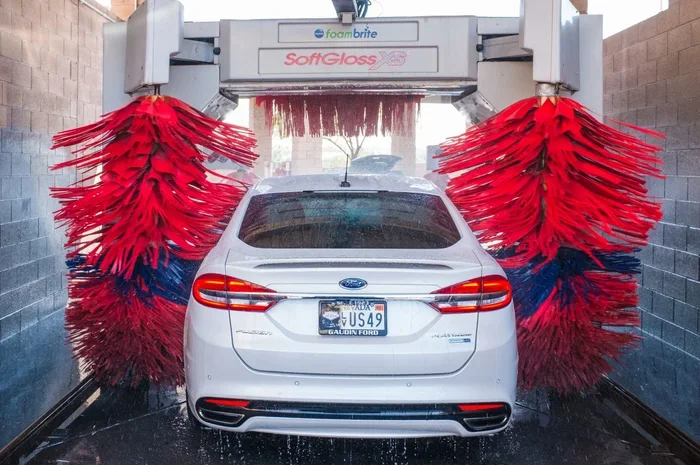
- Avoid automatic car washes with brushes: The bristles can scratch and peel the vinyl.
📑 Table of Contents
What Is a Car Wrap and Why Does It Need Special Care
A car wrap is a layer of vinyl film that wraps around your vehicle’s surface. It changes the color or adds designs without permanent changes. Unlike a paint job, a vinyl wrap sits on top of the original paint. This makes it a popular choice for people who want to customize their ride. But because it is not permanent, it needs special attention.
The vinyl material is durable, but it is not indestructible. The surface can collect dirt, bugs, tree sap, and road grime. If you do not clean it properly, these contaminants can stain or degrade the wrap. The wrap adhesive underneath can also weaken if moisture gets trapped. That is why car detailing for wrapped vehicles is a bit different from regular car care.
How a Vinyl Wrap Protects Your Paint
One great thing about a car wrap is that it acts as a shield for your original paint. It protects against UV rays, small scratches, and minor chips. This means your paint stays safe underneath. But to keep doing its job, the wrap itself must stay clean and well-maintained. Think of it like a shield that needs regular cleaning to stay effective.
How Long Does a Car Wrap Last
The lifespan of a vinyl wrap depends on how well you care for it. A high-quality wrap can last anywhere from five to seven years. But poor maintenance can shorten that timeline. Regular wrap maintenance keeps the material flexible and the adhesive strong. A clean wrap also looks better for longer, which means your investment pays off.
Can You Wash a Wrapped Car Safely
Can you wash a wrapped car with regular methods? Yes, but with some adjustments. The key is to be gentle. A wrapped car needs a softer touch than a standard paint job. The good news is that most normal washing methods work fine if you are careful.
Is It Safe to Use a Pressure Washer
A pressure washer can be used on a wrapped car, but you must be cautious. Use a low-pressure setting, ideally below 1500 PSI. Hold the nozzle at least 12 inches away from the surface. Never aim directly at the edges or seams of the wrap. High pressure near these areas can lift the vinyl and let water get underneath.
What About Touchless Car Washes
A touchless car wash is generally safe for wrapped cars. These washes use water jets and soap instead of brushes. They are much gentler on the vinyl surface. However, avoid any wash that uses high-pressure spinning brushes. Those can scratch the wrap and wear down the finish over time.
Is Hand Washing the Best Option
Hand washing is widely considered the safest way to wash a wrapped car. It gives you full control over the pressure and the products you use. You can focus on dirty spots without risking damage. Many car detailing experts recommend hand washing as the go-to method for wrapped vehicles.
How to Wash a Wrapped Car Step by Step
Now that you know it is safe, let us walk through the process. Follow these steps to get a clean, streak-free finish every time.
Step 1: Rinse the Car Thoroughly
Start by rinsing the entire vehicle with cool water. This removes loose dirt and debris that could scratch the wrap during washing. Use a gentle stream from a hose or a low-pressure washer. Work from the top down to let gravity pull the dirt away.
Step 2: Prepare Your Wash Solution
Use a pH-neutral car wash soap. Avoid dish soap or any harsh chemicals. These can strip the wrap’s gloss and dry out the vinyl. Mix the soap with water in a bucket according to the product instructions. A foam cannon attached to your hose can help apply the soap evenly.
Step 3: Wash with a Microfiber Mitt
Dip a soft microfiber cloth or wash mitt into your soap solution. Gently wipe the surface in straight lines, not circles. Circular motions can create swirl marks on the wrap. Work one section at a time, rinsing your mitt often. This prevents dirt from being dragged across the vinyl.
Step 4: Rinse Again
After washing each section, rinse it thoroughly with clean water. Make sure no soap residue is left behind. Soap left on the wrap can leave a filmy look and attract more dirt over time.
Step 5: Dry the Wrap Properly
Use a clean, soft microfiber towel to dry the car. Pat the surface gently rather than rubbing. Rubbing can cause friction that dulls the wrap finish. Let the car air dry completely before applying any products like sealant or wax.
Quick Tips for a Perfect Wash
- Wash in the shade: Direct sunlight can cause the soap to dry too fast and leave streaks.
- Use cold or lukewarm water: Hot water can weaken the wrap adhesive over time.
- Never use a squeegee on the wrap: It can scratch or pull at the edges.
- Wash your mitt frequently: A dirty mitt acts like sandpaper on the vinyl.
- Dry between sections: This prevents water spots from forming on the wrap.
Types of Car Washes: What Works and What Does Not
Not all car washes are created equal when it comes to wrapped cars. Some methods are perfectly safe, while others can cause serious damage. Let us break down the most common options.
Automatic Tunnel Washes
Many automatic car washes use soft cloths or brushes. The ones with soft microfiber cloths are usually okay. But avoid any wash that uses stiff bristles or abrasive materials. These can scratch the vinyl and wear away the protective layer. Always check with the car wash operator if you are unsure.
Brushless Car Washes
A brushless car wash uses high-pressure water jets instead of brushes. These are generally safe for wrapped cars. The water pressure is usually low enough not to damage the vinyl. However, make sure the wash does not use harsh chemicals. Strong solvents can break down the wrap material and the adhesive.
Self-Service Car Wash Bays
Self-service bays give you control over the process, which is a big plus. You can use a gentle pressure washer setting and your own soap. These are great for wash a wrapped car at your own pace. Just remember to keep the pressure low and the nozzle moving.
Comparison Table: Car Wash Types for Wrapped Cars
| Car Wash Type | Safe for Wraps? | Risk Level | Notes |
|---|---|---|---|
| Hand Wash | Yes | Low | Safest option, full control |
| Touchless Car Wash | Yes | Low | No brushes, gentle on vinyl |
| Brushless Tunnel Wash | Yes | Low to Medium | Check chemical strength |
| Brush Tunnel Wash | Risky | Medium to High | Brushes can scratch vinyl |
| High-Pressure Washer | Yes (careful) | Medium | Keep pressure low, stay away from edges |
| Steam Clean | Yes | Low | Use low heat, keep distance |
Maintaining Your Wrapped Car Between Washes
Washing is only one part of wrap maintenance. There are other things you can do to keep your vinyl wrap looking great between wash days.
Apply a Wrap Sealant
A wrap sealant adds a protective layer on top of the vinyl. It helps repel water, dirt, and UV rays. Apply a sealant every two to three months for the best results. Make sure the product is safe for use on vinyl wraps. Avoid traditional car wax, as it can be too harsh for some wrap materials.
Keep the Car Garaged When Possible
UV rays from the sun can fade a car wrap over time. Parking in a garage or under a shade structure helps preserve the color and gloss. If you cannot garage your car, consider using a car cover. This also protects the wrap from bird droppings, tree sap, and other contaminants.
Wipe Down After Rain or Snow
Rain and snow can leave mineral deposits on the wrap surface. These spots can be hard to remove if left too long. After a rainy day, give your car a quick wipe-down with a damp microfiber cloth. This simple habit goes a long way in maintaining wrap longevity.
Fix Small Damage Quickly
If you notice a small bubble, lift, or tear in the wrap, fix it right away. Small issues can grow into bigger problems if left untreated. A car wrap repair kit can handle minor fixes. For larger damage, consult a professional car detailing service that specializes in wraps.
Expert Insights on Wrap Care
“The biggest mistake I see with wrapped cars is neglect,” says Jake Moreno, a certified car detailing specialist with over ten years of experience. “People think because the wrap is durable, they do not need to wash it regularly. But dirt and grime build up and actually break down the vinyl faster than weather does. A simple hand wash every one to two weeks makes a huge difference.”
Another expert tip from the industry is to always check the wrap adhesive after a long road trip. Bugs, tar, and road salt can stick to the front and lower panels. These contaminants are acidic and can eat through the vinyl if not removed promptly. A quick rinse after off-road driving or long highway trips is always a smart move.
Common Mistakes to Avoid When Washing a Wrapped Car
Even with the best intentions, mistakes happen. Here are the most common errors people make when washing a wrapped car and how to avoid them.
Using the Wrong Soap
Household cleaners, dish soap, and all-purpose sprays are not designed for vinyl wraps. They can strip the finish and make the wrap look faded. Always use a pH-neutral car wash soap that is specifically formulated for car wrap care.
Scrubbing Too Hard
It is tempting to scrub tough spots aggressively. But vinyl wraps are softer than paint. Heavy scrubbing can scratch the surface and dull the gloss. Use gentle pressure and let the soap do the work. For stubborn spots, let the soap sit for a minute before wiping.
Skipping the Rinse
Skipping a thorough rinse leaves soap residue on the wrap. This residue attracts dirt and creates a dull, filmy appearance. Always rinse completely before drying. Take your time with this step, as it makes a big difference in the final result.
Using a Rough Towel or Chamois
Never use a rough towel, old t-shirt, or hard chamois on a wrapped car. These materials can leave micro-scratches on the vinyl. Stick with a plush, clean microfiber cloth for drying. It is soft, absorbent, and safe for the wrap surface.
Ignoring the Edges and Seams
The edges and seams of a car wrap are the most vulnerable areas. Dirt and moisture can build up in these spots and weaken the adhesive. Give extra attention to the edges when washing and drying. Gently pat these areas with a soft cloth to avoid lifting the wrap.
Applying Wax to a Wrapped Car
Many people love the shine that car wax provides. But wax is not always safe for vinyl wraps. Some wax products contain solvents that can damage the vinyl material. If you want extra gloss, use a wrap sealant designed specifically for vinyl. It is safer and often easier to apply than traditional wax.
Key Takeaways for Wrap Washing
- Always use pH-neutral soap: This protects the vinyl and keeps the finish shiny.
- Hand wash when possible: It gives you the most control and the safest results.
- Dry with microfiber only: Avoid rough materials that can scratch the wrap.
- Stay away from edges with high pressure: This prevents the wrap from lifting.
- Apply sealant regularly: It adds protection and extends the life of your wrap.
- Fix small issues early: Quick repairs prevent bigger, more expensive problems later.
Conclusion
Can you wash a wrapped car? Absolutely. With the right approach, keeping your vinyl wrap clean is easy and safe. Hand washing with a gentle, pH-neutral soap is the gold standard. Avoid harsh chemicals, high-pressure settings near the edges, and abrasive drying materials. Regular wrap maintenance keeps your car looking fresh and protects your investment.
Remember that a clean wrap lasts longer. The gloss retention stays stronger, the colors stay vibrant, and the adhesive stays secure. By following the tips in this guide, you can enjoy a stunning wrapped car for years to come. Make car wrap care a regular part of your routine, and your vehicle will always turn heads on the road.
Start with a gentle hand wash this weekend. Notice the difference it makes. Once you see how easy and effective proper washing is, it will become second nature. Your wrapped car deserves the best care, and now you have the knowledge to give it exactly that.
Frequently Asked Questions
How often should you wash a wrapped car?
You should wash a wrapped car every one to two weeks under normal driving conditions. If your car is exposed to salt, bugs, or heavy dirt, wash it more often. Regular washing prevents buildup that can damage the vinyl and the adhesive underneath.
Can you use a pressure washer on a wrapped car?
Yes, but you must use a low-pressure setting and keep the nozzle at least 12 inches away from the surface. Never aim the stream directly at the edges or seams of the wrap, as high pressure can lift the vinyl and allow water to seep underneath.
Is it safe to wax a wrapped car?
Traditional car wax is not always safe for vinyl wraps. Some wax products contain solvents that can damage the material. Instead, use a wrap sealant that is specifically designed for vinyl wraps. It provides a similar glossy finish without the risk of damage.
How long does a car wrap last with proper care?
A high-quality car wrap can last five to seven years with proper maintenance. Regular washing, sealant application, and garage parking all contribute to a longer lifespan. Neglecting care can shorten that timeline significantly.
Can you wrap a car yourself at home?
Yes, DIY car wrapping is possible, but it requires patience and skill. Beginners often struggle with bubbles, wrinkles, and uneven edges. If you are new to wrapping, consider practicing on a small area first or watching professional tutorials before attempting a full wrap.
Does a car wrap protect the original paint underneath?
Yes, a car wrap acts as a protective layer for the original paint. It shields the paint from UV rays, minor scratches, chips, and weather damage. When the wrap is removed, the original paint underneath is usually in the same condition as when the wrap was applied.