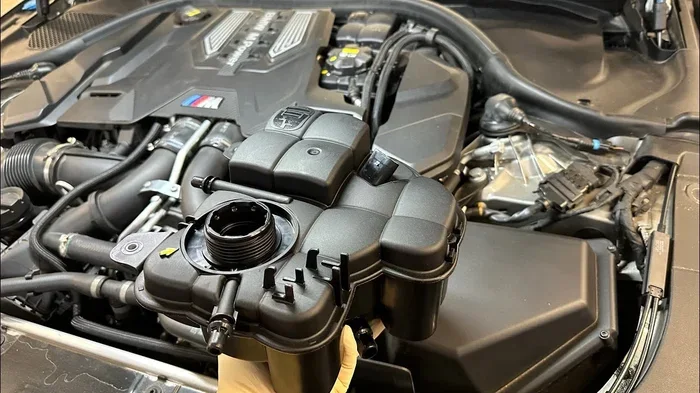
Can You Use PEAK Coolant in a BMW Without Any Issues
You can use PEAK Coolant in a BMW if you choose the right type and follow proper guidelines. PEAK coolant is a popular aftermarket option that works well with many BMW models when matched to the correct specification. This guide covers compatibility, risks, and step-by-step tips so you can make a confident choice for your BMW cooling system.
If you own a BMW, you know how important it is to use the right fluids in your engine. Coolant is one of those fluids that often gets overlooked until something goes wrong. And when you walk down the auto parts aisle or browse online, you see brands like PEAK everywhere. So the question comes up naturally: can you use PEAK Coolant in a BMW without any issues? The short answer is yes, but there are some important details you need to know first.
Using the wrong coolant in your BMW can lead to serious engine problems. Overheating, corrosion, and even engine failure are all real risks. That is why this topic matters so much. In this article, we will walk through everything you need to know about PEAK Coolant and BMW compatibility. You will learn about BMW coolant specifications, how PEAK products compare to OEM options, and the steps you should take to make sure your cooling system stays in great shape.
We are not going to throw technical jargon at you. This guide is written in plain, simple language. Whether you are a DIY mechanic or someone who just wants to understand what goes into your BMW, you will find useful information here. Let us get into it.
Key Takeaways
- PEAK Coolant is compatible with BMW vehicles when you select the correct formulation that matches your model’s coolant specification.
- Always check your BMW owner’s manual to confirm the required coolant type before making any purchase.
- PEAK offers silicate-free and OAT formulations that align with many modern BMW cooling system requirements.
- Using the wrong coolant can cause overheating, corrosion, and costly repairs in your BMW engine.
- A proper coolant flush procedure is essential when switching from OEM coolant to PEAK Coolant BMW applications.
- Mixing coolant types is a common mistake that can lead to gel formation and cooling system blockages.
- Regular coolant level checks and scheduled flushes help extend the life of your BMW engine.
📑 Table of Contents
- What Is PEAK Coolant and Why Do BMW Owners Ask About It?
- Understanding BMW Coolant Requirements
- Can You Use PEAK Coolant in a BMW Without Any Issues?
- PEAK Coolant vs BMW OEM Coolant: A Direct Comparison
- How to Properly Use PEAK Coolant in Your BMW
- Warning Signs Your BMW Coolant Needs Attention
- Common Mistakes BMW Owners Make with Aftermarket Coolant
- Final Thoughts on Using PEAK Coolant in Your BMW
What Is PEAK Coolant and Why Do BMW Owners Ask About It?
PEAK is a well-known automotive brand that sells a wide range of products. Their coolant line includes several formulations designed for different engine types. PEAK Coolant comes in various colors and formulations, including ethylene glycol-based and propylene glycol-based options. Many BMW owners turn to PEAK because it is affordable and widely available at major retailers.
But affordability and availability are not the only reasons people ask about PEAK Coolant BMW compatibility. BMW engines run hot. They use advanced cooling systems with tight tolerances. The coolant needs to handle high temperatures, prevent corrosion, and protect the water pump and thermostat over long intervals. So when a BMW owner sees PEAK on the shelf, the first question is always: will this work for my car?
The answer depends on a few factors. The main one is which PEAK formulation you choose. Not all PEAK coolants are the same. Some are designed for older engines with copper radiators. Others are designed for modern aluminum engines. And BMW engines fall firmly into the modern category. So choosing the right PEAK product is the key to making it work safely.
Understanding PEAK Coolant Formulations
PEAK offers several types of coolant. Each one has a different chemical makeup. Here are the most common PEAK formulations you will encounter:
- PEAK OAT Coolant: This stands for Organic Acid Technology. It is silicate-free and designed for modern engines with aluminum components. Many BMW models from the 2000s onward use this type of coolant specification.
- PEAK HOAT Coolant: Hybrid Organic Acid Technology. This combines OAT with a small amount of silicate for extra protection. Some BMW models may accept HOAT formulations depending on the year.
- PEAK Conventional Coolant: This is the traditional green or yellow coolant. It uses a silicate-based formula and is best suited for older vehicles. Most modern BMWs should not use this type.
- PEAK Ethylene Glycol Coolant: A common base for many PEAK products. It provides excellent heat transfer but must be mixed with the right water-to-coolant ratio.
When shopping for PEAK Coolant for your BMW, always look at the label. The label will tell you which engine types the product is compatible with. If it says compatible with BMW, Audi, Mercedes, or other European makes, that is a good sign.
Understanding BMW Coolant Requirements
BMW does not just pick any coolant and call it a day. BMW engines have specific coolant requirements. These requirements are based on the materials used in the engine block, the radiator, the water pump, and the heater core. Using the wrong coolant can void your BMW warranty and cause damage over time.
Most modern BMW vehicles use a coolant specification known as BMW Long-Life Coolant. This is typically a silicate-free, OAT-based formula. It is designed to last longer than conventional coolants and provide superior protection for aluminum engine components. BMW specifies this coolant for a reason. The cooling system in a BMW is engineered to work with specific chemical properties in the fluid.
BMW Coolant Color and Type
BMW coolant color can vary by model and year. Some BMWs use blue coolant. Others use red or pink. The color is not just for looks. It helps identify the coolant type. Here is a quick breakdown:
- Blue Coolant: Commonly used in newer BMW models. Typically an OAT or HOAT formulation.
- Red/Pink Coolant: Found in some older BMW models. Often a hybrid formula with limited silicate content.
- Green Coolant: Rare in modern BMWs. Usually indicates a conventional silicate-based formula not recommended for current models.
When you are checking your BMW coolant, always refer to the owner’s manual. The manual will tell you exactly what specification your engine needs. This is the first step before you buy any PEAK Coolant BMW product.
BMW Coolant Capacity and Mix Ratio
Every BMW model has a specific coolant capacity. This is the total volume of coolant the system holds. For example, a BMW 3 Series might hold around 6 to 7 liters of coolant. A larger BMW X5 might hold 8 to 10 liters. You can find this information in the owner’s manual or by checking with a BMW dealer.
The mix ratio matters too. Most BMW coolants should be mixed at a 50:50 ratio of coolant to distilled water. This ratio provides the best balance of freeze protection, boil-over prevention, and heat transfer. Using too much water can reduce the protective properties of the coolant. Using too much concentrate can reduce heat transfer efficiency.
Can You Use PEAK Coolant in a BMW Without Any Issues?
Now we get to the heart of the question. Can you use PEAK Coolant in a BMW without any issues? The answer is yes, provided you follow the right steps. PEAK Coolant is a reputable brand that manufactures products meeting or exceeding industry standards. Many PEAK formulations carry certifications from organizations like ASTM and meet the specifications required by European vehicle manufacturers.
However, “can you” and “should you” are two different things. PEAK Coolant is an aftermarket product. It is not the same as BMW OEM coolant. BMW OEM coolant is formulated specifically for BMW engines and goes through BMW’s own testing and approval process. PEAK Coolant is designed to be a compatible alternative. It is not an OEM replacement in the strictest sense.
When PEAK Coolant Works Well in a BMW
PEAK Coolant works well in a BMW when you match the formulation to the BMW specification. Here are the situations where PEAK Coolant is a solid choice:
- You are on a budget: PEAK Coolant is significantly cheaper than BMW OEM coolant. If you are doing a coolant flush yourself, PEAK can save you a lot of money.
- You need a top-up in a pinch: If you are low on coolant and cannot get BMW-approved fluid right away, PEAK OAT coolant is a safe temporary solution.
- Your BMW is out of warranty: Once your BMW is no longer under warranty, you have more flexibility in which coolant you use. PEAK is a perfectly valid option.
- The PEAK product matches your BMW spec: If the PEAK Coolant you buy is OAT-based and silicate-free, it aligns well with most modern BMW cooling systems.
When PEAK Coolant May Not Be the Best Choice
There are also situations where you should think twice about using PEAK Coolant in your BMW. Here are some scenarios where caution is warranted:
- Your BMW is still under warranty: Using a non-OEM coolant could potentially cause warranty issues if a cooling system problem arises. BMW dealers may argue that aftermarket coolant contributed to the problem.
- You are using a PEAK formulation that is not compatible: If you grab the wrong PEAK product (like a conventional green coolant), it could cause compatibility issues with your BMW’s aluminum components.
- You have a high-performance BMW model: M Series and other high-performance BMWs often have stricter coolant requirements. These engines run hotter and may benefit from OEM-spec coolant.
- You plan to keep the car long-term: For long-term engine health, BMW OEM coolant is still the gold standard. PEAK is a good alternative, but it is not identical.
PEAK Coolant vs BMW OEM Coolant: A Direct Comparison
Let us put PEAK Coolant and BMW OEM coolant side by side. This comparison will help you understand what you are getting with each option.
Key Differences at a Glance
- Formulation: BMW OEM coolant is specifically engineered for BMW engines. PEAK Coolant is a universal formulation designed to work across many brands and models.
- Price: PEAK Coolant costs significantly less. A gallon of PEAK OAT coolant might cost $10 to $15, while BMW OEM coolant can run $20 to $30 per gallon.
- Availability: PEAK Coolant is available at most auto parts stores and online retailers. BMW OEM coolant is typically sold at BMW dealerships and select online stores.
- Warranty Coverage: BMW OEM coolant comes with manufacturer backing. PEAK Coolant carries its own brand warranty but does not replace BMW’s warranty requirements.
- Longevity: Both coolants can last a long time when used correctly. BMW OEM coolant is often rated for 100,000 miles or more. PEAK OAT coolant offers similar longevity in most cases.
What the Experts Say
Many automotive experts agree that aftermarket coolants like PEAK are perfectly fine for BMWs that are out of warranty. The key is choosing the right formulation. A silicate-free, OAT-based PEAK Coolant will protect your BMW cooling system just as well as the OEM product in most cases. The difference comes down to the testing and certification process, not necessarily the chemical performance.
BMW engineers design the cooling system to work with a specific coolant chemistry. As long as the aftermarket coolant matches that chemistry, it will perform the same job. This is why checking the label and matching the specification is so important.
How to Properly Use PEAK Coolant in Your BMW
If you have decided to use PEAK Coolant in your BMW, there is a right way to do it. Following the correct procedure will help you avoid problems and get the best performance from your cooling system.
Step-by-Step Guide to Switching to PEAK Coolant
Here is how you can safely switch to PEAK Coolant in your BMW:
- Check your BMW owner’s manual: Find the coolant specification your BMW requires. Note the color, type, and any part numbers listed.
- Choose the right PEAK product: Select a PEAK Coolant that matches the BMW specification. Look for OAT or HOAT formulations that are silicate-free.
- Perform a full coolant flush: Do not just top off with PEAK Coolant if your system still has old coolant. A full flush removes old fluid, debris, and any residue that could cause compatibility issues.
- Mix the coolant properly: Use a 50:50 ratio of PEAK Coolant to distilled water unless the PEAK product is pre-mixed. Always use distilled water, not tap water.
- Refill the cooling system: Pour the PEAK coolant mixture into the expansion tank and bleed the system properly. BMW cooling systems can have air pockets that cause overheating if not bled correctly.
- Check for leaks: After refilling, start the engine and let it reach operating temperature. Check all hoses, connections, and the radiator for any signs of leaks.
- Monitor the temperature gauge: For the first few drives after a coolant change, keep an eye on the temperature gauge. Make sure the engine is running at normal operating temperature.
Quick Tips for PEAK Coolant BMW Owners
- Always use distilled water: Tap water contains minerals that can cause buildup in your cooling system over time.
- Do not mix coolant colors: If your BMW currently has blue coolant, do not add green PEAK coolant. Stick to the same type.
- Store PEAK Coolant properly: Keep coolant containers sealed and stored in a cool, dry place. Expired coolant loses its protective properties.
- Check coolant levels monthly: A simple check can catch a slow leak before it becomes a big problem.
- Keep records: Write down when you changed your coolant and what product you used. This helps with future maintenance and resale value.
Warning Signs Your BMW Coolant Needs Attention
Even with the right PEAK Coolant, your BMW cooling system can develop problems over time. Knowing the warning signs helps you catch issues early before they turn into expensive repairs.
Common Cooling System Problems in BMWs
BMW vehicles are known for certain cooling system issues that owners should watch for. Here are the most common signs that something is wrong:
- Rising temperature gauge: If your temperature gauge climbs above normal, pull over safely. Continuing to drive an overheating BMW can cause catastrophic engine damage.
- Coolant leaks: Puddles of coolant under your BMW are a clear sign of a leak. Check the hoses, radiator, water pump, and heater core for visible damage.
- Coolant discoloration: Healthy BMW coolant should be clear or brightly colored. If it looks rusty, brown, or gritty, it is time for a flush.
- Sweet smell from the engine bay: Coolant has a sweet smell. If you notice this smell while driving, check your coolant level immediately.
- Heater not working: If your BMW heater blows cold air, it could indicate low coolant or an air pocket in the system.
- Frequent need to top off coolant: If you are adding coolant more often than normal, you likely have a slow leak that needs to be addressed.
When to Flush Your BMW Cooling System
BMW recommends flushing and replacing the coolant every 30,000 miles or every two years for older models. Newer BMW models with extended-life coolant may go longer between flushes, sometimes up to 100,000 miles. Regardless of the interval, it is a good practice to have the cooling system inspected at every service appointment.
When you flush the system, this is the perfect time to switch to PEAK Coolant if you choose to do so. A full flush ensures that no old coolant residue remains, which prevents any compatibility issues with the new PEAK Coolant BMW formulation.
Common Mistakes BMW Owners Make with Aftermarket Coolant
Switching to PEAK Coolant or any aftermarket coolant can go wrong if you are not careful. Here are some common mistakes that BMW owners make.
Mistake 1: Mixing Different Coolant Types
This is the number one mistake. Mixing OAT coolant with conventional silicate coolant can cause a chemical reaction. The result is a gel-like substance that clogs the cooling system. This can block the radiator, heater core, and even damage the water pump. Always flush the system completely before switching coolant types.
Mistake 2: Using Tap Water Instead of Distilled Water
Tap water contains calcium, magnesium, and other minerals. These minerals build up inside the cooling system over time. They can coat the inside of the radiator, clog the narrow passages, and reduce cooling efficiency. Always use distilled water when mixing PEAK Coolant.
Mistake 3: Overfilling or Underfilling the Coolant Reservoir
The coolant expansion tank has minimum and maximum markings. Overfilling can cause pressure buildup and leaks. Underfilling can introduce air into the system, leading to overheating. Always check the level when the engine is cool and the system is at resting pressure.
Mistake 4: Ignoring Small Leaks
A small coolant leak might not seem like a big deal. But even a slow leak can lower the coolant level enough to cause overheating. If you notice any coolant under your BMW or a drop in the reservoir level, have it checked right away.
Final Thoughts on Using PEAK Coolant in Your BMW
So, can you use PEAK Coolant in a BMW without any issues? The answer is a clear yes, as long as you choose the right PEAK formulation and follow the proper procedures. PEAK Coolant is a cost-effective, widely available option that works well with modern BMW cooling systems when matched to the correct specification.
The key is doing your homework. Check your BMW owner’s manual. Match the PEAK Coolant type to your BMW’s requirements. Perform a proper flush when switching. And never mix different coolant types. Follow these steps and your BMW cooling system will stay healthy and efficient.
Whether you choose PEAK Coolant or BMW OEM coolant, what matters most is that you maintain your cooling system properly. Regular checks, timely flushes, and attention to warning signs will keep your BMW engine running at the right temperature for years to come. A well-maintained cooling system is one of the simplest and most effective ways to protect your BMW engine from overheating and costly damage.
Take the time to understand what goes into your BMW. Your cooling system works hard every time you drive. Give it the care and the right fluid it deserves, and it will return the favor with reliable performance mile after mile.
Frequently Asked Questions
Is PEAK Coolant safe for all BMW models?
PEAK Coolant is safe for most BMW models as long as you choose the correct formulation. Look for PEAK OAT or HOAT coolants that are silicate-free and match your BMW’s coolant specification. Always check your owner’s manual to confirm the required type before purchasing.
Can I mix PEAK Coolant with BMW OEM coolant?
It is best not to mix different coolant brands or types. If you need to top off your BMW coolant, use the same type that is already in the system. Mixing PEAK Coolant with OEM coolant can cause chemical reactions that reduce effectiveness and potentially clog the cooling system.
How often should I change my BMW coolant when using PEAK?
PEAK Coolant follows similar replacement intervals as BMW OEM coolant. For most BMW models, a coolant change every 30,000 to 60,000 miles is recommended. Check your owner’s manual for the specific interval for your model. Regular coolant flushes help prevent buildup and maintain cooling system efficiency.
Will PEAK Coolant void my BMW warranty?
If your BMW is still under warranty, using any aftermarket coolant including PEAK could potentially cause warranty disputes. BMW may argue that a non-OEM coolant contributed to a cooling system problem. If your BMW is under warranty, it is safest to use BMW-approved coolant.
What color PEAK Coolant should I use for my BMW?
Most modern BMWs use blue or red coolant. Look for PEAK OAT coolant in a matching color. The color indicates the coolant type and helps ensure compatibility. Always verify the formulation on the label rather than relying solely on color matching.
Can I use PEAK pre-mixed coolant in my BMW?
Yes, PEAK offers pre-mixed coolant options that are ready to use. Pre-mixed PEAK Coolant typically comes at a 50:50 ratio of coolant to distilled water. This is convenient for BMW owners who do not want to mix their own. Just make sure the pre-mixed formulation matches your BMW’s coolant specification.