Can Jeep Interiors Get Wet Without Ruining Your Ride
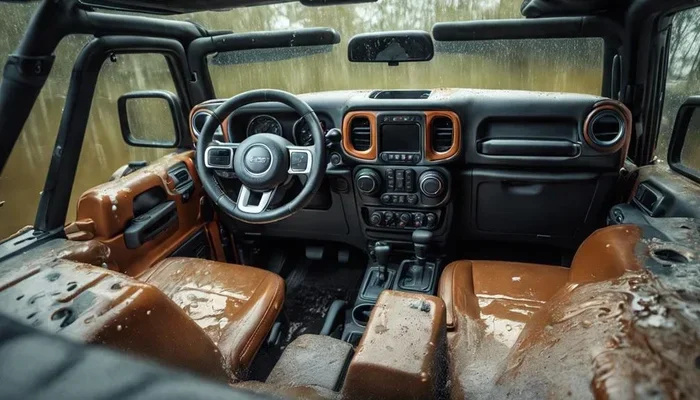
Can Jeep interiors get wet? The short answer is yes, but with the right knowledge and accessories, you can keep your cabin safe. Jeep models are built with drainage systems and durable materials that handle light to moderate water exposure. However, prolonged moisture or deep submersion can lead to water damage Jeep owners want to avoid. This guide covers everything you need to know about protecting your Jeep interior from rain, snow, slush, and off-road splashes.
Can Jeep interiors get wet? This is a question every Jeep owner asks at some point. Whether you are tackling a muddy trail, driving through a heavy downpour, or just dealing with snowy slush, water and your Jeep cabin will eventually meet. The good news is that Jeeps are built tough. They are designed to handle rough conditions, including exposure to water.
But there is a difference between a little splash and a serious soaking. Understanding how your Jeep interior handles water can save you time, money, and a lot of headaches. In this guide, we will walk you through everything you need to know about water exposure, protection, and care for your Jeep cabin.
Jeep interiors are no strangers to water. These vehicles are built for adventure, and that means they face rain, mud, snow, and puddles regularly. But can Jeep interiors get wet without suffering long-term damage? The answer depends on several factors, including your model, the type of top you have, and how much water gets inside.
Most modern Jeep models come with drainage systems designed to channel water out of the cabin. These systems include plugs under the floor and channels along the edges of the body. When these drains work properly, light to moderate water exposure is usually not a problem. However, if the drains are clogged or if water sits for too long, trouble can follow.
The materials used in Jeep interiors also play a big role. Many Jeep models come with durable upholstery that resists moisture better than standard car fabrics. Some models even offer waterproof seat options. Still, no interior is completely immune to water damage if exposure is prolonged or extreme.
Jeeps come in many styles, and each one handles water differently. Knowing your specific model helps you understand its vulnerabilities and strengths.
The Jeep Wrangler is the most iconic off-road model. It comes with either a soft top or a hard top. Soft top Wranglers have canvas or vinyl tops that are somewhat water-resistant but not fully waterproof. Heavy rain can seep through seams and the windshield area. Hard top Wranglers offer better protection but still allow some water entry around the doors and mirrors.
Wrangler interiors feature removable carpet and drain plugs. The carpet can be pulled out easily, which helps with drying. The drain plugs sit under the floor and let water escape. These features make the Wrangler one of the more water-tolerant Jeep models.
The Jeep Grand Cherokee is a more luxury-oriented SUV. It comes with a hard top and more sealed cabin construction. The interior features softer materials and more electronic components. Water damage to a Grand Cherokee can be more costly because of the sensitive electronics and premium upholstery.
The Jeep Gladiator is a pickup truck version of the Wrangler. It shares many of the same interior features, including drain plugs and removable carpet. The truck bed is naturally water-resistant, but water can splash into the cab during off-road driving.
The Jeep Cherokee sits between the Wrangler and the Grand Cherokee in terms of water resistance. It has a unibody construction and a sealed hard top. Water entry is less common but can still happen around door seals and the trunk area.
Water can enter your Jeep cabin in several ways. Understanding these entry points helps you prevent damage.
Soft tops have seams where the fabric panels join together. Over time, these seams can wear and allow water to drip through. The windshield area is another common leak point. The seal around the windshield can degrade, letting rain enter the cabin.
Hard tops are more sealed but not perfect. Door seals can crack or warp with age. Water can seep in around the door frames during heavy rain or when driving through deep water. The sunroof or moonroof, if equipped, is another potential leak point.
The trunk and tailgate area can also let water in. Seals around the tailgate can wear down, especially on older models. Water can pool in the trunk and eventually seep into the cabin floor.
Every Jeep has a drainage system designed to push water out of the cabin. These systems include small plugs under the floor and channels along the rocker panels. When water enters the cabin, it flows to these low points and drains out.
The drain plugs are easy to check. Simply look under the floor on the driver and passenger sides. If the plugs are clogged with dirt or debris, water will not drain properly. This can lead to standing water inside the cabin, which causes damage over time.
Regular maintenance of these drainage systems is essential. A simple check and cleaning every few months can prevent major water issues.
Jeep interiors can handle a surprising amount of water, but there are limits. Understanding what your Jeep can handle and what it cannot helps you make smart decisions.
Light rain and drizzle are generally fine for most Jeep models. The drainage system can handle small amounts of water entry. If you drive through a shallow puddle or deal with a quick shower, your interior should be okay.
Heavy rain over an extended period can be more problematic. If water is entering through a soft top or worn door seals, it can accumulate. Standing water inside the cabin can seep into the floor, damage carpet, and reach electronic components.
Deep water crossings are a different story entirely. If you ford a stream or drive through floodwater, water can enter the cabin rapidly. The engine air intake, electrical systems, and interior can all be affected. Deep water exposure should be avoided whenever possible.
Snow and ice melt can also cause water issues. Slush packed into the wheel wells can melt and overflow into the cabin. This is especially common in winter driving conditions.
Protecting your Jeep interior from water damage starts with the right accessories and habits. There are many products available that can help keep your cabin dry and clean.
Waterproof Jeep floor mats are one of the best investments you can make. These mats cover the entire floor and prevent water from reaching the carpet underneath. They are easy to remove and clean, making them perfect for off-road adventures and wet weather driving.
Jeep seat covers offer another layer of protection. Waterproof seat covers keep your seats dry and prevent moisture from soaking into the upholstery. They come in many styles, from basic vinyl to premium neoprene options.
A Jeep rain deflector for the soft top can help redirect water away from the cabin. These accessories attach to the top frame and channel water outward, reducing the amount that drips into the interior.
Jeep door seal treatments can help maintain the integrity of your door seals. These sprays condition the rubber and keep it flexible, reducing the chance of cracks and gaps.
Cargo liners for the truck bed or cargo area prevent water from pooling and splashing into the cabin. They are especially useful for Jeep Gladiator and Grand Cherokee models.
Keeping your Jeep interior dry after water exposure is just as important as preventing it. Here are some practical steps to follow.
Remove the drain plugs and let water flow out. Check that the plugs are not clogged. Clean them out if needed.
Take out the removable carpet and let it air dry. If the carpet is soaked, use a wet/dry vacuum to remove excess water.
Open all the doors and windows to promote airflow. Use fans or a dehumidifier to speed up the drying process.
Check the seats and upholstery for moisture. If seats are wet, use a towel to blot them dry. Avoid using heat sources directly on the seats, as this can damage the material.
Use an odor absorber or baking soda to prevent mold and mildew. If you notice a musty smell, it is a sign that moisture is still present somewhere in the cabin.
Preventing water damage to your Jeep interior is much easier than fixing it. A few simple habits can go a long way.
Check your door seals regularly. Look for cracks, gaps, or hardened rubber. Replace seals that show signs of wear.
Clean your drain plugs every few months. Remove them, clear out any dirt or debris, and reinsert them.
Apply a UV protectant to your soft top. This helps maintain the fabric and reduces the chance of water seeping through worn areas.
Use a Jeep cover when parking outdoors. A good cover shields your Jeep from rain, snow, and debris.
Avoid parking under trees during rainstorms. Tree sap and bird droppings can damage the exterior and, over time, find their way inside.
Address leaks immediately. If you notice water inside your Jeep, find the source and fix it right away. Ignoring small leaks can lead to big problems.
Water damage to a Jeep interior can be expensive if not addressed quickly. Here are some common issues that arise from prolonged moisture exposure.
Mold and mildew are the most common problems. They grow in damp, dark environments and can spread quickly through the cabin. Mold not only smells terrible but can also cause health issues for you and your passengers.
Corrosion can develop on metal components inside the cabin. This includes bolts, brackets, and electronic connectors. Rust on these parts can lead to electrical problems and structural weakness.
Damaged electronics are a serious concern. Water can short out wiring, control modules, and sensors. Repairing or replacing these components can be very costly.
Upholstery damage is another common result of water exposure. Fabric seats can stain, warp, or rot when exposed to moisture over time. Even waterproof materials can degrade if not properly maintained.
A musty or moldy smell is often the first sign of water damage. If your Jeep interior smells damp even after drying, there may be hidden moisture in the floor or behind the panels.
Many Jeep owners want to make their interiors completely waterproof. While you cannot make a Jeep 100% waterproof without major modifications, there are steps you can take to greatly improve water resistance.
Replace factory door seals with aftermarket options. High-quality seals provide a tighter fit and better water resistance.
Install a soft top replacement with improved sealing. Aftermarket soft tops often have better waterproofing than factory options.
Apply a waterproof coating to the interior floor. Spray-on coatings create a barrier that prevents water from soaking into the carpet and floor panels.
Upgrade to a hard top if you have a soft top model. Hard tops offer significantly better water protection.
Use a combination of floor mats, seat covers, and cargo liners. These accessories create multiple layers of defense against water entry.
Even with the best protection, problems can happen. Here are some common mistakes Jeep owners make when dealing with water in the interior.
Ignoring small leaks is one of the biggest mistakes. A tiny drip today can become a major problem tomorrow. Always investigate any sign of water inside your Jeep.
Using regular household cleaners on Jeep upholstery can cause damage. Use cleaners designed for automotive interiors and follow the manufacturer’s instructions.
Letting carpet stay wet for too long leads to mold. If your carpet gets soaked, remove it and dry it as quickly as possible.
Skipping drain plug maintenance allows water to pool inside the cabin. Make checking and cleaning the drain plugs a regular part of your Jeep care routine.
Overwatering your Jeep during washing can force water past seals and into the cabin. Use a gentle spray and avoid high-pressure washing near door frames and seals.
Proper Jeep interior care goes hand in hand with water protection. A well-maintained interior is more resistant to water damage and lasts longer.
Vacuum your Jeep interior regularly to remove dirt and debris. Dirt can hold moisture and promote mold growth.
Condition the upholstery every few months to keep it supple and resistant to cracking. Cracked leather or fabric allows water to penetrate more easily.
Wipe down the dashboard and console to prevent buildup of moisture and grime. Use a microfiber cloth and a gentle cleaner.
Check the weather stripping around all doors, windows, and the trunk. Replace any worn or damaged strips promptly.
Store your Jeep in a covered or garage location when possible. This protects the interior from prolonged exposure to rain, snow, and humidity.
Professional detailers can help with deep water damage restoration. If your Jeep interior has been soaked, a professional can assess the damage and recommend the best course of action.
Interior detailing services include steam cleaning, odor removal, and moisture detection. They can find hidden water that you might miss with a visual inspection.
For severe water damage, a mechanic may need to inspect the electrical system and structural components. Water can cause issues that are not visible on the surface.
Regular professional detailing can also help prevent water damage. A detailed Jeep interior is better sealed and more resistant to moisture.
Can Jeep interiors get wet? Yes, they can, and they are built to handle it. Jeep models come with drainage systems, durable materials, and water-resistant features that make them more tolerant of water than most other vehicles. However, no Jeep interior is completely immune to water damage.
The key is prevention and prompt action. Use the right accessories, maintain your drainage system, and dry your interior quickly after exposure. With the right care, your Jeep interior can handle rain, mud, snow, and all the elements that come with off-road adventures.
Remember that every Jeep model has its own strengths and weaknesses when it comes to water exposure. Know your model, understand its vulnerabilities, and take steps to protect it. A little effort goes a long way in keeping your Jeep interior dry, clean, and in great shape for years to come.
The best Jeep owners are the ones who stay ahead of water damage. By following the tips in this guide, you can enjoy your Jeep in any weather without worrying about ruining your ride.
Can a Jeep Wrangler interior get soaked in the rain?
Yes, a Jeep Wrangler interior can handle moderate rain, especially if it has a hard top. Soft top models are more prone to water entry through seams and the windshield area. The built-in drainage system helps channel water out, but heavy or prolonged rain can still cause issues if the drains are clogged or the seals are worn.
How do I know if my Jeep has water damage?
Common signs include a musty smell, damp carpet, visible mold, or water stains on the floor and seats. You may also notice rust on metal components inside the cabin or foggy windows that won’t clear. If you suspect water damage, inspect the drain plugs, door seals, and soft top seams for leaks.
Are waterproof Jeep floor mats worth the investment?
Absolutely. Waterproof floor mats are one of the best ways to protect your Jeep interior from water damage. They prevent moisture from reaching the carpet and floor panels, making cleanup easy. They are especially useful for off-road driving, winter conditions, and rainy weather.
Can water damage affect the electronics in my Jeep?
Yes, water can damage electronic components in your Jeep. Moisture can short out wiring, control modules, and sensors. This can lead to warning lights on the dashboard, malfunctioning windows, or issues with the infotainment system. Prompt drying and professional inspection can help prevent long-term electrical damage.
How often should I check my Jeep drain plugs?
It is a good idea to check your drain plugs every few months, especially before the rainy season or after off-road trips. Remove the plugs, clear any dirt or debris, and reinsert them. This simple maintenance step can prevent water from pooling inside your cabin and causing damage.
What is the best way to dry a wet Jeep interior?
Remove the drain plugs and any removable carpet. Open all doors and windows to maximize airflow. Use a wet/dry vacuum to remove standing water, and place fans or a dehumidifier inside the cabin. Avoid using direct heat sources on the seats or dashboard, as this can damage the materials. Let the interior dry completely before closing it up.
Key Takeaways
- Jeep interiors can handle water: Most Jeep models come with built-in drainage plugs and water-resistant materials designed for off-road use.
- Know your model: Soft top Jeeps handle rain differently than hard top Jeeps, and each has unique vulnerabilities.
- Prevention is key: Using waterproof Jeep floor mats, seat covers, and proper accessories goes a long way in protecting your cabin.
- Dry it out fast: Leaving moisture sitting in your Jeep cabin can lead to mold, mildew, and unpleasant odors over time.
- Regular maintenance matters: Simple care routines like cleaning drainage plugs and conditioning upholstery keep your Jeep interior in top shape.
- Waterproofing upgrades are worth it: Investing in quality Jeep waterproofing products can save you from costly repairs down the road.
- Know when to seek help: If water damage is severe, a professional detailer or mechanic can assess and fix hidden issues.
Frequently Asked Questions
What is Can Jeep Interiors Get Wet??
Can Jeep Interiors Get Wet? is an important topic with many practical applications.