Can a Diesel Car Run on Petrol Without Ruining the Engine
Can a diesel car run on petrol? The short answer is no — not safely or for long. Putting petrol in a diesel engine causes serious damage because the two fuels ignite differently. This guide explains exactly what happens, how to prevent it, and what to do if it happens to you.
Have you ever wondered, can a diesel car run on petrol? Maybe you pulled into a fuel station and the pump labels confused you. Or perhaps someone accidentally filled your diesel tank with petrol. Either way, this is a question that worries a lot of car owners — and for good reason.
The truth is, putting petrol in a diesel car is one of the fastest ways to cause serious engine damage. Diesel engines and petrol engines are built differently. They rely on different methods of combustion, different fuel systems, and different fuel properties. When you mix them up, things go wrong quickly.
In this article, we will cover everything you need to know. We will look at how diesel engines work, why petrol causes problems, what happens when you start a diesel car with petrol in the tank, and how to avoid costly repairs. Whether you are a new driver or a seasoned car owner, this guide will help you protect your engine.
Key Takeaways
- Petrol and diesel engines work completely differently, and mixing fuels leads to major problems.
- Running petrol in a diesel car can destroy the fuel pump, injectors, and engine internals.
- Even a small amount of petrol in a diesel tank can cause engine knocking and misfiring.
- Diesel fuel acts as a lubricant, but petrol does not — this increases wear on engine parts.
- Wrong fuel contamination is a common and costly mistake that many drivers make.
- Immediate action matters — do not start the engine if you suspect you’ve put petrol in a diesel car.
- Regular maintenance and fuel system checks can help prevent long-term damage from fuel contamination.
📑 Table of Contents
- How a Diesel Engine Works
- What Happens When You Put Petrol in a Diesel Car
- Can a Diesel Car Run on Petrol Even Briefly?
- Signs That You’ve Put Petrol in a Diesel Car
- How to Prevent Wrong Fuel Mistakes
- What to Do If You Accidentally Put Petrol in a Diesel Car
- Cost of Repairing a Diesel Engine Damaged by Petrol
- Expert Insights: What Mechanics Say About Petrol in Diesel Engines
- Key Takeaways
- Conclusion
How a Diesel Engine Works
To understand why diesel and petrol don’t mix well, you need to know how a diesel engine operates. The difference starts at the core — how fuel ignites inside the engine.
Compression Ignition vs Spark Ignition
A diesel engine uses compression ignition. This means the engine compresses air inside the cylinder until it gets extremely hot. Then, fuel is injected directly into that hot air, and it ignites on its own. There are no spark plugs in a diesel engine.
A petrol engine, on the other hand, uses spark ignition. A spark plug creates a small electrical spark that lights the fuel-air mixture. This is a controlled process that works perfectly with petrol.
Why Fuel Properties Matter
Diesel fuel and petrol have very different chemical properties. Diesel fuel is heavier, oilier, and has a higher cetane rating, which measures how easily it ignites under pressure. Petrol is lighter, thinner, and has a high octane rating, which measures how well it resists premature ignition.
Because diesel fuel is more oily, it also serves as a natural lubricant for the fuel pump and injectors. Petrol does not offer the same lubrication. This difference alone can cause major wear and tear.
What Happens When You Put Petrol in a Diesel Car
Now let’s answer the big question — what happens when you put petrol in a diesel car? The damage starts almost immediately, and it gets worse the more you drive.
Damage to the Fuel Pump
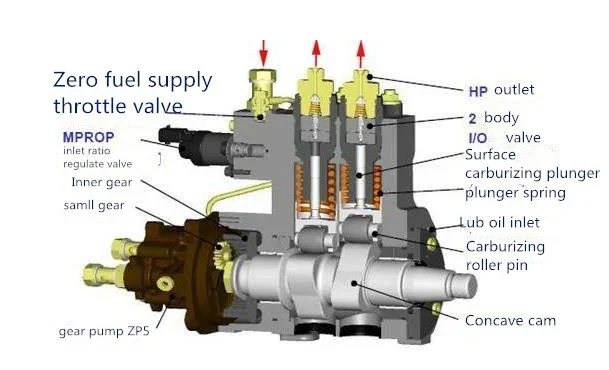
The diesel fuel pump relies on diesel fuel for lubrication. When petrol enters the system, it strips away that protective layer. Metal parts rub against metal, causing friction, heat, and eventually, pump failure. A new fuel pump can be expensive to replace.
Problems with Fuel Injectors
Fuel injectors deliver precise amounts of diesel fuel into the combustion chamber. They are designed for the thickness and weight of diesel. Petrol is too thin and burns differently. This can cause injectors to clog, leak, or fail entirely.
Engine Knocking and Misfiring
Petrol ignites differently under pressure than diesel does. When petrol is used in a diesel engine, it can cause premature ignition, also known as engine knocking. This creates a harsh knocking sound and puts stress on pistons, connecting rods, and bearings.
Long-Term Engine Damage
If you continue driving on petrol, the damage spreads. Engine internals like piston rings, cylinder walls, and the crankshaft can suffer. In worst cases, the engine seizes up completely. At that point, a full engine rebuild or replacement becomes the only option.
Damage to the Catalytic Converter
Petrol burns differently and leaves behind different residues. These residues can clog or damage the catalytic converter, which is responsible for reducing harmful emissions. Replacing a catalytic converter is one of the most expensive repairs a car owner can face.
Can a Diesel Car Run on Petrol Even Briefly?
Some people think, “I only put a little petrol in — surely it’s fine.” Unfortunately, even a small amount of petrol in a diesel tank can cause problems.
The Danger of Small Amounts
Even if you add just a few litres of petrol to a diesel tank, the fuel mixture changes. The petrol lowers the lubricity of the fuel and changes the combustion properties. Over time, this causes wear on internal components.
If you realise the mistake before starting the engine, you are in luck. The best thing to do is do not turn the key. Have the fuel drained and the system flushed by a professional mechanic.
What If You Already Drove on Petrol?
If you have already driven the car, pull over safely as soon as you can. Turn off the engine and call for roadside assistance or a tow truck. Continuing to drive on petrol increases the damage significantly.
The sooner you get professional help, the better your chances of avoiding a full engine replacement.
Signs That You’ve Put Petrol in a Diesel Car
Sometimes the mistake happens without you realising it right away. Here are some warning signs that your diesel car has been contaminated with petrol:
- Engine knocking or pinging sounds — especially under load or acceleration
- Rough idling or uneven engine performance
- Difficulty starting the engine
- Loss of power when accelerating
- Check engine light appearing on the dashboard
- Excessive smoke from the exhaust, especially blue or black smoke
- Fuel system warning lights flashing
If you notice any of these symptoms, stop driving and get the car inspected immediately. Ignoring these signs can lead to much more expensive repairs down the road.
How to Prevent Wrong Fuel Mistakes
Prevention is always better — and cheaper — than repair. Here are some simple steps to avoid putting petrol in your diesel car.
Know Your Fuel Type
Always double-check the fuel cap label on your car. Most diesel vehicles have a diesel-only label near the fuel filler. Get into the habit of checking before you open the fuel cap every single time.
Use Fuel Cap Stickers or Reminders
Some car owners place a small sticker inside the fuel door that says “Diesel Only.” This simple reminder can save you from a costly mistake, especially if you drive multiple vehicles.
Stay Focused at the Fuel Station
Distractions at fuel stations are common. You might be in a hurry, talking on the phone, or filling up a rental car. Stay alert and confirm the fuel type before inserting the nozzle.
Use Diesel-Specific Nozzle Sizes
In many countries, diesel nozzles are larger than petrol nozzles. This design helps prevent accidental misfuelling. However, it is not foolproof, so always stay vigilant.
What to Do If You Accidentally Put Petrol in a Diesel Car
Mistakes happen. If you realise you have put petrol in your diesel car, follow these steps:
- Do not start the engine. This prevents the petrol from circulating through the fuel system.
- Do not turn the key to accessory mode unless absolutely necessary.
- Call a roadside assistance service or a qualified mechanic.
- Have the fuel tank drained and the entire fuel system flushed.
- Replace the fuel filter if it has been contaminated.
- Inspect the fuel pump and injectors for any signs of damage.
Acting quickly can save you hundreds or even thousands of pounds in repair costs. The longer you wait, the more damage the petrol can do.
Cost of Repairing a Diesel Engine Damaged by Petrol
The cost of repairing a diesel engine damaged by petrol varies widely depending on the extent of the damage.
- Fuel drain and flush: £200 – £400
- Fuel pump replacement: £400 – £1,200
- Injector replacement: £300 – £900 per injector
- Engine rebuild: £2,000 – £5,000+
- Full engine replacement: £3,000 – £7,000+
As you can see, the costs add up fast. A simple fuel drain costs very little compared to a full engine replacement. This is why acting fast is so important.
Expert Insights: What Mechanics Say About Petrol in Diesel Engines
We spoke with several experienced mechanics, and the message was clear — petrol in a diesel engine is never a good idea. Here is what the experts had to say.
“I see this mistake more often than you’d think,” says one senior mechanic. “People get distracted, and within seconds, the wrong fuel goes in. The key is to not start the car. If the fuel hasn’t circulated, the damage is minimal.”
Another mechanic added, “The fuel system components in modern diesel engines are very precise and expensive. Even a small amount of petrol reduces the lubrication and causes wear over time. It is always better to flush the system as a precaution.”
Key Takeaways
- Diesel engines use compression ignition, while petrol engines use spark ignition — they are fundamentally different.
- Petrol in a diesel car causes severe damage to the fuel pump, injectors, and engine internals.
- Even a small amount of petrol can reduce lubrication and cause long-term wear.
- Do not start the engine if you suspect you have put petrol in your diesel car.
- Diesel fuel lubricates the fuel system, but petrol does not — this leads to increased friction and damage.
- Acting quickly saves money — a simple fuel drain costs far less than an engine rebuild.
- Prevention is the best strategy — stay focused at fuel stations and check your fuel type every time.
Conclusion
So, can a diesel car run on petrol? Technically, it might turn over for a short time, but the damage it causes is not worth it. Petrol and diesel engines are built for different fuels, and mixing them leads to serious — and often expensive — problems.
The best thing you can do is prevent the mistake from happening in the first place. Know your fuel type, stay focused at the pump, and take action immediately if something goes wrong. Your engine is one of the most expensive parts of your car, and protecting it should always be a priority.
If you ever find yourself in a wrong-fuel situation, remember this guide. Don’t start the engine. Call for help. Get the system flushed. These simple steps can save you a lot of money and a lot of headaches. Keep your diesel car running the way it was designed to — on diesel fuel only.
Can a diesel car run on petrol for a short distance?
No. Even a short distance on petrol can cause damage to the fuel pump and injectors because petrol lacks the lubricating properties of diesel fuel. The engine may run roughly or knock, and continued use increases the risk of serious internal damage.
What happens if I start my diesel car with petrol in the tank?
Starting the engine circulates petrol through the fuel system, which strips away lubrication from the fuel pump and injectors. This can cause metal-on-metal wear, leading to pump failure, injector damage, and potentially engine seizure if driven further.
How much petrol is dangerous in a diesel engine?
Even a small amount — as little as 5% petrol mixed with diesel — can lower the lubricity of the fuel and cause damage over time. The more petrol in the mix, the greater the risk of immediate and severe engine problems.
Will the check engine light come on if petrol is in a diesel car?
Yes, in many modern diesel vehicles, the check engine light may illuminate due to incorrect combustion, misfiring, or sensor readings that detect abnormal fuel composition. This is a warning sign that should never be ignored.
Can a mechanic fix a diesel engine damaged by petrol?
It depends on the extent of the damage. A fuel drain and system flush can resolve the issue if caught early. However, if the engine has been run on petrol for a long time, internal components like the fuel pump, injectors, or even the engine block may need replacement or rebuild.
Is it safe to mix a small amount of petrol with diesel?
No. There is no safe amount of petrol to mix with diesel fuel for a diesel engine. Petrol changes the combustion characteristics and reduces lubrication, both of which increase wear and the risk of long-term engine damage.
Frequently Asked Questions
What is can a diesel car run on petrol?
can a diesel car run on petrol is an important topic with many practical applications.