A Car Has to Cover the Distance of 60 km Without Trouble
A car has to cover the distance of 60 km without trouble, and this guide shows you exactly how to make that happen. We walk you through every step, from pre-trip checkups to fuel-saving tricks and common problems to avoid. Whether you drive daily or plan a weekend trip, these tips will keep your vehicle running strong.
Every driver knows the feeling. You hop behind the wheel, turn the key, and expect your car to simply work. But when you need a car to cover the distance of 60 km without a single hiccup, things can get tricky. That 60 km stretch might seem short, but it demands a well-maintained vehicle and a smart approach.
Whether you are commuting to work, heading to a weekend getaway, or running errands across town, covering 60 km reliably matters. A breakdown on that route can ruin your entire day. The good news? With the right preparation, you can make every trip smooth and worry-free.
This guide breaks down everything you need to know. We cover car maintenance basics, fuel tips, common problems, and expert advice. By the end, you will know exactly how to keep your car running strong for every 60 km journey.
Key Takeaways
- Pre-Trip Checkup Matters: A simple inspection before every drive prevents most breakdowns on a 60 km route.
- Fuel Efficiency Saves Money: Small driving habits can significantly improve your mileage over 60 km.
- Tire Health Is Critical: Proper tire pressure and tread depth keep you safe and efficient.
- Know Common Problems: Understanding what goes wrong helps you act fast and stay safe.
- Smooth Driving Reduces Wear: Gentle acceleration and braking extend your car’s life.
- Emergency Prep Is a Must: A basic roadside kit gives you peace of mind on any trip.
📑 Table of Contents
- Why Your Car Needs to Cover the Distance of 60 km Without Trouble
- Essential Pre-Trip Car Checkup
- Fuel Efficiency Tips for a 60 km Drive
- Common Problems That Stop Your Car Mid-Route
- How to Keep Your Car Running Smoothly on Any Trip
- Expert Tips for Stress-Free Driving
- Comparison: Common Car Issues on a 60 km Route
- Final Thoughts
Why Your Car Needs to Cover the Distance of 60 km Without Trouble
A reliable car is not a luxury. It is a necessity. When you depend on your vehicle daily, even a short 60 km drive can turn into a nightmare if something goes wrong. Understanding why your car needs to perform consistently helps you take the right steps before hitting the road.
The Cost of Unexpected Breakdowns
Car repairs are expensive. A flat tire, a dead battery, or an overheating engine can cost hundreds of dollars. Worse, they waste your time and leave you stranded. A simple 60 km drive can turn into a stressful event if your vehicle is not ready.
Regular maintenance reduces these risks dramatically. A quick check of your fluids, tires, and brakes before each trip can save you from serious trouble. Think of it as an insurance policy for your daily drive.
Safety Comes First
Safety should always come first on the road. A car that has to cover the distance of 60 km without trouble needs to be in top condition. Your brakes, lights, and steering all play a role in keeping you and your passengers safe.
Many drivers overlook simple safety checks. They ignore warning lights or skip oil changes. These small neglects add up fast. A well-maintained vehicle responds better in emergencies and gives you confidence behind the wheel.
Essential Pre-Trip Car Checkup
Before any 60 km drive, give your car a quick once-over. A pre-trip checkup takes only 10 to 15 minutes. It can save you hours of trouble later. Here is a simple checklist every driver should follow.
Check Your Engine Oil
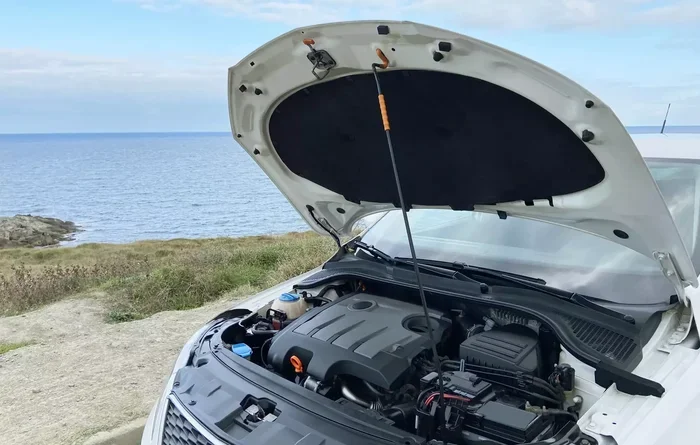
Engine oil keeps your car’s moving parts lubricated. Low oil causes friction, heat, and eventually engine damage. Pull out the dipstick, wipe it clean, reinsert it, and check the level. If it is below the minimum mark, top it up immediately.
Also, check the oil color. Fresh oil is amber and clear. Dark, gritty oil means it is time for a change. Clean oil helps your engine run smoothly over every kilometer of your 60 km drive.
Inspect Your Tires
Tires are the only part of your car that touches the road. Their condition directly affects your safety and fuel efficiency. Check the tire pressure first. Underinflated tires create drag, which wastes fuel and wears out the rubber faster.
Next, look at the tread depth. A simple coin test works well. Insert a coin into the tread groove. If you cannot see the top of the coin, your tread is fine. If the tread is worn down, replace the tires before your next trip.
Test Your Battery
A dead battery is one of the most common reasons cars fail to start. Before a long drive, check your battery terminals for corrosion. They should look clean and tight. If your battery is more than three years old, consider having it tested at a service center.
Car batteries do not give much warning before they fail. A quick check can prevent you from being stranded with a car that will not turn over.
Verify Your Coolant Level
Coolant keeps your engine from overheating. Over long drives, especially in hot weather, coolant does important work. Check the coolant reservoir under the hood. The level should sit between the minimum and maximum marks.
If the coolant looks dirty or rusty, flush the system and refill it with fresh coolant. Overheating engines can cause serious damage, and it is entirely preventable with a simple check.
Fuel Efficiency Tips for a 60 km Drive
Fuel costs add up fast. When your car has to cover the distance of 60 km regularly, small changes in your driving habits can save you real money. Here are proven tips to boost your fuel efficiency.
Drive at a Steady Speed
Constantly speeding up and slowing down wastes fuel. Your engine works harder during acceleration, burning more gas. On a 60 km route, try to maintain a steady speed. Use cruise control on highways when it is safe to do so.
Smooth driving also reduces wear on your brakes and tires. You get better fuel economy and fewer repair bills over time. It is a win-win for your wallet and your vehicle.
Avoid Excessive Idling
Idling burns fuel without moving you forward. If you are stuck in traffic or waiting at a railroad crossing, turn off your engine if it is safe. Every minute of idling wastes fuel and produces unnecessary emissions.
Modern cars use very little fuel to restart. The old myth that restarting uses more fuel than idling is simply not true. Turn off your engine whenever you expect to wait for more than 30 seconds.
Keep Your Windows Closed at High Speeds
Open windows create drag, especially at highway speeds. That drag forces your engine to work harder and use more fuel. At speeds above 60 km/h, keep your windows up and use the air conditioning if needed.
At lower speeds around town, open windows can feel refreshing and use less fuel than the AC. Use common sense based on your driving conditions and speed.
Remove Unnecessary Weight
Extra weight makes your engine work harder. Clean out your trunk and back seat. Remove heavy items you do not need for your trip. Every extra kilogram reduces your fuel efficiency slightly, and those small losses add up over many trips.
Carrying a spare tire and emergency kit is smart. But hauling around golf clubs, tools, or heavy boxes just wastes fuel. Travel light whenever possible.
Common Problems That Stop Your Car Mid-Route
Even well-maintained cars can develop problems. Knowing what commonly goes wrong helps you prepare and respond quickly. Here are the issues most likely to disrupt a 60 km drive.
Flat Tires
Flat tires are the number one roadside problem for drivers. A nail, a sharp object, or simple wear and tear can cause a puncture. Before your trip, visually inspect all four tires for any signs of damage.
Carrying a spare tire, a jack, and a lug wrench is essential. If you do not know how to change a tire, practice once at home. Being prepared turns a potential disaster into a manageable inconvenience.
Overheating Engine
An overheating engine can shut down your car in minutes. This usually happens when the coolant level is low or the cooling system has a leak. Watch your temperature gauge closely during every drive.
If the needle starts climbing, pull over safely and turn off the engine. Let it cool for at least 15 minutes before opening the hood. Never remove the radiator cap while the engine is hot. The pressurized steam can cause serious burns.
Dead Battery
A dead battery leaves you stranded with no warning. Lights may dim, the engine might crank slowly, or nothing happens at all when you turn the key. Extreme temperatures, both hot and cold, shorten battery life.
Keep jumper cables in your trunk. Better yet, invest in a portable jump starter. These compact devices are small enough to fit in your glove box and can save you from a costly tow.
Fuel Pump Failure
Fuel pumps can fail without much notice. If your car suddenly loses power or stalls, a failing fuel pump might be the cause. Keeping your tank at least a quarter full reduces stress on the fuel pump.
Never run your car on empty. On a 60 km route, you might not think refueling is necessary, but getting caught with an empty tank in an unfamiliar area is never fun.
How to Keep Your Car Running Smoothly on Any Trip
Long-term car care goes beyond pre-trip checks. Building good habits keeps your vehicle reliable for every drive, no matter the distance. Here are the best practices for a car that has to cover the distance of 60 km without trouble.
Follow the Manufacturer’s Service Schedule
Your car’s owner manual includes a recommended service schedule. It tells you when to change your oil, replace filters, and inspect key components. Following this schedule is the single best thing you can do for your vehicle’s longevity.
Skipping services might save time now, but it leads to bigger problems later. Regular oil changes, for example, keep your engine clean and running efficiently. Think of scheduled maintenance as an investment that pays off over years of reliable driving.
Listen to Your Car
Your car talks to you if you pay attention. Unusual sounds, smells, or vibrations often signal early warning signs. A squealing noise when braking might mean worn brake pads. A sweet smell could indicate a coolant leak.
Do not ignore these signals. Address small problems before they become big, expensive repairs. The sooner you catch an issue, the cheaper and easier it is to fix.
Keep Records of All Maintenance
Maintain a simple log of every service, repair, and inspection. Write down the date, the work done, and the mileage. This record helps you track patterns and plan future services.
When you sell your car, a complete maintenance log increases its resale value. Buyers trust a well-documented vehicle. It shows you cared for the car and kept it in excellent condition.
Use Quality Parts and Fluids
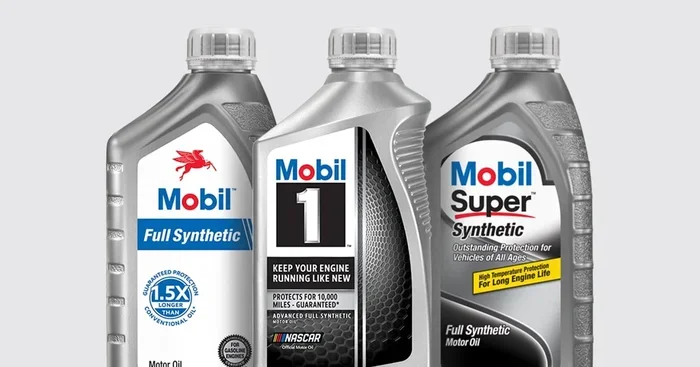
Cheap parts and low-quality fluids might save a few dollars upfront, but they cost more in the long run. Use manufacturer-recommended oil, coolant, and brake fluid. Choose trusted brands for replacement parts like filters, spark plugs, and brake pads.
Quality parts last longer and perform better. They keep your engine running smoothly and your car safe on the road. When it comes to car care, cutting corners is never worth the risk.
Expert Tips for Stress-Free Driving
Even with a perfectly maintained car, how you drive matters. Smart driving habits reduce wear, improve safety, and make every 60 km trip more enjoyable. Here is what the experts recommend.
Prepare for Weather Conditions
Weather changes everything about your driving. Rain, fog, and snow reduce visibility and increase stopping distances. Check the weather forecast before you leave. If conditions look bad, consider delaying your trip or taking a safer route.
In rainy conditions, turn on your headlights and reduce your speed. In fog, use fog lights and maintain a much greater following distance. Driving to the conditions, not just the speed limit, keeps you safe.
Plan Your Route Ahead of Time
Know where you are going before you start the engine. Use a GPS or map app to plan the best route. Factor in traffic patterns, road construction, and potential detours.
Planning your route saves fuel and reduces stress. You avoid wrong turns, missed exits, and the frustration of getting lost. A calm driver is a safer driver.
Take Breaks on Longer Trips
Even if 60 km is a short drive, fatigue is real. If you are driving for hours or covering multiple trips in a day, take regular breaks. Stop every 90 minutes to stretch, hydrate, and rest your eyes.
Drowsy driving is dangerous driving. It slows your reaction time and impairs your judgment. A five-minute break can make the difference between a safe trip and a serious accident.
Keep an Emergency Kit in Your Car
Every car should have a basic emergency kit. Include a flashlight, a first-aid kit, a reflective triangle, water bottles, and a phone charger. Add jumper cables, a tire pressure gauge, and a basic tool set.
You do not need to overpack. Just the essentials can get you through a tough situation. A well-stocked kit gives you confidence and peace of mind on every drive.
Comparison: Common Car Issues on a 60 km Route
Understanding which problems are most likely on a short route helps you focus your efforts. Here is a comparison of common issues and their causes.
| Issue | Likely Cause | Prevention |
|---|---|---|
| Flat Tire | Puncture, worn tread, low pressure | Regular tire checks, proper inflation |
| Dead Battery | Age, extreme temperatures, corrosion | Battery testing, clean terminals |
| Overheating | Low coolant, leak, faulty thermostat | Coolant checks, regular servicing |
| Fuel Starvation | Empty tank, clogged filter | Keep tank above quarter full |
| Brake Failure | Worn pads, low brake fluid | Regular brake inspections |
| Starting Problems | Faulty starter, ignition issues | Timely spark plug replacement |
This table shows that most problems on a 60 km route are entirely preventable. A little regular care goes a long way toward keeping your car reliable and your trips trouble-free.
Final Thoughts
A car has to cover the distance of 60 km without trouble, and now you know exactly how to make that happen. From pre-trip checkups to smart driving habits, every step you take improves your reliability and safety.
Regular maintenance is the foundation of a dependable vehicle. Check your oil, tires, battery, and coolant before every drive. Address small issues before they become big problems. And always drive with awareness and care.
Fuel efficiency and smooth driving habits save you money and reduce wear on your car. Keep your emergency kit stocked and your route planned. These small efforts add up to big rewards over time.
The road ahead is full of possibilities. With a well-maintained car and the right knowledge, every 60 km drive can be a pleasant experience. Take care of your vehicle, and it will take care of you. Start applying these tips today and enjoy every mile of your journey.
Frequently Asked Questions
How often should I service my car before a 60 km drive?
A basic pre-trip check every time you drive is ideal. For full servicing, follow your manufacturer’s schedule, which is usually every 10,000 km or 6 months. A quick fluid and tire check before each trip takes only minutes but prevents most problems.
What is the best tire pressure for a smooth 60 km drive?
Check your owner manual or the sticker on the driver’s door frame for the recommended pressure. Most cars require between 32 and 35 PSI. Always check tire pressure when the tires are cold for the most accurate reading.
Can bad weather affect my car’s performance on a short drive?
Yes, weather has a big impact even on short trips. Rain reduces tire grip, cold weather thickens engine oil, and hot weather stresses your cooling system. Adjust your driving style and vehicle checks based on the conditions you face.
How can I improve my fuel economy on a 60 km route?
Drive at a steady speed, avoid hard braking, keep your tires properly inflated, and remove unnecessary weight from your car. These simple changes can improve your fuel economy by 10 to 20 percent over time.
What should I do if my car overheats during a drive?
Pull over safely as soon as possible and turn off the engine. Wait at least 15 minutes for the engine to cool. Do not open the radiator cap while hot. Once cooled, check the coolant level and top it up if needed. If the problem persists, call for roadside assistance.
Is it worth buying a portable jump starter for my car?
Absolutely. A portable jump starter is compact, affordable, and can save you from a dead battery situation anywhere. It fits in your trunk or glove box and works without needing another vehicle. It is one of the best investments for any driver.
=== CONCLUSION ===
Covering a distance of 60 km without trouble is entirely achievable with the right approach. A car has to cover the distance of 60 km without trouble when the driver commits to regular maintenance, smart fuel habits, and careful preparation. From checking your oil and tires to planning your route and driving smoothly, every action counts.
Do not wait for a breakdown to remind you how important car care is. Start today. Follow the tips in this guide, build good habits, and enjoy every drive with confidence. Your car will reward you with reliability, better performance, and fewer trips to the repair shop. Safe travels and happy driving.