How Long Does a Toyota Camry Transmission Last Really
A Toyota Camry transmission can last between 200,000 and 300,000 miles with proper care and regular maintenance. The key factors that determine transmission lifespan include driving habits, fluid changes, and timely repairs. This guide covers everything you need to know about keeping your Camry transmission healthy for the long haul.
This is a comprehensive guide about How Long Does a Toyota Camry Transmission Last?.
Key Takeaways
- Toyota Camry transmissions typically last 200,000 to 300,000 miles when properly maintained.
- Regular transmission fluid changes are the single most important thing you can do to extend transmission life.
- Driving habits matter a lot — aggressive driving wears out transmissions faster.
- Common warning signs like slipping gears, delayed shifting, and strange noises should never be ignored.
- A transmission rebuild costs less than a full replacement and can add years of life.
- Toyota’s reputation for reliability extends to the transmission when you take care of it.
[FEATURED_IMAGE_PLACEHOLDER]
How Long Does a Toyota Camry Transmission Last Really?
The Toyota Camry has been one of the most reliable sedans on the road for decades. People buy it because it holds its value. It runs well. And it doesn’t break the bank on repairs. But one question keeps coming up in car forums and repair shops. How long does a Toyota Camry transmission really last?
The short answer is that most Toyota Camry transmissions can go well past 200,000 miles. Some even reach 300,000 miles without a major rebuild. But that number depends on several factors. Your driving style plays a role. So does your maintenance routine. And the type of transmission matters too. Let’s break it all down.
If you’re asking this question, chances are you either own a Camry or are thinking about buying one. Either way, you want real answers. Not marketing fluff. Not guesswork. This guide gives you the honest, detailed information you need. We’ll cover everything from transmission fluid changes to warning signs that mean trouble is coming.
One thing to keep in mind is that the Toyota Camry transmission is not just one part. It’s a complex system with many moving pieces. Each piece works together to shift gears smoothly. When one part fails, it can affect the whole system. That’s why understanding how it all works helps you take better care of your car.
Also, if you’re curious about how mileage affects a car overall, check out our article on how long 200,000 miles really is on a car. It gives great context for thinking about transmission longevity.
Understanding the Toyota Camry Transmission
Types of Transmissions in the Camry
The Toyota Camry has used different types of transmissions over the years. The type you have depends on the model year. Here are the main ones:
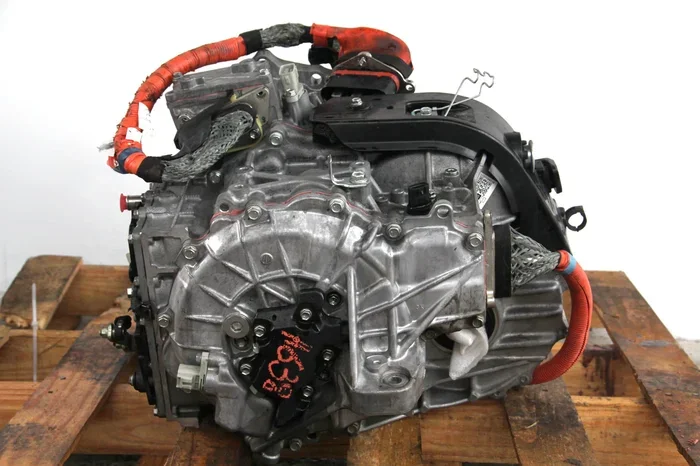
- Automatic Transmission: The most common type in Camrys. It uses a torque converter and planetary gear sets to shift gears automatically.
- CVT Transmission (Continuously Variable Transmission): Found in newer Camry models. It uses a belt and pulley system instead of fixed gears. This gives smoother acceleration and better fuel economy.
- Manual Transmission: Less common in modern Camrys. Some older models and sport trims offered a 6-speed manual.
Each type has a different lifespan. Generally, the automatic and CVT transmissions in the Camry are built to last a long time. Toyota engineers these drivetrain components with durability in mind. The automatic transmission in older models is known for being especially tough.
The CVT is newer technology. It has some unique maintenance needs. We’ll talk about those in a moment. For now, just know that the type of transmission in your Camry affects how long it will last and what kind of care it needs.
How the Transmission Works in Simple Terms
Think of your transmission as the bridge between the engine and the wheels. The engine creates power. The transmission controls how much of that power reaches the wheels. It does this by shifting through different gears.
When you accelerate, the transmission shifts to a lower gear for more power. When you cruise, it shifts to a higher gear for better fuel efficiency. The transmission fluid plays a critical role here. It lubricates all the moving parts. It also helps with cooling and hydraulic pressure for smooth shifting.
If the fluid gets old or dirty, the transmission has to work harder. That extra strain leads to wear and tear over time. This is why fluid maintenance is so important. A simple fluid change can add thousands of miles to your transmission’s life.
How Many Miles Does a Toyota Camry Transmission Typically Last?
Average Lifespan by Transmission Type
Let’s get to the numbers. Here is a breakdown of what you can expect from each Camry transmission type:
| Transmission Type | Average Lifespan | Common Model Years |
|---|---|---|
| Traditional Automatic | 200,000 – 300,000 miles | 2002-2017 |
| CVT Transmission | 150,000 – 250,000 miles | 2018-present |
| Manual Transmission | 200,000 – 250,000 miles | 2002-2011 |
These numbers represent typical ranges. Your actual results may vary. A well-maintained Camry transmission can exceed these averages. On the other hand, poor maintenance can shorten the lifespan significantly.
If you’re wondering whether your Camry has high mileage, our article on whether 000 miles is a lot for a Toyota Camry can help you put things in perspective.
Factors That Affect Transmission Lifespan
Several factors determine how long your transmission will last. Here are the biggest ones:
- Maintenance Schedule: Regular fluid changes and filter replacements keep everything running smoothly. Skipping these is the #1 killer of transmissions.
- Driving Habits: Hard acceleration, riding the brakes, and towing heavy loads all put extra stress on the transmission.
- Climate: Extreme heat is tough on transmission fluid. If you live in a hot climate, your fluid breaks down faster.
- Transmission Fluid Quality: Using the right fluid specified by Toyota makes a big difference. Cheap or wrong fluid can cause premature wear.
- Driving Conditions: Stop-and-go city driving is harder on the transmission than steady highway driving.
Each of these factors is in your control to some degree. You can’t change where you live, but you can change your driving habits and stick to a maintenance schedule. Those two things alone can add years to your transmission.
Signs Your Toyota Camry Transmission Is Wearing Out
Catching transmission problems early saves you a lot of money. Most transmission failures don’t happen overnight. They give you warning signs along the way. Here are the most common ones to watch for:
Delayed or Rough Shifting
Do you notice a delay when shifting from Park to Drive? Or does the car jerk when changing gears? These are early signs of transmission trouble. A healthy transmission shifts smoothly and quickly. If yours hesitates or shudders, don’t ignore it.
Transmission Slipping
Slipping is when the transmission unexpectedly changes gears or falls out of gear. You might notice the engine revving higher without a corresponding increase in speed. This is a serious warning sign. It often means the transmission bands or clutch packs are worn.
Strange Noises
Grinding, whining, or buzzing sounds coming from the transmission area should get your attention. These noises often indicate low fluid levels or internal damage. Check your fluid level first. If it’s low, top it off and see if the noise stops. If it doesn’t, visit a mechanic.
Fluid Leaks
Transmission fluid is usually red or pink. If you see puddles under your car, check the color. Dark or brown fluid means it’s old and burnt. A leak can lead to low fluid levels, which causes overheating and eventually transmission failure.
Warning Lights
The check engine light or a transmission warning light on your dashboard should never be ignored. Modern Camrys have sensors that detect transmission issues early. When a light comes on, get it checked as soon as possible.
Quick tip: Check your transmission fluid every month. It takes just a few minutes and can catch problems before they become expensive repairs.
How to Extend Your Toyota Camry Transmission Life
Want your Camry transmission to last as long as possible? Follow these practical tips:
1. Change Transmission Fluid Regularly
This is the single most important thing you can do. Toyota recommends changing transmission fluid every 30,000 to 60,000 miles for automatic transmissions. For CVT models, check the owner’s manual for the specific interval. Fresh fluid keeps everything lubricated and cool.
Use Toyota Genuine transmission fluid or a fluid that meets Toyota’s specifications. Using the wrong fluid can void warranties and cause damage.
2. Get a Transmission Flush
A fluid change replaces some of the old fluid. A transmission flush replaces all of it. A flush removes old fluid, sludge, and contaminants from the entire system. Consider getting a flush every 60,000 to 80,000 miles.
However, be cautious with high-mileage vehicles. A flush can sometimes dislodge debris that was actually sealing small leaks. Talk to your mechanic about whether a flush is right for your car.
3. Warm Up Your Car Before Driving
In cold weather, give your car a minute or two to warm up before driving. This lets the transmission fluid circulate properly. Cold fluid is thicker and doesn’t lubricate as well. A quick warm-up adds up to thousands of extra miles for your transmission.
4. Avoid Aggressive Driving
Hard starts, rapid acceleration, and late braking all stress the transmission. Smooth, gentle driving is much easier on all your car’s components. Plus, it improves your fuel economy. If you want to know how much mileage eco mode can save, check out how much mileage eco mode saves.
5. Don’t Ignore Small Problems
A small leak or slight delay in shifting today can become a major repair tomorrow. Address small issues immediately. A transmission solenoid replacement costs a fraction of what a full rebuild costs.
6. Keep the Cooling System in Good Shape
The transmission generates heat. Your car’s cooling system helps manage that heat. If your radiator or cooling system isn’t working properly, your transmission can overheat. Overheating is one of the top causes of transmission failure.
Transmission Repair Costs for the Toyota Camry
What to Expect Cost-Wise
Nobody wants to think about transmission repair costs. But it’s important to know what you might face. Here is a general breakdown:
- Transmission Fluid Change: $100 – $250
- Transmission Flush: $200 – $400
- Transmission Solenoid Replacement: $200 – $500
- Torque Converter Replacement: $500 – $1,200
- Transmission Rebuild: $1,500 – $3,500
- Transmission Replacement: $3,000 – $7,000
As you can see, prevention is much cheaper than repair. A simple fluid change every 30,000 to 60,000 miles costs a few hundred dollars. A transmission rebuild or replacement costs thousands.
If your Camry needs major transmission work, you might wonder about the car’s overall value. Our article on how to determine the actual cash value of a car can help you decide whether repairs are worth it.
Does Toyota Cover Transmission Repairs?
Toyota’s warranty coverage depends on the age and mileage of your car. New Camrys come with a 3-year/36,000-mile basic warranty and a 5-year/60,000-mile powertrain warranty. The powertrain warranty covers the transmission, but only for defects in materials or workmanship.
Wear and tear items like clutch packs or torque converters are typically not covered after the warranty expires. Some Toyota dealers offer extended service plans. These can be worth considering if you plan to keep your Camry for a long time.
Common Mistakes That Shorten Transmission Life
Many Camry owners unknowingly do things that shorten their transmission’s lifespan. Here are the most common mistakes:
- Ignoring Transmission Fluid Changes: This is the biggest mistake. Old fluid loses its lubricating properties. It also loses its ability to cool the transmission properly.
- Overheating the Transmission: Towing beyond your car’s capacity or driving in extreme heat without proper cooling can destroy a transmission.
- Shifting While Moving: Going from Drive to Reverse while the car is still rolling puts enormous stress on the transmission bands.
- Using the Wrong Fluid: Not all transmission fluids are the same. Using the wrong one can cause slipping, overheating, and premature wear.
- Neglecting the Transmission Filter: The filter keeps debris out of the transmission. A clogged filter restricts fluid flow and causes problems.
Avoiding these mistakes is simple. Stay on top of your maintenance schedule. Be gentle with your car. And use the right fluids and parts. Your transmission will thank you with many more years of service.
When Should You Consider a Transmission Rebuild vs. Replacement?
At some point, you might face a tough decision. Should you rebuild the transmission or replace it entirely? Here are some guidelines:
Consider a Rebuild If:
- The transmission has internal wear but the casing is still intact.
- Your car is otherwise in good condition.
- The cost of a rebuild is within your budget.
- You plan to keep the car for several more years.
Consider a Replacement If:
- The transmission is severely damaged or has a cracked case.
- You’re buying a used Camry with a known transmission history.
- A replacement unit comes with a warranty.
A rebuild uses your existing transmission case and replaces only the worn parts. A replacement installs a whole new or remanufactured unit. Both options can give your Camry many more years of reliable service.
If you’re buying a used Camry and want to know if the mileage is reasonable, our guide on how long 200,000 miles is on a car provides helpful context for evaluating the overall vehicle condition.
Frequently Asked Questions
How often should I change the transmission fluid in my Toyota Camry?
Toyota recommends changing transmission fluid every 30,000 to 60,000 miles for automatic transmissions. For CVT models, check your owner’s manual for the specific interval. Regular fluid changes are the best way to prevent transmission problems and extend the life of your drivetrain.
Is it worth rebuilding a Toyota Camry transmission?
Yes, a transmission rebuild is often worth it for the Toyota Camry. A rebuild costs significantly less than a full replacement. It can add another 100,000 miles or more to your transmission’s life. If your Camry is otherwise in good shape, a rebuild is usually the smartest choice.
Can I drive my Camry if the transmission is slipping?
You should avoid driving a Camry with a slipping transmission. Slipping means the gears are not engaging properly. Continued driving can cause further damage and turn a small repair into a major one. Get it checked by a mechanic as soon as you notice slipping.
What type of transmission fluid does a Toyota Camry use?
Most Toyota Camry models use Toyota Genuine ATF WS (World Standard) fluid. Newer CVT models use a different fluid specified in the owner’s manual. Always check your manual or consult a Toyota dealer to make sure you use the correct fluid type.
How can I tell if my Camry transmission is going bad?
Common signs include delayed shifting, slipping gears, strange noises, fluid leaks, and warning lights on the dashboard. If you notice any of these symptoms, have your transmission inspected right away. Early detection prevents costly repairs down the road.
Does the Toyota Camry transmission have known problems?
Some model years have had more issues than others. The 2007-2008 Camry models had some reports of transmission hesitation. Newer CVT models from 2018 onward have been generally reliable but may need fluid changes more frequently. Overall, the Camry transmission has a strong reputation for durability.
Final Thoughts
The Toyota Camry transmission is built to last. With proper care and regular maintenance, you can expect it to go well beyond 200,000 miles. The Toyota Camry transmission is one of the reasons this car has such a strong reputation for reliability.
Remember that prevention is always cheaper than repair. Change your fluid on time. Watch for warning signs. Drive gently. And don’t skip scheduled maintenance. These simple habits make a huge difference over the life of your car.
A transmission is not something you want to neglect. It’s one of the most expensive components to replace. But with the right care, it will keep shifting smoothly for hundreds of thousands of miles. Your Camry was built to go the distance. Now you know how to help it get there.
Take care of your transmission, and it will take care of you. That’s the Toyota promise, and the Camry delivers on it every day.
Frequently Asked Questions
What is How Long Does a Toyota Camry Transmission Last??
How Long Does a Toyota Camry Transmission Last? is an important topic with many practical applications.