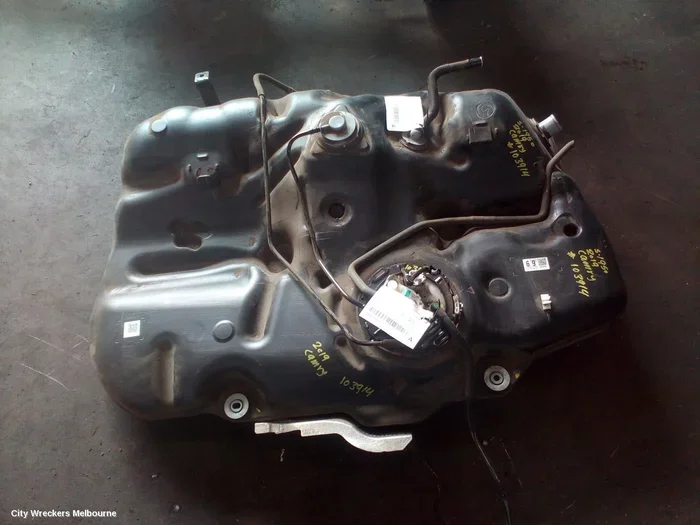
How Long Does a Full Tank of Gas Last in a Toyota Camry
A full tank of gas in a Toyota Camry typically lasts between 450 and 650 miles, depending on the model year, trim level, engine type, and driving conditions. The Camry’s fuel tank holds approximately 15 to 16 gallons, giving it a strong fuel range that makes it one of the most efficient mid-size sedans on the road. Whether you drive mostly in the city or on the highway, understanding your Camry’s gas mileage can help you plan trips and save money at the pump.
Key Takeaways
- Tank Capacity: The Toyota Camry holds between 15 and 16 gallons of fuel, giving it a solid foundation for long drives.
- Fuel Range: A full tank can take you anywhere from 450 to 650 miles, depending on driving habits and conditions.
- MPG Matters: City driving typically yields 28-32 MPG, while highway driving can reach 38-41 MPG on newer models.
- Hybrid Advantage: The Camry Hybrid offers significantly better fuel economy, extending your range even further.
- Driving Habits Count: Aggressive driving, excessive idling, and high speeds all reduce how long your gas lasts.
- Maintenance Helps: Regular upkeep like clean air filters and proper tire pressure improves your fuel efficiency noticeably.
📑 Table of Contents
- How Long Does a Full Tank of Gas Last in a Toyota Camry?
- Understanding the Toyota Camry Fuel Tank
- How Far Can You Go on a Full Tank?
- Factors That Affect Gas Mileage in the Camry
- City vs Highway: Real-World Fuel Range Comparison
- Tips to Maximize Your Camry’s Fuel Efficiency
- Camry Hybrid vs Gasoline: Which Goes Further?
- Common Mistakes That Drain Your Gas Tank Faster
- How to Track Your Camry’s Fuel Range
- Conclusion
How Long Does a Full Tank of Gas Last in a Toyota Camry?
If you own a Toyota Camry or are thinking about buying one, you probably wonder about fuel range. How long does a full tank of gas last in a Toyota Camry? The short answer is anywhere from 450 to 650 miles. But the full picture involves several factors that affect your gas mileage and overall fuel range.
The Toyota Camry has been one of the most popular sedans in America for decades. Its reliability, comfort, and fuel efficiency make it a top choice for daily commuters and road trippers alike. Understanding how far you can go on a single tank helps you plan trips, budget for fuel costs, and avoid unexpected stops.
In this article, we break down everything you need to know about your Camry’s fuel tank. From tank size to real-world MPG numbers, we cover it all. Whether you drive a 2010 model or the latest 2024 Camry, this guide gives you practical insights you can use right away.
Understanding the Toyota Camry Fuel Tank
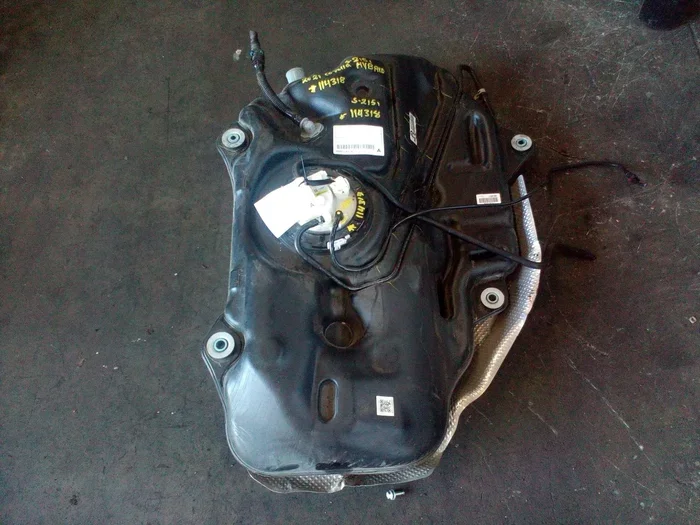
The fuel tank size plays the biggest role in determining your range. A larger tank means more fuel, which means more miles between fill-ups. The Toyota Camry has consistently used a tank size that balances weight, space, and range.
Tank Capacity by Model Year
Most Toyota Camry models come with a fuel tank that holds 15.8 gallons. Some older models and certain trims may have slightly smaller tanks around 15 gallons. Here is a quick look at typical tank sizes:
- 2018-2024 Toyota Camry: 15.8 gallons (standard)
- 2012-2017 Toyota Camry: 15.8 gallons
- 2007-2011 Toyota Camry: 15.8 gallons
- Older models (pre-2007): 16-18 gallons depending on trim
Knowing your tank size is the first step in calculating your fuel range. If you are unsure about your specific model, check your owner’s manual or look for the fuel door label. It usually lists the tank capacity right there.
How Many Gallons Does It Take to Fill Up?
When you go to the pump, you might notice you do not always fill the tank completely. The pump often clicks off before the tank is truly full. This is a safety feature to allow for fuel expansion. On average, filling a Camry from empty to full requires about 15 to 16 gallons of gasoline.
For the most accurate fill-up, try topping off slowly after the first click. Wait a few seconds and then add a little more. You will often get an extra half gallon or so without triggering the pump shutoff. This small trick can add a few extra miles to your range.
How Far Can You Go on a Full Tank?
The distance you can travel on a full tank depends directly on your miles per gallon (MPG) rating and your tank size. The formula is simple: Tank Size multiplied by MPG equals your total range. For example, a 15.8-gallon tank with 35 MPG gives you about 553 miles of range.
City Driving Range
City driving involves more stop-and-go traffic, which lowers your fuel economy. The Toyota Camry typically gets between 28 and 32 MPG in city conditions. With a full 15.8-gallon tank, this translates to roughly 440 to 505 miles of city range.
Stoplights, traffic jams, and short trips all hurt your gas mileage. If you live in a busy city, you may find yourself filling up more often. Planning your routes to avoid heavy traffic can help stretch your tank further.
Highway Driving Range
Highway driving is where the Camry shines. Steady speeds and fewer stops mean better fuel economy. On the highway, most Camry models achieve between 38 and 41 MPG. This gives you a range of about 595 to 650 miles on a full tank.
If you frequently take long road trips, the Camry is an excellent choice. You can go several hours between gas stations, which makes for a more relaxed and enjoyable drive. How long does a full tank of gas last in a Toyota Camry on the highway? Easily 600 miles or more in many cases.
Real-World vs. EPA Estimates
The EPA provides estimated MPG ratings for every new car. These numbers are based on standardized testing. Real-world results often differ. Your actual MPG depends on your driving style, road conditions, weather, and vehicle maintenance.
Many Camry owners report getting within 10% of the EPA estimates. Some even exceed them by driving gently and keeping up with maintenance. Do not be discouraged if your numbers are slightly lower than the sticker rating. Small adjustments can make a big difference.
Factors That Affect Gas Mileage in the Camry
Several factors influence how long your gas lasts. Some you can control, and others you cannot. Understanding these factors helps you make smarter driving decisions.
Driving Style
Your driving habits have the biggest impact on fuel economy. Aggressive acceleration, hard braking, and speeding all burn more gas. Smooth, steady driving is the key to maximizing your range.
Try to accelerate gently from stoplights. Coast to减速 rather than braking hard at the last second. These small changes can improve your fuel efficiency by 10-15% over time. It is a simple win that costs nothing.
Vehicle Weight and Load
Carrying extra weight makes your engine work harder. If your trunk is full of heavy items, your gas mileage will suffer. Keep your Camry as light as possible for the best fuel economy.
Roof racks and cargo carriers create aerodynamic drag. Even when empty, they reduce your MPG. Remove them when you are not using them to save fuel. Every little bit helps when you are trying to stretch your tank.
Tire Pressure
Underinflated tires create more rolling resistance. This means your engine has to work harder to keep the car moving. Check your tire pressure at least once a month. The recommended pressure for the Camry is usually listed on the driver’s side door jamb.
Properly inflated tires also last longer and provide better handling. It is one of the easiest and cheapest ways to improve your fuel range. A simple tire gauge and a few minutes of your time can pay off significantly.
Engine Maintenance
A well-maintained engine runs more efficiently. Regular oil changes, clean air filters, and fresh spark plugs all contribute to better gas mileage. Neglecting maintenance can cause your fuel economy to drop over time.
One often overlooked factor is the cabin air filter. A clogged cabin air filter can affect airflow to the engine and reduce fuel efficiency. Replacing it on schedule is a quick and easy way to keep your Camry running at its best. Does a cabin air filter affect gas mileage? Yes, it can, especially if it becomes heavily clogged over time.
Weather and Temperature
Cold weather reduces fuel economy. Your engine takes longer to reach optimal operating temperature in winter. Gasoline also becomes denser in cold temperatures, which means you get slightly less energy per gallon.
Hot weather can also affect your MPG. Running the air conditioning constantly puts extra load on the engine. On mild days, consider using your vents instead of A/C to save fuel. Finding the right balance between comfort and efficiency is key.
City vs Highway: Real-World Fuel Range Comparison
Driving conditions play a huge role in how far your Camry can go. Let us compare city and highway driving to give you a clearer picture of what to expect.
City Driving Fuel Range
City driving is the biggest fuel economy killer. Constant stopping and starting, idling at red lights, and lower average speeds all work against you. The Camry’s city MPG typically ranges from 28 to 32 depending on the model year and trim.
With a 15.8-gallon tank and 30 MPG average, you can expect about 474 miles in mixed city driving. But real-world city driving often drops closer to 26-28 MPG, which puts your range around 410-440 miles.
If you commute in the city daily, you might find yourself filling up every 400-500 miles. Planning your fuel stops around your routine helps you never get caught short.
Highway Fuel Range
Highway driving is where the Camry excels. Steady speeds, minimal stopping, and aerodynamic cruising all boost your MPG. Most Camry models achieve 38-41 MPG on the highway.
With a full tank, this means 595-650 miles of highway range. Some drivers report even higher numbers when driving at steady 55-65 mph. This makes the Camry a great choice for long-distance travel.
You can easily drive from one major city to another without stopping for gas. For example, the drive from Los Angeles to San Francisco is about 380 miles. A full tank of gas in a Camry gives you well over that distance with plenty to spare.
Mixed Driving Fuel Range
Most people drive a mix of city and highway. For a typical mixed driving pattern, expect an average of 32-35 MPG. This gives you a range of approximately 505-550 miles on a full tank.
Your actual mixed range will vary based on your daily routine. If you do mostly short trips around town, your range will be closer to the city end. If you do longer highway drives, expect numbers closer to the highway range.
Tips to Maximize Your Camry’s Fuel Efficiency
Want to get the most out of every gallon? These practical tips can help you extend your range and save money at the pump.
Drive at Moderate Speeds
Fuel economy drops significantly above 60 mph. Every 5 mph over 60 is like paying an extra $0.20 per gallon. Keeping your speed at or below 60 mph is one of the best ways to save fuel.
Use cruise control on the highway to maintain a steady speed. This prevents unnecessary acceleration and braking that waste gas. Your fuel efficiency will thank you.
Remove Unnecessary Items
Clean out your trunk and remove anything you do not need. Every extra 100 pounds reduces your MPG by about 1%. Over time, this adds up to noticeable savings.
Keep only the essentials in your car. If you carry a spare tire, jack, and emergency kit, that is fine. But leave the golf clubs, camping gear, and other heavy items at home when you do not need them.
Use the Right Fuel
The Toyota Camry runs well on regular unleaded gasoline. You do not need premium fuel unless your specific model requires it. Check your owner’s manual to confirm.
Using premium fuel in a car designed for regular will not improve your performance or fuel economy. It simply wastes money. Stick with the recommended fuel type and save your extra dollars for something else.
Keep Up with Scheduled Maintenance
Regular maintenance keeps your engine running efficiently. Follow the manufacturer’s recommended service schedule for oil changes, air filter replacements, and spark plug changes.
A dirty engine air filter can reduce your MPG by up to 10%. A worn spark plug can cause misfires that waste fuel. These small maintenance items have a big impact on your gas mileage over time.
Turn Off the Engine When Idling
Idling burns fuel without moving your car. If you expect to sit for more than 30 seconds, turn off the engine. This is especially useful at train crossings, drive-throughs, and when waiting for someone.
Modern Camry models have start-stop technology that does this automatically. If your older model does not have this feature, make it a habit to turn off the engine when you are parked and waiting.
Camry Hybrid vs Gasoline: Which Goes Further?
The Toyota Camry Hybrid offers a completely different fuel experience. The hybrid system combines a gasoline engine with an electric motor to deliver outstanding fuel economy. But how does the range compare to the gasoline-only Camry?
Hybrid Fuel Economy
The Camry Hybrid achieves an estimated 52 MPG combined. This is significantly higher than the gasoline models. With a similar tank size of 15.8 gallons, the hybrid can travel up to 820 miles on a single tank in ideal conditions.
This nearly doubles the range of the gasoline Camry. For long road trips or daily commutes, the hybrid version offers tremendous advantages. You fill up less often and spend less money on fuel over time.
Is the Hybrid Worth It?
The hybrid Camry costs more upfront than the gasoline version. But the fuel savings can offset that difference over time. If you drive a lot of miles, the hybrid pays for itself through reduced fuel costs.
For drivers who want maximum range and minimum fuel stops, the Camry Hybrid is the clear winner. It also offers a quieter, smoother driving experience thanks to the electric motor assist.
How Long Can a Hybrid Sit Without Being Driven?
If you are considering a hybrid Camry, you might wonder about battery life when the car sits idle. The hybrid battery is designed to last the life of the vehicle. However, if you do not drive for extended periods, the battery may need a boost or replacement sooner than expected. How long can a hybrid sit without being driven depends on several factors, including battery health and storage conditions.
Common Mistakes That Drain Your Gas Tank Faster
Avoiding these common mistakes can help you get the most out of every fill-up. Many drivers unknowingly waste fuel through bad habits.
- Ignoring the check engine light: A faulty oxygen sensor can reduce your MPG by up to 40%. Get it checked immediately.
- Using the wrong oil: Using oil with the wrong viscosity increases engine friction and reduces efficiency.
- Rapid acceleration: Jackrabbit starts burn through fuel much faster than gentle acceleration.
- Excessive idling: Sitting with the engine running wastes gas and gets you zero miles per gallon.
- Ignoring tire alignment: Misaligned tires create drag, forcing your engine to work harder and use more fuel.
By avoiding these mistakes, you can improve your fuel economy and make your gas last longer. Small changes in your driving and maintenance routine lead to big savings over time.
How to Track Your Camry’s Fuel Range
Keeping track of your fuel usage helps you understand your actual MPG and predict when you need to fill up. The Camry’s dashboard display shows your average and instant fuel economy. Use this feature to monitor your efficiency in real time.
You can also manually track your fuel by recording fill-up dates, gallons purchased, and mileage. After a few tanks, you will see a clear pattern of your actual fuel consumption. This data helps you identify trends and make adjustments to improve your range.
Several smartphone apps make this even easier. Apps like Fuelly and GasBuddy let you log your fill-ups and track your MPG over time. They can also alert you when it is time for your next oil change or maintenance service. Staying on top of your fuel data gives you better control over your driving costs.
Conclusion
How long does a full tank of gas last in a Toyota Camry? The answer is between 450 and 650 miles for most models, depending on driving conditions, habits, and maintenance. The Camry’s generous fuel tank and excellent fuel economy make it one of the best choices for drivers who want to go far without stopping for gas.
By following the tips in this guide, you can maximize your range and get the most out of every gallon. Drive smoothly, keep up with maintenance, and remove unnecessary weight from your car. These simple steps add up to significant fuel savings over time.
Whether you drive the gasoline or hybrid Camry, understanding your fuel range helps you plan trips with confidence. You will spend less time at the pump and more time enjoying the road. The Toyota Camry continues to prove itself as a smart, efficient, and reliable choice for drivers everywhere.
Frequently Asked Questions
How many miles can a Toyota Camry go on a full tank?
A Toyota Camry can travel between 450 and 650 miles on a full tank, depending on the model year, trim level, and driving conditions. The Camry’s tank holds approximately 15.8 gallons, and its MPG ranges from about 28 in the city to 41 on the highway. Your actual range will vary based on your driving habits and vehicle maintenance.
What is the fuel tank size of a Toyota Camry?
Most Toyota Camry models have a fuel tank capacity of 15.8 gallons. Some older models from before 2007 may have slightly larger tanks, ranging from 16 to 18 gallons depending on the trim level. You can confirm your specific model’s tank size by checking the owner’s manual or the fuel door label on your vehicle.
Does the Toyota Camry Hybrid last longer on a full tank?
Yes, the Camry Hybrid lasts significantly longer on a full tank. With an estimated 52 MPG combined, the hybrid Camry can travel up to 820 miles on a single 15.8-gallon tank. This is nearly double the range of the gasoline-only version, making it an excellent choice for long-distance drivers and commuters.
How can I make my Camry’s gas last longer?
You can extend your Camry’s fuel range by driving at moderate speeds, avoiding rapid acceleration, keeping your tires properly inflated, removing unnecessary weight from the car, and staying on top of regular maintenance. Using cruise control on the highway and turning off the engine when idling also help conserve fuel.
Does highway driving really save gas compared to city driving?
Yes, highway driving generally saves gas compared to city driving. The Camry achieves higher MPG on the highway because of steady speeds, fewer stops, and less idling. City driving involves constant acceleration and braking, which significantly reduces fuel economy. If you have the option, highway routes will stretch your tank further.
When should I fill up my Camry’s gas tank?
It is best to fill up your Camry’s tank when the fuel gauge drops to a quarter tank. This ensures you always have enough fuel for unexpected detours and avoids running too low, which can strain the fuel pump. Keeping your tank at least a quarter full also prevents moisture buildup inside the tank.