How Long Do Camry Transmissions Last and What to Expect
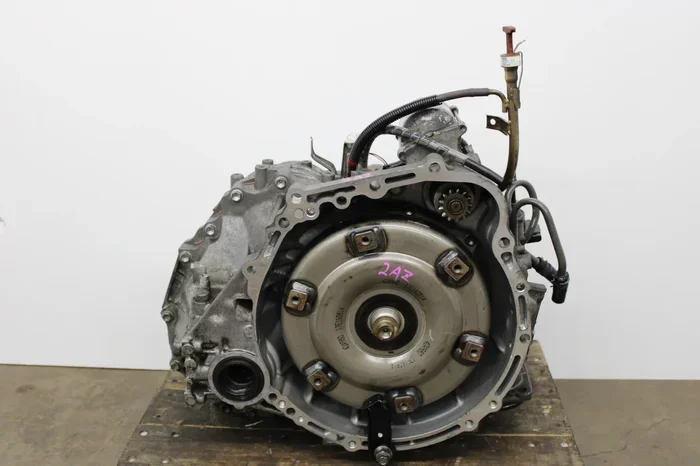
The Toyota Camry transmission typically lasts between 150,000 and 300,000 miles with proper care. Regular transmission fluid changes and timely maintenance play a huge role in extending your Camry’s drivetrain life. Whether you drive a newer model or an older one, understanding what affects transmission longevity helps you avoid costly repairs and keep your car on the road longer.
Key Takeaways
- Average Lifespan: A well-maintained Camry transmission can last 200,000+ miles before needing major work.
- Fluid Changes Matter: Regular transmission fluid flushes are the single best way to extend transmission life.
- Driving Habits Count: Stop-and-go traffic and aggressive driving wear out transmissions faster than highway cruising.
- Know the Warning Signs: Slipping gears, delayed shifting, and strange noises signal trouble early.
- Repair vs. Replace: A rebuild costs less than a full replacement, but both are expensive without warranty coverage.
- Model Year Matters: Newer Camry models have improved transmission designs compared to older generations.
📑 Table of Contents
- How Long Do Camry Transmissions Last and What to Expect
- Average Camry Transmission Lifespan by Generation
- What Affects Camry Transmission Lifespan
- Common Camry Transmission Problems to Watch For
- How to Extend Your Camry Transmission Life
- Transmission Repair vs. Replacement: What to Expect
- How Mileage Affects Camry Transmission Health
- Expert Tips for Camry Transmission Care
- Conclusion
How Long Do Camry Transmissions Last and What to Expect
The Toyota Camry is one of the most popular sedans on the road. People love it for its reliability, comfort, and low cost of ownership. But one question keeps coming up: how long do Camry transmissions actually last? The short answer is that a well-maintained Camry transmission can go anywhere from 150,000 to 300,000 miles. But that number changes based on a lot of factors.
Your driving style matters a lot. So does the type of transmission your Camry has. And let us not forget about regular maintenance. Skipping a simple fluid change can shorten your transmission life by tens of thousands of miles. In this article, we will break down everything you need to know about Camry transmission lifespan. You will learn what to expect, how to spot problems early, and what you can do to keep your drivetrain running strong for years to come.
Why Transmission Longevity Matters for Camry Owners
The transmission is one of the most expensive parts of your car to replace. A new transmission can cost anywhere from $1,800 to $3,500 depending on your model year. A rebuild might run $1,200 to $2,500. That is a lot of money. So understanding how long your Camry transmission should last helps you plan ahead and avoid surprises.
Toyota has built a strong reputation for durability. The Camry consistently ranks high in Toyota reliability ratings. But no car part lasts forever. The transmission is a complex system with many moving parts. Gears, clutches, bands, and seals all work together. Over time, wear and tear takes its toll. Knowing what to expect puts you ahead of the game.
Average Camry Transmission Lifespan by Generation
Not all Camry models are the same. The transmission in a 2005 Camry is different from the one in a 2023 Camry. Let us look at how transmission lifespan has changed across different Camry generations.
Older Camry Models (1990s to Early 2000s)
Older Camry models used traditional automatic transmissions with simpler designs. These transmissions often lasted between 150,000 and 250,000 miles. Many owners reported going well beyond 200,000 miles with basic maintenance. The 4-speed automatic found in these older models was robust and straightforward to repair.
However, older transmissions did not have the advanced electronics of newer models. They relied more on mechanical components. This made them easier to work on but also meant fewer safeguards against driver error. If you owned a 1997 or 2003 Camry, you probably did not worry much about transmission problems until the mileage got really high.
Mid-Generation Camry Models (Mid-2000s to 2010s)
The mid-generation Camry models brought 5-speed and 6-speed automatic transmissions. These were more refined and offered better fuel economy. The 2007 to 2011 Camry models used a 5-speed automatic that generally held up well past 200,000 miles.
Some owners reported issues with the 4-cylinder transmission in certain model years. Toyota addressed many of these concerns through recalls and service campaigns. Overall, the mid-generation Camry transmissions were reliable. But they needed more attention to fluid quality than the older models did.
Newer Camry Models (2012 and Newer)
Starting around 2012, Toyota switched to 8-speed automatic transmissions in many Camry models. These newer transmissions are more advanced. They offer smoother shifting and better fuel efficiency. The 8-speed design has proven quite durable so far.
Newer Camry models also introduced the CVT transmission (Continuously Variable Transmission) in some trim levels. CVTs are different from traditional automatics. They use a belt and pulley system instead of fixed gears. CVTs can be more efficient, but they also have different wear patterns. Some owners have reported CVT issues at lower mileage thresholds. We will discuss this more in a later section.
What Affects Camry Transmission Lifespan
Several factors determine how long your Camry transmission will last. Some you can control. Others are simply part of the car’s design. Let us go through the biggest factors that affect transmission longevity.
Driving Habits and Style
How you drive has a huge impact on transmission life. Aggressive driving wears out transmissions faster. Hard acceleration and sudden braking put extra stress on transmission components. If you like to rev your engine hard or shift from Drive to Reverse without coming to a full stop, you are shortening your transmission life.
Highway cruising is much easier on the transmission than stop-and-go city driving. If you commute in heavy traffic every day, your transmission works harder. It shifts more frequently and deals with more heat buildup. This does not mean you will have problems. But it does mean you need to be more diligent about maintenance.
Regular Maintenance and Fluid Changes
This is the big one. Regular maintenance is the single most important factor in transmission longevity. Toyota recommends changing your transmission fluid every 30,000 to 60,000 miles. Some owners stretch this interval, but that is a gamble.
Transmission fluid does more than just lubricate. It also cools and cleans the internal components. Over time, fluid breaks down and loses its effectiveness. Dirty fluid causes more friction. More friction means more heat. More heat means faster wear. It is a cycle that feeds on itself. Staying on top of your fluid changes breaks that cycle.
Climate and Operating Conditions
Where you live matters too. Hot climates put extra stress on transmissions. Heat is the enemy of transmission fluid. In very hot weather, fluid degrades faster. If you live in a desert climate or a tropical area, you may need to change your fluid more often.
Towing and hauling also take a toll. If you use your Camry to pull a trailer, your transmission works much harder than normal. The extra weight generates more heat and puts more pressure on the drivetrain. Even if your Camry is rated for light towing, frequent towing will shorten transmission life.
Manufacturing Quality and Design
Not all transmissions are built the same. Toyota has made improvements in transmission design over the years. Newer models generally have better materials and more precise engineering. But every manufacturing run has some variation. Some Camry transmissions last 300,000 miles with no issues. Others develop problems at 100,000 miles. A lot of this comes down to luck and individual build quality.
Common Camry Transmission Problems to Watch For
Even with proper care, transmissions can develop problems. Knowing the warning signs helps you catch issues early. Early detection often means cheaper repairs.
Delayed or Hesitant Shifting
If your Camry hesitates before shifting gears, that is a red flag. You might notice a delay when moving from Park to Drive. Or the car might lag when accelerating hard. This can indicate low fluid levels or worn internal components. Do not ignore this symptom. The longer you wait, the worse the problem gets.
Slipping Gears
Gear slipping is one of the most serious transmission warning signs. You might feel the engine rev higher without a corresponding increase in speed. Or the car might suddenly drop a gear while cruising. Slipping usually means the transmission bands or clutch packs are worn. This needs immediate attention.
Strange Noises
Unusual sounds from the transmission area should never be ignored. Grinding, whining, or buzzing noises can indicate internal damage. A healthy transmission should operate quietly. If you hear new sounds, get your car checked out right away.
Fluid Leaks
Transmission fluid leaks are a common problem. You might notice a red or brown puddle under your car. Low fluid levels cause increased friction and heat. This leads to faster wear and eventual failure. Check your fluid level regularly and look for leaks underneath your vehicle.
How to Extend Your Camry Transmission Life
Good news: you have a lot of control over how long your Camry transmission lasts. Simple habits and regular maintenance go a long way. Here are the best things you can do.
Follow the Maintenance Schedule
Stick to Toyota’s recommended maintenance schedule. Change your transmission fluid on time. Use the correct type of fluid specified in your owner manual. Not all transmission fluids are the same. Using the wrong fluid can cause compatibility issues and premature wear.
Check Fluid Levels Regularly
Get in the habit of checking your transmission fluid every few weeks. The fluid should be pinkish-red and clear. If it looks dark brown or smells burnt, it is time for a change. Low fluid levels often indicate a leak somewhere in the system. Find and fix leaks before they cause bigger problems.
Warm Up Your Car Before Driving
Give your transmission a moment to warm up before you start driving hard. This is especially important in cold weather. Cold fluid is thicker and does not lubricate as well. Letting the car idle for 30 seconds to a minute allows the fluid to circulate properly.
Avoid Overloading Your Vehicle
Do not exceed your Camry’s weight capacity. Overloading puts extra strain on the transmission. Check your owner manual for the maximum payload rating. If you are regularly carrying heavy loads, consider more frequent fluid changes.
Address Small Problems Immediately
Do not wait for a small issue to become a big one. If you notice any warning signs, get your car inspected. A quick diagnostic at a local shop can save you thousands of dollars. Many transmission failures start as small, manageable problems that get ignored too long.
Get Professional Help When Needed
Some transmission work is best left to professionals. If you are not experienced with drivetrain repairs, do not try to DIY complex jobs. A qualified mechanic can properly diagnose issues and perform repairs correctly. If you want to understand typical costs upfront, check out how much mechanics charge per hour so you can budget accordingly.
Transmission Repair vs. Replacement: What to Expect
Even with the best care, transmissions can fail. When they do, you have options. Understanding the costs and timelines helps you make informed decisions.
Transmission Fluid Change or Flush
A fluid change is the least expensive option. It typically costs between $100 and $250. This is a great preventive measure and should be done regularly. A full fluid flush costs more, usually between $200 and $400. Flushes remove more old fluid and contaminants. Many mechanics recommend a flush at the 60,000-mile mark.
Transmission Rebuild
A rebuild involves removing the transmission and replacing worn components. The transmission is not thrown away. Instead, it is taken apart, inspected, and rebuilt with new parts. A rebuild typically costs between $1,200 and $2,500. This option works well when the transmission case is still in good condition but internal parts are worn.
Transmission Replacement
A full replacement means swapping in a new or remanufactured transmission. This is the most expensive option, costing anywhere from $1,800 to $3,500 or more. Newer Camry models with advanced 8-speed transmissions tend to cost more to replace. If your Camry has over 200,000 miles, you might want to weigh the replacement cost against the car’s overall value.
When to Consider Selling Instead of Repairing
If your Camry has high mileage and the transmission fails, it might not make financial sense to repair. A transmission replacement on a car worth $5,000 does not add up. In cases like these, it might be better to sell the car and invest in a newer model. Toyota Camrys hold their value well, so you can often get a decent price even with a high mileage vehicle.
How Mileage Affects Camry Transmission Health
Mileage is one of the clearest indicators of transmission health. Most Camry transmissions start showing signs of wear after 150,000 miles. But that is just an average. Some go much longer without issues.
At around 100,000 miles, you should start paying closer attention to your transmission. Get fluid changes done on schedule. Listen for any unusual sounds. Feel for any hesitation or slipping during shifts. These are the years when small problems can develop into bigger ones if left unchecked.
By 200,000 miles, a well-maintained Camry transmission should still be in good shape. Many Camry owners have reported pushing past 250,000 and even 300,000 miles with original transmissions. These are the stories that build Toyota’s reputation for durability. But they also involve owners who stayed on top of maintenance and drove responsibly.
For perspective on how 200,000 miles compares in real-world terms, check out how long 200,000 miles is on a car to understand the commitment and care involved in reaching that milestone.
Expert Tips for Camry Transmission Care
We asked experienced Toyota mechanics what they recommend for Camry owners. Here is what they had to say.
- Do not skip fluid changes. This is the number one tip from every professional. Clean fluid is the lifeblood of your transmission.
- Use OEM or manufacturer-approved fluids. Aftermarket fluids can sometimes cause compatibility issues. Stick with what Toyota recommends.
- Address leaks immediately. A small leak today can become a major failure tomorrow. Do not let fluid levels drop low.
- Get a diagnostic at the first sign of trouble. Modern Camrys have onboard diagnostics that can detect transmission issues early. Do not ignore warning lights.
- Keep your transmission cooler. If you do a lot of towing or driving in hot climates, consider installing an external transmission cooler. It can add years to your transmission life.
Conclusion
The Camry transmission is a durable and long-lasting component. With proper care, you can expect it to last well beyond 200,000 miles. Regular fluid changes, smart driving habits, and prompt attention to warning signs are the keys to maximizing transmission life. Toyota built the Camry with reliability in mind, and the transmission is no exception.
No transmission lasts forever. But when you take good care of yours, it can easily outlast your ownership period. Whether you are buying a used Camry or driving one for years, understanding what to expect helps you make smarter decisions. Stay proactive with maintenance, listen to your car, and your Camry transmission will keep you rolling for a very long time.
Frequently Asked Questions
What is the average lifespan of a Toyota Camry transmission?
A well-maintained Camry transmission typically lasts between 150,000 and 300,000 miles. The exact lifespan depends on your driving habits, maintenance schedule, and the specific model year. Regular fluid changes are the biggest factor in extending transmission life.
How often should I change the transmission fluid in my Camry?
Toyota recommends changing transmission fluid every 30,000 to 60,000 miles for most Camry models. If you drive in harsh conditions like extreme heat or heavy traffic, you should change it more frequently. Always use the type of fluid specified in your owner manual.
What are the signs that my Camry transmission is failing?
Common warning signs include delayed shifting, slipping gears, strange noises like grinding or whining, and fluid leaks under your car. If you notice any of these symptoms, get your car inspected by a qualified mechanic as soon as possible. Early detection can save you from expensive repairs.
Is it worth replacing a transmission on an older Camry?
It depends on the overall condition and value of your car. If your Camry has over 200,000 miles and needs a transmission replacement, the repair cost might not make financial sense. Weigh the repair cost against the car’s value and your budget before deciding.
Can I drive my Camry with a slipping transmission?
You should avoid driving a Camry with a slipping transmission. Slipping indicates internal wear and can lead to complete transmission failure if ignored. Continued driving can cause more damage and increase repair costs significantly. Get it towed to a repair shop instead.
Do newer Camry models have more reliable transmissions than older ones?
Newer Camry models generally have more advanced and reliable transmission designs. The 8-speed automatic transmissions in recent models offer better durability and efficiency compared to older 4-speed automatics. However, CVT-equipped models may have different reliability profiles that owners should be aware of.